Paramedics decrease diagnosis time with mobile EKGs
OREM — Maria Black can find out if an incoming patient is having a heart attack via her Blackberry.
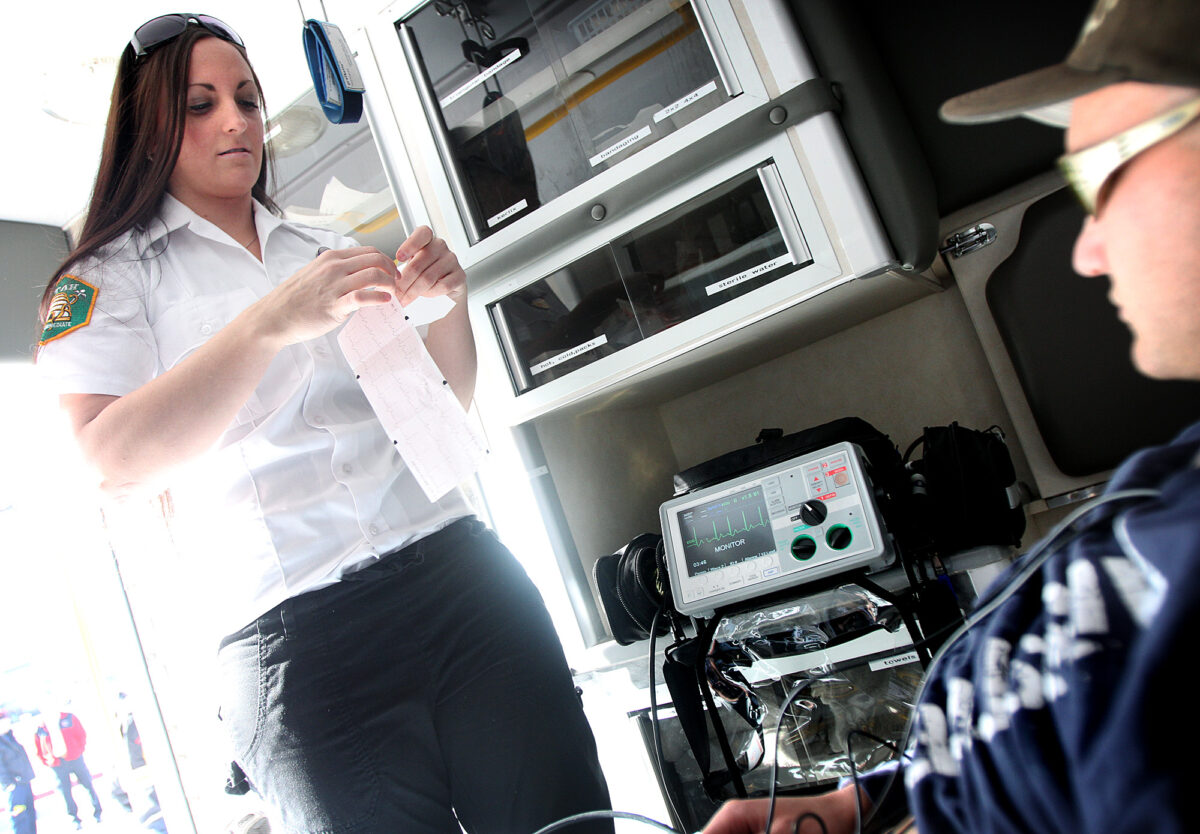
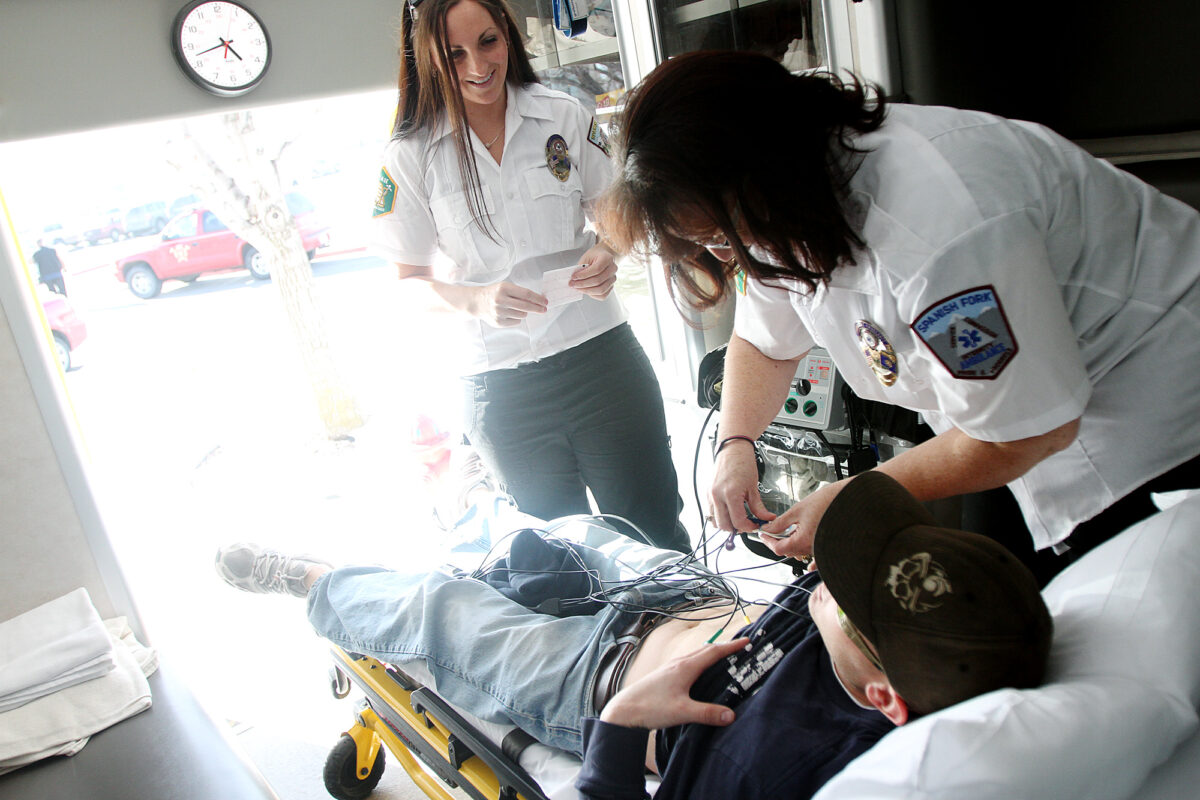
This Bluetooth technology that, thanks to cooperative funding between Intermountain Healthcare and the MountainStar HealthCare, is now or soon will be in every ambulance in Utah County, allows first responders to take an EKG of a suspected heart attack patient and submit that image to the hospital. That allows the emergency room doctor to diagnose a heart attack before the patient arrives at the emergency room.
That means a patient, whose heart is dying every minute it is denied blood, goes straight from the ambulance to the catheter lab for life-saving treatment. No waiting for diagnosis in the ER, no getting the cath lab prepared while the patient is waiting. It could cut treatment time from 30 to 40 minutes to half of that, said Orem Fire Battalion Chief Kevin Kemp.
The Orem EMTs have had the technology for the last couple of years. Much of the rest of the county are just bringing it in after a year of bimonthly meetings for a task force that included Kemp, Black (who is the director of cardiovascular services at Utah Valley Regional Medical Center), representatives from Timpanogos Regional Hospital and other doctors, nurses and EMTs from throughout the county. The goal was to make sure everyone in Utah County who has a heart attack gets the best chance at recovery.
This is a giant leap toward that.
Pleasant Grove fire marshal Steven Brande said a decade or two ago, most emergency responders could expect to save maybe three or four people with severe heart attacks throughout their careers. Thanks to advances in technology, including this, they now may save that many in a year.
“That’s the difference,” Brande said.
The EKG image is sent via e-mail, fax or data transmission similar to a text message from the ambulance. It tells the doctor what he or she needs to know to make the diagnosis.
“Talk about diagnostics,” Black said. “You can see every wave.”
Kemp, who addressed a group of firefighters and EMTs at Timpanogos Regional Hospital on Thursday morning to commemorate this achievement, said getting to this point was the work of many different people sitting down and working through difficult details.
“It’s almost kind of a miracle that all this happened,” he said.