Dixon mink farm in Lehi drops agricultural protection, plans to continue operations
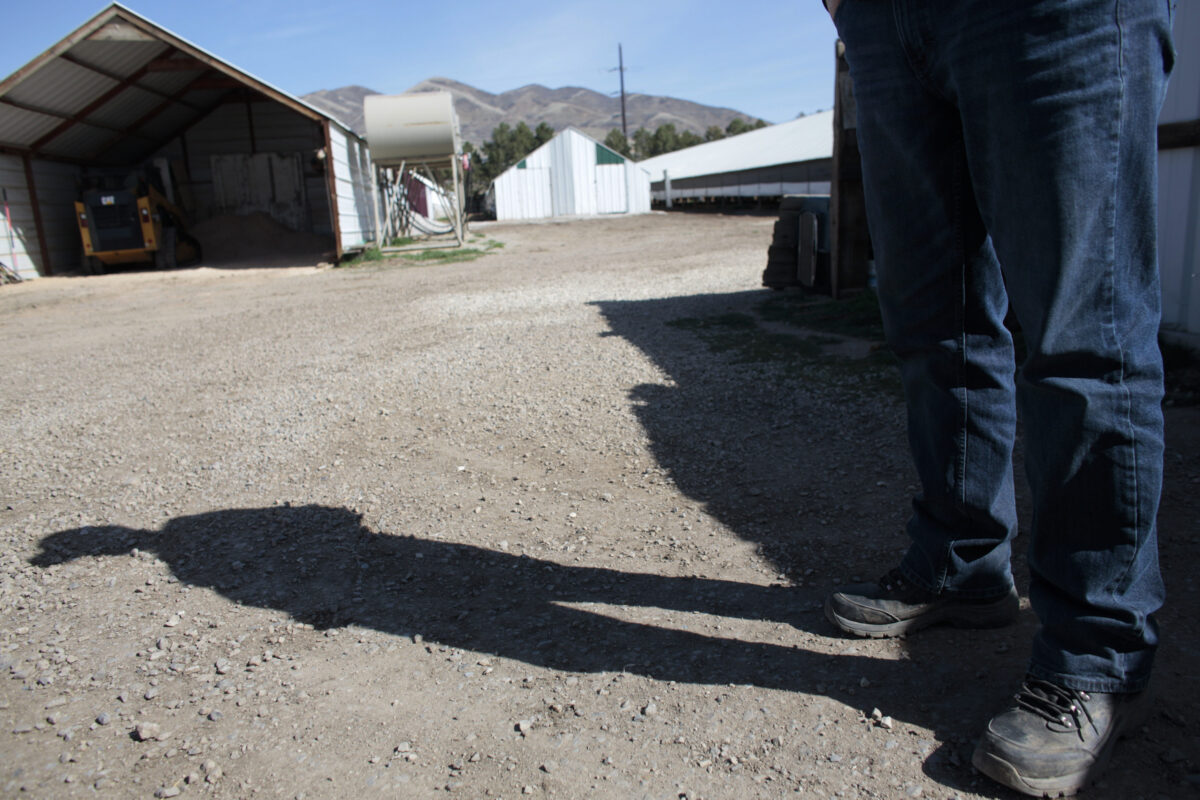
Dane Dixon looks over his farm on Tuesday, April 3, 2018, in Lehi. Dixon and his family raise minks on their property.
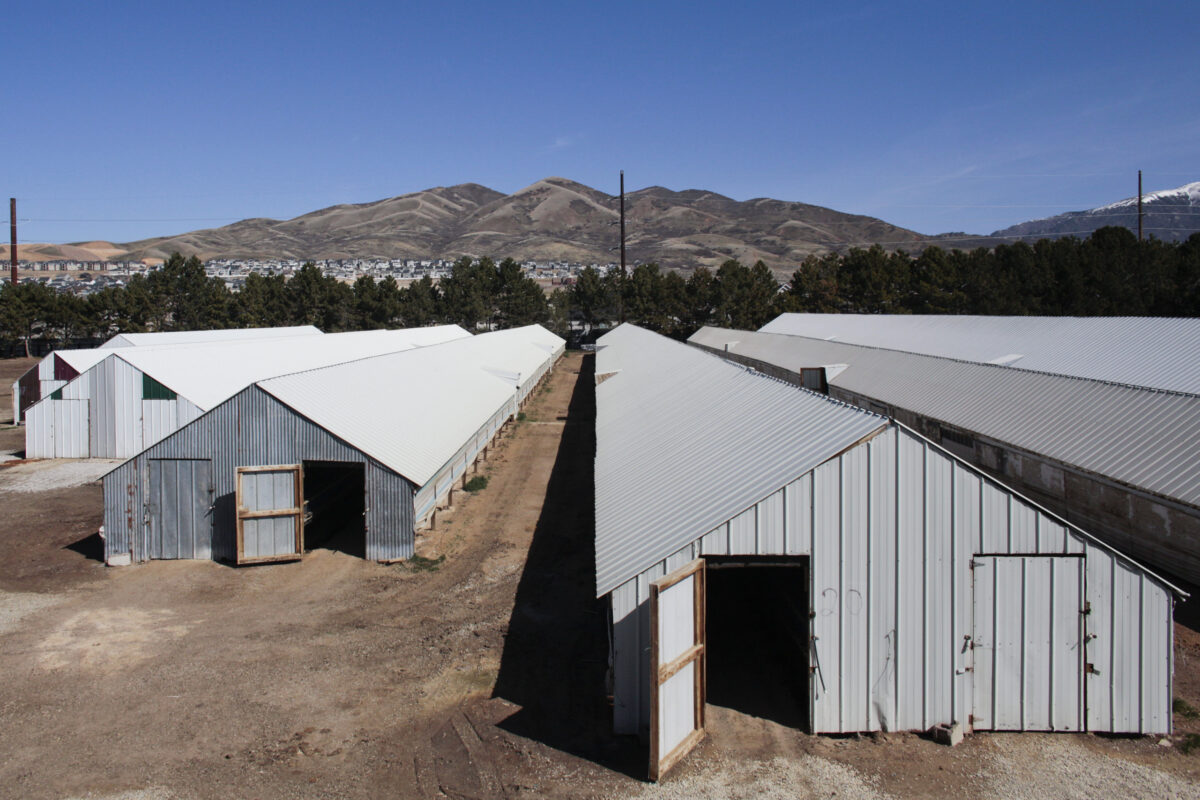
Buildings at the Dixon Mink Ranch are pictured on Tuesday, April 3, 2018, in Lehi. The buildings are lined with individual cages for the minks.
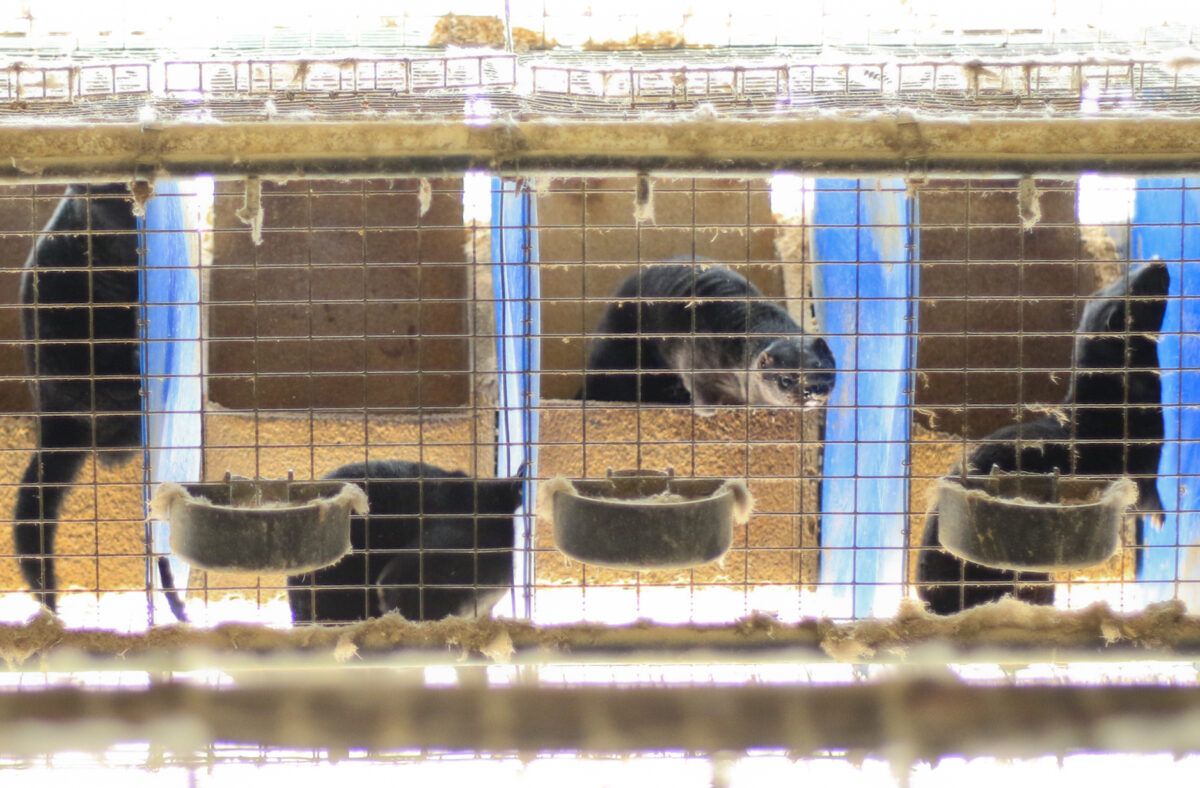
Minks run around in their cages at the Dixon Mink Ranch on Tuesday, April 3, 2018, in Lehi.
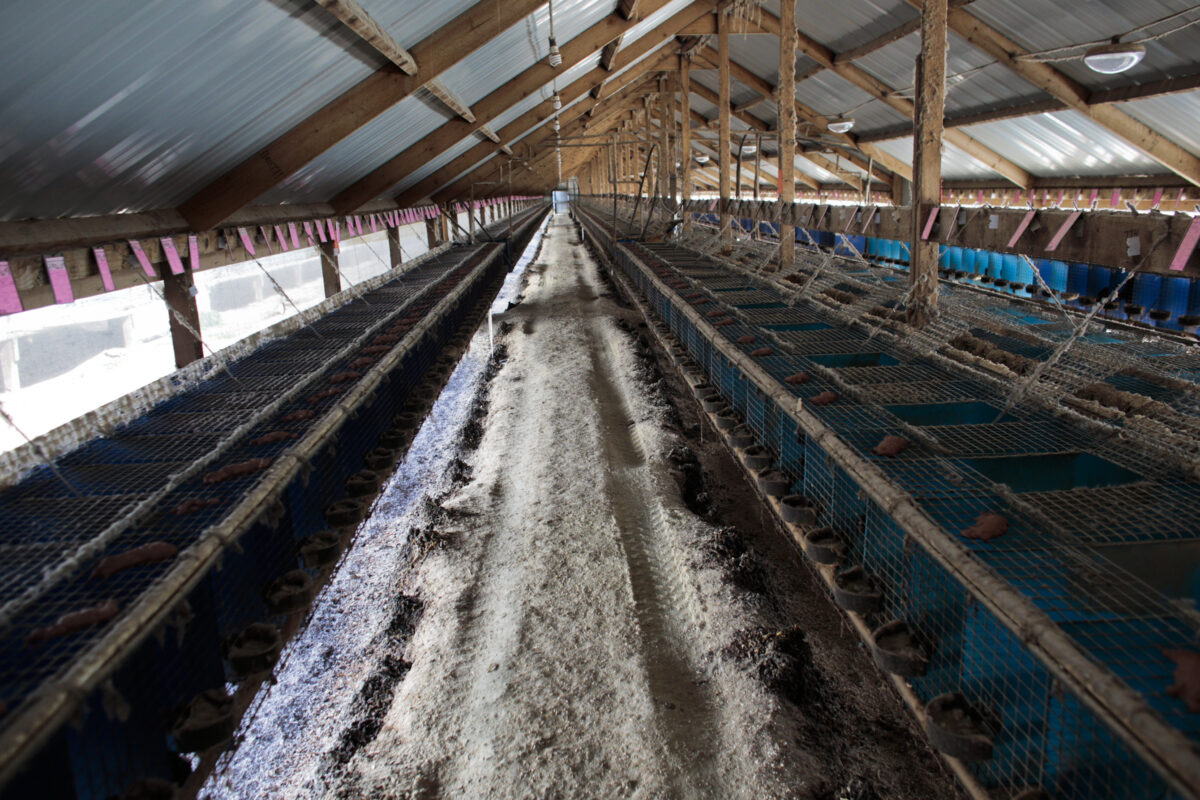
Mink cages line one of the buildings at the Dixon Mink Ranch on Tuesday, April 3, 2018, in Lehi.
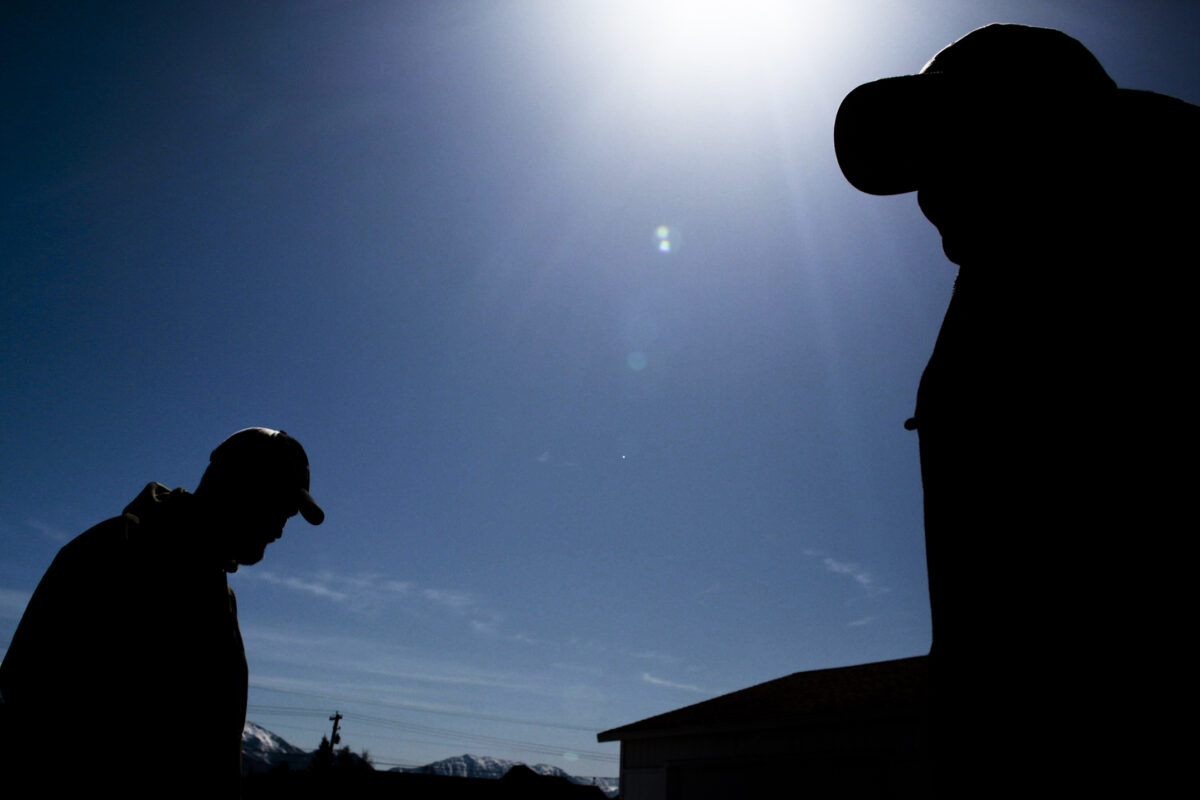
Bronson Webb, left, and Dane Dixon, right, stand near one of their barns at Dixon Mink Ranch on Tuesday, April 3, 2018, in Lehi.
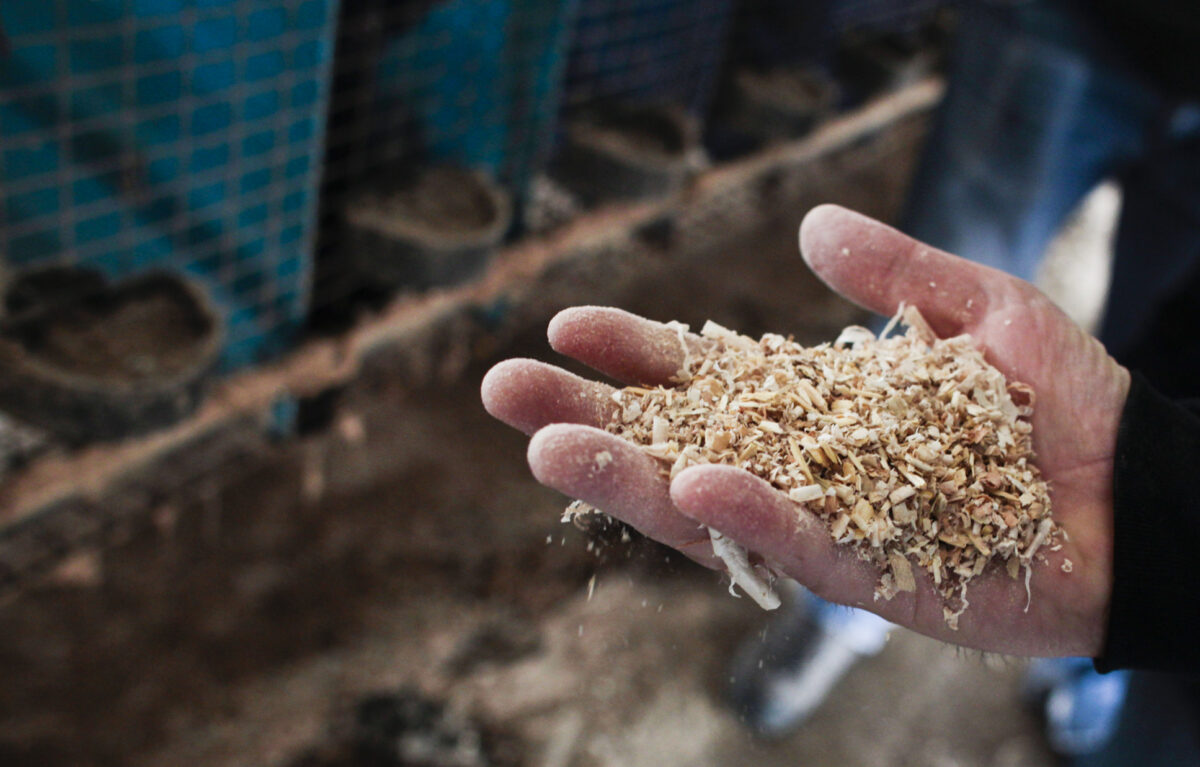
Dane Dixon picks up fresh sawdust to show what the mink bedding is made out of at the Dixon Mink Ranch on Tuesday, April 3, 2018, in Lehi.
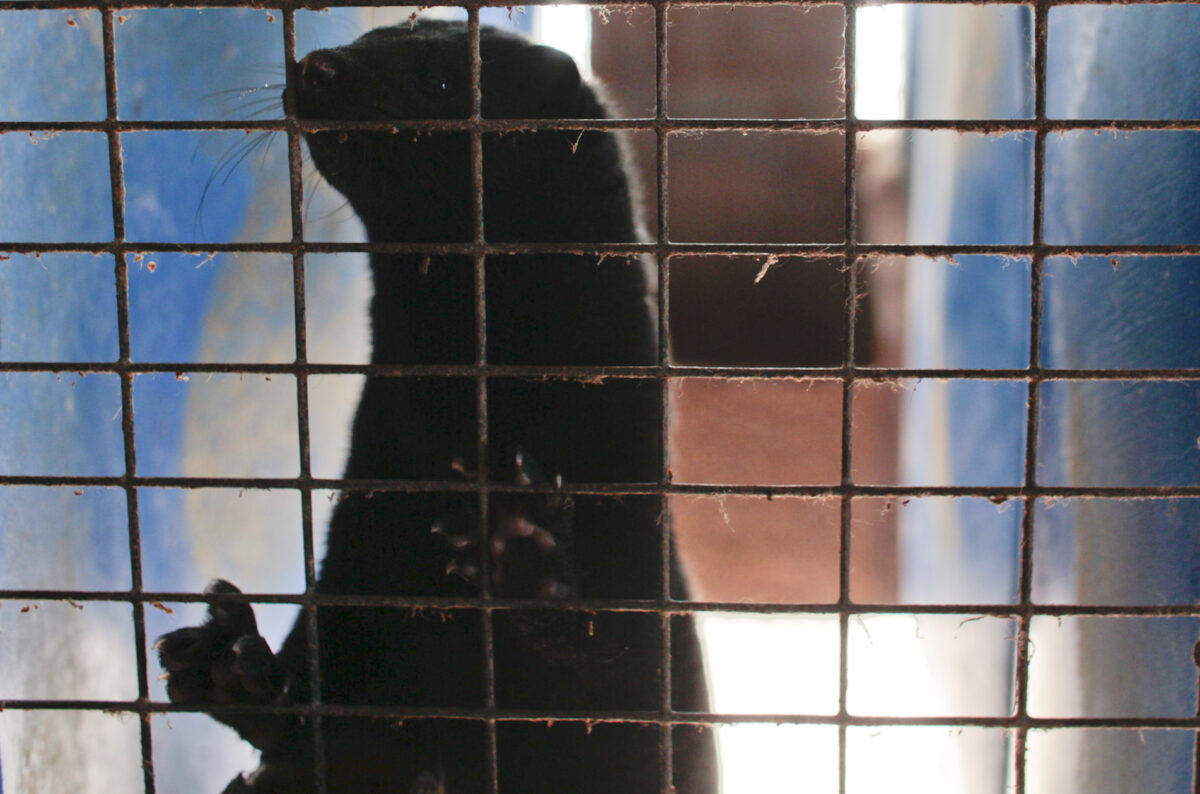
A mink peers out of its cage at the Dixon Mink Ranch on Tuesday, April 3, 2018, in Lehi.
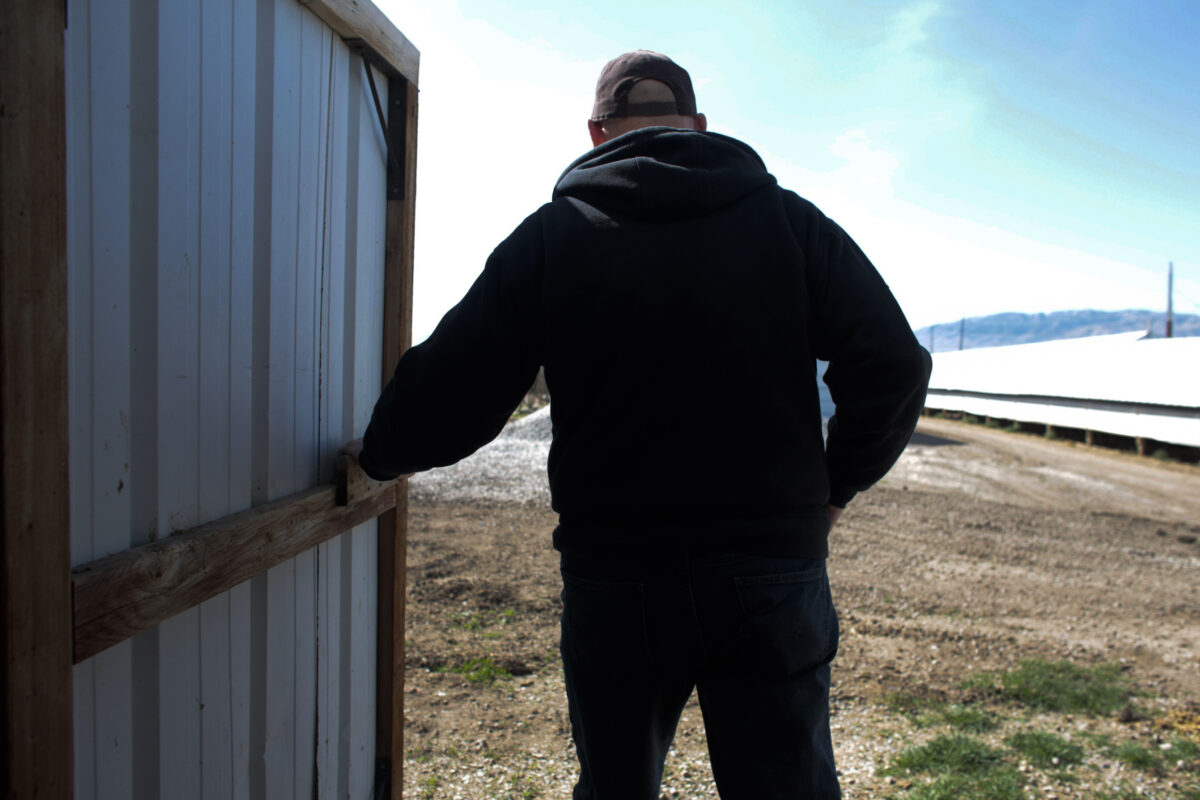
Dane Dixon exits one of the buildings at his farm on Tuesday, April 3, 2018, in Lehi.
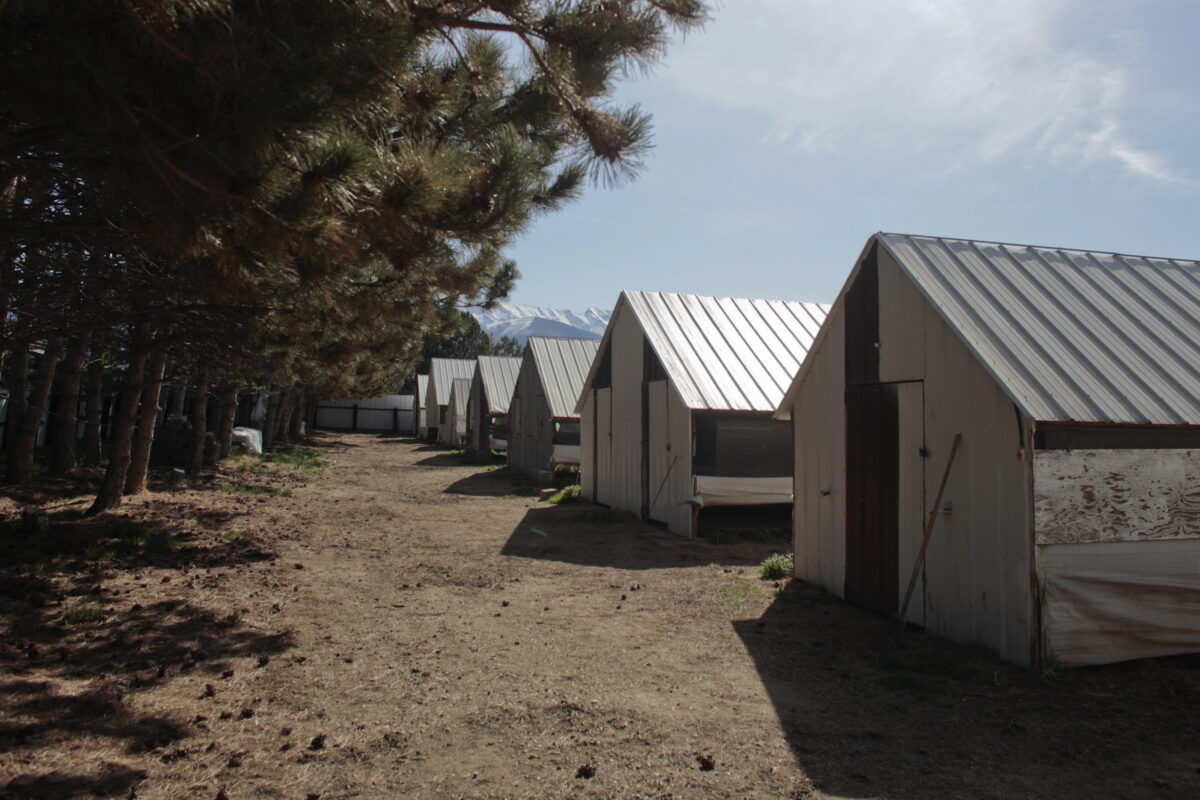
Buildings at the Dixon Mink Ranch are pictured on Tuesday, April 3, 2018, in Lehi.
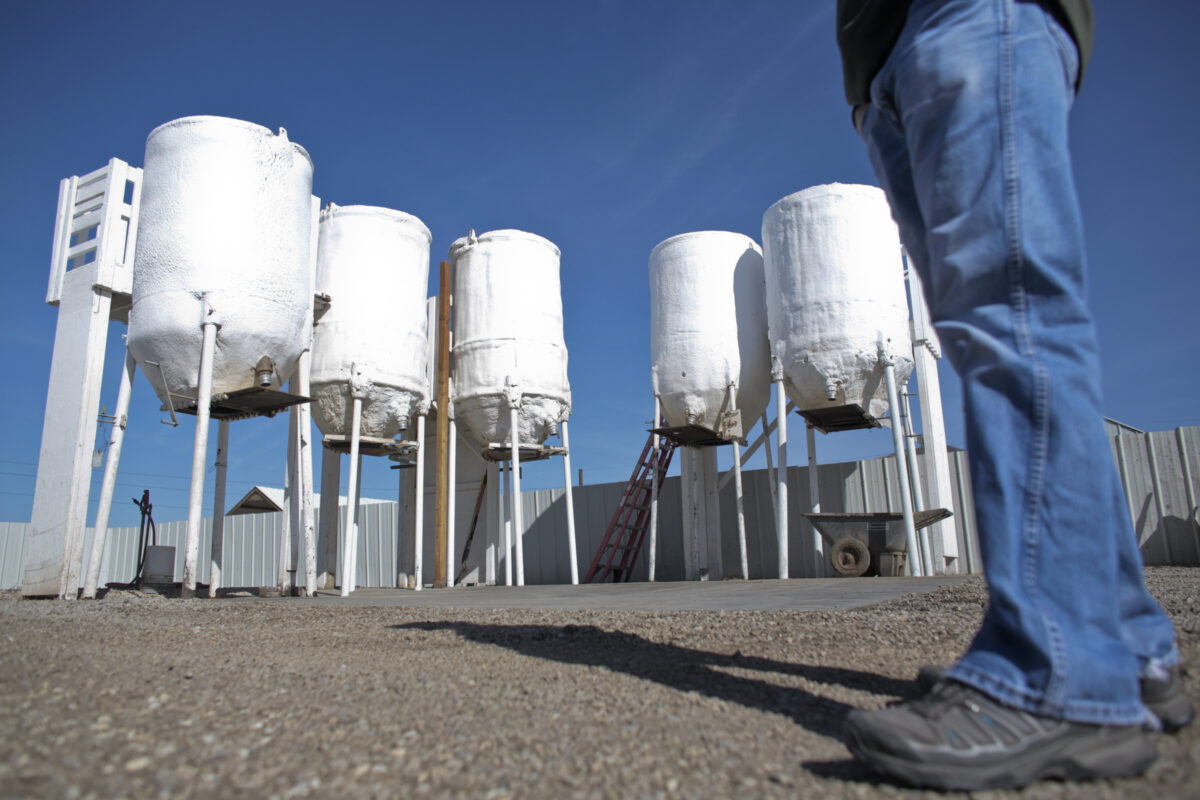
Bronson Webb stands next to feed tanks at the Dixon Mink Ranch on Tuesday, April 3, 2018, in Lehi.
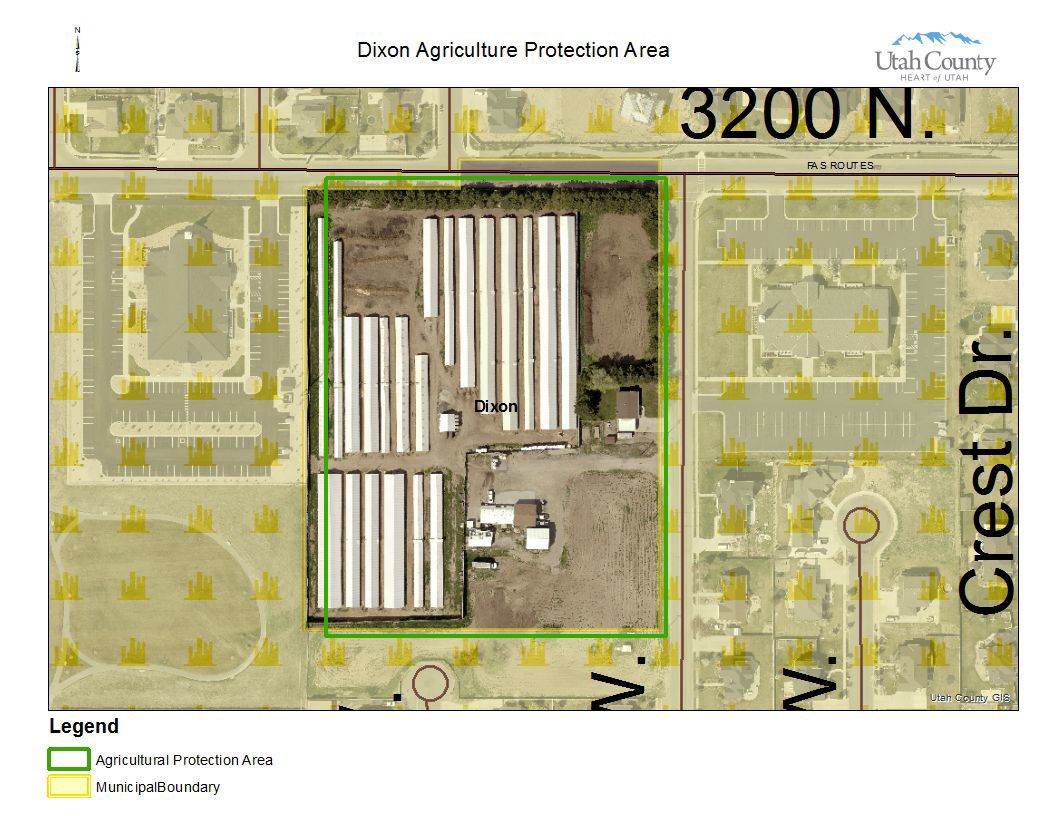
An aerial image showing the Dixon mink farm surrounded by residential dwellings.
The Dixon Mink Ranch in Lehi dropped its agricultural protection area status Tuesday, but will still continue to function as a mink farm.
The Dixons’ agricultural protection status came up for review this year, and was working its way through the county’s review process. Dane and Nadine Dixon, owners of the Dixon Mink Ranch, filed a petition May 29 to remove the mink farm land from being a designated agricultural protection area, and Utah County Commissioners approved this action Tuesday.
The Dixon mink farm, which sits on 10 acres of unincorporated Utah County land at 300 West and 3200 North in Lehi, is zoned agricultural, which permits the Dixons to run the mink farm regardless of agricultural protection status. Dane Dixon, a third-generation mink farmer, said in an interview at the farm April 3 that he originally pursued the agricultural protection status 20 years ago as a way to alert future neighbors they were moving in next to a farm.
“The signs were here for anyone who might move in. There are some inconveniences to living near a farm,” Dixon said.
Farmers do not need agricultural protection status to farm in Utah, but it was an additional layer adopted into Utah law in 1994. Some farmers pursue this in addition to operating their farms in designated agricultural zones. As County Commissioner Nathan Ivie explained Tuesday, this status protects agricultural interests from outside encroachment by growth and development, and unjustified nuisance complaints. He did not know why the Dixons opted to drop this extra layer of protection.
“The law was written to protect farmers from encroachment of neighbors, but it’s not working. It’s been more stress than it’s worth,” Nadine Dixon said by phone Tuesday after the meeting, when asked why they filed the petition. “And we don’t need it to continue farming.”
Dane Dixon said in April that the family has endured a lot of ire directed toward them during this review process and over the past few years as new subdivisions rose around their lot.
“It’s emotional and traumatic to go through something like this,” Dane Dixon said of the process.
When Dane Dixon purchased the farmland in 1986, the land was surrounded by farms owned by The Church of Jesus Christ of Latter-day Saints. County records indicate when the farm was first approved for agricultural protection status in 1998, only about 10 residential dwellings were located within a quarter-mile of the farm. Today that number is closer to 400.
“Twenty years ago, there wasn’t anything out here,” Dane Dixon said.
Before the new subdivisions went in, he tried to purchase more acreage from the LDS Church and nearby developers to create a larger buffer between the farm and residents, but was turned down. According to the U.S. Census Bureau, Lehi was the 11th fastest-growing large city nationally between 2015 and 2016. What was once a quiet farming town is now a magnet for high-tech companies along Silicon Slopes. Like other farms across the city, the Dixon’s farm is now an agricultural island in a sea of residential housing.
These new neighbors have complained of the smell and the summer flies brought on by the farm, and Dixon understands where they are coming from. He uses eight different types of fly control, commercial-grade pesticide and discs his fields to keep down the weeds. He does not stack fresh manure, but composts it on the property.
“I’m doing everything I possibly can do,” Dixon said.
Despite his new neighbors’ complaints though, Dixon is fully within his rights to continue his mink operations. Dixon Mink Ranch consistently passes all its inspections, has been certified humane and received multiple awards of merit through Fur Commission USA and the North American Fur Auctions. Michael Whelan, of the Fur Commission, said the Dixons operate their farm according to national standards, and have been doing so for decades.
“Their mink is world renown. For 50 years, the best black mink in the world has been coming out of Utah Valley,” Whelan said Tuesday. “The Dixons always have run a very good animal husbandry operation.”
According to a June 14, 2017 USDA report, Utah is the second largest producer of pelts behind Wisconsin. Utah mink farmers produced 768,000 pelts in 2016. While Wisconsin’s mink farms are larger and more commercial, Utah has more mink farms than any other state — the majority of which are family farms, Whelan said. Dixon works with many other mink farmers through Utah’s Fur Breeders Agricultural Co-op, and estimates there are at least 10 mink farms in northern Utah County.
Mink fur is used worldwide in clothing products, but the rest of the mink is also used in various other industries as well. Mink oil is used to protect and waterproof leather, in cosmetic uses and to produce bio-fuels, Dixon explained. The carcass is used as crab bait and in some dog food.
“Nothing goes to waste, everything is used,” Dixon said.
Dane Dixon, his children and grandchildren all work the farm, especially during the two-week mating season each spring. The Dixons lived in the brick home near the farm until 1998. They opted to move a mile down the street because they needed a bigger home, and the county would not permit building another home on the lot. Dixon children have lived in the small brick home throughout the years, and the home is currently rented to friends.
Though newer residents have called for them to move, the Dixons have no plans to relocate their farm. Dixon explained that they need to be on the feed route provided through the co-op, and current land prices make it almost impossible to find enough acreage along that route, which mostly follows the freeway.