Biologists survey Columbia spotted frogs in Diamond Fork Canyon
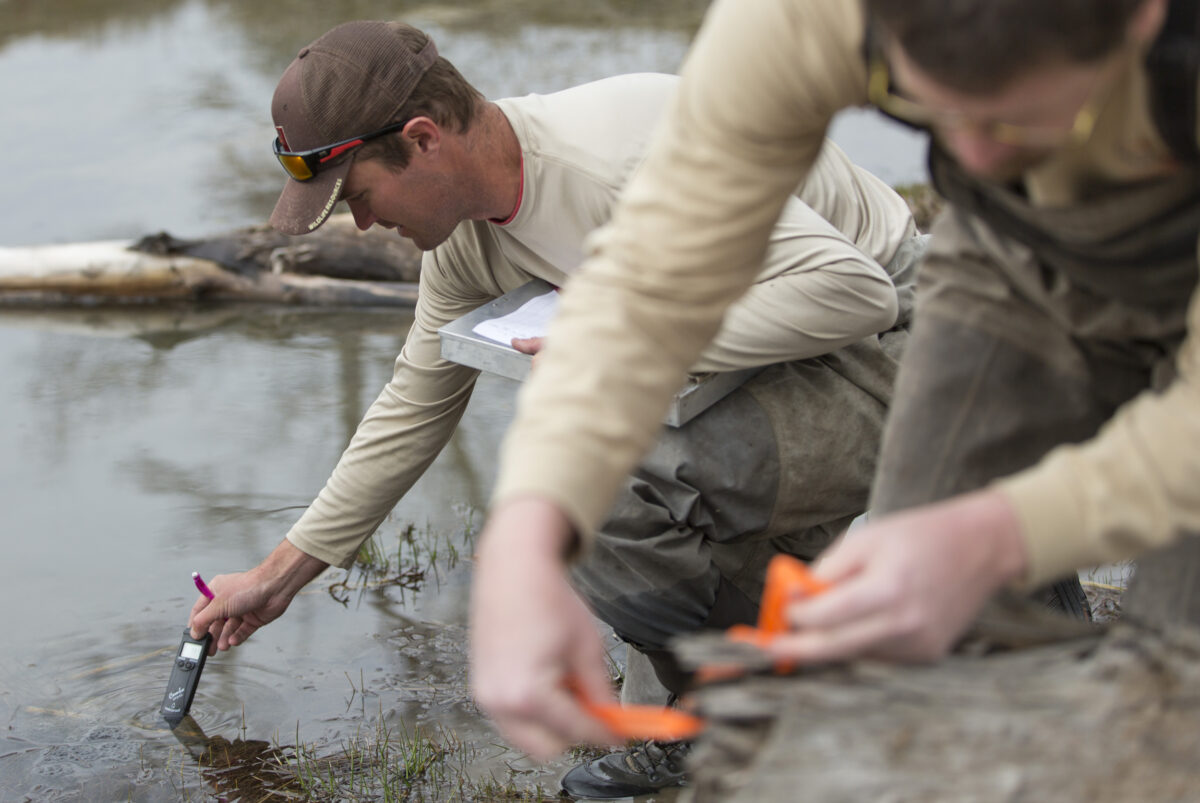
Jake Mecham, a native aquatics biologist for Utah's Division of Wildlife Resources, left, takes readings of the water as Keith Lawrence, the native aquatic project leader for Utah's Division of Wildlife Resources, marks the site where a mass of Columbia spotted frog egg were found during the survey in the Diamond Fork area for Columbia spotted frog egg masses on Tuesday, April 2, 2019.
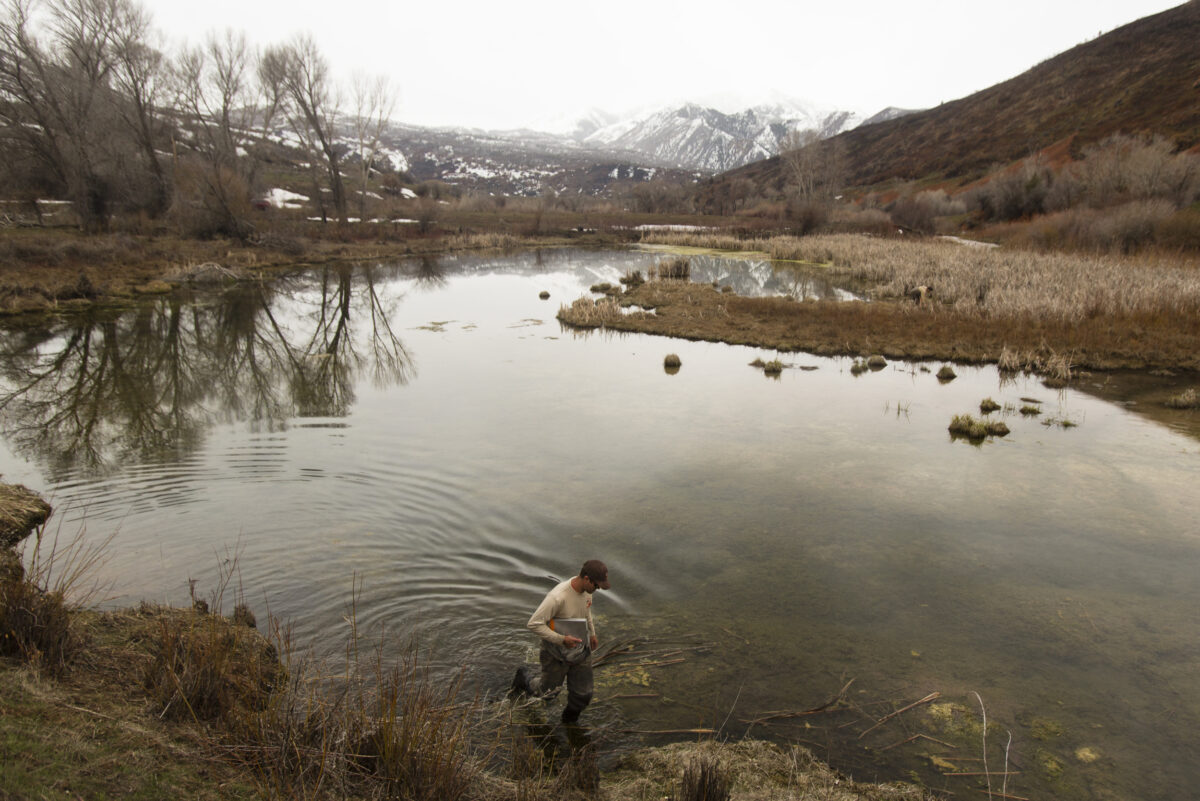
Jake Mecham, a native aquatics biologist for Utah's Division of Wildlife Resources, surveys a pond in the Diamond Fork area for Columbia spotted frog egg masses on Tuesday, April 2, 2019.
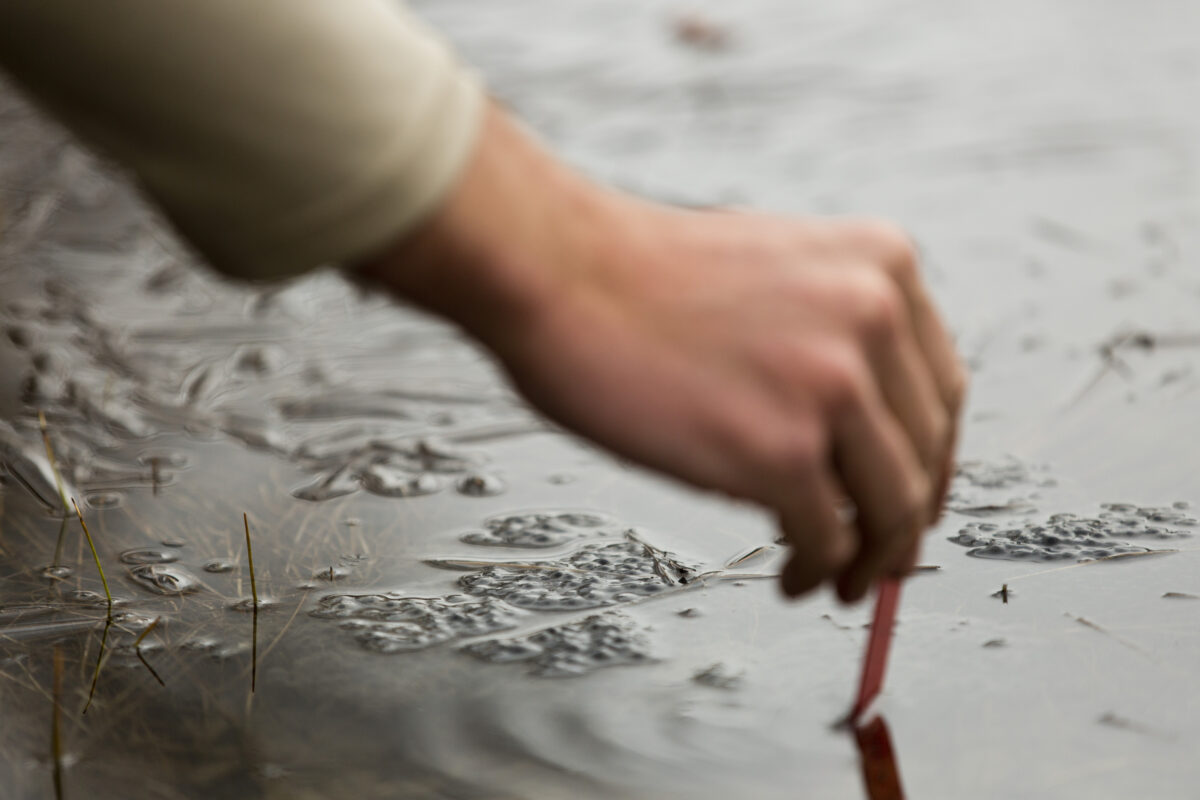
Jake Mecham, a native aquatics biologist for Utah's Division of Wildlife Resources, takes a measurement of the depth of water that a mass of Columbia spotted frog eggs were found during a survey of ponds in the Diamond Fork Canyon for Columbia spotted frog egg masses on Tuesday, April 2, 2019.
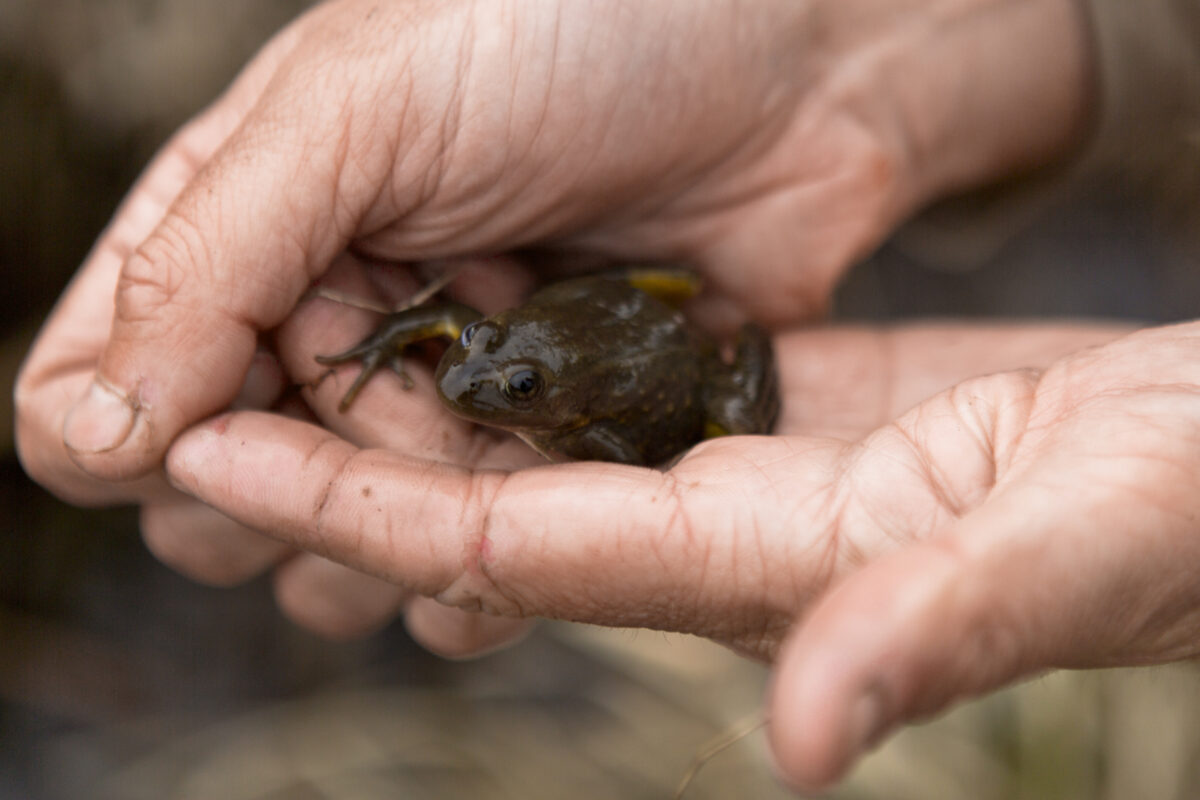
Jake Mecham, a native aquatics biologist for Utah's Division of Wildlife Resources, holds a Columbia spotted frog during a survey of ponds in the Diamond Fork Canyon for Columbia spotted frog egg masses on Tuesday, April 2, 2019.
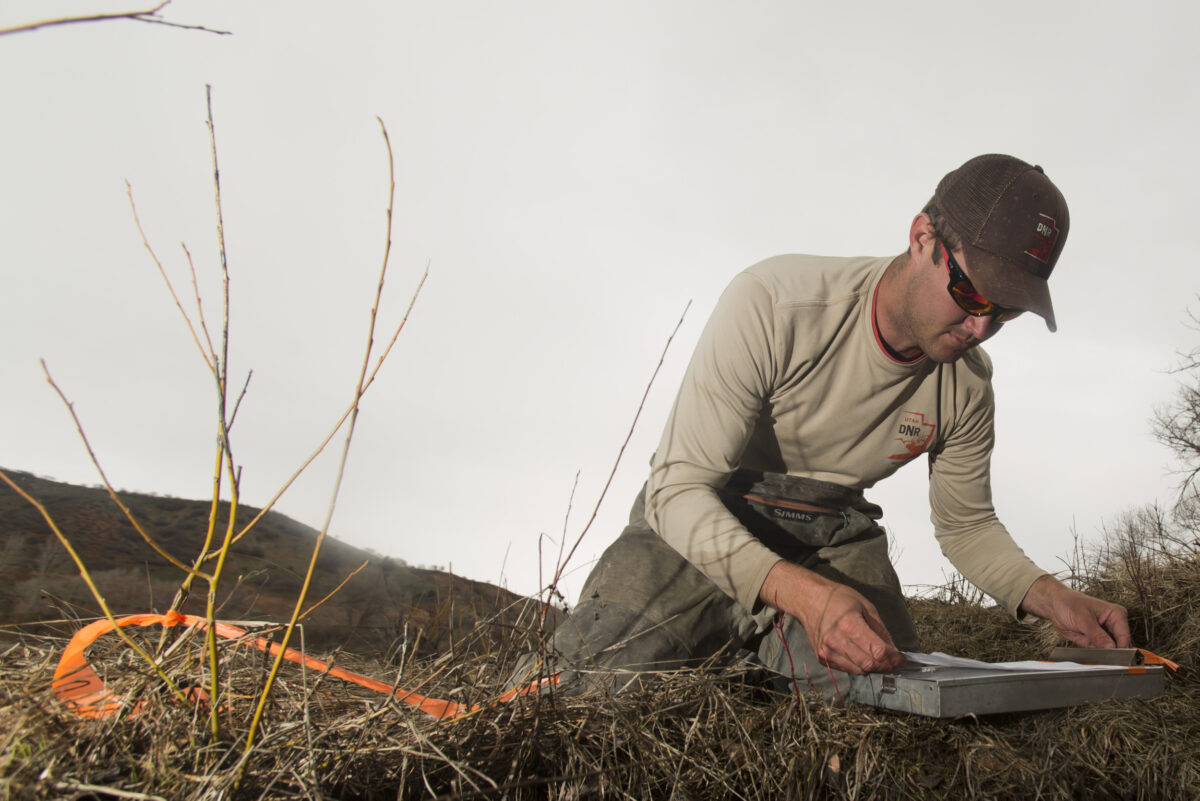
Jake Mecham, a native aquatics biologist for Utah's Division of Wildlife Resources, records the site information for where a mass of Columbia spotted frog eggs were found during a survey of ponds in the Diamond Fork Canyon for Columbia spotted frog egg masses on Tuesday, April 2, 2019.
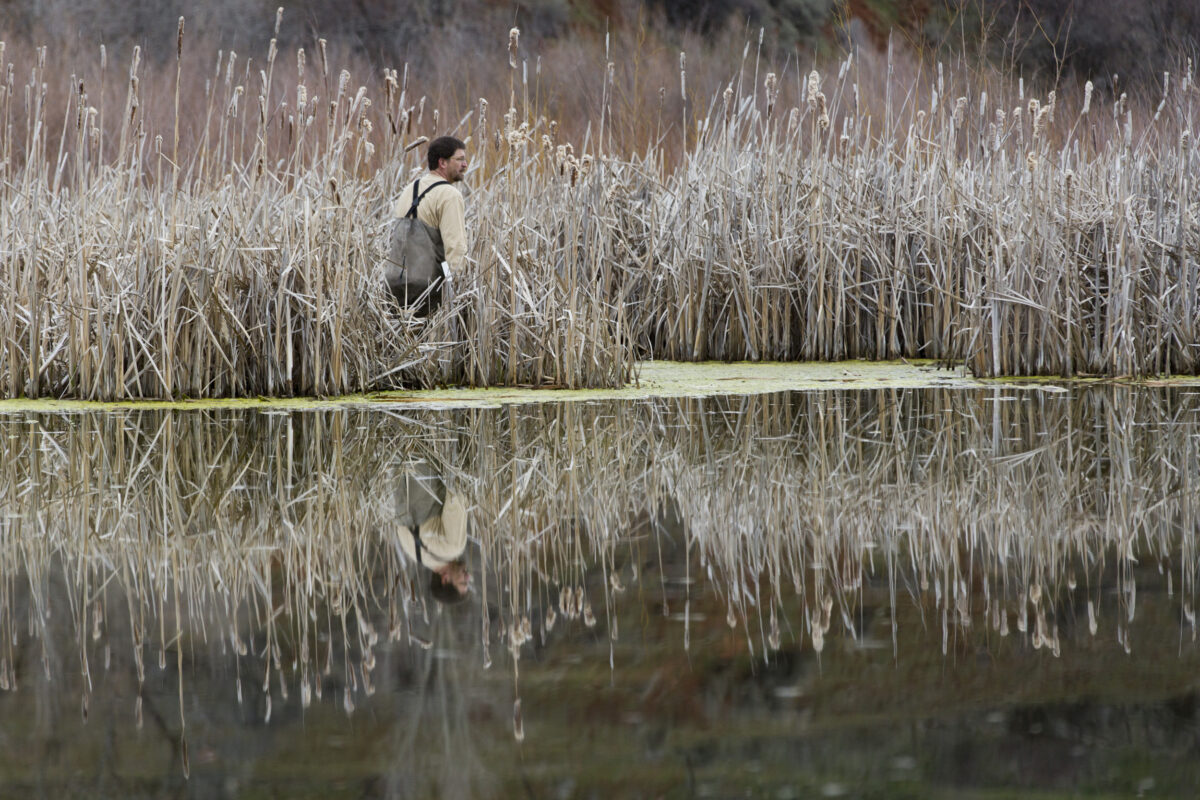
Keith Lawrence, the native aquatic project leader for Utah's Division of Wildlife Resources, surveys a section of a pond in the Diamond Fork Canyon for Columbia spotted frog egg masses on Tuesday, April 2, 2019.
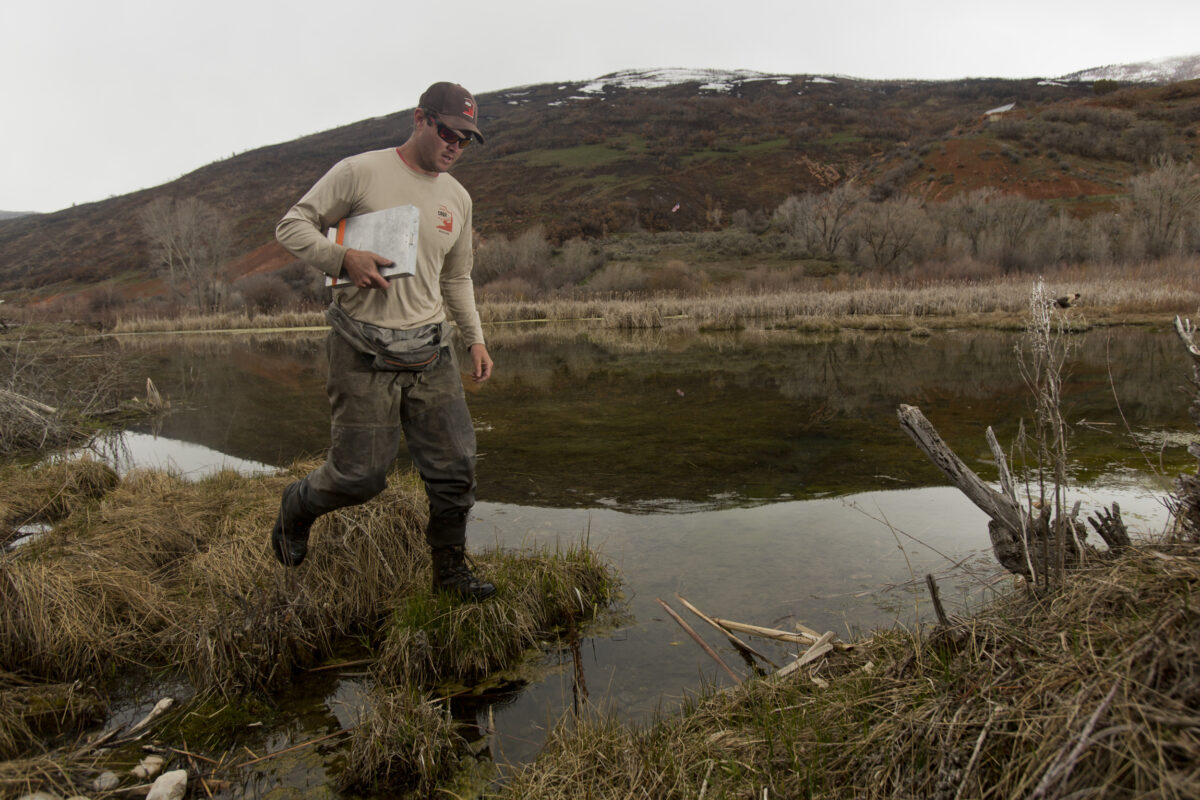
Jake Mecham, a native aquatics biologist for Utah's Division of Wildlife Resources, surveys a section of a pond in the Diamond Fork Canyon for Columbia spotted frog egg masses on Tuesday, April 2, 2019.
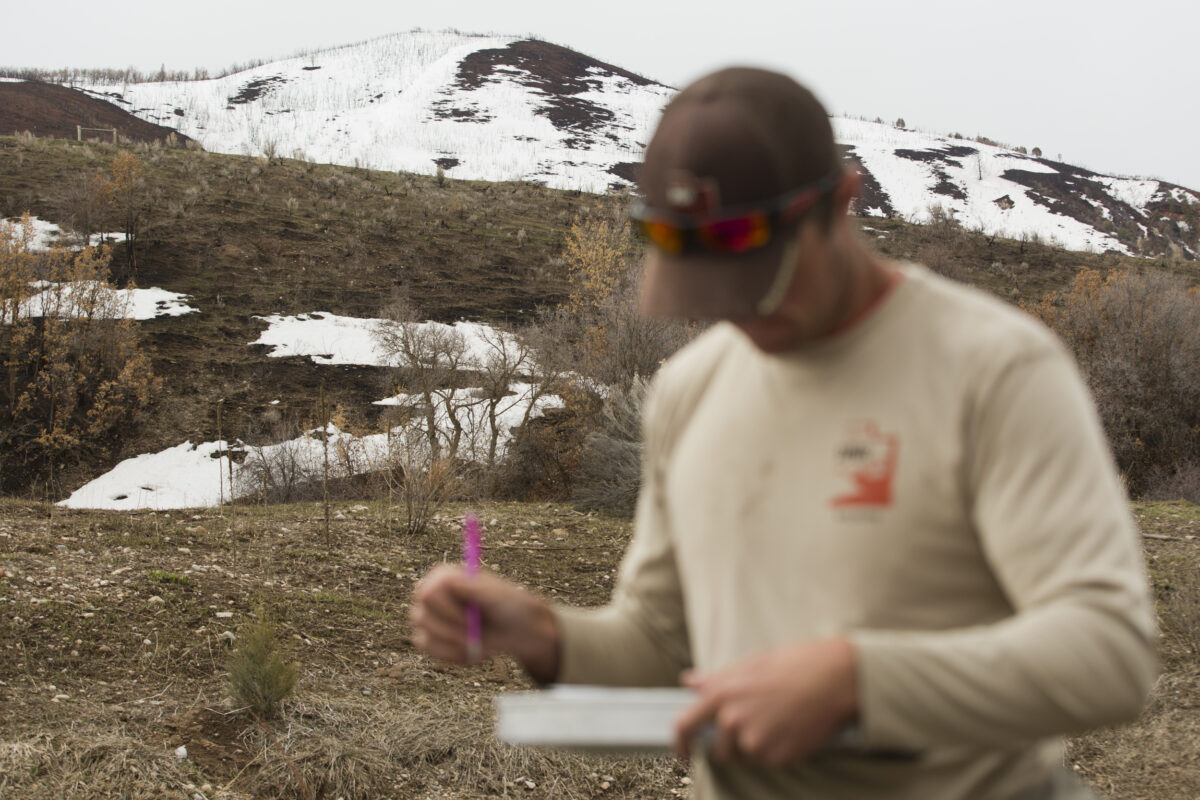
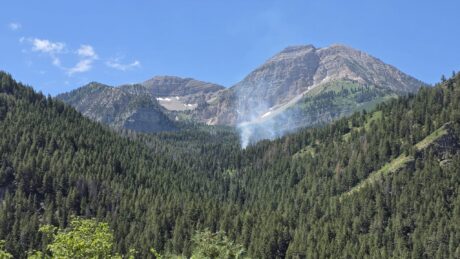
A section of burned area is pictured near the site of the ponds where Keith Lawrence and Jake Mecham were surveying for Columbia spotted frog egg masses in the Diamond Fork Canyon for Columbia spotted frog egg masses on Tuesday, April 2, 2019.
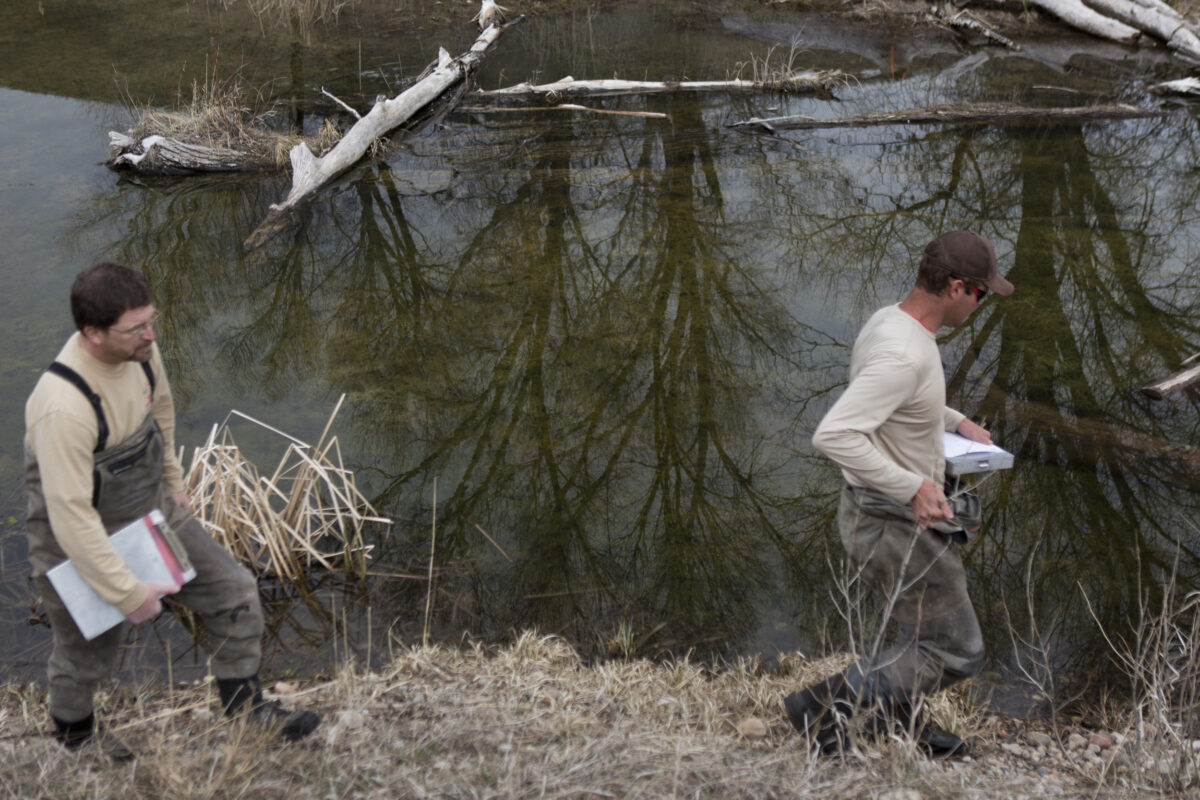
Keith Lawrence, the native aquatic project leader for Utah's Division of Wildlife Resources, left, and Jake Mecham, a native aquatics biologist for Utah's Division of Wildlife Resources, right, survey a pond in the Diamond Fork Canyon for Columbia spotted frog egg masses on Tuesday, April 2, 2019.
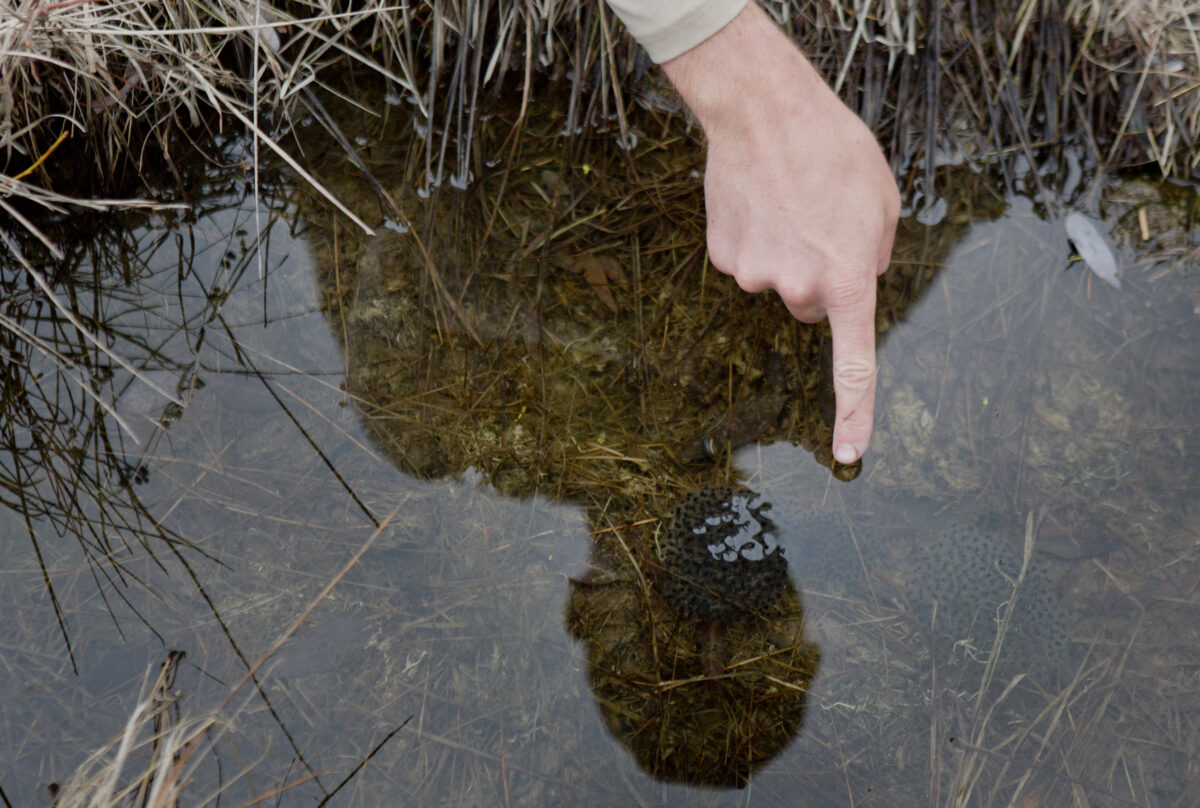
Jake Mecham, a native aquatics biologist for Utah's Division of Wildlife Resources, points out the Columbia spotted frog egg masses during a survey of ponds in the Diamond Fork Canyon on Tuesday, April 2, 2019.
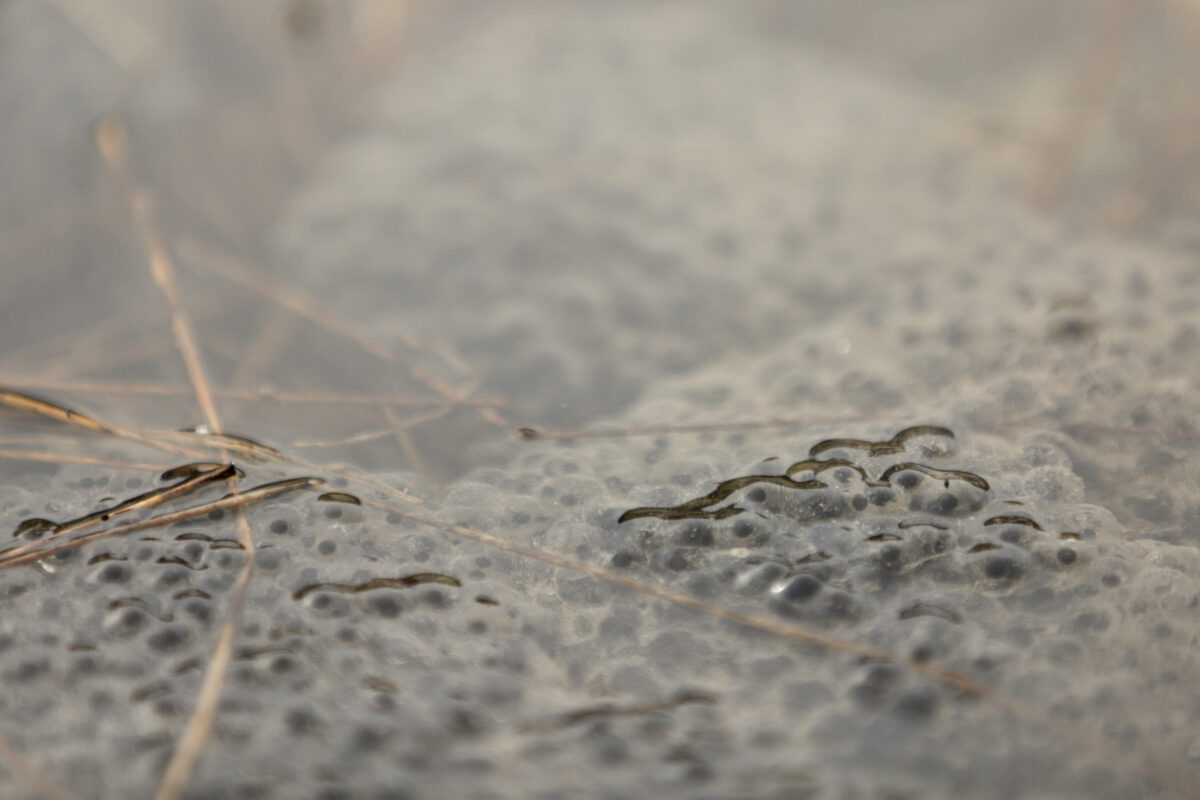
Columbia spotted frog egg masses are pictured in a pond in the Diamond Fork Canyon on Tuesday, April 2, 2019.
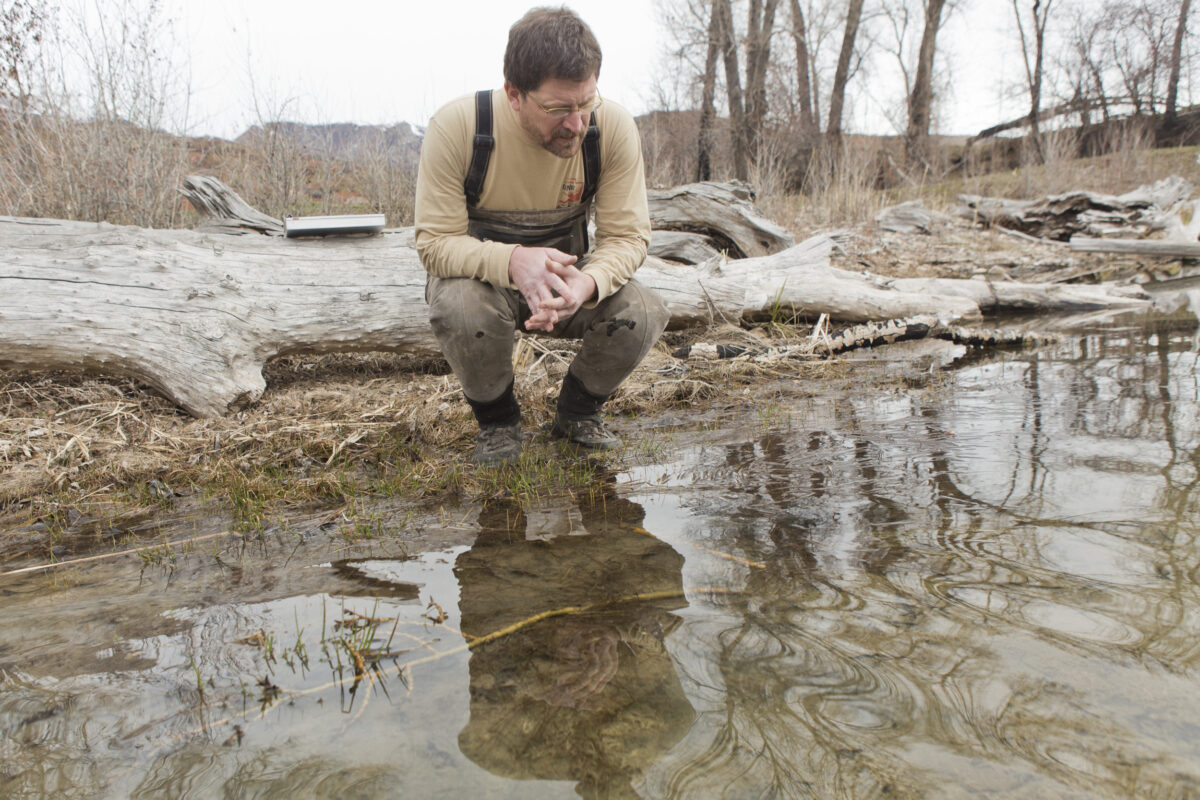
Keith Lawrence, the native aquatic project leader for Utah's Division of Wildlife Resources, examines a mass of Columbia spotted frog eggs in a pond in the Diamond Fork Canyon on Tuesday, April 2, 2019.
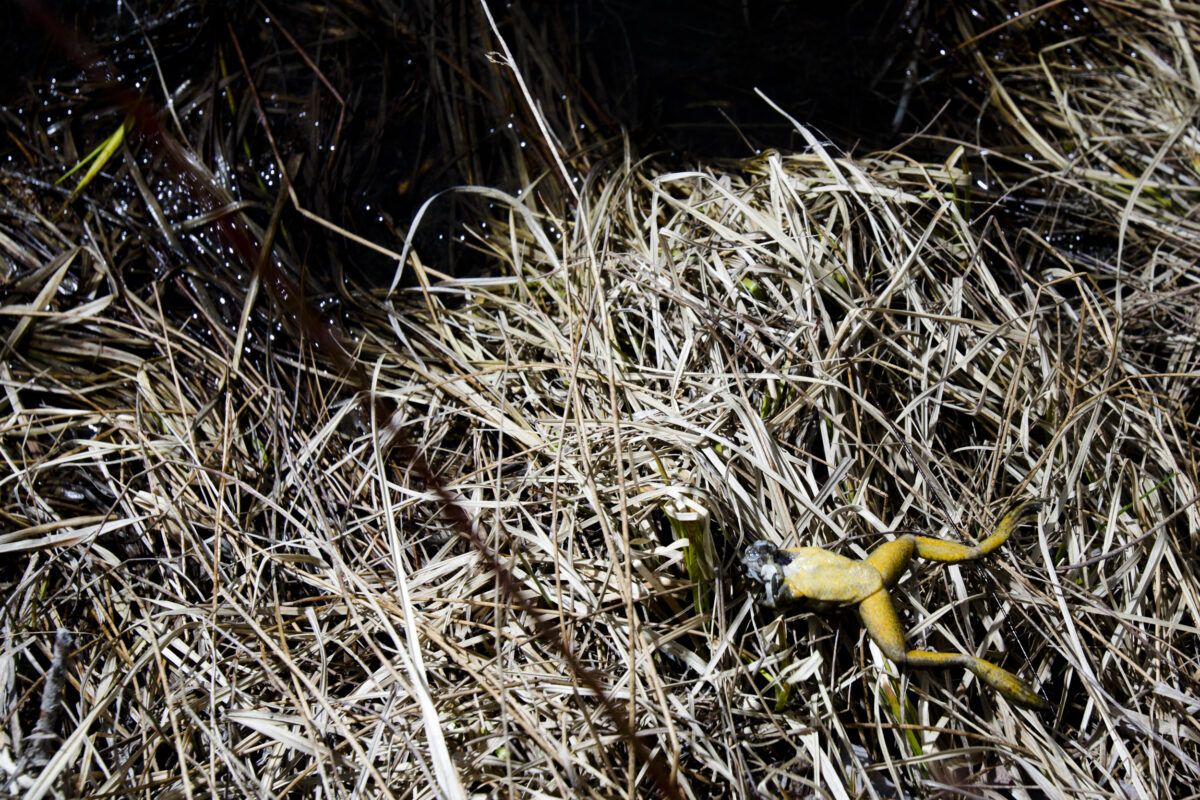
A partially consumed Columbia spotted frog is pictured next to a pond in the Diamond Fork Canyon on Tuesday, April 2, 2019.
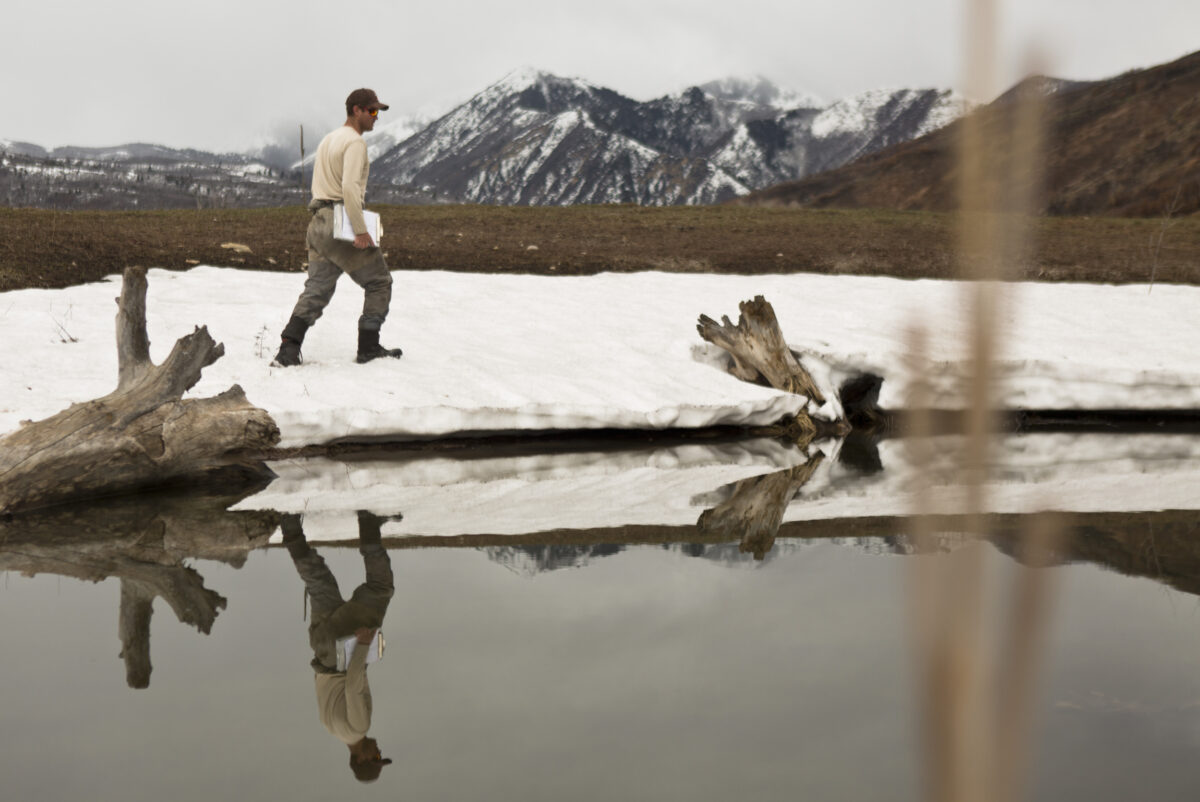
Jake Mecham, a native aquatics biologist for Utah's Division of Wildlife Resources, surveys a section of a pond in the Diamond Fork Canyon for Columbia spotted frog egg masses on Tuesday, April 2, 2019.
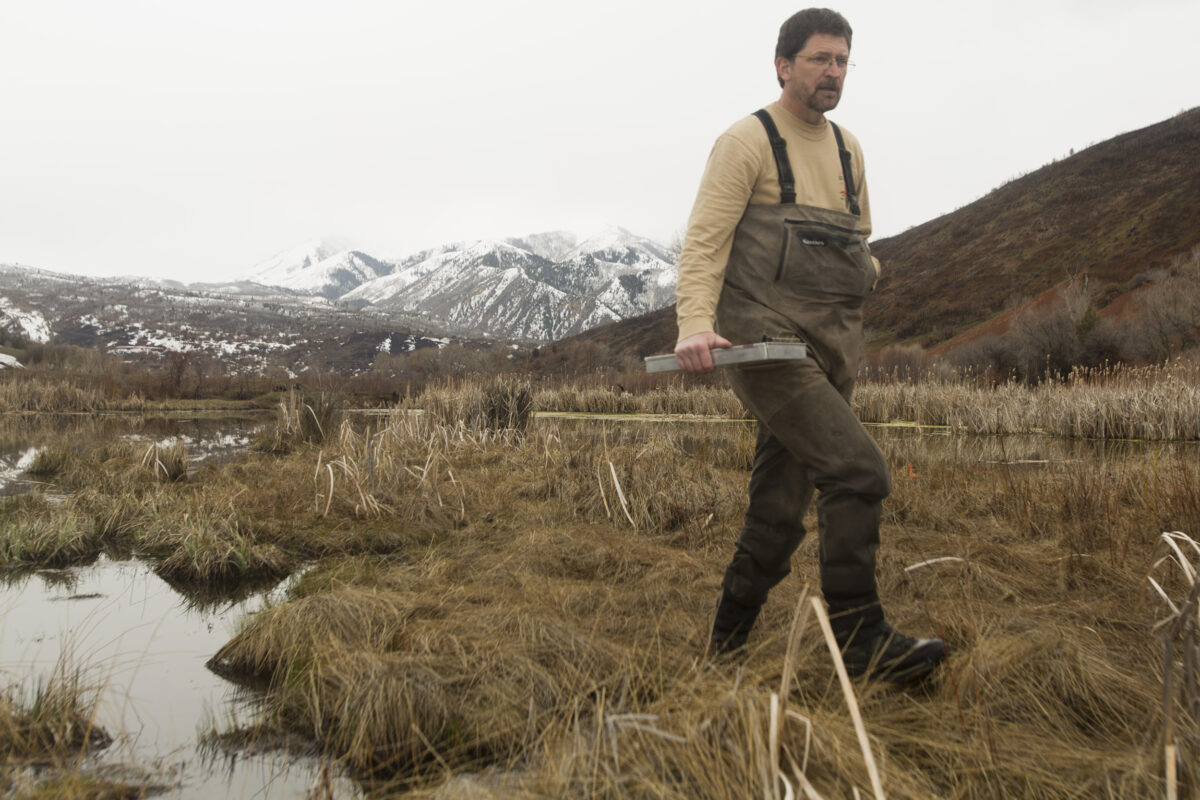
Keith Lawrence, the native aquatic project leader for Utah's Division of Wildlife Resources, surveys a section of a pond in the Diamond Fork Canyon for Columbia spotted frog egg masses on Tuesday, April 2, 2019.
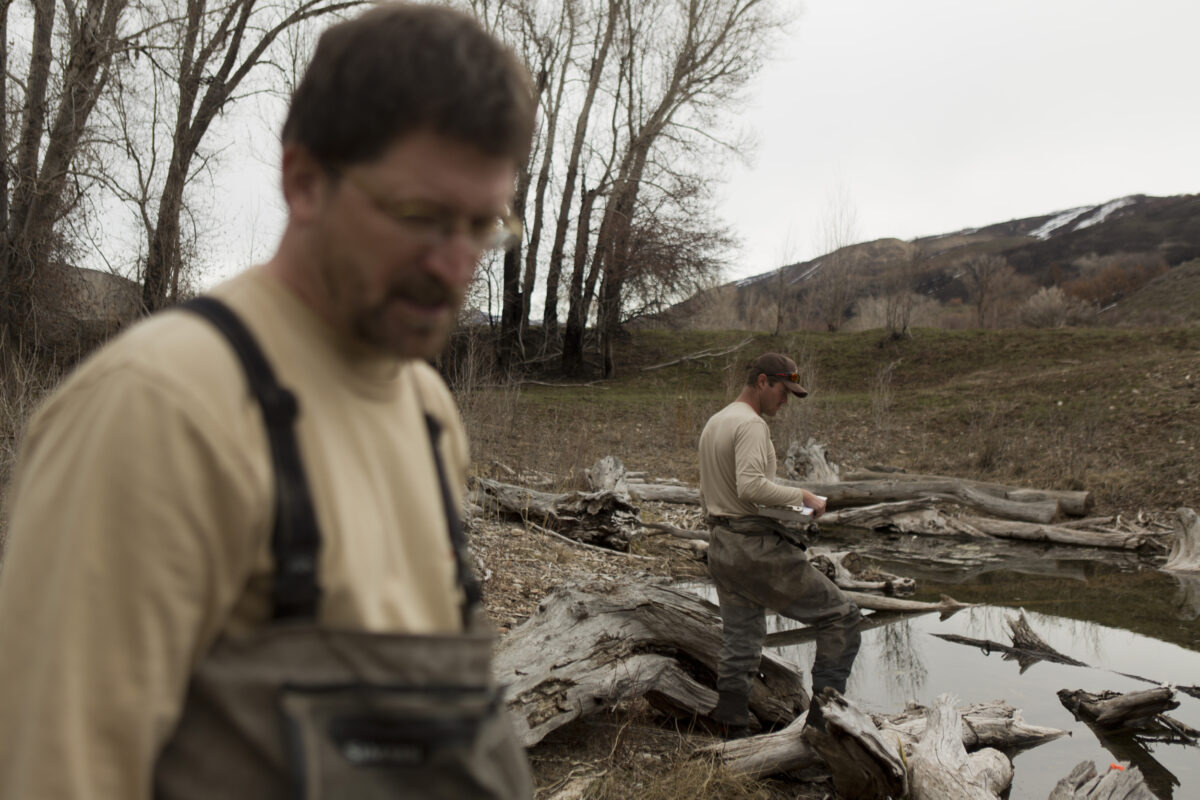
Keith Lawrence, the native aquatic project leader for Utah's Division of Wildlife Resources, left, and Jake Mecham, a native aquatics biologist for Utah's Division of Wildlife Resources, right, survey ponds in the Diamond Fork Canyon for Columbia spotted frog egg masses on Tuesday, April 2, 2019.
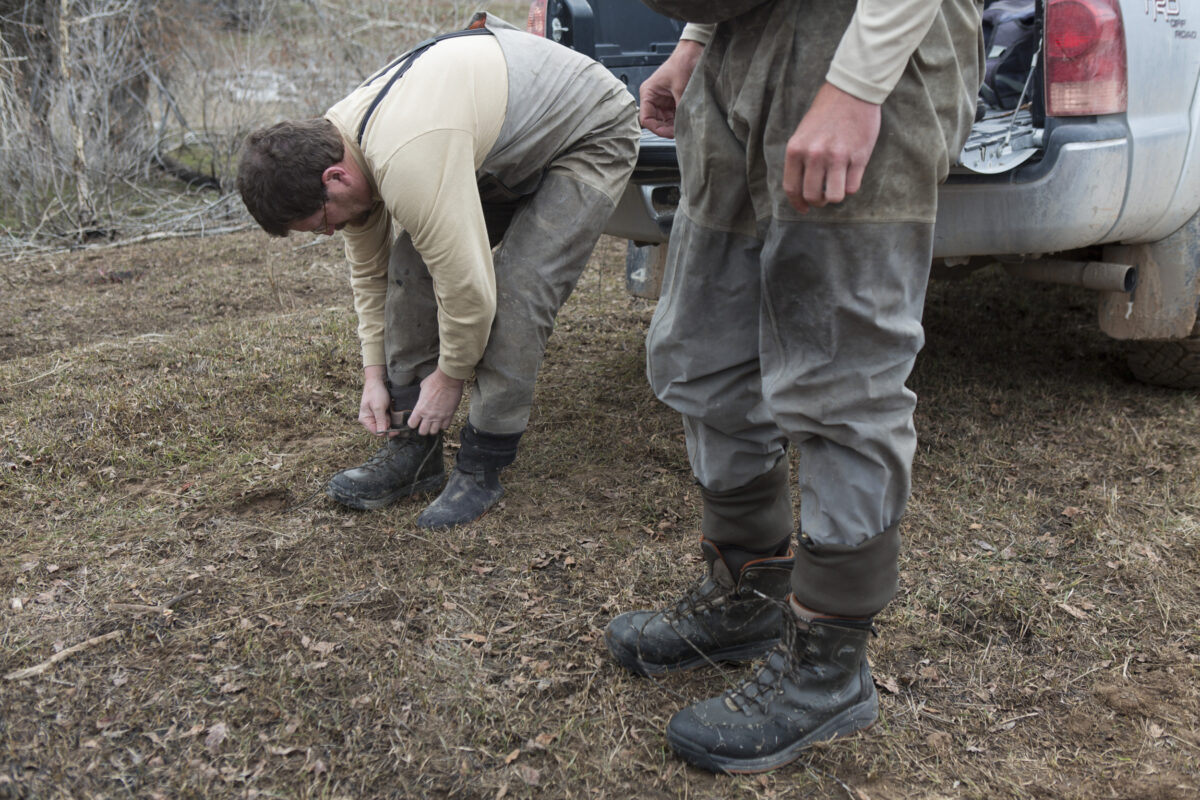
Keith Lawrence, the native aquatic project leader for Utah's Division of Wildlife Resources, left, and Jake Mecham, a native aquatics biologist for Utah's Division of Wildlife Resources, right, prepare to survey ponds in the Diamond Fork Canyon for Columbia spotted frog egg masses on Tuesday, April 2, 2019.
As Keith Lawrence slowly made his way around a shallow pond in Diamond Fork Canyon, he joked that the activity was like an Easter egg hunt.
While finding eggs was indeed the goal of the outing, these particular eggs weren’t filled with candy or treats, but rather the embryos of the Columbia spotted frog, which biologists carefully track due to it being a sensitive species.
The frog was first designated as a candidate for listing under the Endangered Species Act in 1993, according to the U.S. Fish and Wildlife Service website. In 1998, a conservation agreement involving more than six federal and state agencies looked to remove or alleviate threats to spotted frog populations in parts of Utah so that federal protection of the species would not be necessary. It was taken off the candidate list in 2002, though it is still on the Utah Sensitive Species list.
Lawrence, the native aquatic project leader for the Central Region of the Utah’s Division of Wildlife Resources, along with native aquatic biologist Jake Mecham, spend the early spring surveying the frog’s populations along the Wasatch Front and in Utah’s West Desert. Spotted frogs breed early in the season, and are the first of several species the biologists start tracking in the spring.
Despite conservation efforts over the years, right now the frog’s populations are kind of in a lull in the area, Lawrence said. While not the lowest numbers ever seen, the last time spotted frog numbers were lower was before some of the habitat restoration work had been done to help restore the species. The approximately 60 egg masses found last year paled in comparison to the approximately 200 egg masses Lawrence said they found in about 2011.
The adult frogs are difficult to catch or tag, as they spend much of their time hiding out, their brown/green spotted backs expertly camouflaging them. The easiest way for biologists to get an idea of the frogs’ habitats is to track their floating egg masses, about the size of a baseball and containing up to 1,000 eggs apiece. To spot the eggs, Lawrence and Mecham stick close to the shore of a series of ponds on private land in Diamond Fork Canyon. The frogs prefer shallow water to lay their eggs, without too much plant life blocking the sun.
As each of the egg masses is spotted, Mecham or Lawrence write data down on a sheet and mark the area with orange tape, so they don’t count the same egg masses next time they come out.
Once they get a total egg-mass count at the end of the season, the biologists roughly double the number of egg masses to get an estimate for how many adult frogs live in the area.
“We basically get an idea of the population size thinking one female, one male per egg mass,” Mecham said. “So you can kind of take your total egg mass count and double that. It gives you a rough idea of how many frogs you have. That’s kind of the purpose (of the survey). How is the population doing? Is it declining? Is it stable?”
While its habitat ranges from Alaska though Canada and into Washington, Idaho, Wyoming and Montana, isolated populations of the spotted frog are found in Utah along the Wasatch Front and Utah’s West Desert.
Local News

First look: The Church of Jesus Christ of Latter-day Saints releases rendering of Spanish Fork Utah Temple

Springville murder suspect allegedly sent threatening messages before stabbing