Alpine family saves historic printing museum
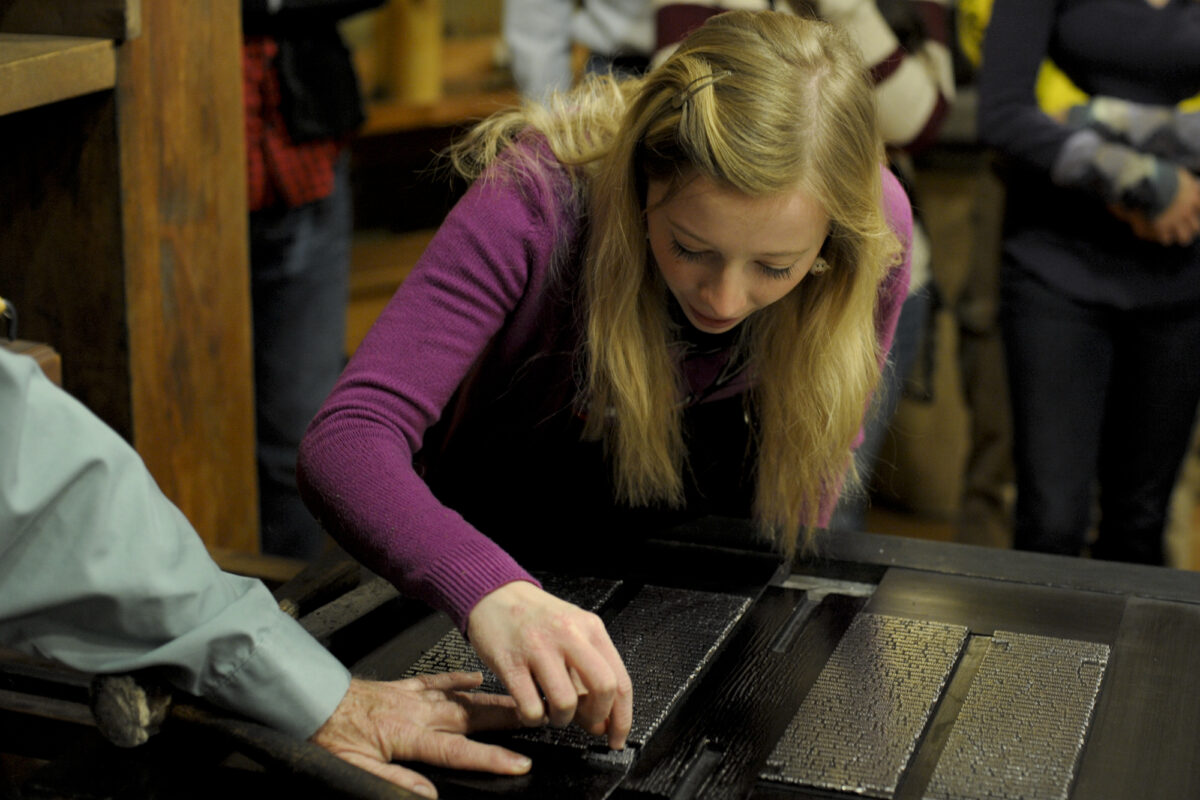
Jennifer Egan, of Houston, Texas, feels the metal letters used for printing in a Gutenberg Press at the Crandall Historical Printing Museum in Provo on Friday, Nov. 21, 2014. IAN MAULE, Daily Herald
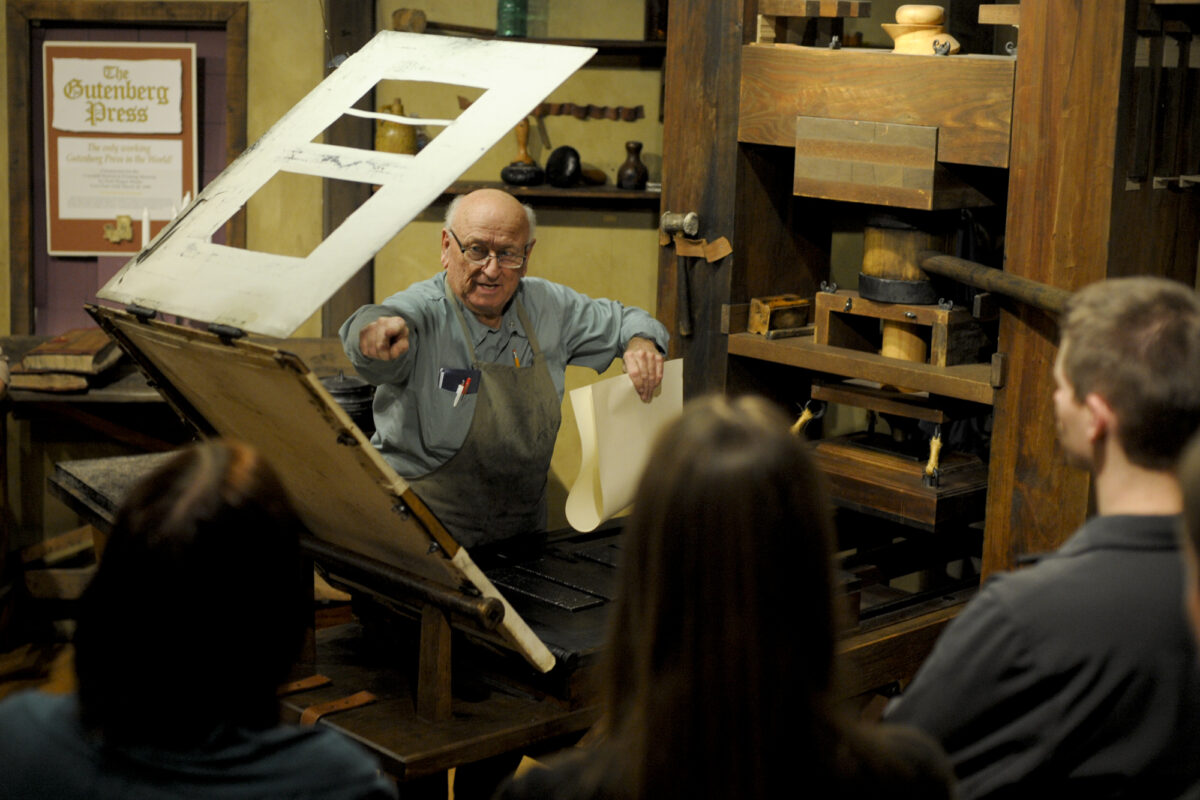
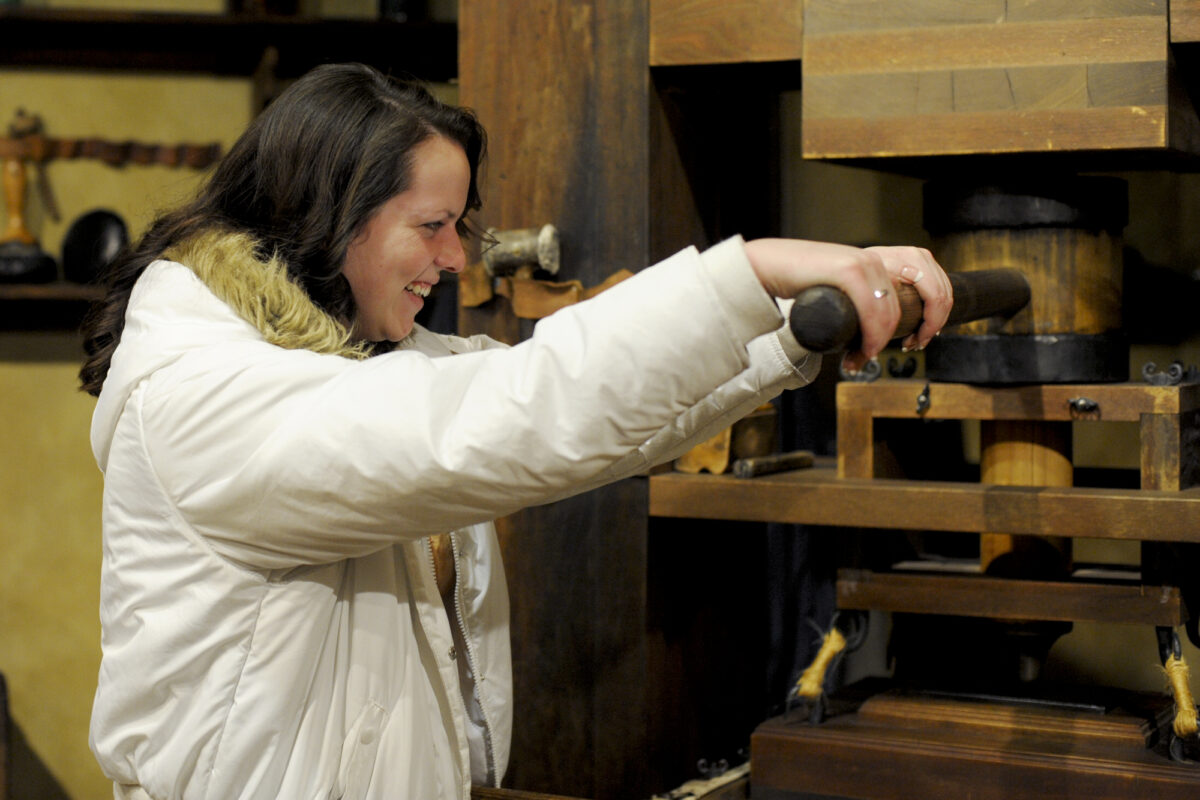
Shanna Clayton, of Provo, attempts to move a lever on a Gutenberg Press at the Crandall Historical Printing Museum in Provo on Friday, Nov. 21, 2014. IAN MAULE, Daily Herald
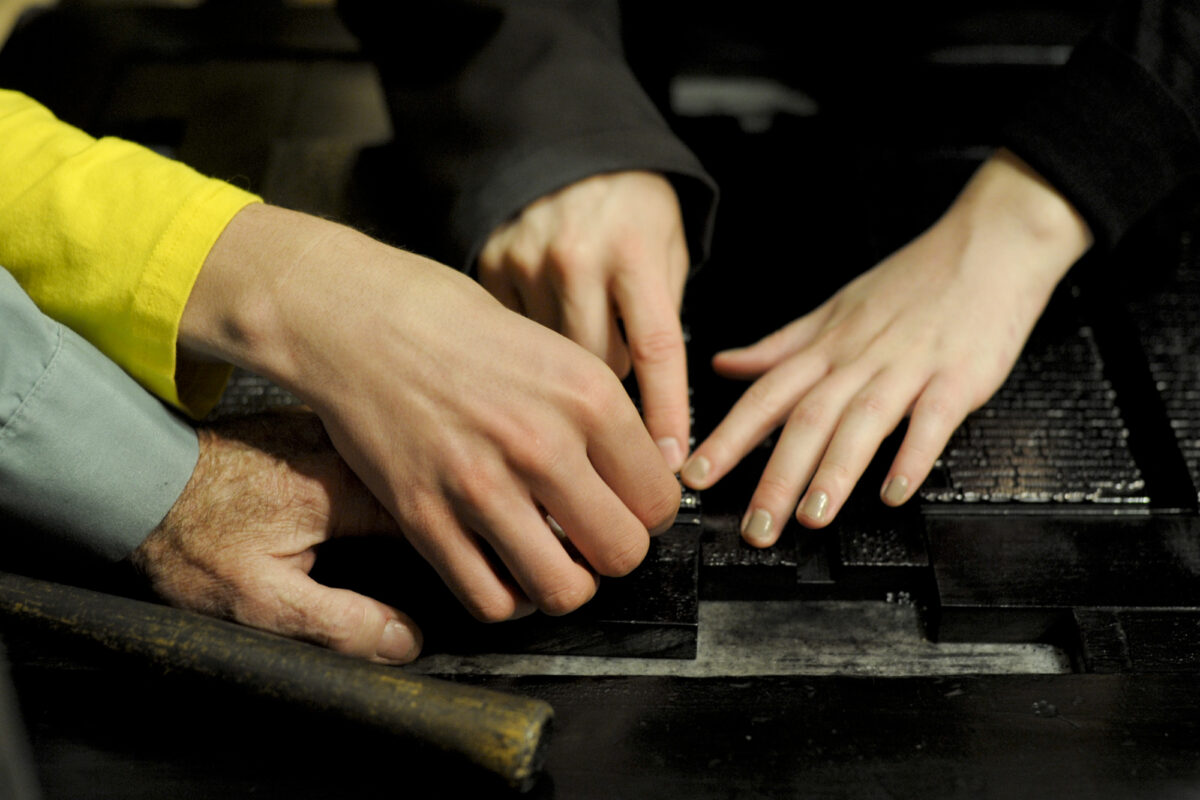
BYU students feel the metal letters used for printing in a Gutenberg Press at the Crandall Historical Printing Museum in Provo on Friday, Nov. 21, 2014. IAN MAULE, Daily Herald
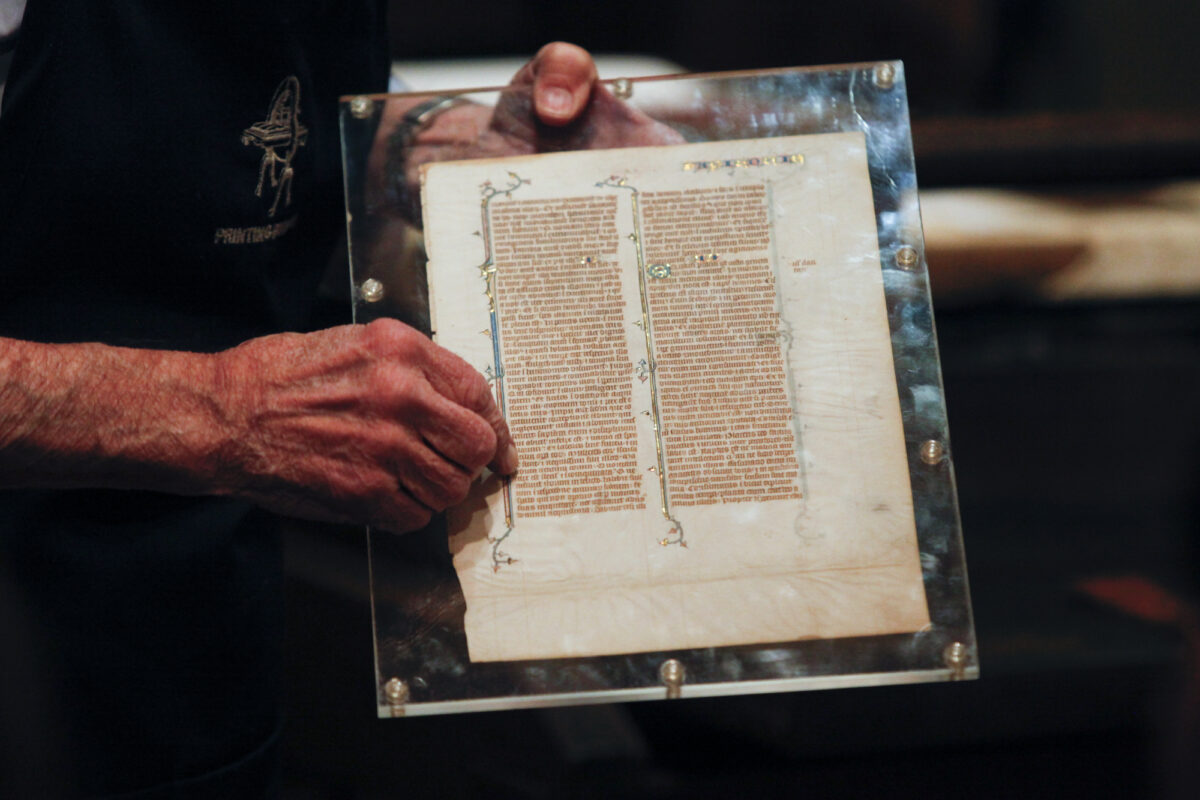
Louis E. Crandall shows a page from the first Bible printed by Johannes Gutenberg to a tour group at the Crandall Historical Printing Museum in Provo on Friday, Nov. 21, 2014. IAN MAULE, Daily Herald
The Crandall Historic Printing Museum, a mainstay of Provo for 21 years, is officially moving to Alpine under new ownership after a years-long struggle to stay afloat.
The museum was originally the brainchild and passion project of Louis Eugene Crandall, or “Lou,” who sunk nearly every dime he owned into making it the most complete printing museum in the world. And he succeeded — he even received a letter of recognition from the Smithsonian declaring it the only complete printing museum in the world — but he also succeeded in creating a massive debt, around $100,000 or more.
When Louis Crandall Sr. died almost three years ago at the age of 87, he left the museum in the hands of his five children, along with the enormous debt. Louis Crandall Jr. has been doing his best to run the museum for the past three years from where he lives in St. George, with the help of his siblings, none of whom live locally either. He said he prayed every day since that God would send someone to buy the museum and take it over.
“My father’s left us in debt as a family, and (I’ve) moved to St. George, and everybody’s wondering what’s going to happen to the museum,” Crandall said. “It was just killing me. So one day I get a call from a man named Royal Skousen.”
Royal Skousen is a linguistics professor at BYU and sometimes would take groups of students to the printing museum for a tour. He had previously worked with Crandall to help repair a broken linotype machine, a repair that cost $1,200 to fix. At first, Crandall thought the machine would just have to stay broken, until Skousen and an unknown mystery student donated the funds to have it fixed.
According to Crandall, after he had told Skousen about his difficulties, Skousen told him he currently had a student in his class, a wealthy, older woman working for her degree, who might be able to help out.
The linotype machine was fixed thanks to Skousen and the mystery donor, but Crandall was still up to his ears in hundreds of thousands of dollars in debt. Not too long after the linotype machine was fixed, however, Crandall got another call from Skousen. According to Crandall, Skousen had a follow-up conversation with the mystery student about the museum.
“He goes, ‘(This student) was in my office one day … and she asks me, what’s wrong with the Crandall Printing Museum? Why are they hurting?'” Crandall said. Skousen told her about the debt, Crandall said, to which she allegedly responded, “I’ll buy it.”
“I fell to the floor, in a puddle of tears. My prayers were answered,” Crandall said.
Just a few months later, in December, Crandall finally met with the mysterious buyer: Amy Johnson, daughter of famed cartoonist Charles Schulz.
Crandall expressed he feels like it was the working of angels — specifically, his own dad and Schulz in heaven — that brought them together. His own father, Crandall said, was a talented cartoonist, who people often compared to Schulz.
“I really believe that Charles Schulz and Louis Crandall Sr. are in heaven, saying, ‘My daughter has the wherewithal, and my son has the knowledge. My son has no money as a teacher, my daughter does have money, let’s get them together. And let’s take care of this museum,'” Crandall said. “And that’s just what happened. And I just love the Johnsons for doing it.”
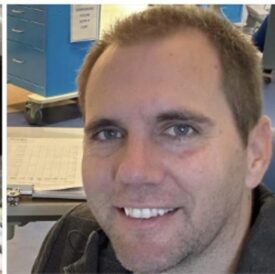
Johnson’s husband, John, offered up a building in Alpine to house the museum, and their son, Brian, a graphic designer by trade, will run it. They even plan to keep the name the same, which was a pleasant shock to Crandall.
“I’m like, you’re going to pay off my debt, you’re going to move everything on your dime. And you’re going to put it in a new building, and you’re going to call it the Crandall Printing Museum? You’re going to keep it the same?”
It’s been a whirlwind few months since the transaction was first made, and Brian Johnson is still trying to wrap his head around becoming the director of the print museum. He and his wife just had their first child, and they’re leaving to live in New York for two years come August. He’s optimistic about opening the museum before he leaves, though, sometime this month. The Provo museum officially closed on May 21.
“It’s not one (way) that I thought my career going. But it was too good an opportunity to pass up,” Johnson said. “Printing museums don’t come around too often. And those presses are super rare. So it would have been a shame to see the museum go to the wayside.”
In addition to a linotype press, the kind used traditionally for printing newspapers, the printing museum also has a fully functioning Gutenberg press, an English Common Press like the kind used to produce copies of the Declaration of Independence, and an Acorn Printing Press, the kind of press The Book of Mormon was printed on.
Johnson has big plans for the printing museum. He hopes it can become a fixture of the community, something people will visit every year. He also talked about plans to have traveling exhibits or workshops as a part of the museum.
“The goal is to kind of keep keep the same stuff that was working, and then add to it, and broaden the net of people we appeal to,” Johnson said. “There should be something for everybody.”
Where and when exactly the printing museum will reopen in Alpine has yet to be announced, but updates and information about the museum and its historical printing presses can be found by visiting the Crandall Historic Printing Museum website, http://www.crandallprintingmuseum.com/.
“For two and a half, close to three years, I knelt every day and said, ‘Please send someone to take over,'” Crandall said. “It worked out where it was supposed to go.”