Young Living Aromatic Herbarium becomes first in North American to receive registration
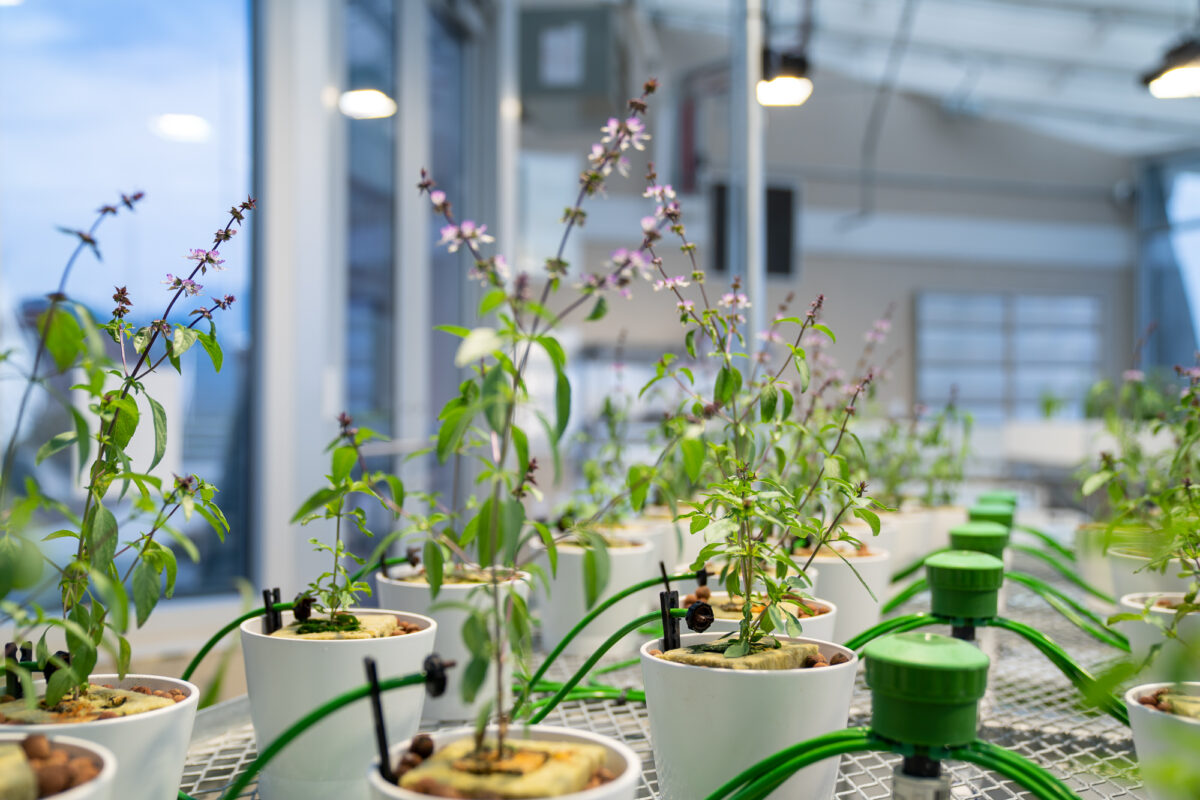
Young Living's aromatic herbarium, the first herbarium dedicated to aromatic plants in North America, was recently registered by the New York Botanical Garden.
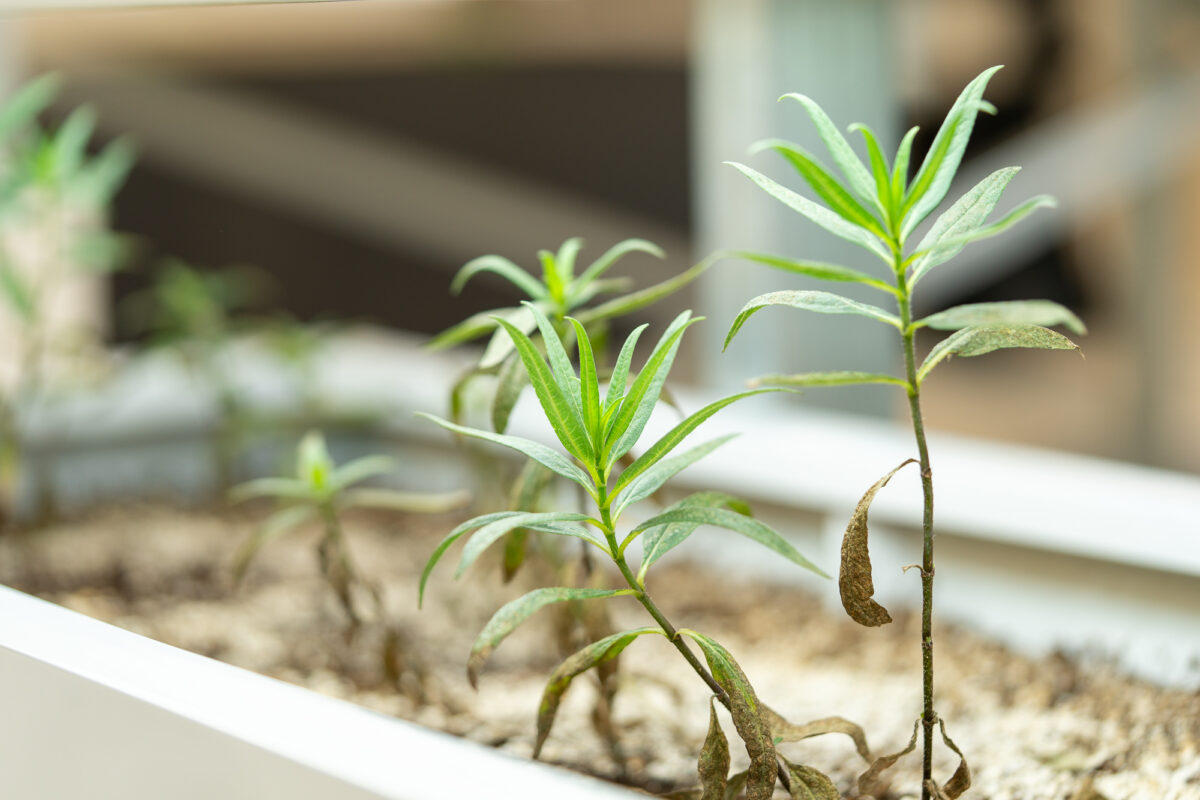
Young Living's aromatic herbarium, the first herbarium dedicated to aromatic plants in North America, was recently registered by the New York Botanical Garden.
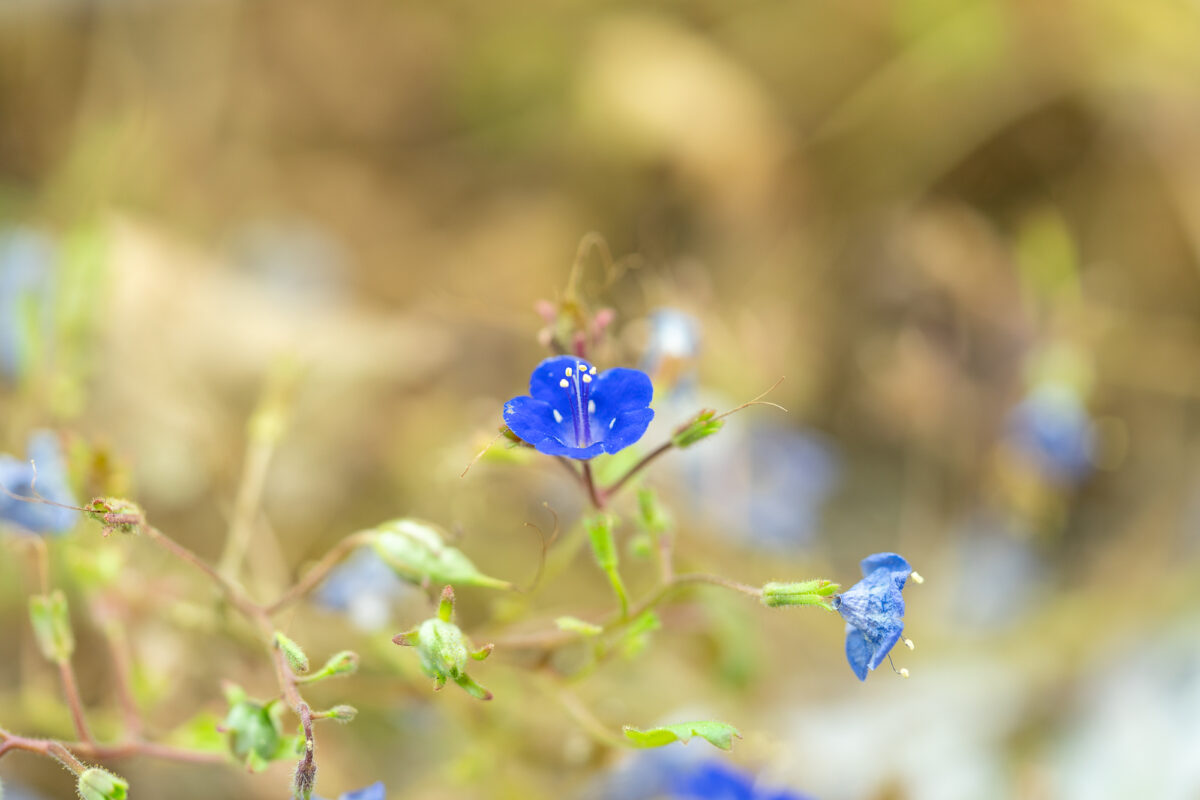
Young Living's aromatic herbarium, the first herbarium dedicated to aromatic plants in North America, was recently registered by the New York Botanical Garden.
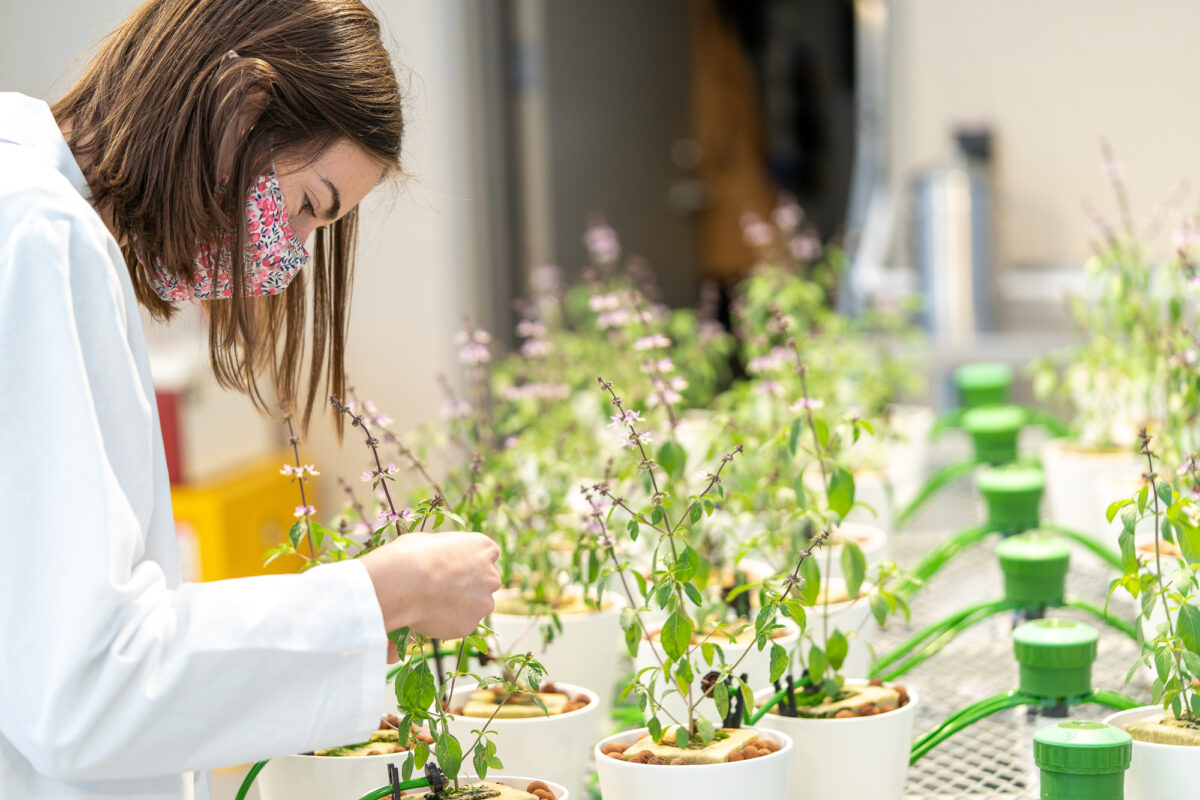
Young Living's aromatic herbarium, the first herbarium dedicated to aromatic plants in North America, was recently registered by the New York Botanical Garden.
Young Living’s Aromatic Herbarium, the first herbarium dedicated to aromatic plants in North America, was recently registered by the New York Botanical Garden.
There are 3,000 herbaria that are registered worldwide but only a few of them focus specifically on aromatic plants.
The herbarium contains 100 specimens from 25 different plant families. Twenty percent of the plants are from the mint family, while specimens included in the herbarium were gathered from across the globe.
One of the plants, ylang ylang, is from Madagascar, and others include blue tansy from Morocco and bitter orange from Tunisia.
The chief science officer at Young Living, Dr. Michael Buch, said the herbarium is another step the company is taking to ensure that essential oil science is moving forward around the world.
“The purpose for an herbarium is for this sort of repository of plant information to serve other scientists,” Buch said.
“The important thing about being registered with the New York Botanical Garden is that now scientists from anywhere in the world can go to their website and search for our herbarium or plants in our herbarium,” he continued. “Then, they are welcome to come visit us at our corporate offices in Lehi where we house the herbarium and they can take the specimens from the herbarium and study them.”
The two main uses for herbaria around the world include allowing scientists to track changes in plant life and to see the impacts that certain environments can have on a plant. In terms of essential oils, these environmental changes, alongside other factors, can lead to changes in the compounds and essential oils made from aromatic plants.
“Another thing we do that is quite unique, because this is an aromatic plant herbarium, is we actually distill the essential oil from the aromatic plant and do a complete chemical profile of that oil, which is also included with the data for the plant,” Buch said.
For the herbarium, the registration has been in the works for a while. There have been a number of scientists working on it for more than 3 years. Each sample normally takes two to three months to prepare for the herbarium, and then, the samples are identified, dried and pressed.
All of the information discovered with that specimen is documented and recorded, making it easily accessible. The information collected includes where the sample was collected and what the altitude was as well as the specific longitude and latitude where the plant was found.
“We all, at Young Living, have a motto engrained in everyone who works here that we consider ourselves to be stewards to the earth,” Buch said. “When you make natural products, you obviously are dependent upon nature, and therefore, it is very important for us to make sure that we are maintaining nature as best as possible.”
One of Buch’s favorite things about the herbarium is how the same plants from different parts of the world have different aromatic profiles and chemical makeups.
Plants grown in different environments experience this change, and the information helps farmers understand what to expect when they plant a certain species in a certain area.
All in all, Buch summed the herbarium up to be an attempt to learn more about plants while providing access to scientists who study those plants.
“I think Young Living is well equipped to develop and maintain an aromatic herbarium because we have the unique combination of experience, global reach and scientific excellence,” Buch said.
While the herbarium is not open to the public, scientists are able to access the collection of aromatic plants. The plants also can be seen through the New York Botanical Garden website, made possible through the recent registration.