Positive predictors: BYU research identifies techniques to offset the effects of trauma
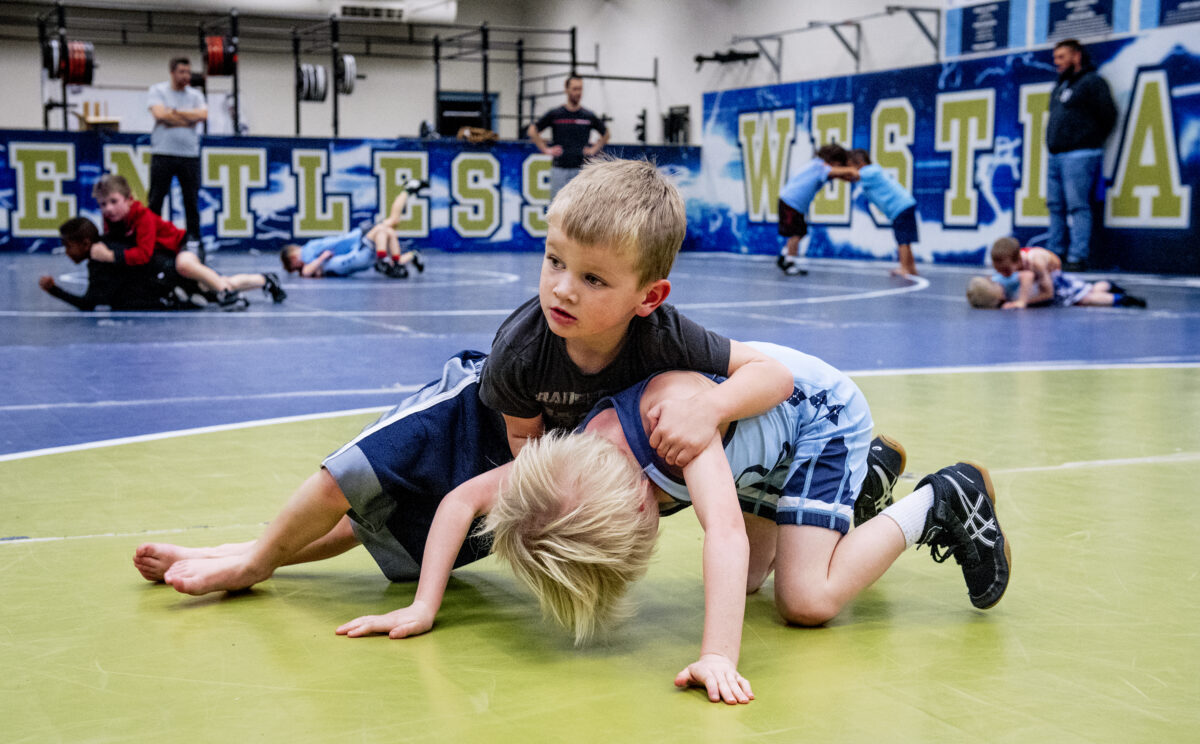
Engaging in activities and feeling connected to things that bring you joy is essential to building a positive future. Find what you love, get involved, and commit to sticking with it.
After facing a pandemic, historic job loss, the presidential election, and at-home work and school, it’s safe to say we are all coming off of one of the most challenging years of our lives. Pain is part of the mortal experience, but that doesn’t mean it has to dictate our lives.
BYU Public health professor Ali Crandall researches how good things help people cope with and heal from trauma. She calls highly predictive advantageous influences “positive childhood experiences” (PCEs). These influences benefit children because of their significant impact on actively developing brains. But, after this past year, we all can benefit from PCEs regardless of our age.
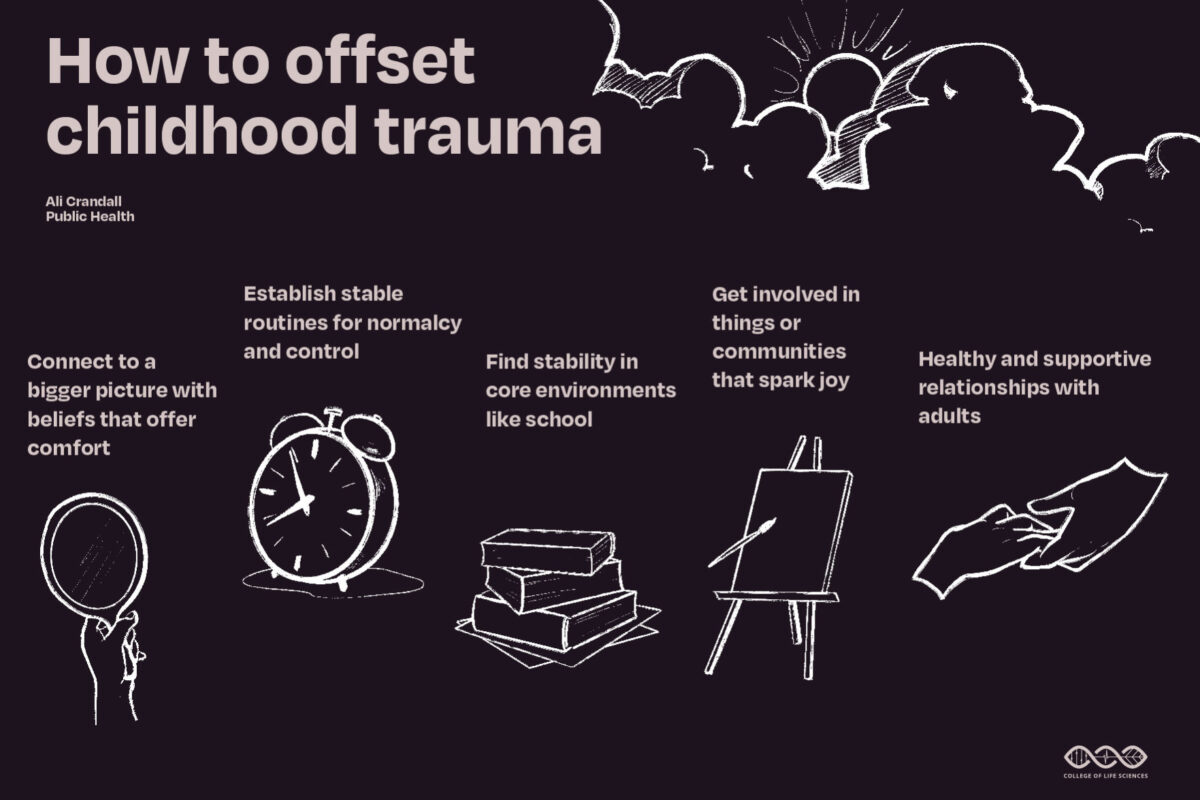
Crandall suggests working on the following six PCEs while accumulating other healthy relationships and habits:
Stable routines
Typically, traumatic experiences disrupt normal routines making life seem unmanageable. Stable routines offer normalcy and control that people going through the chaotic ups and downs need. Maintaining consistency in routines is a simple first step toward finding security in life.
Beliefs that offer comfort
Holding onto beliefs that offer comfort is important to people in adverse situations. Often, people who have had or are currently experiencing trauma may not find comfort in their homes, relationships, etc. People who have experienced trauma should seek comfort in something that connects them to a bigger picture. Seek out a belief system or build upon your existing beliefs.
Self-esteem
Trauma causes low self-esteem by feeding into destructive feelings. Comfort, assurance and affirmations are important coming from others, but receiving those things from yourself is even more crucial. Positive self-thoughts help those coping with trauma in childhood or adulthood to avoid self-deprecating attitudes that lead to feeling undeserving of a good life. Practice self-affirmations, daily meditation and personal kindness.
Enjoyment of school
Finding joy in school is vital for children and young adults who deal with trauma. Enjoying school is an indication of whether or not they feel anxious or safe. School is a core environment during these stages of life, so there is a healing affect from feeling comfortable in frequented, controlled and stable environments. Find joy in learning, make new friends and search for mentors.
Engagement in activities
Engaging in activities and feeling connected to things that bring you joy is essential to building a positive future. Find what you love, get involved, and commit to sticking with it.
Healthy, supportive relationships
Individuals coping with trauma often have complicated relationships with their parents or other adult figures, but having healthy relationships with adults is essential to growth. An adult’s influence helps build positive mental health in others by being a source of support. Maintain healthy relationships with adults to build community and safety in your relationships. Try being that positive influence for a child in your life by being present and observant.
Whether you or someone you know suffers from trauma or not, these counter PCEs can aid you in positive mental health.
Community
BYU: New research finds all major AI models ignore faith, religion in responses
A new multi-university academic consortium led by Brigham Young University has found AI models have significant ...
Scaling timber: Arborists participate in the Utah Tree Climbing Competition in Payson