Scaling timber: Arborists participate in the Utah Tree Climbing Competition in Payson
-
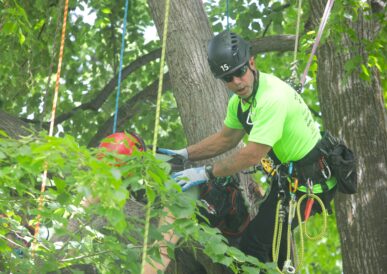
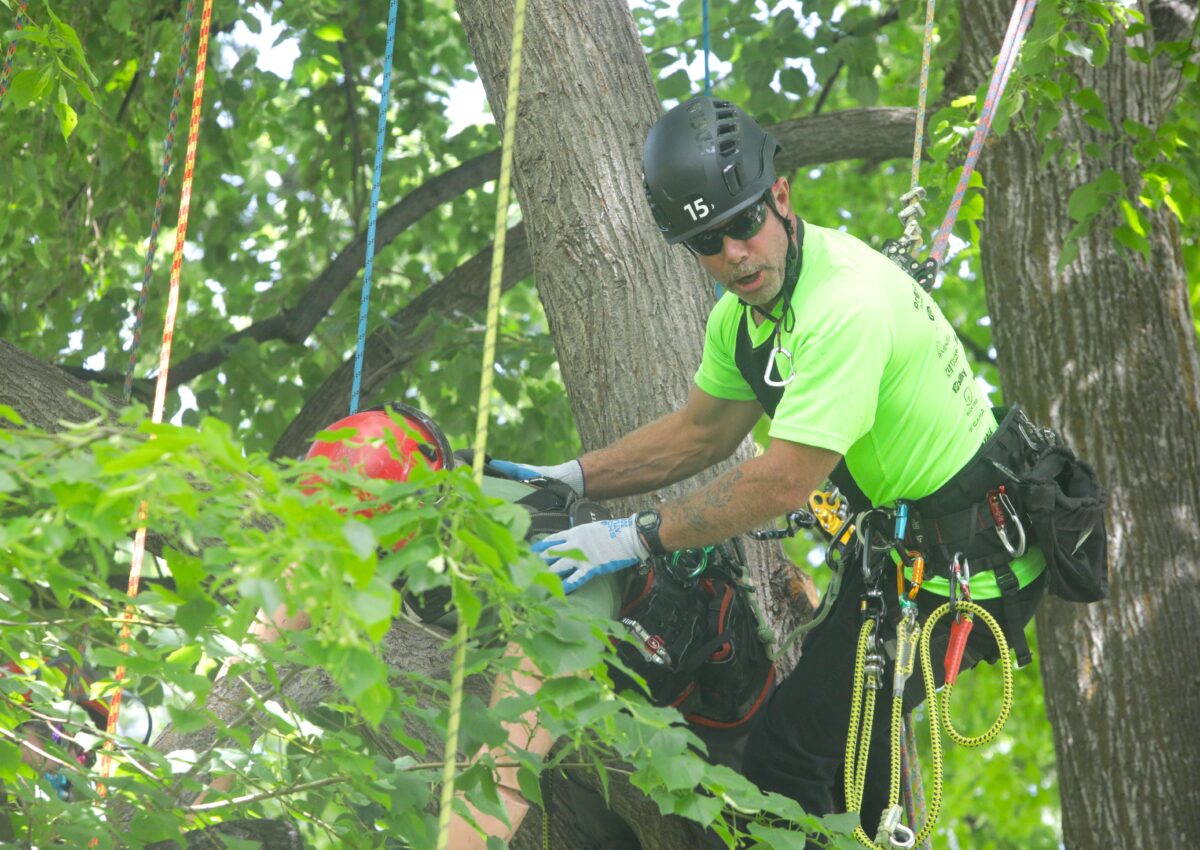
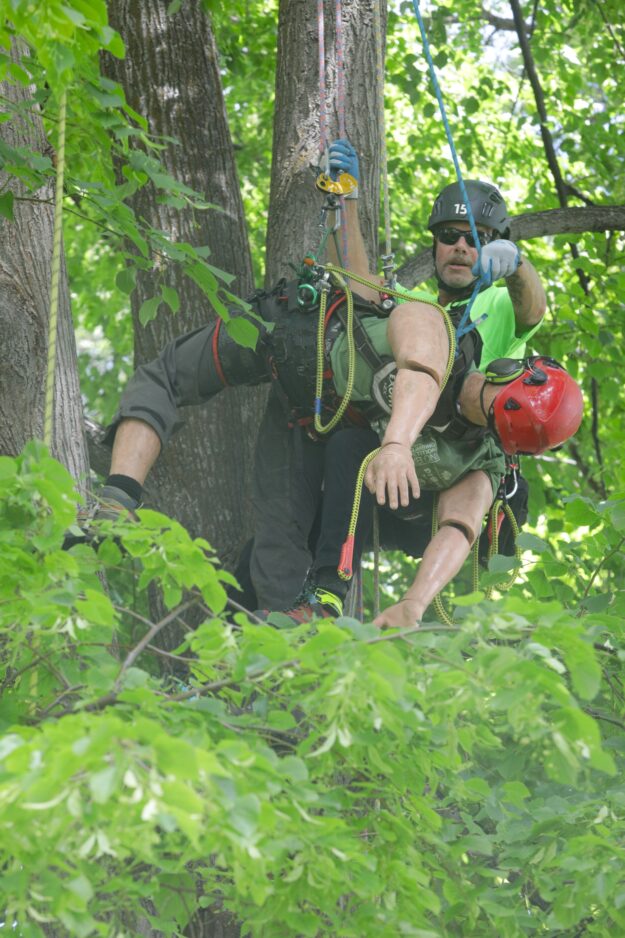
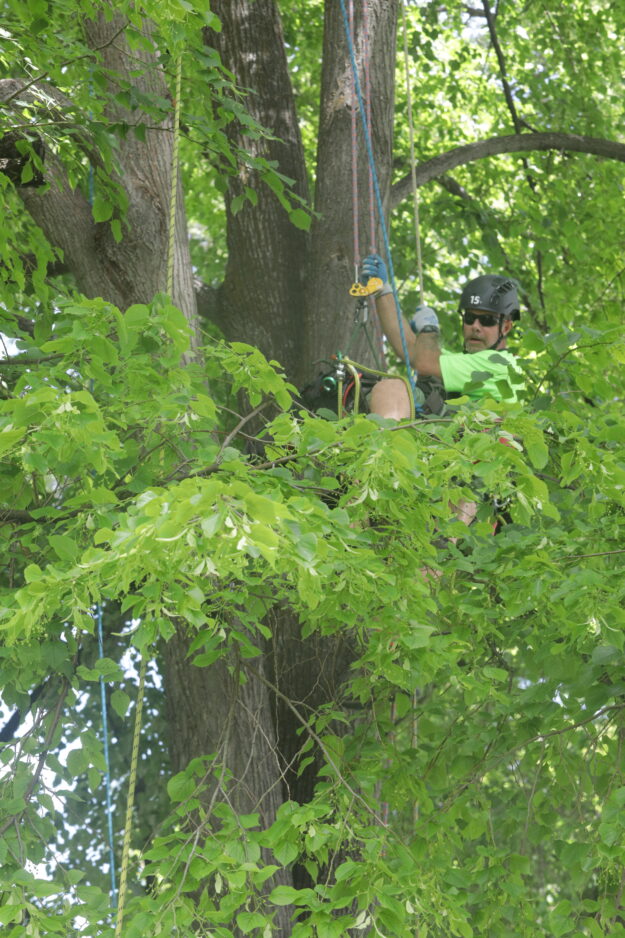
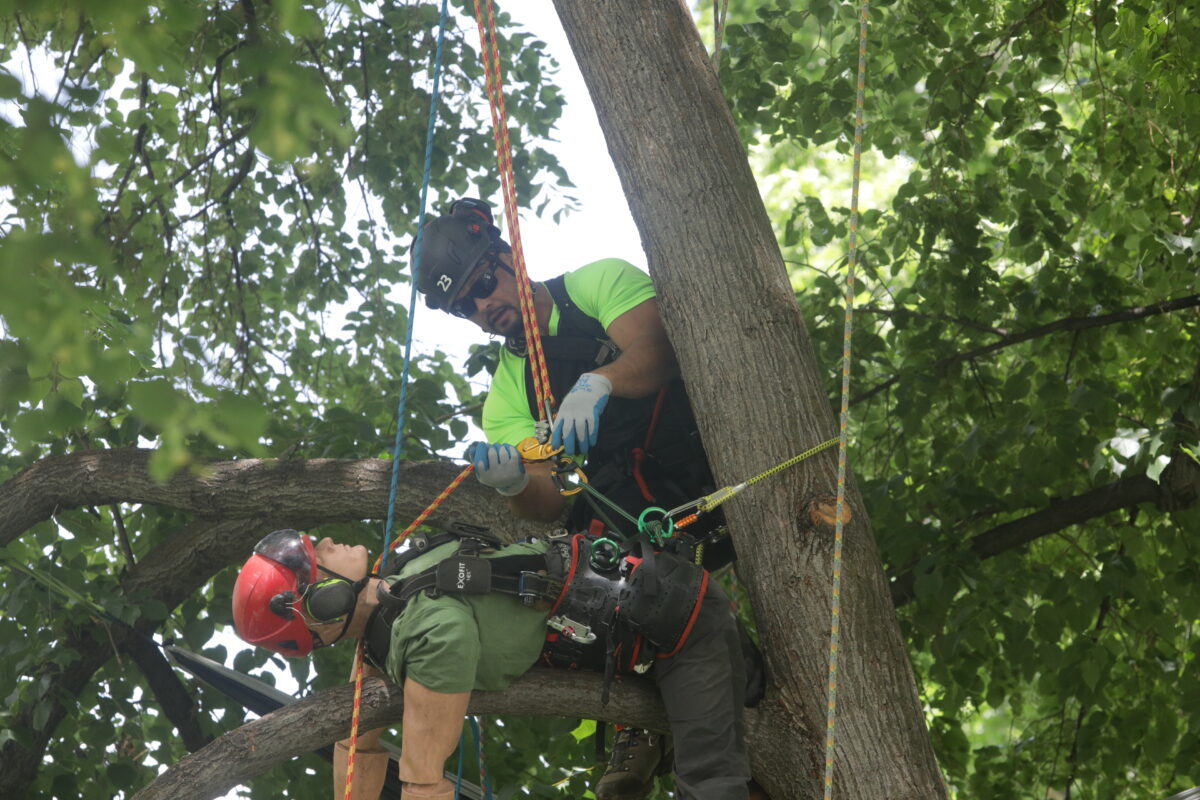
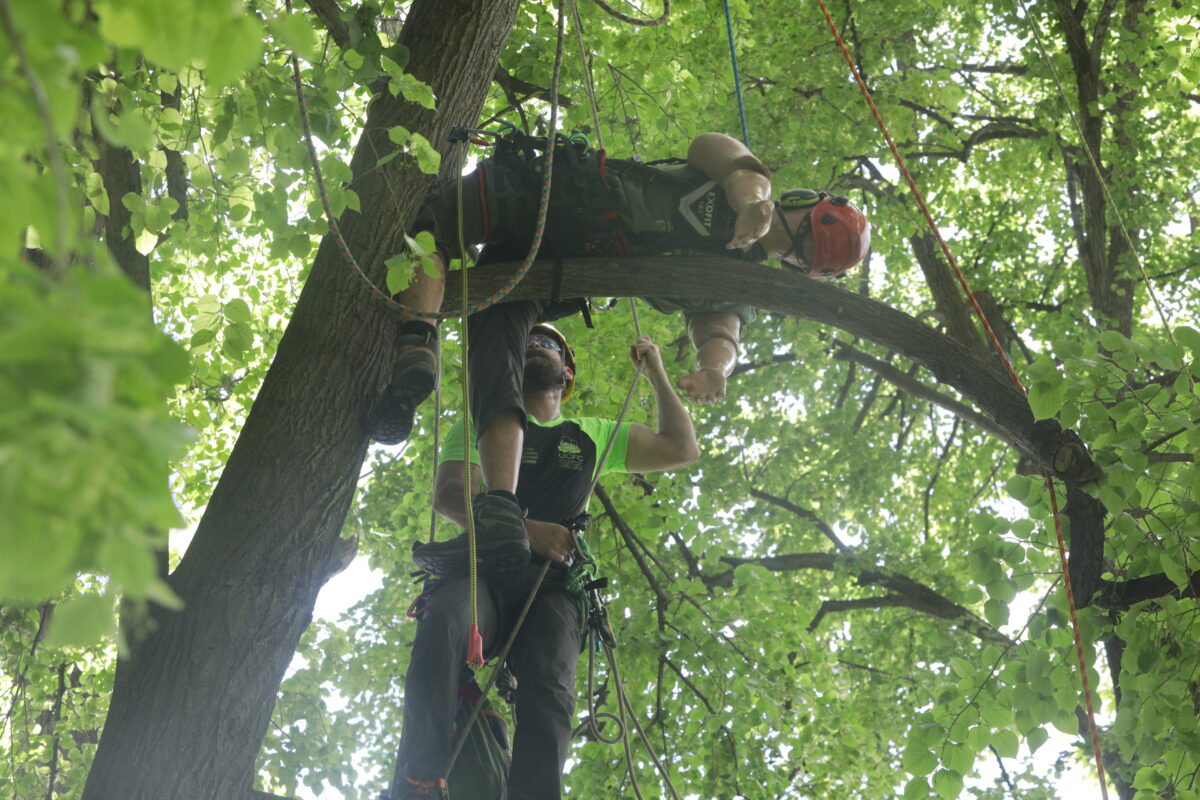
- Luke Glines competes in the aerial rescue event at the Utah Tree Climbing Competition Friday, May 29, 2026, at Memorial Park in Payson.
-
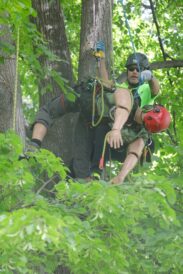
- Luke Glines competes in the aerial rescue event at the Utah Tree Climbing Competition Friday, May 29, 2026, at Memorial Park in Payson.
-
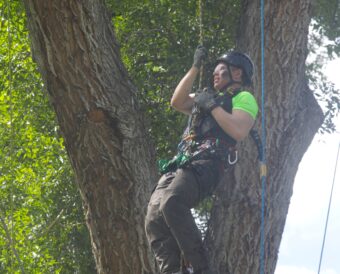
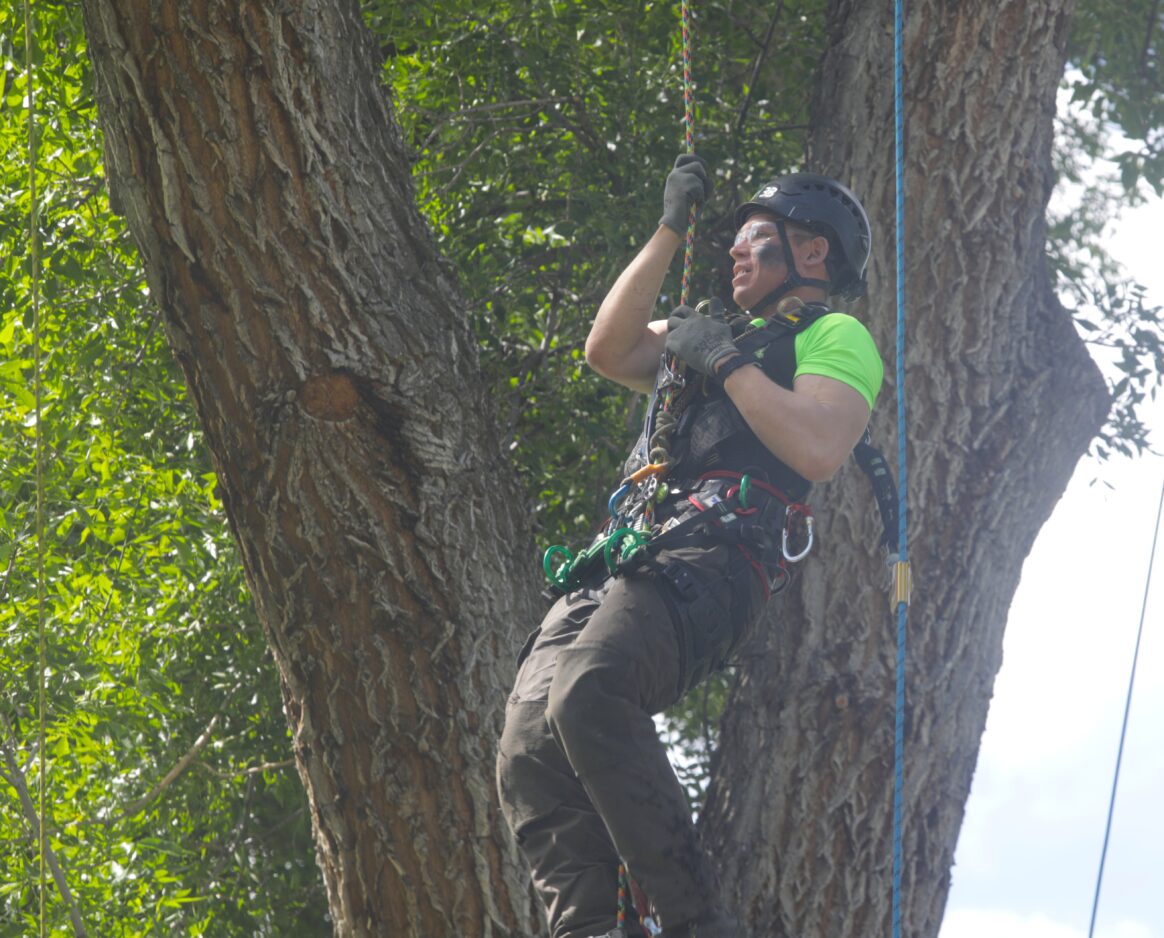
- A man competes in the ascent climb event during the Utah Tree Climbing Competition Friday, May 29, 2026, at Memorial Park in Payson.
-
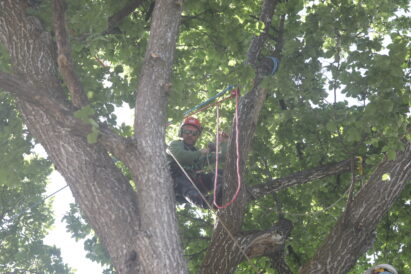
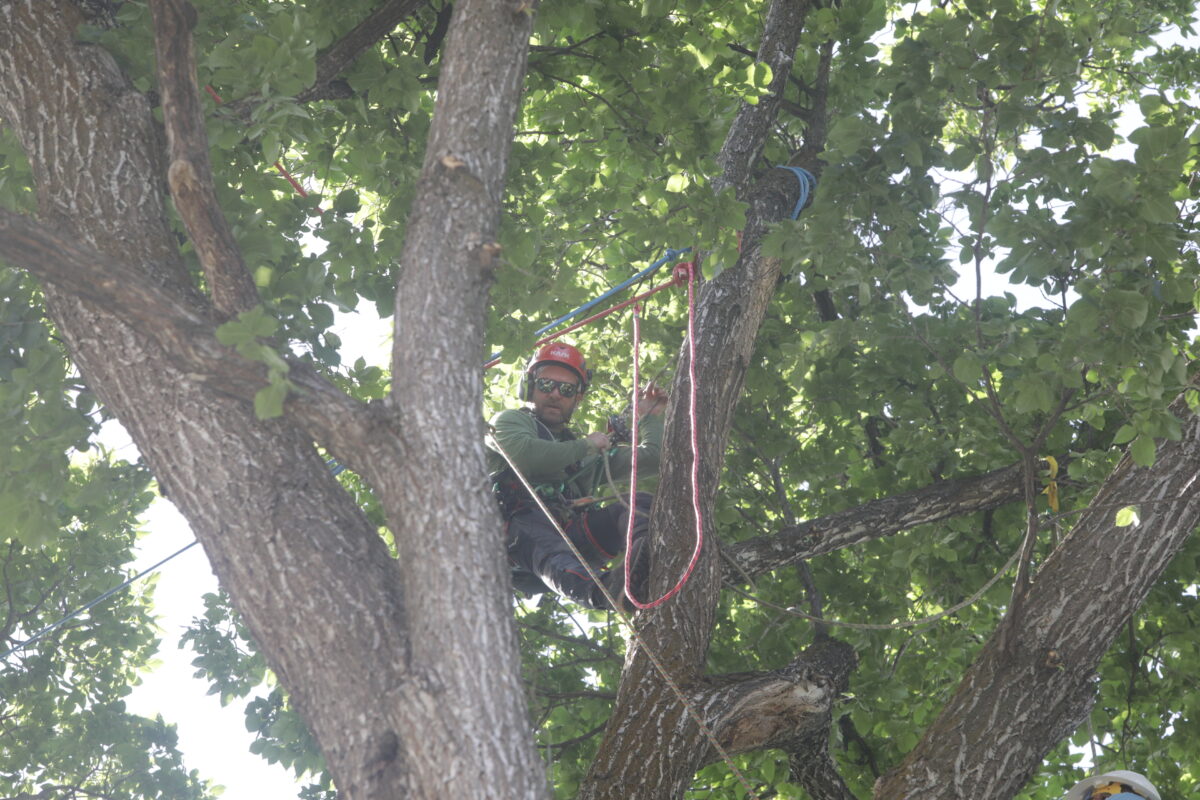
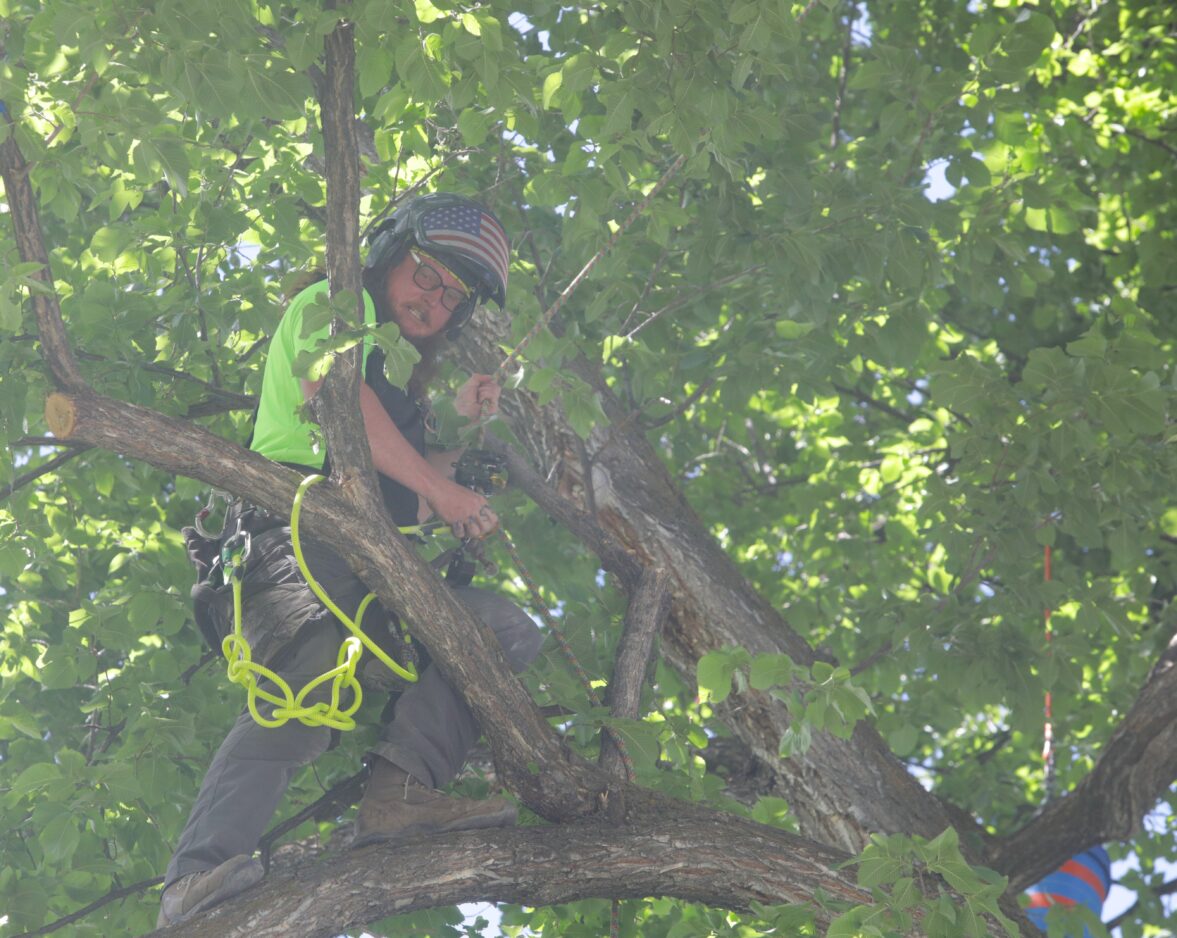
- A man competes in the work climb event during the Utah Tree Climbing Competition Friday, May 29, 2026, at Memorial Park in Payson.
-
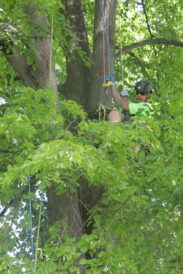
- Luke Glines competes in the aerial rescue event at the Utah Tree Climbing Competition Friday, May 29, 2026, at Memorial Park in Payson.
-
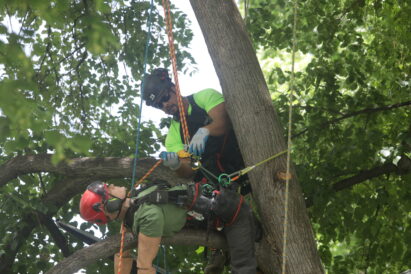
- Luke Glines competes in the aerial rescue event at the Utah Tree Climbing Competition Friday, May 29, 2026, at Memorial Park in Payson.
-
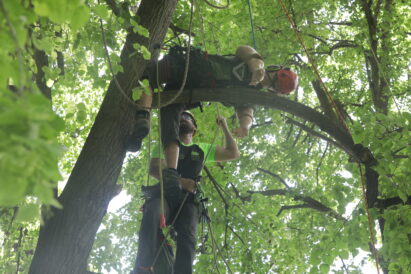
- An arborist competes in the aerial rescue event at the Utah Tree Climbing Competition Friday, May 29, 2026, at Memorial Park in Payson.
-
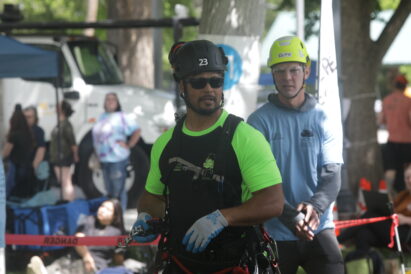
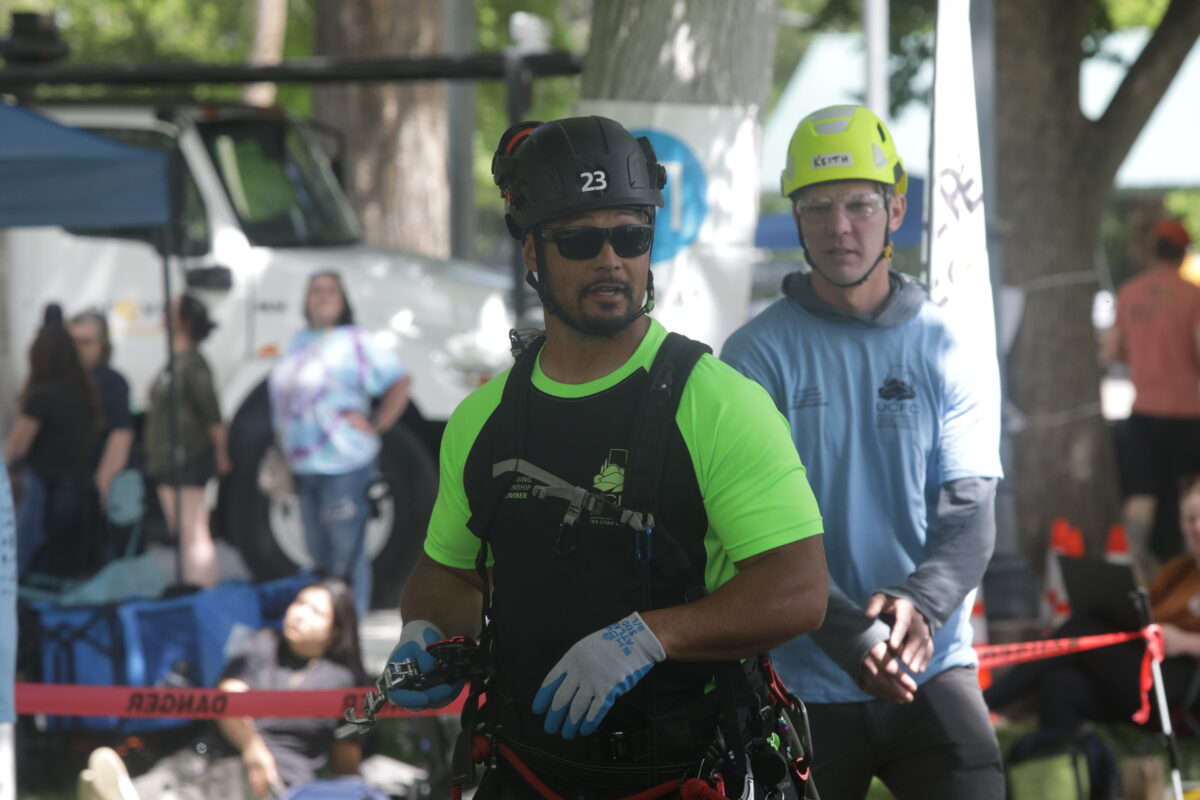
- A man prepares to climb during the Utah Tree Climbing Competition Friday, May 29, 2026, at Memorial Park in Payson.
-
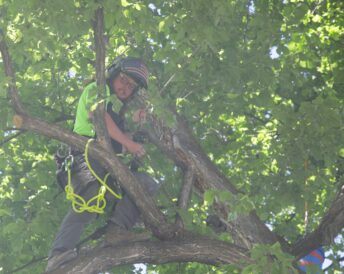
- A man competes in the work climb event during the Utah Tree Climbing Competition Friday, May 29, 2026, at Memorial Park in Payson.
Professional arborists pressed pause on their work days Friday to determine the top tree climber of them all.
Forty-seven tree caretakers from across the state and beyond convened at Payson’s Memorial Park for the 33rd annual Utah Tree Climbing Competition, hosted by the Utah Community Forest Council. They tried their hand (and feet) at five separate timed competitions that tested their abilities and physical strength.
“The whole idea is to let them have a weekend where they can just enjoy themselves and show off their skills,” said Scott Bunker, treasurer of the Utah Community Forest Council. “They’re hardworking blue-collar workers, it’s really dangerous work, and so we just want to recognize them, let them have a great weekend and get to show people what they do so well.”
Climbers rotated through four preliminary events Friday and will compete in a fifth preliminary event Saturday. The top performers will participate in the masters’ challenge at noon Saturday to see who advances to the international tree climbing competition.
There’s the work climb, where the competitor is lifted by a bucket truck high in the air, then traverses around the branches, performing a variety of tasks before a timer runs out. In the aerial rescue, climbers scale a rope up to a dummy victim stuck in the tree and have to safely secure him and bring him down.
The throw line requires tossing a rope 50 feet up to a tree branch to establish a climbing line. In the ascent event, arborists will race up the climbing line, then ring a bell at the top. The speed event tests how fast they can get up the tree.
In each event, contestants must follow safety protocols by yelling out certain verbal cues and doing specific steps.
“Each tree has a different skill that’s being demonstrated,” said Lisa Hanussak of the Utah Community Forest Council.
The challenges function not only as competitions but as training opportunities. Arborists fine-tune their skills and learn from one another.
“The best part about this is these guys are very open,” Bunker said. “I’ve been to other competitions where people are really careful about sharing anything. They don’t want to give anybody an advantage. And here, no one seems to care. They’re more than willing to share a new knot or new skill. They have a great time. They cheer each other on.”
Luke Glines, an arborist from Colorado, said he’s been participating in the Utah event for the last seven years because of how professional and kind everyone is.
He called the competition a “microcosm” of what the professionals do.
“The work day is a lot harder than this, because we’re working all day. This is just a slice,” Glines said. “It’s very technical in terms of how it scores, and so there’s a lot of things to be aware of.”
Hosting a well-run event that keeps competitors coming back requires a lot of helpers. More than 80 volunteers are on hand to run each station, set up ropes and lift bucket trucks. Bunker, who recently retired as the director of Provo Power, said it and Murray City Power are the event’s two main sponsors, providing necessary equipment.
The event rotates every three years to locations up and down the Wasatch Front, according to Hanussak, and organizers identify parks with appropriate trees.
“It’s getting harder and harder to find a park that has trees big enough that meet our needs,” Bunker added. “But we know them. We know most parks in the state, and so we know where we can go. Payson happens to be a great host. They love having us. They welcome us every time.”