
Red tape review: Business owners, lawmakers meet in Pleasant Grove to discuss regulatory reform

-

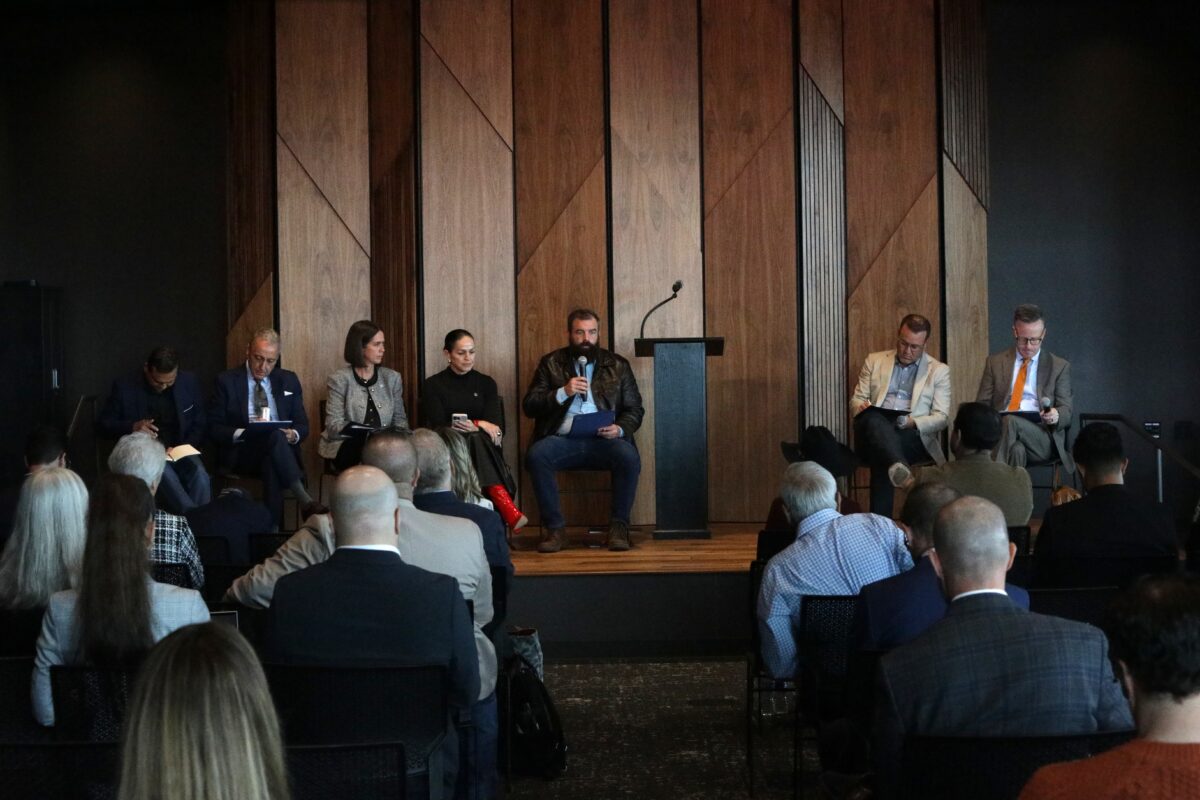
- Business owners and state lawmakers meet to discuss regulatory reform Tuesday, Oct. 13, 2026, in Pleasant Grove.
-

- Business owners and state lawmakers meet to discuss regulatory reform Tuesday, Oct. 13, 2026, in Pleasant Grove.
-

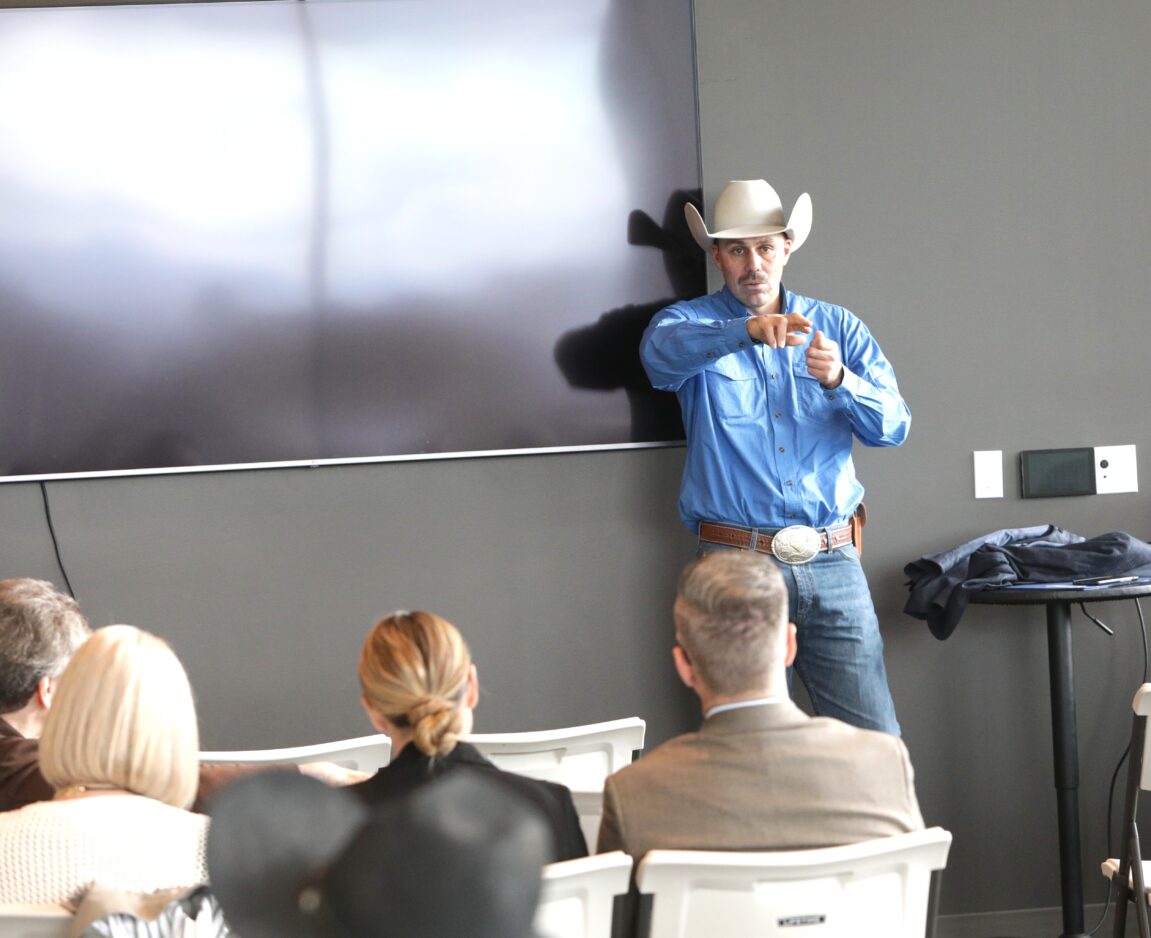
- USDA Lawfare Advisor Hayden Ballard speaks to individual in the agriculture industry Tuesday, Oct. 13, 2026, in Pleasant Grove.
From discrepancies in beef processing inspections to a lack of clarity regarding water reuse policies, there are a number of government regulations that Utah business owners say are disruptive to their respective industries.
On Tuesday, at the Ruth and Nathan Hale Theater in Pleasant Grove, business owners from 11 industries met with lawmakers to discuss these challenges and possible solutions to ease bureaucratic burdens.
At the event sponsored by the Intermountain Business Alliance and the Utah Valley Chamber of Commerce, these discussions took place in various breakout rooms, and expressed concerns were written down to be sent to various state representatives.
Angel Shelburne, a businessman who sat in on the banking and finance group, said he thought it was valuable to listen to strategies companies are using while getting a chance to interact with lawmakers in a casual setting.
“The companies that have the most resources are paying for lobbyists to advocate their view, and today was a sit-down without any lobbyists that I know of to ask questions and literally fill out a sheet that was given to them,” Shelburne said. “The legislators in the room, as facilitators, were taking note of some feedback that they were given that they can discuss, as it relates to antiquated laws that may delay progress or transformation for a company or speed to market. So it’s great to have that kind of discussion.”
There were some shared concerns across the industries, such as the need to streamline complicated licensing processes and how tariffs impact market costs. A recurring theme cited by several industry representatives was how certain policies in other states are impacting Utah businesses.
An attorney representing the nutritional, dietary, skin care and cosmetics industry said California has established “unreasonably” high restrictions on the chemicals allowed in products and the warning lables required on them. He said violators receive a Notice of Violation — a large fee companies have to pay — or are hit with a lawsuit.
“It’s just really tough for Utah businesses, especially if you use any natural products at all, turmeric, for example,” the attorney said. “You are getting an NOV for lead violation if you don’t have a warning on the product.”
A representative for the retail and small business industry said small business owners have also been involved in “frivolous lawsuits” if they sell their products in California.
Asked how Utah lawmakers can protect their businesses against outside states, Utah Sen. Brady Brammer told the Daily Herald they can empower the attorney general to file lawsuits against other states and create a regulatory enviroment that attracts businesses to Utah.
“And the process of competition, to some degree, shows who has better ideas,” Brammer said. “Their people have to live under the rules that they create also, and they’re under the same regulatory burden that we don’t like, that they try to push on us, but they can’t do it to the same extent. So we try to have better, more business-friendly laws, so that the competition in the long run wins out.”
A handful of speakers addressed the crowd throughout the morning forum, including Sen. John Curtis and Utah Rep. and Utah Speaker Mike Schultz. Schultz addressed high fuel prices, and questioned why the United States outsources its oil refining to other countries in the first place.
“Why? Government regulation, and it’s affecting our everyday pocketbook,” Schultz said. ” … Does anybody know how long it takes to get permits to build a new refinery here in the United States? Nobody knows why. Because the regulations are too high to even go through that process, so we haven’t built a new refinery in the United States in decades.”
Schultz said the state’s objective is to get government out of the way, and he believes that has led to the state’s success in various economic rankings, including No. 1 in economic outlook for the American Legislative Exchange Council Rich States, Poor State ranking.
“It’s policymakers coming together with industry leaders such as what you’re seeing today that’s helped set some of these policies,” he said. “And as a state leader, it’s critical for me to learn about what’s working for you, where the regulations are creating barriers, where practical changes could be considered.”
Shelburne said he’s interested to see what comes out of the midweek meeting.
“As understand it, the group hosting today will take these notes and be very diligent to create the content that the representatives will need to to connect the dots effectively,” he said.
Local News
Red tape review: Business owners, lawmakers meet in Pleasant Grove to discuss regulatory reform

Improving the highway: U.S. 189 construction sees progress despite extended timeline
