A century of Lehi Power: Municipal power provider values independence as it navigates growth, rising costs


-
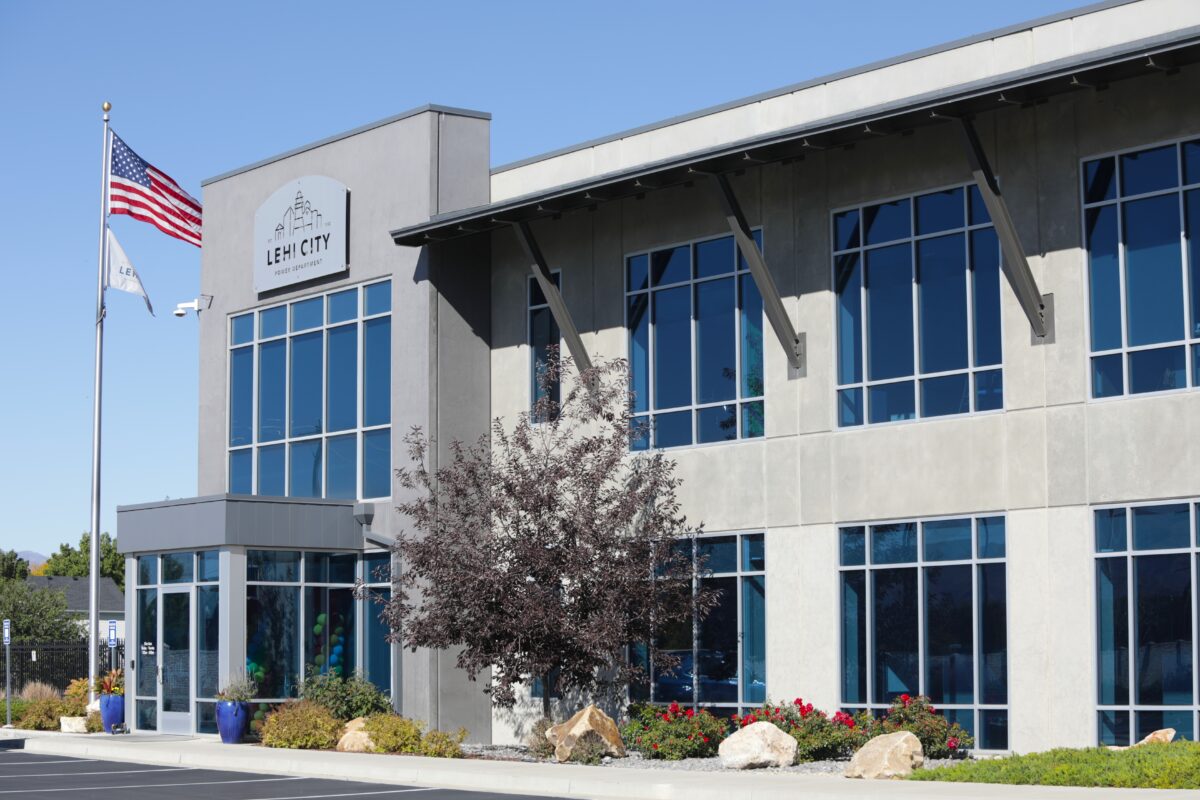
- Lehi City Power headquarters are seen Friday, Oct. 16, 2026.
-
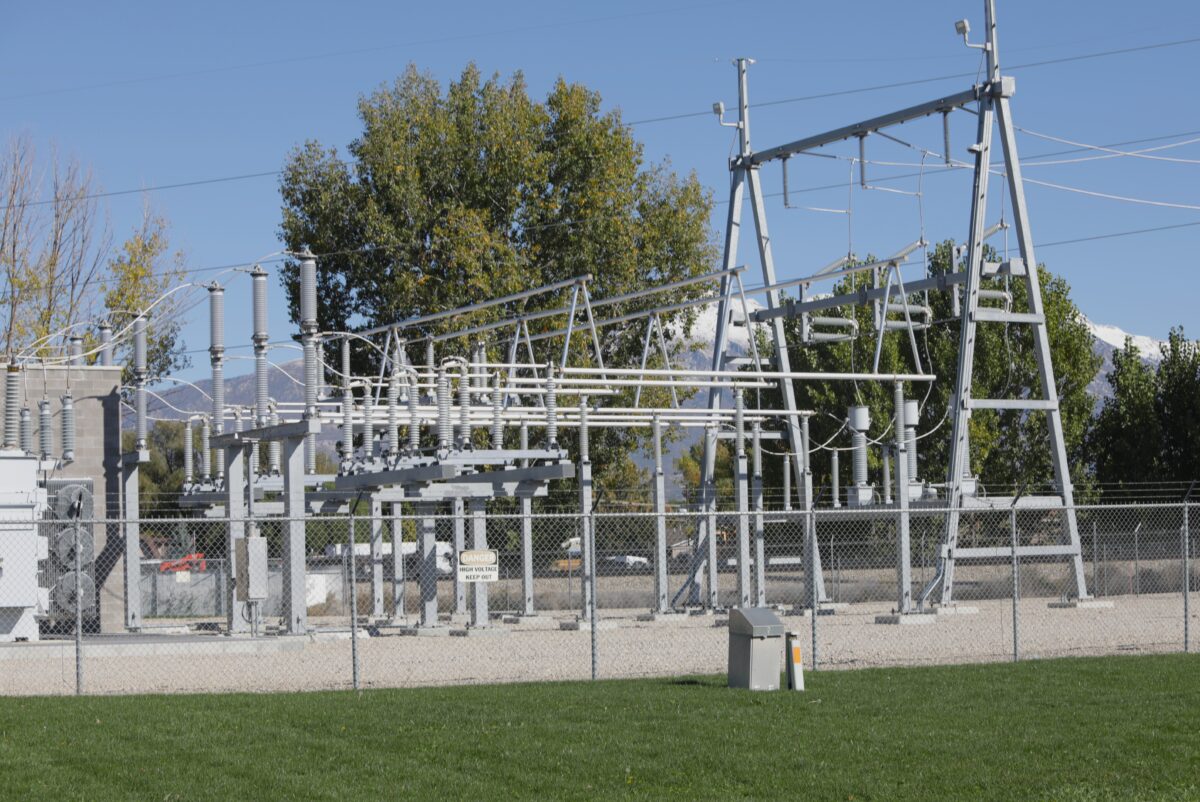
- A Lehi City Power plant is pictured Friday, Oct. 16, 2026.
-

- Lehi City Power headquarters are seen Friday, Oct. 16, 2026.
-

- Lehi City Power staff poses for a photo.
In 1925, Utah Power informed Lehi Mayor Joseph Broadbent that it was going to raise rates on streetlights, prompting him to look for an alternative solution to power the city.
A year later, the city put in its first generator, and Lehi Power officially started.
A century after the entity’s inception, Lehi Power remains the main power provider in the city, notwithstanding Lehi’s ascension from a small cowboy town to a large suburb with nearly 100,000 residents and a prominent tech presence.
Lehi’s assistant power director, Brent Thomas, joked that he’s been around for a large part of the history, joining the department in 1993. Back then, he said the peak electricity usage for the city was in the wintertime, at three megawatts. Now, the peaks come in the summertime with air conditioning. Summer 2025 reached a system peak of 167 megawatts.
The desire for independent control of its own power that started Lehi Power remains a driving force, according to Thomas, who said they focus on providing affordable power to the 33,000 active service connections.
Lehi Power’s electricity rate for a residence amounts to roughly 11 center per kilowatt-hour, including fixed charges, below the PacifiCorp average rate of 13.5 cents and the state’s average residential rate of 13.4 cents.
“We’ve kind of had a long tradition of good people, and that innovative, pioneering spirit here to be able to keep up with growth,” Thomas said.
While Lehi Power has a plant it built nine years ago that can generate 21 megawatts of power, most of its electricity comes from Utah Associated Municipal Power Systems, or UAMPS, a joint-action agency with 57 other cities in Utah and nearby states.
“We build facilities in various places throughout Utah, like for instance, there’s the Nebo plant in Payson that we’re a part owner in,” Thomas said. “And so we draw power from all of those facilities, and then obviously bring that across transmission lines to Lehi.”
It’s considered a reliable system — though challenges have emerged in recent years that have driven up costs. Thomas said a large factor impacting the rates is new EPA clean air regulations, which are making it more difficult for companies to build new coal facilites.
“A lot of those coal plants are shutting down,” he said. “Our baseload production was in coal. So by losing that baseload, we’ve had to build new facilities with renewables such as solar, wind, and things like that.”
These facilities, he said, are more expensive, and do not have a consistent base load — for instance, solar is only produced when the sun is out. The expenses have hit the customer.
In 2022, Lehi Power implemented a $2.50 monthly charge, then increased it to $5 in 2024 and up to $10 by 2026. In 2023, the city also implemented a purchased power adjustment clause fee for residents and businesses of 1.7 cents.
As the monthly customer charge rose, the energy charge for kilowatt-hours did drop from 10 cents in 2024 to 8.6 cents in 2026 for residential customers.
This year, a study was commissioned by an independent entity that recommended Lehi implement a series of annual rate increases of 5% per year to keep up with increasing costs. The Lehi City Council adopted the recommendations and amended the power rate fee schedule.
Thomas said Lehi Power’s goal, though, is to operate efficiently, and the department is appying certain strategies to try and keep their rates lower than other power providers.
They use the peaking plant, a natural gas facility, to “shave off the expensive time of the day,” Thomas said, and keep the rates a bit lower. Ten years ago, Lehi Power developed an electrical model that helps with engineering, design and troubleshooting, helping the department run more efficiently with fewer employees. Lehi Power has a staff of 43 full-time employees to service the 33,000 customers.
“It will predict where the outage is, and then our crews can be dispatched to that predicted location, and then start troubleshooting from there, which speeds up the troubleshooting process,” he said.
“We’re always looking for ways to innovate with the way our crews operate, with the equipment they have, and just try to use the latest technologies to use less people, make things happen at a quicker pace, and try to streamline the process to stay ahead of growth and development.”
Thomas said Broadbent envisioned a future in which Lehi residents would govern their own power system, not beholden to stakeholders, but electing public officials who set the rates.
“I think that is still in place today,” he said.
Local News
A century of Lehi Power: Municipal power provider values independence as it navigates growth, rising costs

A school day to remember: Westridge Elementary gets an improved library courtesy of BYU, College Football Playoff Foundation