Judge finds probable cause Robinson shot and killed Charlie Kirk, orders him to stand trial
-
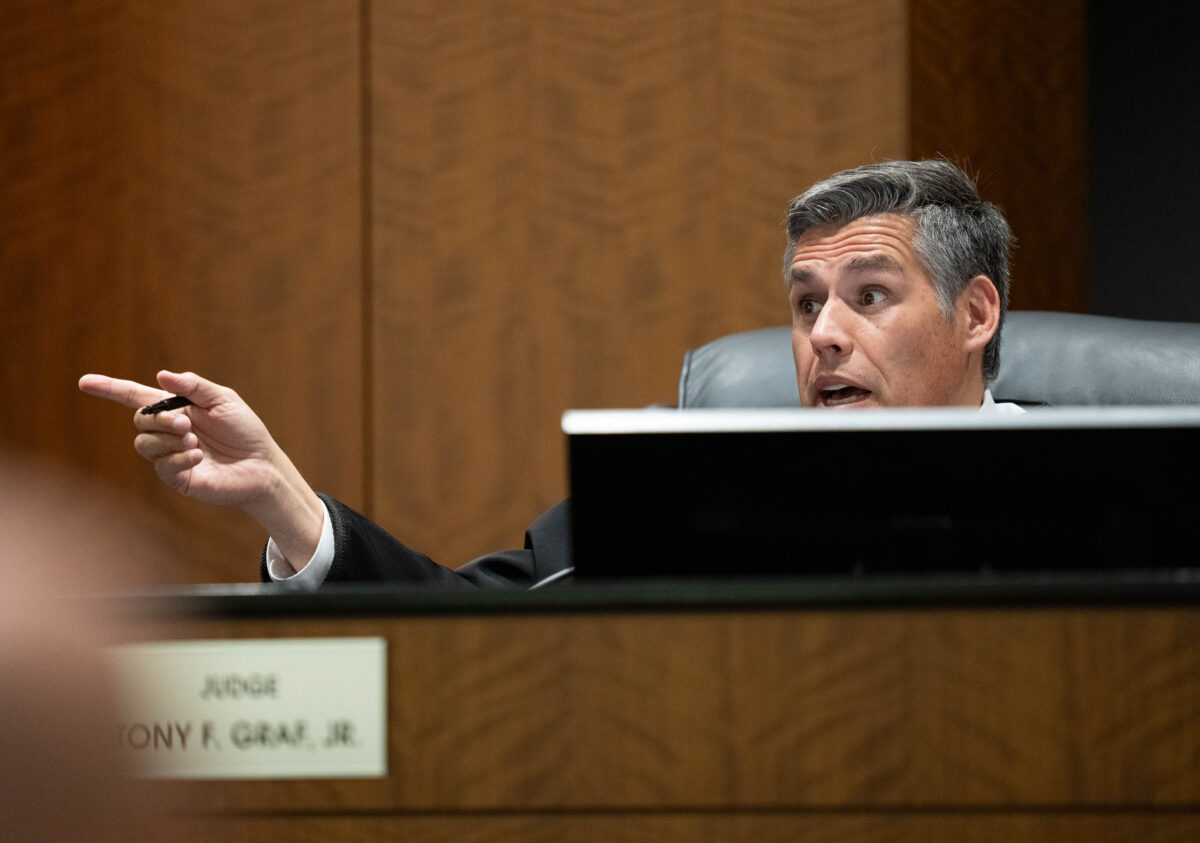
- Fourth District Court Judge Tony Graf speaks during closing arguments for the preliminary hearing for Tyler Robinson, the Utah man accused of fatally shooting Charlie Kirk, at the 4th District Court in Provo on Tuesday, Sept. 1, 2026. (Francisco Kjolseth, The Salt Lake Tribune)
-
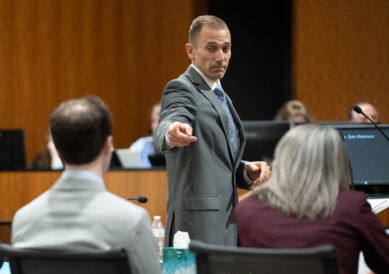
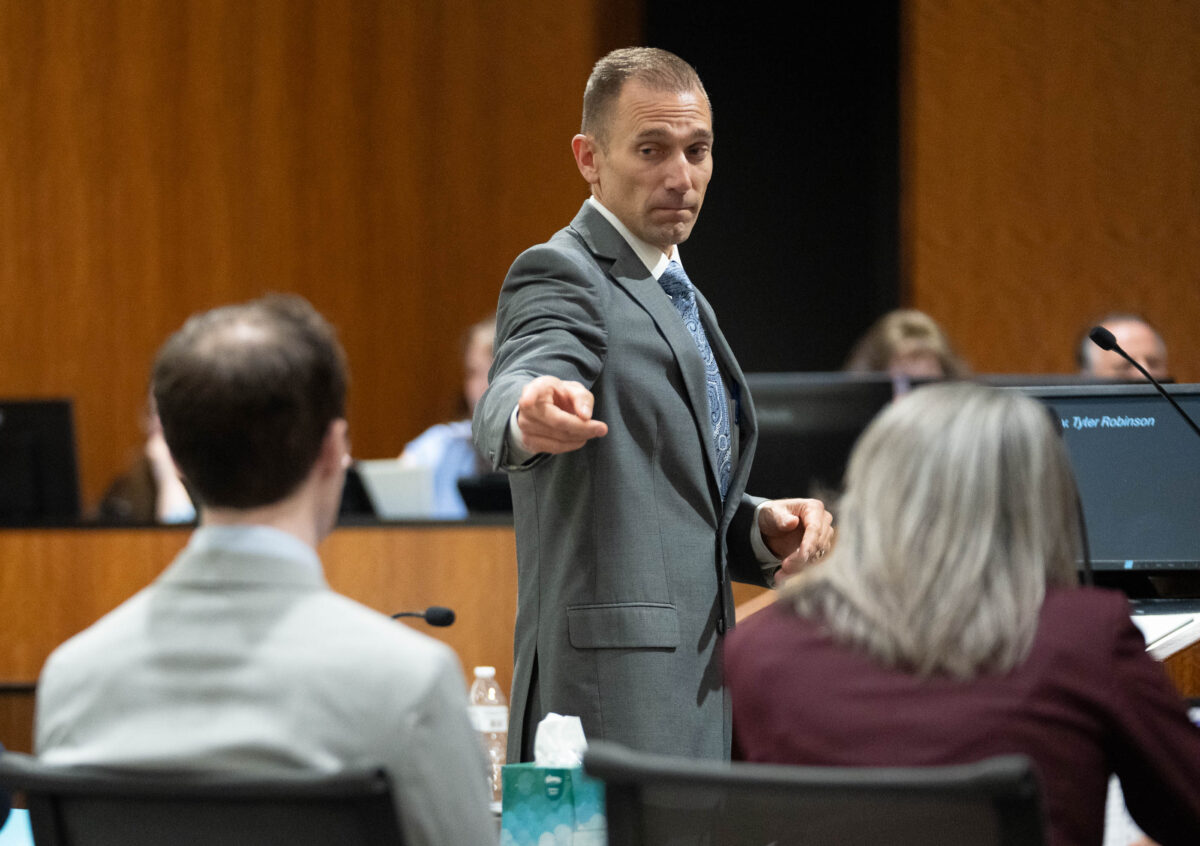
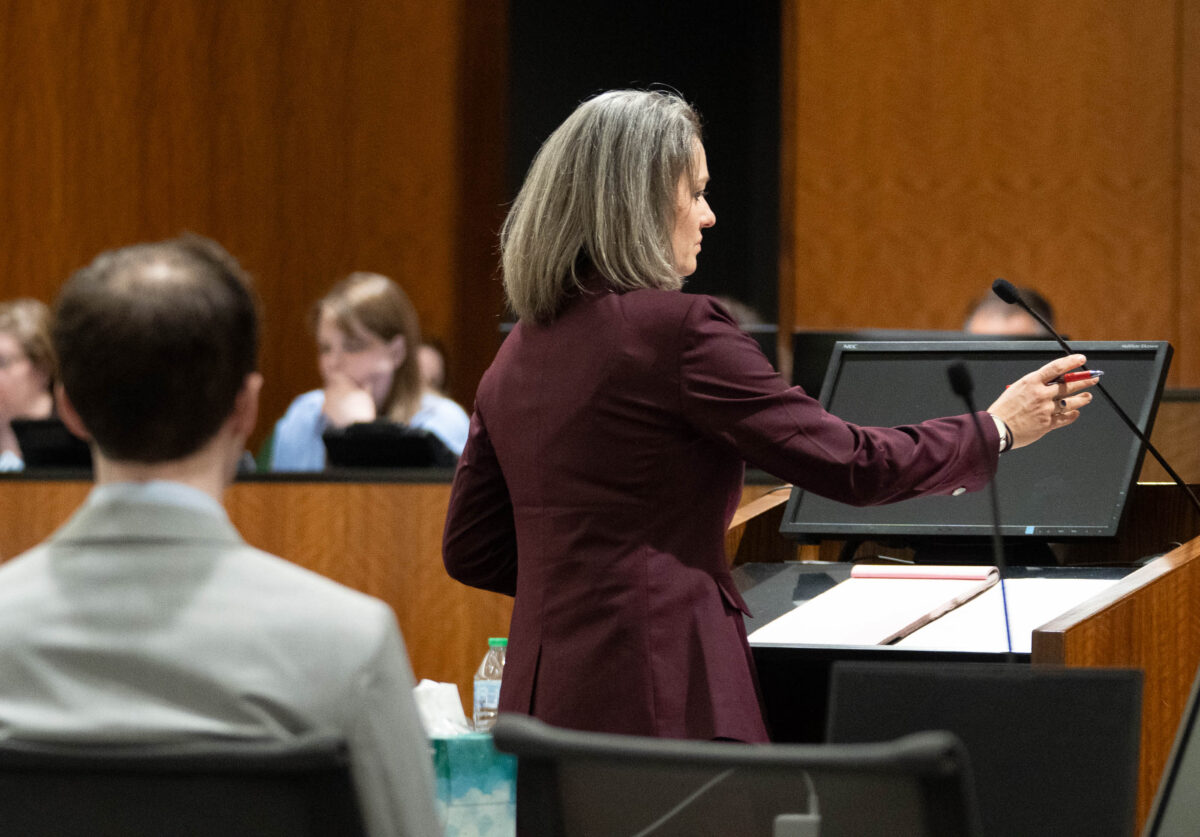
- Deputy Utah County Attorney Ryan McBride points to Tyler Robinson as he begins his closing arguments in the preliminary hearing for Robinson, the man accused of fatally shooting Charlie Kirk, at the 4th District Court in Provo on Tuesday, Sept. 1, 2026. (Francisco Kjolseth, The Salt Lake Tribune)
-
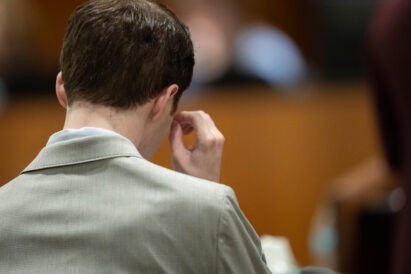
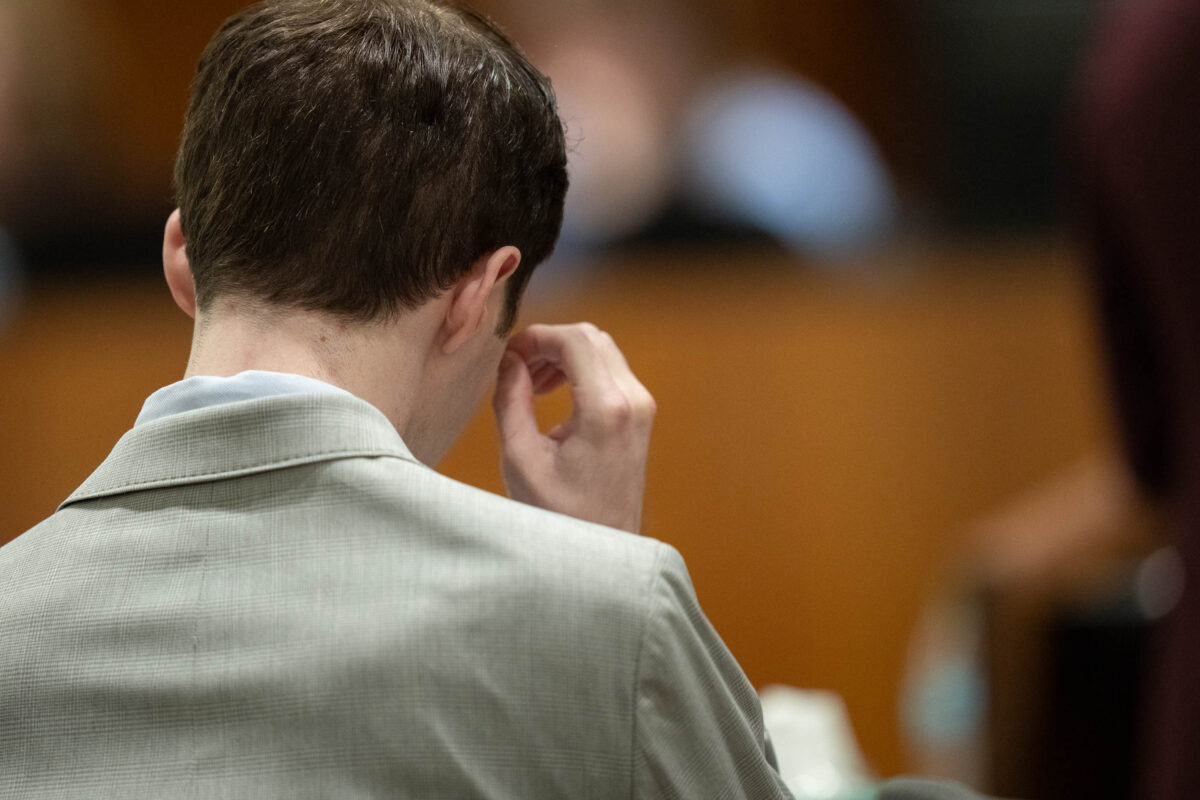
- Tyler Robinson, charged in the fatal shooting of Charlie Kirk, sits during closing arguments at his preliminary hearing in 4th District Court in Provo on Tuesday, Sept. 1, 2026. (Francisco Kjolseth, The Salt Lake Tribune)
-
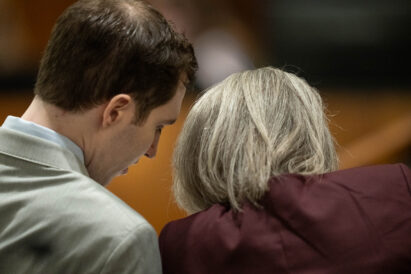
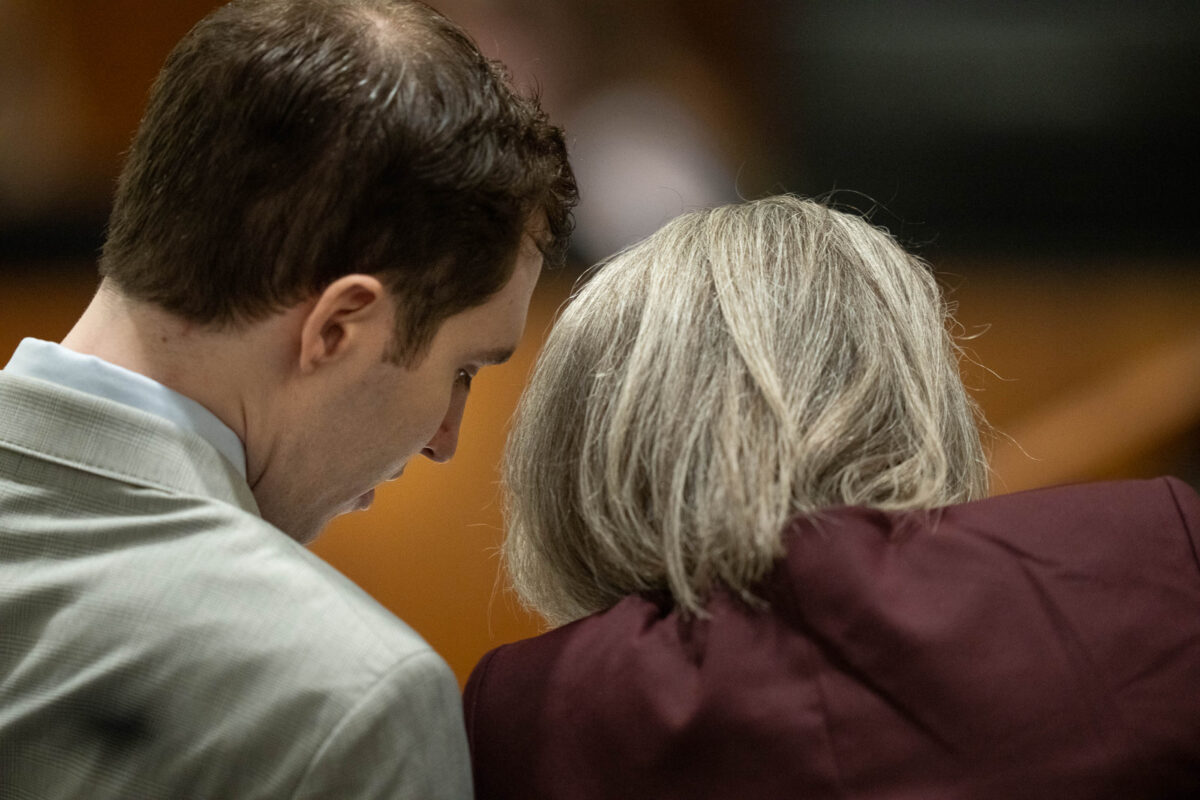
- Tyler Robinson, charged in the fatal shooting of Charlie Kirk, speaks with defense attorney Staci Visser as he sits during a preliminary hearing in 4th District Court in Provo on Tuesday, Sept. 1, 2026. (Francisco Kjolseth, The Salt Lake Tribune)
-
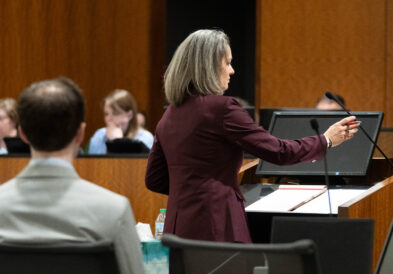
- Tyler Robinson, charged in the fatal shooting of Charlie Kirk, sits during closing arguments by defense attorney Staci Visser, at his preliminary hearing in 4th District Court in Provo on Tuesday, Sept. 1, 2026. (Francisco Kjolseth, The Salt Lake Tribune)
-
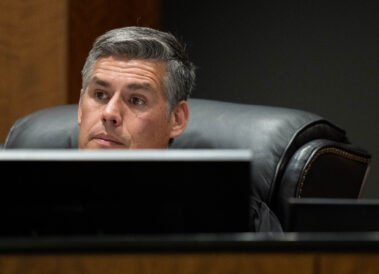
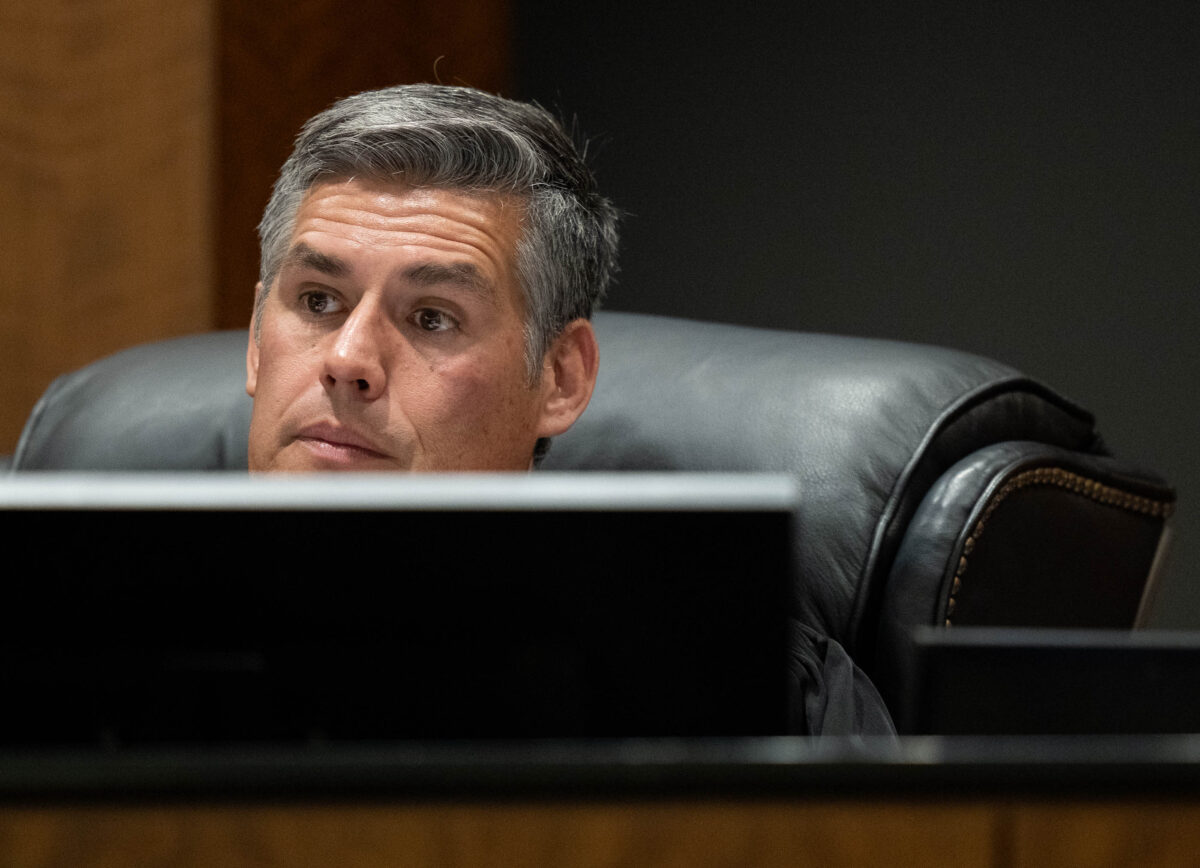
- Fourth District Court Judge Tony Graf listens during closing arguments for the preliminary hearing for Tyler Robinson, the Utah man accused of fatally shooting Charlie Kirk, at the 4th District Court in Provo on Tuesday, Sept. 1, 2026.
Judge Tony F. Graf found probable cause Tuesday that Tyler Robinson shot and killed Charlie Kirk and ordered him to stand trial on all seven counts, including aggravated murder.
The ruling came after 5 p.m. at Provo’s Fourth District Courthouse following a lengthy closing day of a preliminary hearing that saw prosecutors and defense attorneys argue for and against Robinson’s bindover.
The decision comes a year after Kirk was shot and killed on Sept. 10, 2025, in front of thousands of students at a Turning Point USA event at Utah Valley University in Orem. Robinson is charged with aggravated murder, a first-degree felony, among other charges, and the state is pursuing the death penalty in the case.
Prior to the ruling, the state expressed its confidence in the evidence it presented during the five-day preliminary hearing in July and on Tuesday.
“The state would take this case to trial tomorrow if we could, Judge,” Utah County Attorney Chad Grunander said. ” … It’s been 356 days since Tyler Robinson assassinated Charlie Kirk. It’s time for him, the defendant, to be bound over for trial and arraigned today.”
A key discussion point Tuesday was whether the aggravating factor was met in the killing — that Robinson created a great risk of death to an individual other than Kirk.
The prosecutors argued it was met because Robinson shot a rifle into a crowd of 3,000 people. Utah County Attorney Ryan McBride said the shot was from approximately 400 feet away, and that a variance of one degree in the bullet’s trajectory would have struck seven feet from his target, and could have struck another individual.
“There were people everywhere,” McBride said. “People on the railing, people in that amphitheater, people in front of Charlie Kirk, and people behind Charlie Kirk.
“It’s not that the defendant didn’t see all these people; he obviously did. He had to. It’s that he didn’t care.”
Robinson’s team argued the aggravating factor was not met because there was not evidence presented that the shot showed a great risk to others.
Defense attorney Staci Visser said the state had the opportunity to present evidence about gun safety, probabilities and spatial proximity during the preliminary hearing in July and chose not to.
She argued there was one shot, one bullet and one victim, and that there were no actual threats by the shooter to third parties. Citing precedent, Visser said there needed to be a likelihood or high probability of great risk of death created, not just a possibility.
“There’s nothing in this evidence showing that there was a great risk that someone else was going to be killed, let alone that the shooter would have knowledge of that risk,” Visser said.
In a closing statement, Grunander reiterated McBride’s point of the danger Robinson posed to others, saying that a flinch of half an inch would have changed the bullet’s trajectory by seven feet. He added that Kirk was a fluid target, adding to the danger, and that if the bullet struck a hard surface, it could have resulted in a dangerous ricochet.
He questioned if a reasonable person would dare stand near Kirk after knowing what is now known.
“The defendant was gambling with innocent lives that he would make that shot,” Grunander said.
He also stated multiple times that it was a probable cause hearing and that all reasonable inferences are required to be viewed “in the light most favorable to the state.”
Prosecutor’s other arguments
The Utah County Attorney’s Office spent time Tuesday recounting the evidence shown throughout the five-day July hearing. In his arguments, McBride said the video evidence, DNA evidence and Robinson’s own confession linked Robinson to the killing.
“There can be no doubt that the defendant is the man who shot and killed Charlie Kirk, and the evidence clearly surpasses the hurdle of probable cause at this stage of the proceeding,” McBride said.
He cited video evidence presented in a July hearing that allegedly shows Robinson’s movements around Utah Valley University on the day of the shooting, including his movement onto the Loosi Center rooftop.
“There, he lay down in a prone position, and he would have seen this mass of people, of 3,000-plus people there for the event. He took aim, put his crosshairs on Charlie Kirk, and fired at 12:23 and 28 seconds,” McBride said.
The prosecutors said Robinson’s DNA was found all over the rifle, which was found in the woods in the area where the shooter ran after taking the shot. McBride said ballistics testimony from a witness showed a round recovered from Kirk was consistent with having been fired from the rifle.
He also said that Robinson admitted to the murder, citing evidence showing his alleged confession messages to his roommate Lance Twiggs and in a Discord app.
Speaking on motive, McBride said Charlie Kirk was an “outspoken critic” of homosexuality and transgenderism and an advocate for traditional conservative values, which he argued were not aligned with Robinson’s values.
“The defendant was living in a homosexual relationship with a man who was considering transgender or transitioning his gender, and who went by the name of Luna. It’s not difficult to understand the motive here. The defendant’s views were repugnant to the positions that Charlie Kirk famously took.”
Defense’s arguments
Beyond the aggravating factor, the defense’s closing arguments focused on DNA evidence and motive.
Defense attorney Michael Burt argued the state mischaracterized the evidence by saying DNA was “all over the weapon.” Burt said an ATF report said there is “evidentiary support for the inclusion of Tyler Robinson as a possible contributor.”
Citing another case, Burt said that the fact something is possible does not make it probable.
“The standard is probable cause, not possible cause, and the DNA evidence in this case goes to the issue of possibilities, not probabilities.”
The defense also argued there was no evidence Robinson’s personal views were the motive for the killing. Richard Novak claimed Kirk spoke hatefully of some groups of people, but that isn’t evidence that those views were why he was killed.
“He spoke hatefully of people who are not strictly heterosexual. He spoke hatefully of people who have sexual relationships out of marriage,” Novak said. “And yes it is true that the evidence from Mr. Twiggs is that he identified in a non-gender conforming way to his friends, and that he was in a romantic relationship with Mr. Robinson. But that doesn’t mean that those personal choices by Mr. Twiggs and by Mr. Robinson equate with the hate that at least Mr. Robinson said he had toward Mr. Kirk.”
Grunander said the Utah County Attorney’s Office took “great exception” with Novak attributing hate to Kirk.
“None of that was presented during the preliminary hearing, that he is hateful towards this group or hateful towards that group,” Grunander said. “He had an opinion that he would express on politics and religion. That doesn’t make it hate.”
Addressing the DNA results, Grunander said the ATF report found the DNA profiles on the stock and grips of the rifle are “at least 1 trillion times more likely” if they originated from Robinson and three unrelated individuals than if they originated from four unrelated individuals, among other statistics.
Local News
How Utah County’s school districts did on the ACT compared to the state in 2026
A century of Lehi Power: Municipal power provider values independence as it navigates growth, rising costs