A piece of history: Operating B-17 on display at Spanish Fork Airport for Wings and Wheels Airshow
Operating B-17 on display at Spanish Fork Airport for Wings and Wheels Airshow
-
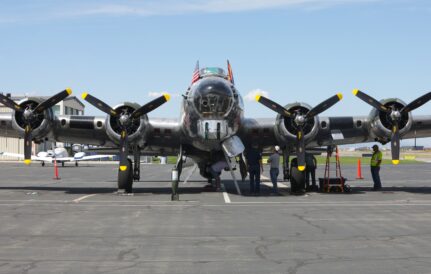
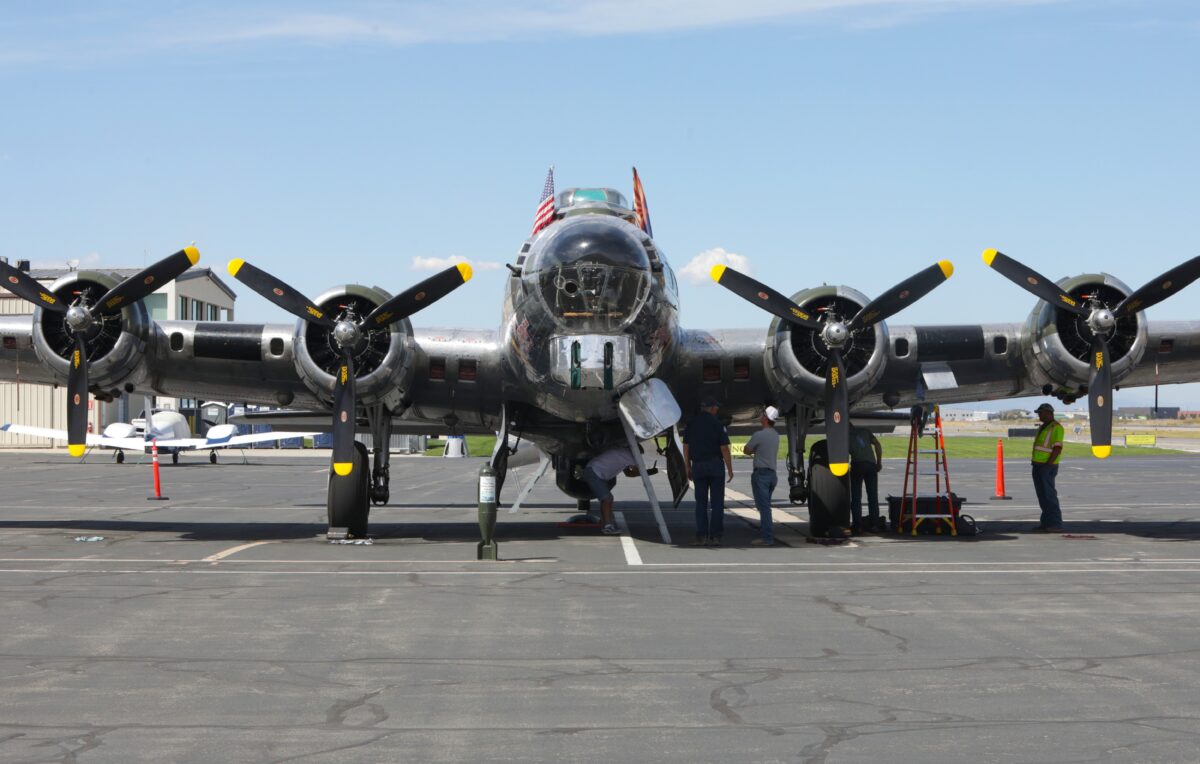
- B-17 “Sentimental Journey” as seen on Thursday, Sept. 24, 2026, in Spanish Fork.
-
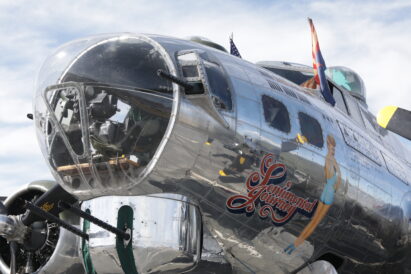
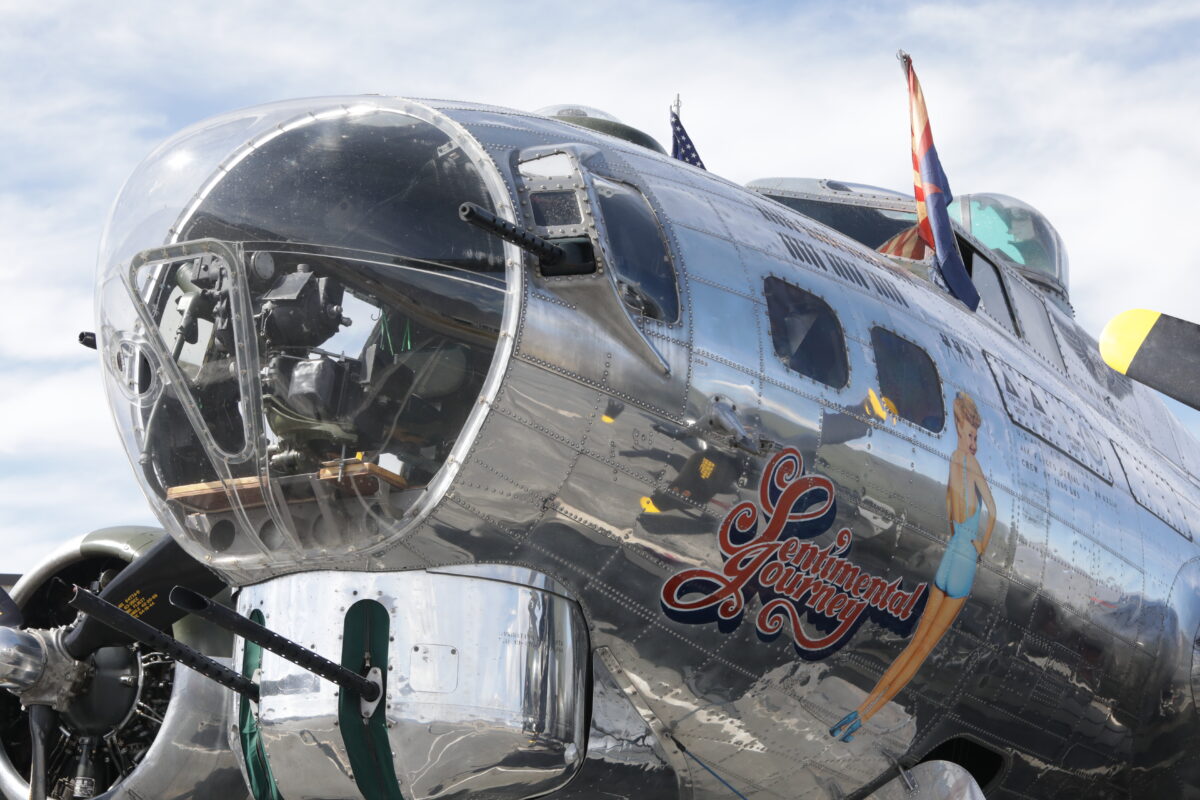
- B-17 “Sentimental Journey” as seen on Thursday, Sept. 24, 2026, in Spanish Fork.
-
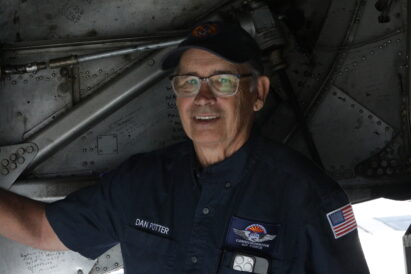
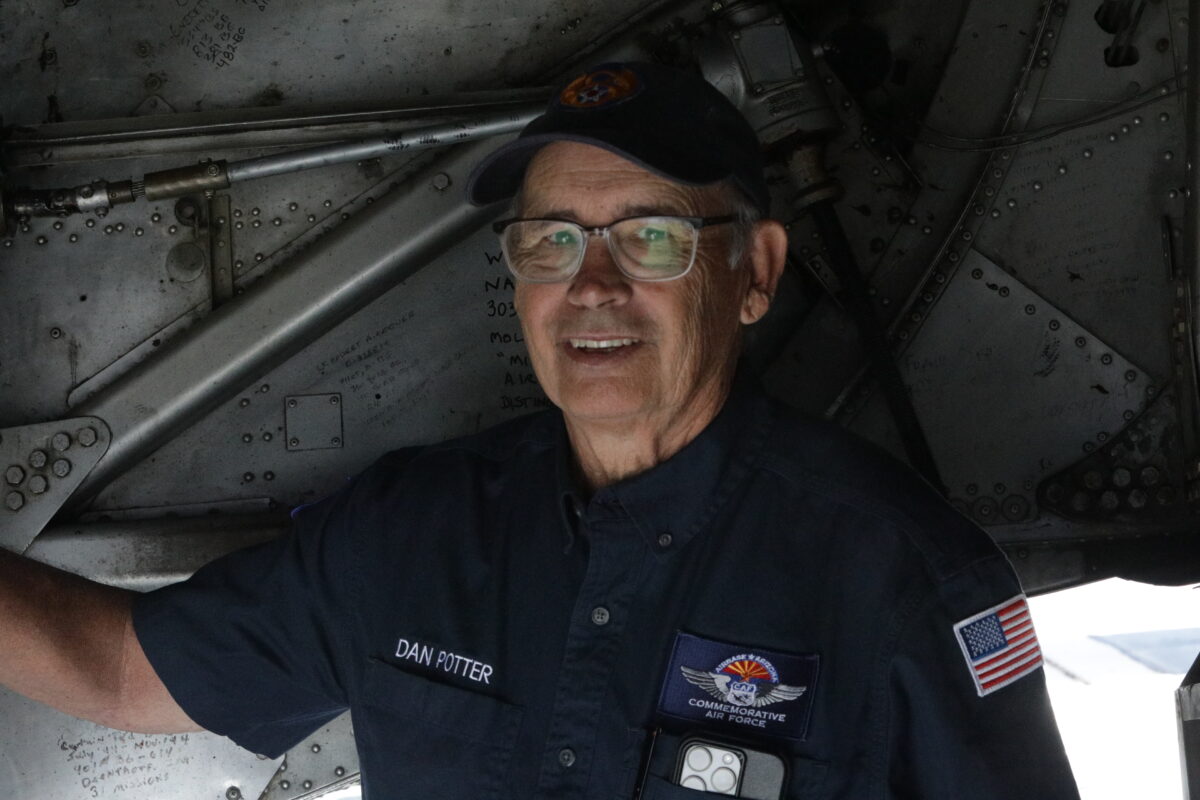
- Aircraft mechanic Daniel Potter shows the interior of the B-17 “Sentimental Journey” on Thursday, Sept. 24, 2026, in Spanish Fork.
-
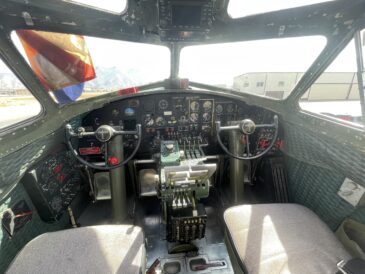
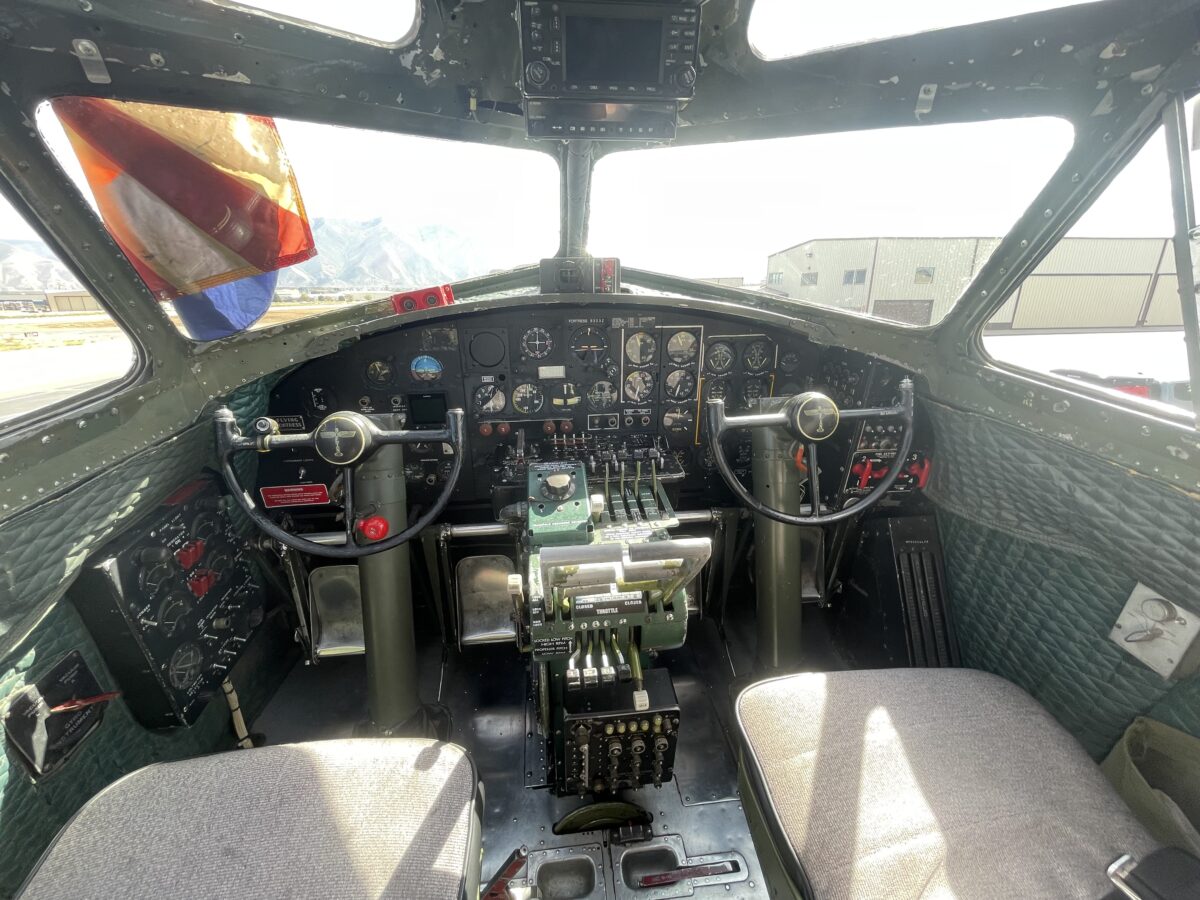
- The interior of the B-17 “Sentimental Journey” as seen on Thursday, Sept. 24, 2026, in Spanish Fork.
-
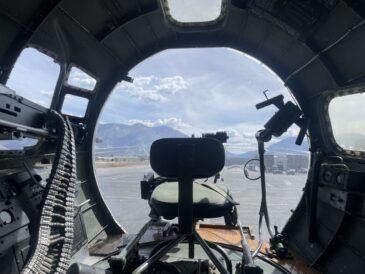
- The interior of the B-17 “Sentimental Journey” as seen on Thursday, Sept. 24, 2026, in Spanish Fork.
When passengers board the B-17 named “Sentimental Journey,” aircraft mechanic Daniel Potter tells them to close their eyes and envision what it would be like to sit in the dark, waiting for the airplane to start up for a mission.
“With a one in 10 chance you’re not going to come back,” Potter said.
That was the reality during World War II, when airmen climbed into the thin metal tube and prepared for what was often perilous danger in front of them.
Just one of three B-17s still flying, and the only one visitors can buy a ride in, Potter views “Sentimental Journey” as a way to teach about the sacrifices made by Air Force veterans and show a piece of aviation heritage.
The opportunity to experience the vintage aircraft came to Spanish Fork Airport in the lead-up to Saturday’s 20th annual Wings and Wheels Airshow. “Sentimental Journey” is one of nine warbird aircraft featured, among several other planes and activities, at the event from 9 a.m. to 4 p.m.
Known as the “Flying Fortress,” B-17s were well-armed bomber planes used in both Europe and the Pacific that were capable of sustaining heavy damage and making strategic bombing raids, according to the National World War II Museum.
Commissioned in 1944, “Sentimental Journey,” a four-engine, 1,200-horsepower aircraft, never saw combat, but it had an extraordinary lifespan stretching to far ends of the globe. The bomber was used to drop lifeboats to aircrew stranded in the Pacific at the end of the war, and later conducted aerial mapping in Asia, according to Potter.
After it was sold by the Air Force, it served as a firebomber fighting forest fires in California, then was bought by the Arizona Wing, which restored it to its original form and flies it around the country for air shows.
“A lot of volunteer laborers keep it flying,” Potter said.
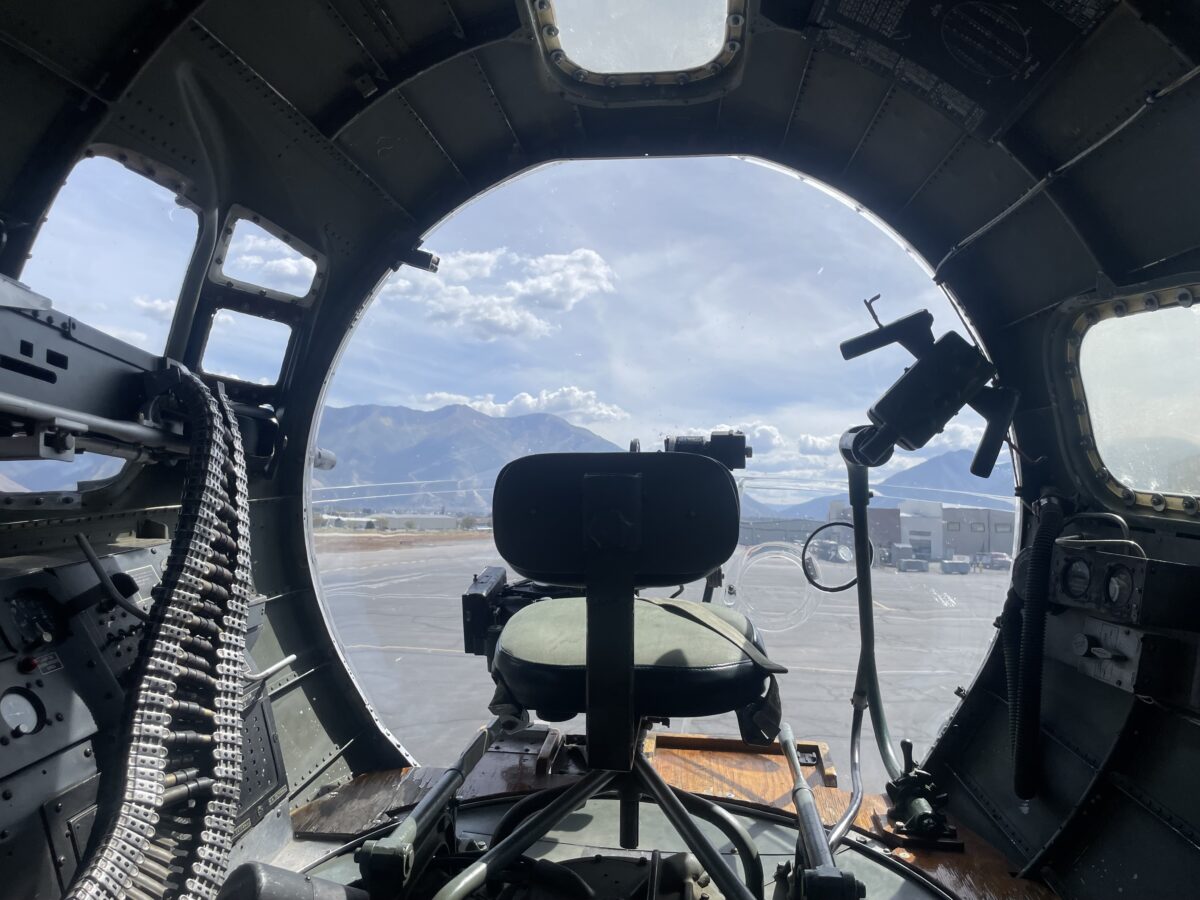
The entire plane serves as a time capsule of wartime aviation, with an operating cockpit, and each section of the plane resembling how it would have appeared in wartime. The plane, designed for a 10-person crew, is fortified by multiple gunner positions and has a room for a bombardier, a navigator, radio operator, pilot and co-pilot, with each section precisely built into their small confines.
In the interior metal of the bomb bay are signatures from veteran airmen and women, listing which war they fought in and what plane they served on.
Potter was proud to show off the aircraft at what he considers one of the premier airshows in the country.
“I think it’s great,” he said. “I’ve been to this air show before, and this is one of the better air shows in the country. I really enjoy it.”
Local News
A piece of history: Operating B-17 on display at Spanish Fork Airport for Wings and Wheels Airshow

Independent review of UVU security following Kirk’s assassination identifies failures, recommends improvements