Garden Help Desk: Got garlic? Late-season sprouting not a concern
-
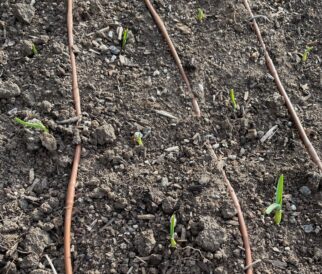
- When mild fall conditions extend later into the season, it’s not unusual for garlic sprouts to poke their heads up above the soil line. There’s no need to do anything special to protect the sprouts. They’ll die back in the frosty weather, but the plants will still do well the following spring and early summer.
-
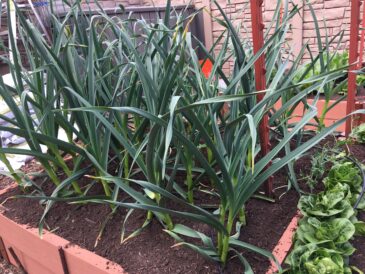
- If you give garlic good care in the early and midspring season, you’ll have healthy plants and a good harvest in midsummer.
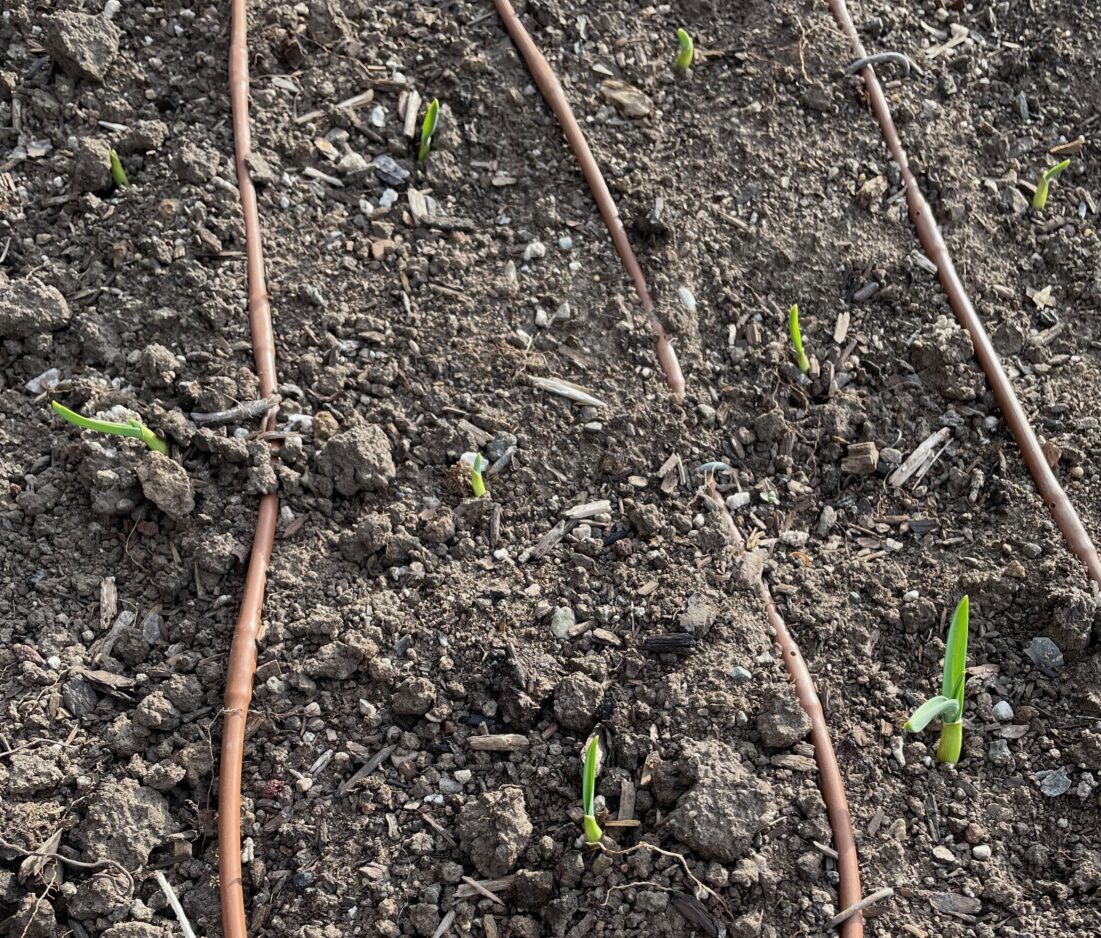
Courtesy Meredith Seaver, USU Extension
When mild fall conditions extend later into the season, it's not unusual for garlic sprouts to poke their heads up above the soil line. There's no need to do anything special to protect the sprouts. They'll die back in the frosty weather, but the plants will still do well the following spring and early summer.
I planted my garlic and shallots in early October and noticed last week that they are putting up green sprouts. Will the freezing temperatures ruin them? Should I replant? Would it help if I cover them with leaf mulch or more soil to protect them?
There’s no need to replant or do anything special about this. It’s not unusual for garlic or shallots to sprout and grow a bit if the weather is mild after planting, and we’ve had a very mild fall until the last week or so. My own garlic and shallots are doing the same thing, and I suspect we have lots of company out in the vegetable gardening community.
There’s no need to cover the plants with more soil or anything else. You’ll almost certainly see some frost damage on those leaves as temperatures keep getting colder this month, but the plants will be just fine and keep working on the robust root system they’ll need in the new season. You can expect to see healthy new green leaves early next spring.
Remember to give the garlic good care next spring and summer. Every clove in a head of garlic and every layer in a shallot bulb or onion comes from an individual leaf on the plant. Make sure there is adequate nitrogen for your plants in late April or early May to promote good leaf growth early in the season and provide consistent, but not frequent watering. By mid-summer you can expect to harvest beautiful heads of garlic.
Last year, I had a very large columnar oak removed from my yard. It was cut off flush with the ground but we didn’t grind the stump. The tree cutter applied something to the stump to prevent sprouting. It was called Tordon. This spring, my large burning bush 3 feet away from the stump didn’t leaf out. The branches are supple and green under the bark all the way to the branch tips, so I’m going to leave this bush in and see if it is better in the spring.
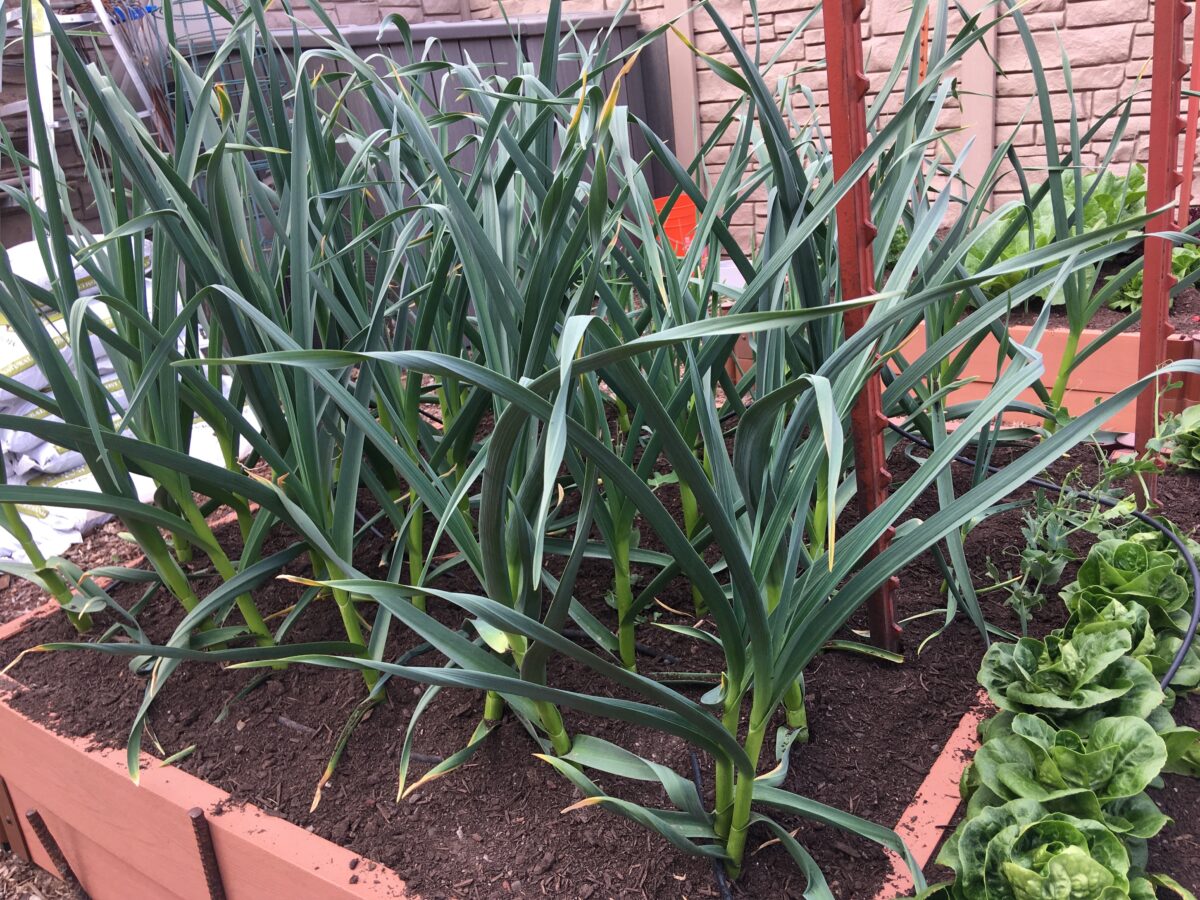
Courtesy Meredith Seaver, USU Extension
If you give garlic good care in the early and midspring season, you'll have healthy plants and a good harvest in midsummer.
The problem is my yews in the same shrub bed. Two have turned yellow and died. I want to dig the yews out and replace them with an upright juniper in the next couple of weeks. Do I need to do something there before I plant the juniper?
I’m afraid the prospects for your juniper, burning bush and other nearby shrubs and perennials aren’t good. The Tordon that was applied to the stump is not registered and labeled for use in residential settings or near ornamental trees and shrubs. Its use is limited to rights-of-way, fence rows, roadsides, non-cropland areas and similar areas where desirable plants aren’t part of the landscape. The label specifically warns about problems like what’s been happening in your yard.
Picloram, one of the active ingredients in Tordon, can move into the topsoil (sometimes by washing off the treated stump, sometimes by moving down through the roots of treated stumps and out into the soil). Picloram can move in irrigation water in the soil and affect nearby plants. Plants growing a little farther away can be affected if their roots grow into the contaminated soil. Picloram can remain active in the soil for one to two years or more, depending on how much was applied. Occasionally, the chemical is only active for a few months. There’s no way to know for sure just how far the chemical has spread in the soil, so trying to solve the problem by removing and replacing the soil won’t be effective.
It’s hard to say just how long this particular application will persist in the soil. I can’t say for certain that picloram was the problem with your burning bush and yews, but the information you’ve given me makes it very likely.
You may want to hold off on planting your juniper until you’ve planted a less expensive “test shrub” next spring to see how it does for a month or two. You may have to do this a few times before a shrub survives. Once a shrub survives and seems to thrive, you can go ahead and plant your juniper.