
BYU: Finding connections: Research explores the fallout of unexpected family relationships from genetic genealogy
-

- A new study by a Brigham Young University professor and a genetic genealogist is seeking participants whose lives have been affected by unexpected family relationships revealed through DNA testing.
-
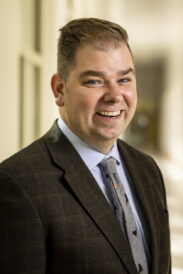
- Joseph Stuart
-

- Diahan Southard

Nate Edwards/BYU
A new study by a Brigham Young University professor and a genetic genealogist is seeking participants whose lives have been affected by unexpected family relationships revealed through DNA testing.
A new study by a Brigham Young University professor and a genetic genealogist is examining how unexpected DNA test results affect individuals and families.
The idea for the research project began when a student came to history professor Joseph Stuart’s office.
“This individual just kept looking past my shoulder out the window saying, ‘I think I found something out about my family,'” Stuart said.
Stuart is now a co-director of the research project Belonging Beyond Biology, along with Diahan Southard, genetic genealogist and founder and CEO of Your DNA Guide. They are searching for stories from people whose lives have been changed by unexpected DNA test results. Stuart and Southard then collect the stories through interviews and analyze them to find patterns in the experiences of family members.
Southard began working in the field of genetic genealogy while attending BYU around 1999 and later worked with the Sorensen Molecular Genealogy Foundation and Relative Genetics. Stuart specializes in family history and genealogy at BYU, giving him an important background for this work.
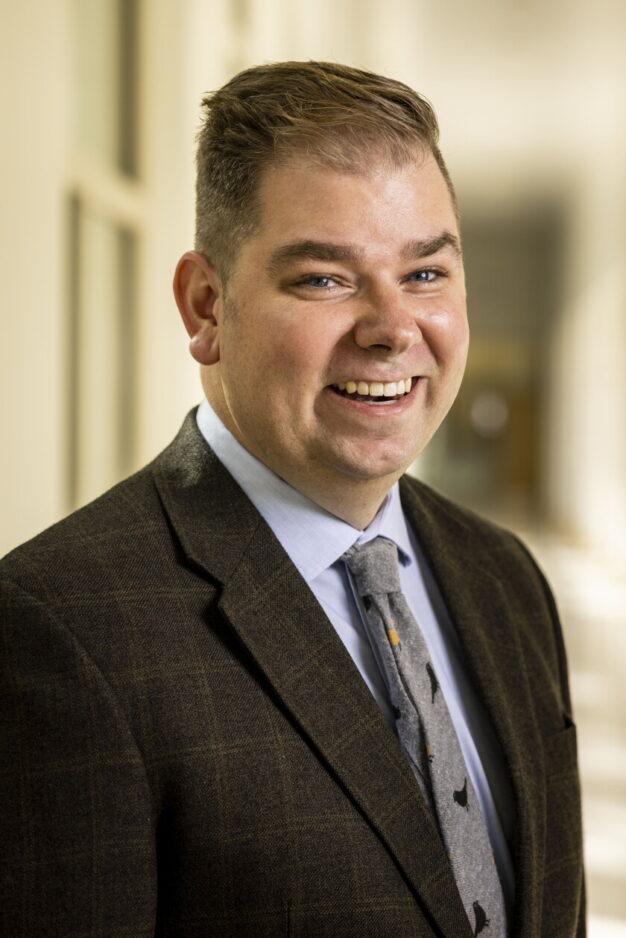
Courtesy BYU
Joseph Stuart
“Genetic tests can be really disorienting,” Stuart said. “When you receive the results from a DNA test, you log into a website and it gives you a bunch of names and usernames and some other basic information, but you are not really taught how to read it.”
Discoveries of a different biological parent, an unknown sibling or other surprising biological relationships can reshape a person’s understanding of family. For members of The Church of Jesus Christ of Latter-day Saints, those discoveries can raise questions about faith and eternal family.
“Because Latter-day Saints have a specific theology of family and of eternal connections, it means that those relationships can be so much sweeter when they are known and loved and appreciated, but can be so much more difficult to reconcile when new information that you weren’t expecting comes to light,” Stuart said.
How biological relationships intersect with religious belief is one of the central questions Stuart and Southard hope to explore.
“We also want to identify specifically how these experiences have affected faith and have affected perception of family and affected relationships to the temple and to eternal families,” Southard said. “And that is something that has never been asked, never been explored.”

Courtesy BYU
Diahan Southard
For Southard, the project creates an opportunity to pursue difficult questions through both scientific research and faith.
“Our church leaders have recently put a lot of emphasis on asking questions. Let’s ask hard questions,” Southard said. “Using scientific methods of data collection and interviews and all of that, we are going to be able to start addressing questions about how unexpected biological relationships affect our understanding of sealing, ordinances and covenants.”
Those questions also connect to the project’s emphasis on belonging. Southard believes unexpected discoveries can cause people to reconsider not only who they are but also where they fit.
“These findings can lead people to think, ‘I thought I belonged here. I thought I belonged with these people. I thought I belonged in this faith that espoused these values. And now what? Now that all of that has been challenged, where do I fit? Where do I belong?'” Southard said.
The researchers hope their findings can serve both scholars and people helping individuals navigate those questions, including bishops, Relief Society presidents and ministering brothers and sisters.
Stuart said the interviews have reinforced the importance of listening to people as they process unexpected information.
“Finding peace after unwelcome news often comes down to having someone who understands their experience and someone who is willing to listen to them,” Stuart said.
Southard believes that pursuing answers does not have to conflict with faith.
“It is all going to work out,” she said. “But also, God wants us to ask these hard questions. He wants us to think about them. He wants us to investigate them in a way that will encourage faith and will increase our testimony.”
Belonging Beyond Biology is seeking participants whose lives have been affected by unexpected family relationships revealed through DNA testing, including those who received the results and their spouses, children and other family members. Those interested in sharing their experiences or learning more about the study can visit the Belonging Beyond Biology website.
Community

German-themed Christmas market coming to Provo in December
Honoring those who served: Military members celebrated at Orem Veterans Day program