
Marriage, loneliness, and life after deployment: BYU research explores lasting effects of military service on couples
-
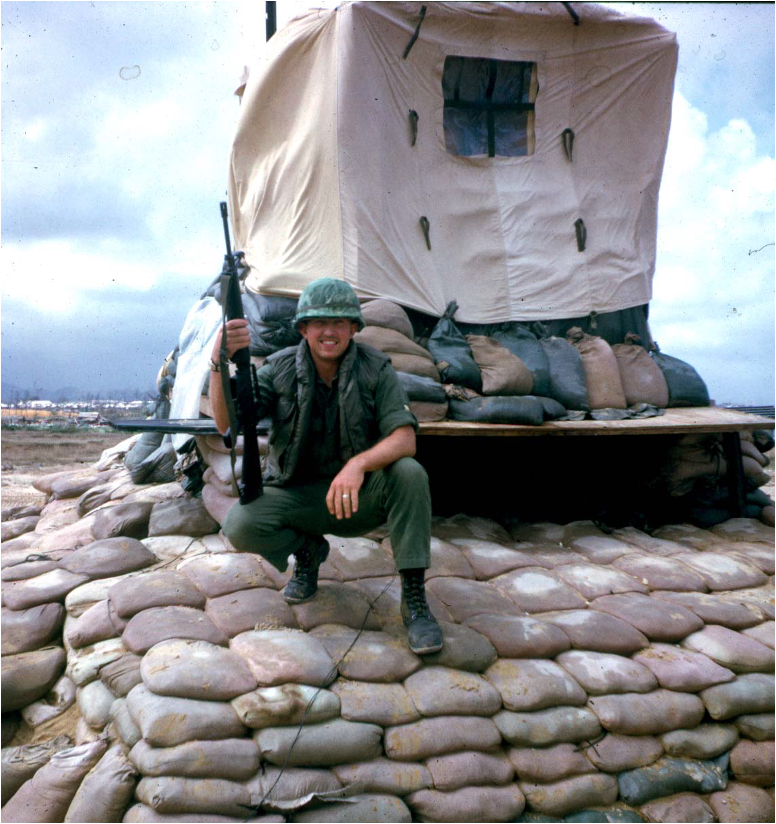
- A soldier poses for a photo in Vietnam.
-
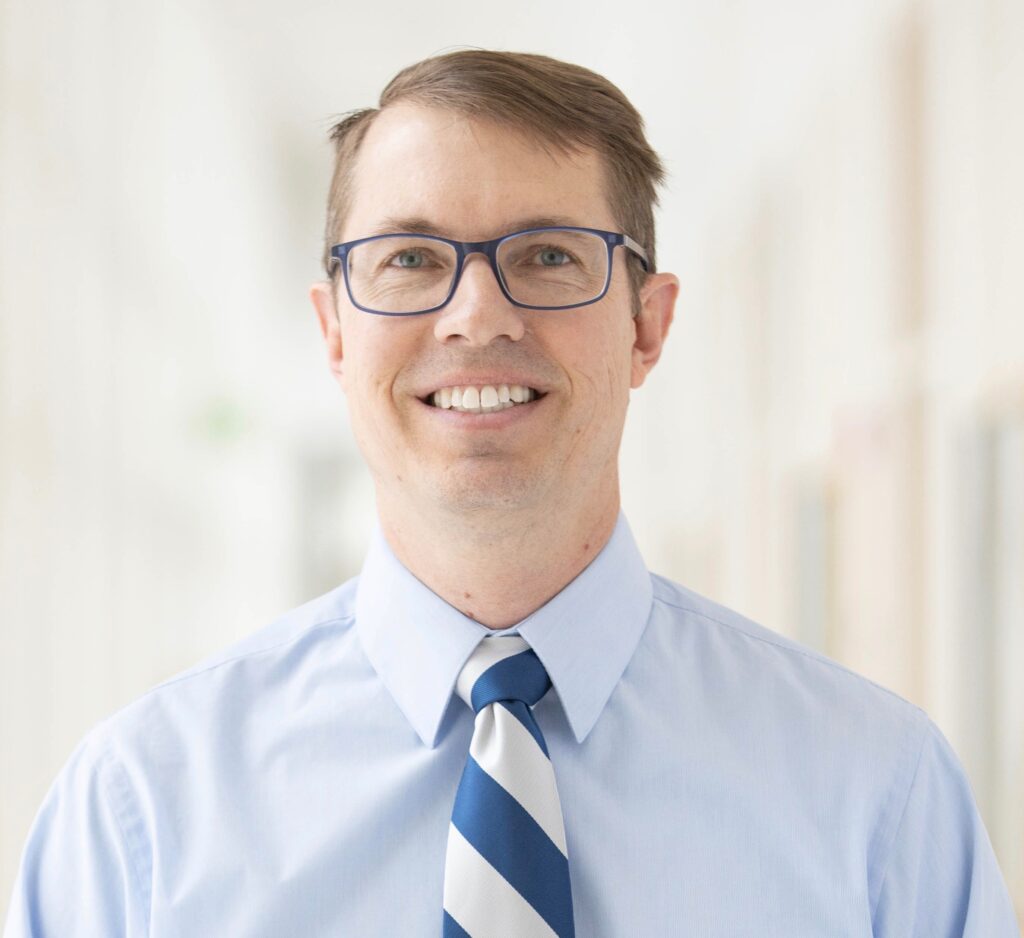
- Jeremy Yorgason
BYU School of Family Life professor Jeremy Yorgason recalls that his father, a Vietnam veteran, always had trouble sleeping. “He was always up at night and often working,” said Yorgason. Now Yorgason understands that the insomnia was likely connected to post-traumatic stress disorder or PTSD.
Two of Yorgason’s research papers were recently named in the 2026 Thompson List, an annual selection of research papers recognized for their innovation and data on military families. Yorgason, who has spent 21 years studying marriage and health, said his interest in military families comes from watching his father.
The Military Family Research Institute at Purdue University compiles the list from around 900 submissions each year. The papers Yorgason contributed to examined (1) marriage and loneliness among aging Vietnam-era combat veterans and (2) the experiences of military couples after deployment.
“When veterans go to war, they not only give in that moment and fight for our country,” said Yorgason. “Their service continues after the war because it impacts the rest of their lives.”
Christina Marini, a psychology professor at Adelphi University, led the research in the first of two papers, “Marital Quality and Loneliness Among Aging Vietnam-Era Combat Veterans: The Moderating Role of PTSD Symptom Severity,” published in Clinical Gerontologist in 2025. Marini analyzed data collected by Yorgason and BYU sociology professors Lance Erickson and Vaughn Call, who is now retired.
“What we were really interested in is if [a veteran’s] marriage relationship benefited them,” Yorgason said. “And the outcome we were looking at was loneliness.”
Higher marital quality was associated with lower loneliness six years after their service, even after accounting for earlier loneliness.
“I think it’s incredible that marital quality was related to loneliness six years later,” Yorgason said.
The researchers also examined whether the severity of PTSD symptoms changed those associations. With higher PTSD symptoms, there was no longer an evident association between companionship and lower loneliness, suggesting that marital benefits were lower when PTSD symptoms were high. Shared social activities, though, were associated with lower levels of loneliness.
“Marital sociability, like helping your partner get out and interact with others and be in society, those benefits lasted, even with higher PTSD symptoms,” Yorgason said.
The researchers noted that for veterans with higher PTSD symptoms, mental health treatment to decrease symptom severity may help them reap the benefits of higher-quality marital relationships.
Yorgason, Erickson, and Call collected the data in 2010 and 2016 from 269 Vietnam-era combat veterans who were married or in committed relationships. The researchers looked at marital companionship (spousal affection and understanding), marital sociability (shared social activities), and loneliness.
Yorgason’s second article was funded by the U.S. Department of Defense and also published in 2025. Yorgason teamed up with Leanne Knobloch and Lynne Knobloch-Fedders, who are sisters, to publish “Reunion After Deployment: Describing Findings From a Study of Military Couples Funded by the U.S. Department of Defense” in Military Medicine.
In this study, they collected information from service members and their partners, examining changes in intimacy, daily routines, parenting and other aspects of their family relationships.
“So, you see the post-deployment reunion and people are so excited to be together again,” Yorgason said. “And now they are faced with new trials and things to work through together.”
“Anxiety did go down over time post-deployment, and difficulty with the reintegration also went down over time,” Yorgason said. Although anxiety and troubles readjusting decreased over time, he said that couples still faced challenges within their relationships such as “more turbulence and uncertainty” and “less affectionate communication between partners.”
One of the primary findings was that anxiety subsided faster for returned service members who communicated with their partner more often.
For Yorgason, the findings point to the role of relationships in veterans’ lives and the challenges that can continue after military service.
“We should give veterans grace, we should give them support, and help them post-deployment,” he said. “Really, when you’re a veteran, you’re sacrificing for your country during your whole life.”

