A bonus delivery to the Utah Food Bank in Springville
-
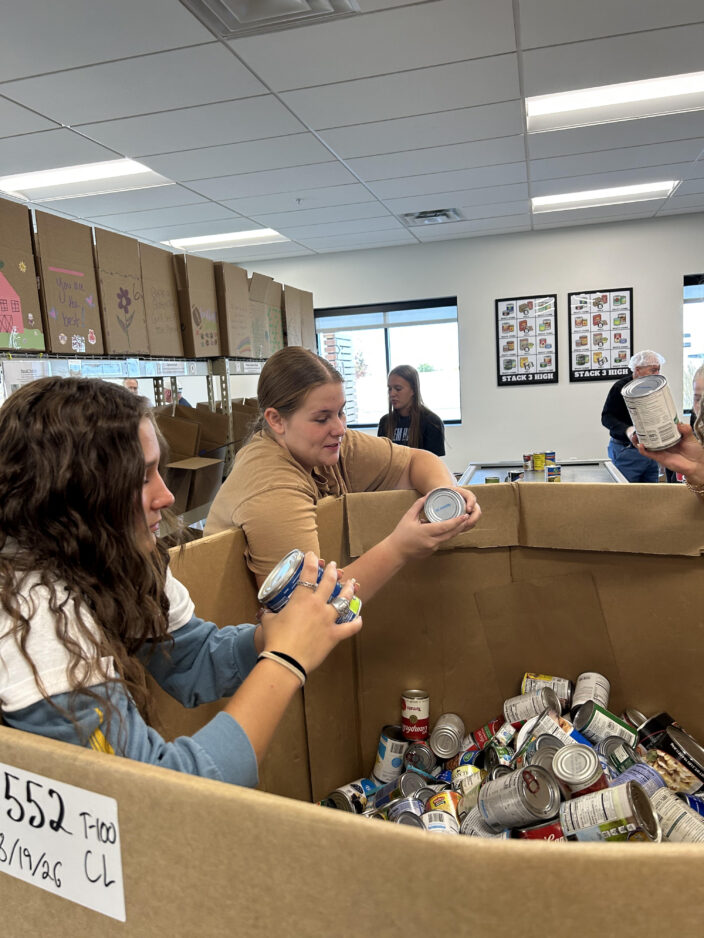
- Students from Salem Hills High sort food after the Utah Food Bank in Springville received a donation from the Church of Jesus Christ of Latter-Day Saints on Thursday, Sept. 24, 2026.
-
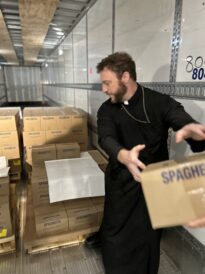
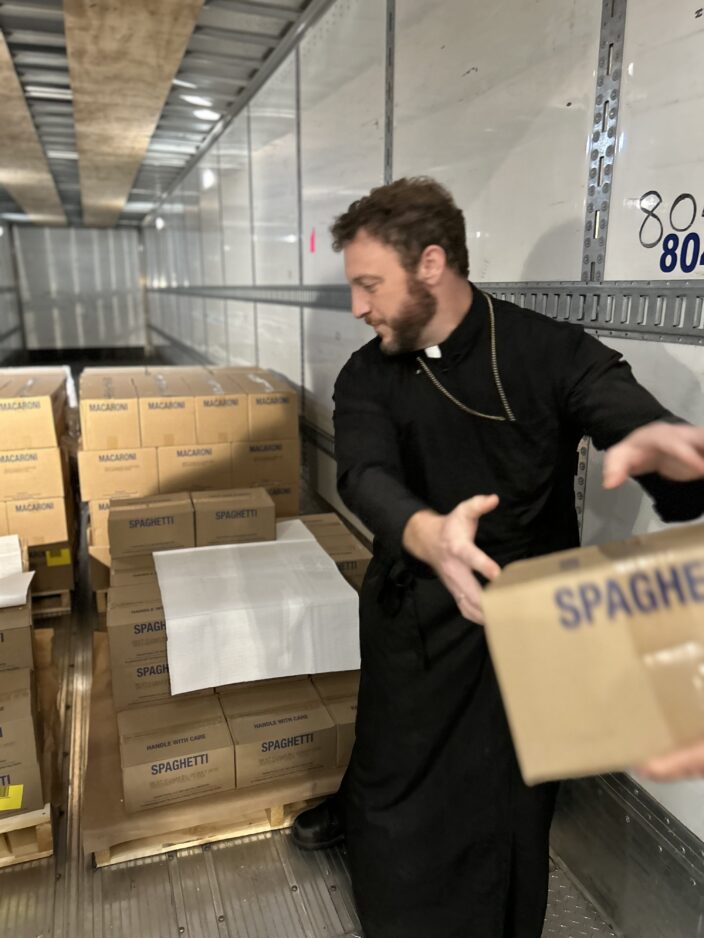
- Father Justin Havens from St. Xenia Orthodox Church sorts food after the Utah Food Bank in Springville received a donation from the Church of Jesus Christ of Latter-Day Saints on Thursday, Sept. 24, 2026.
-
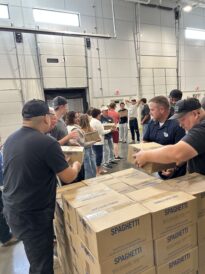
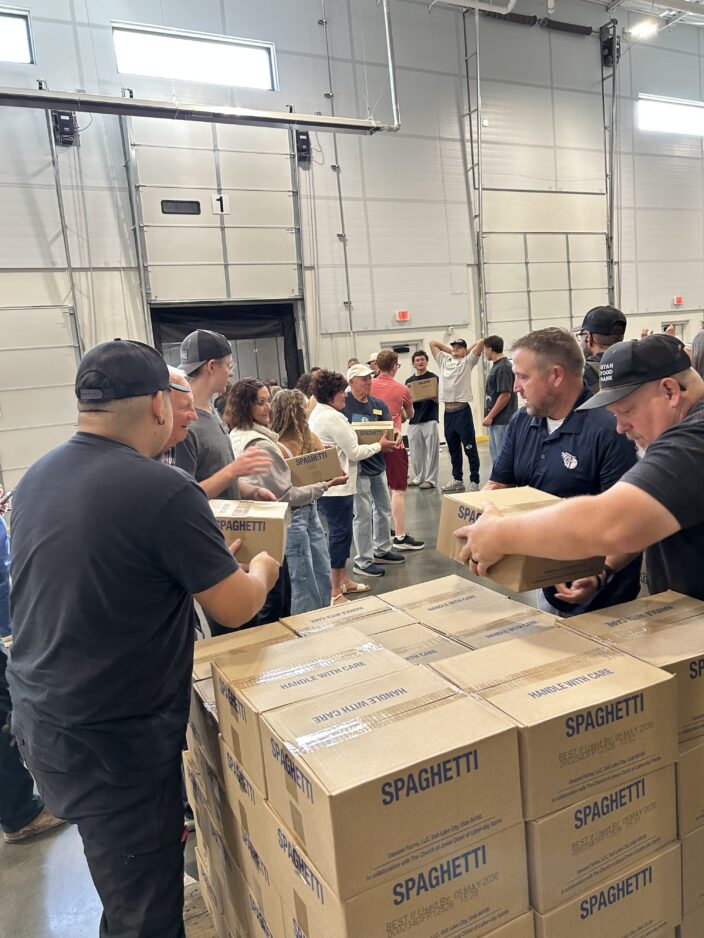
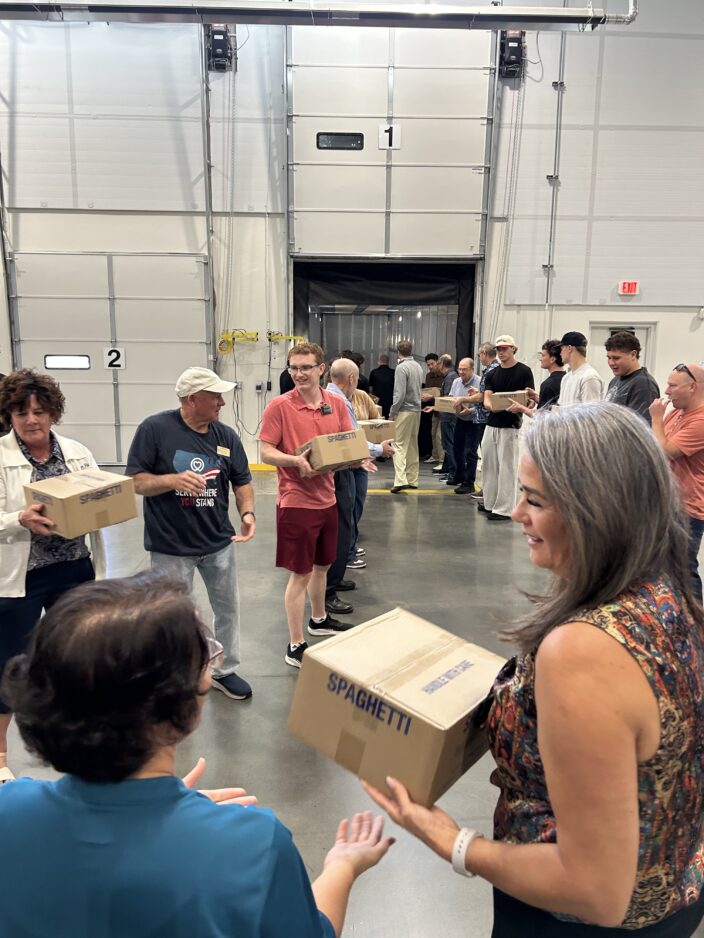
- Community members unload spaghetti boxes after the Utah Food Bank in Springville received a donation from the Church of Jesus Christ of Latter-Day Saints on Thursday, Sept. 24, 2026.
-
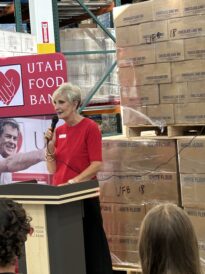
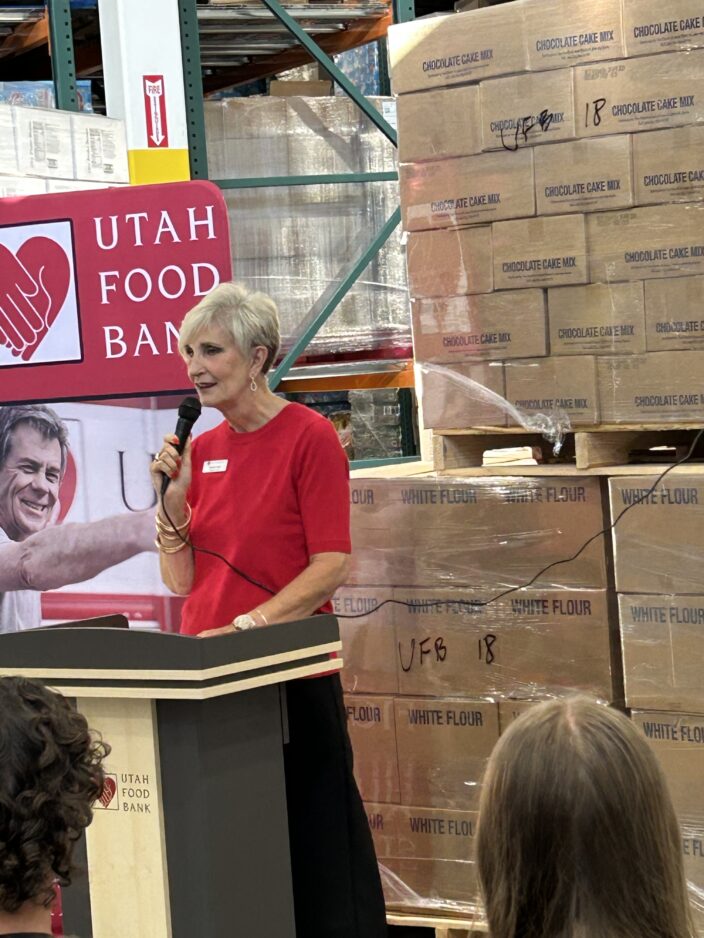
- Ginette Bott, CEO of Utah Food Bank, accepts a donation from the Church of Jesus Christ of Latter-Day Saints on Thursday, Sept. 24, 2026.
-
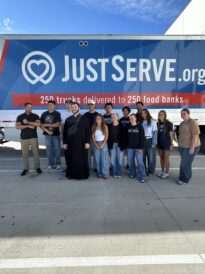
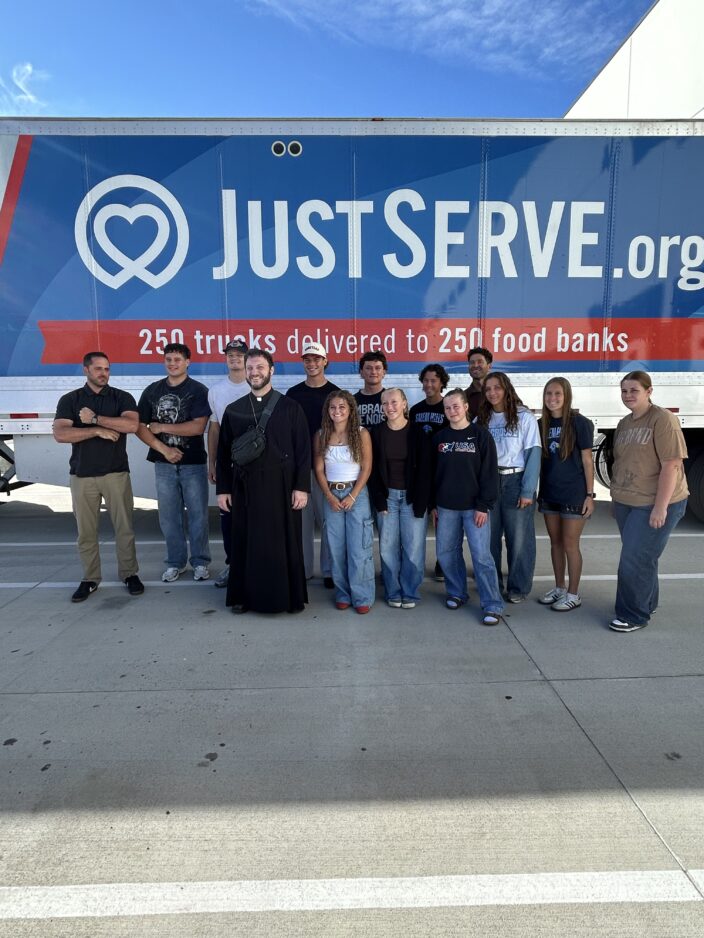
- Father Justin Havens and Salem Hills students pose for a photo at the Utah Food Bank in Springville after it received a donation from the Church of Jesus Christ of Latter-Day Saints on Thursday, Sept. 24, 2026.
-
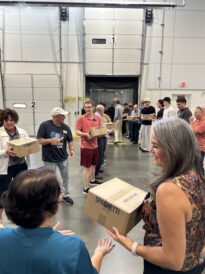
- Community members unload the last pallet after the Utah Food Bank in Springville received a donation from the Church of Jesus Christ of Latter-Day Saints on Thursday, Sept. 24, 2026.
In celebration of America’s 250th anniversary, The Church of Jesus Christ of Latter-day Saints donated 250 semi-truck loads of food which were delivered to food banks throughout the country. Then, through a series of humble requests and eventual approvals, the Church decided to send a 251st delivery to the Utah Food Bank in Springville, going more than a few extra miles.
The delivery, which took place on Thursday, was welcomed by employees, volunteers, local city and state leaders, assorted youth groups, leaders from various churches, and generous folks throughout the valley who were inspired to participate. Being at the Utah Food Bank delivery felt a little like greeting the last covered wagon to make it into the Salt Lake Valley, which must have been welcomed with great communal joy and enthusiasm.
During the celebration, Father Justin Havens from the St. Xenia Orthodox Church in Payson said the “humble command to feed the hungry brings us to the Utah Food Bank.” He pointed out “the law of fasting and abstinence” helps us to be grateful for food and more willing to share food with others. Monica Bambrough, from the Church of Jesus Christ of Latter-day Saints, told the story of how the Timpanogos Distribution Center of the Utah Food Bank, almost because of a mistake, got to be the bonus food delivery. The Church had already delivered a truckload of food to both Salt Lake City and St. George.
The Utah Food Bank claims that 1 in 5 children in Utah have food insecurity–they do not know where their next meal is coming from. To help feed people, the Food Bank receives donated food from not only the Church, but also the USDA, national commercial businesses, local donations (such as money and food drives), and grocery rescue programs. Drivers collect donated perishables near the expiration date from local grocery stores and bakeries and distribute the rescued food to local food pantries, which then pass out food to those in need. Of course, all of the food is free.
That need is growing. With inflated grocery, gas, housing, and health costs, many families must decide between feeding the family or paying a bill. According to Tabitha’s Way, a local food pantry, the people who come for food are usually housed and working, but they have a sudden need, often caused by job loss, abandonment, or health issues like cancer. Most of the people they serve collect food for about three months. Food pantries also help patrons find and solve the root cause of their food insecurity by offering career and mental health counseling.
Many people, moved by compassion for their neighbors, want to help. According to Ginette Bott, president and CEO of Utah Food Bank, people can give “three things: food, time, and money.” Organize or join a food drive in your community. Donate money. The Utah Food Bank also accepts volunteers to help sort donated cans and repackage large boxes into small containers, such as 2,000 pounds of apples or potatoes into 5-pound bags. Many people already volunteer, but they need more help. They have space for volunteers during the days and Monday through Thursday evenings. Entire families (children 6 and older) can help. See utahfoodbank.org for details.
Last year the Utah Food Bank distributed food for 58 million meals. With a lean staff, they rely on volunteers to help with driving food boxes to the elderly, packing food boxes, sorting food, and even decorating food boxes and writing notes to help lift the spirits of those receiving food.
Utah’s food banks and pantries will continue to serve the people until we can eliminate food insecurity problems, and the communities have shown they will continue to support the cause.