
LLOYD: The fundamental challenges of America haven’t changed, but I still believe in it
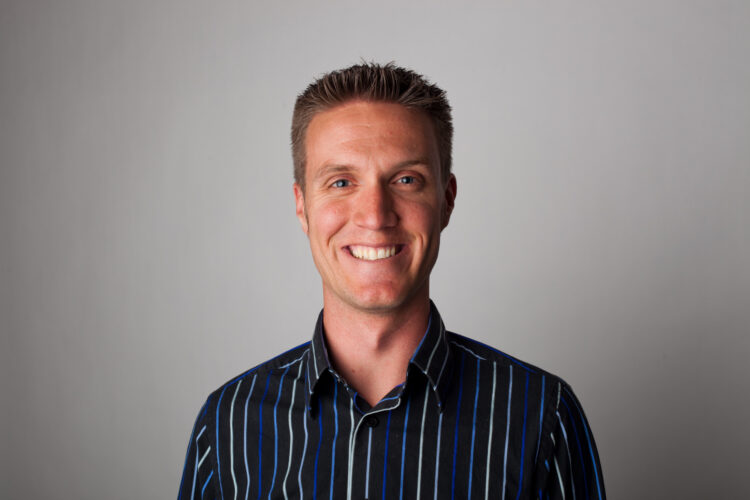
Spenser Heaps
Jared Lloyd mugI had the opportunity this week to be in Philadelphia exactly 250 years after the first public reading of the Declaration of Independence, which occurred on July 8, 1776.
As I walked past the structure we call Independence Hall (originally called the Pennsylvania State House) and the Liberty Bell, as well as many other historic locations in the nation’s first capital city, I wondered what it would’ve been like to be there when the declaration was read.
History tells us that Philadelphia was the largest city in the American colonies and second only to London in the British Empire, encompassing 30,000 to 40,000 residents in a relatively small area.
Many of the citizens had likely read the pamphlet, “Common Sense,” which we know was written by Thomas Paine but was published anonymously in January of 1776 and found a large audience that agreed with its arguments that pushed for the colonies to declare independence.
Thus it isn’t surprising to envision the reported thousands of Philadelphia residents who showed up to listen to Colonel John Nixon of the Pennsylvania militia read the document on that day.
But I saw some of the other side when I visited the Museum of the American Revolution, which is just down the street from Independence Hall. It described how many of those who lived in the American colonies felt very differently about independence than those we call the Founding Fathers.
Many responded to Paine’s writings with disagreeing pamphlets of their own, including Maryland planter James Chalmers’ “Plain Truth” and New York minister Rev. Charles Ingles’ “The Deceiver Unmasked.”
It is estimated that 40-45% of Americans in the 1770s considered themselves Patriots and sought independence, while 15-20% considered themselves Loyalists and sought reconciliation with the British Empire. The other 45-55% of the population found themselves in the middle, many with conflicted loyalties or uncertain futures.
It struck me as I looked at all of these historical viewpoints that in many ways nothing has changed.
Here we are 250 years later with strongly divided views about what direction the country should take, conservative or liberal, Republican or Democrat. And we have an awful lot of people who don’t necessarily think either side is altogether correct in its views, although they may lean more one way or the other.
There are fears now tied to the economy and taxation and immigration and potential foreign threats, just as there were then.
Just like in 1776, individuals come from diverse backgrounds and hold different beliefs, drawing on their own experiences and understanding to create their world view — which often differs from how others see things.
Here in 2026 we have tools that our ancestors didn’t, including near-instantaneous worldwide communication, rapid transportation and ready access to enormous amounts of information.
But, in my opinion, these tools are both beneficial and detrimental.
They’ve changed the metaphorical game board, but in so many ways the players — us — really aren’t that different.
And that’s precisely why I still believe in the United States of America, despite all of its problems.
Because, to me, people have so much good inside them. We just have to take the time to see it.
This nation that charted its course all those centuries ago to being truly governed by the people has to deal with the weaknesses and frailties inherent in humanity.
Just like the rock band Incubus sang in the song “Drive” back 2000, “I can’t help but ask myself how much I’ll let the fear take the wheel and steer.” Fear certainly steers the nation at times, but I hope we don’t let it steer the nation all the time.
Because for all the unfortunate qualities that come with having the people run things, we also see it bring out the best in us.
We see people — and yes, even sometimes the government — working to improve the world, to provide opportunities, to help those who struggle, to be better.
Are we some perfect utopia yet?
Of course not.
That will never happen with imperfect humans in charge, not to mention the fact that my idea of a perfect utopia may be very different than yours.
But we do have more optimism and compromise and hope and compassion in this nation of ours than I think we realize.
That is where I think the true strength of America lies.
We can and will disagree, just as those who lived here 250 years ago did.
But we too can forge ahead and believe in our collective ability to make our nation a better place.
Jared Lloyd is the managing editor of the Daily Herald and can be reached at jlloyd@heraldextra.com.
Opinion

HARROP: If Hegseth wants to strip the military of weirdos, he should resign
MCCARTHY: Latin America’s many Trumps
Latin America is turning right, and it's a vindication for President Donald Trump and Secretary of State Marco ...
