
Matters that Matter: Let’s put an end to domestic abuse
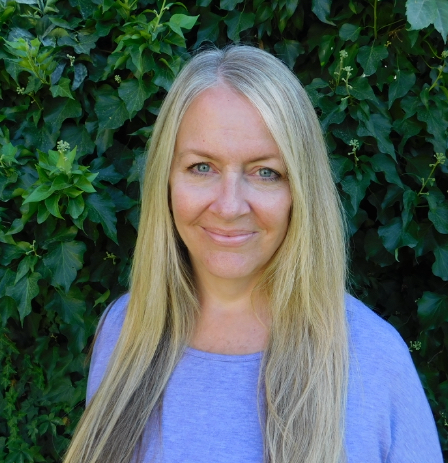
Laura Cammack Giles
As we approach the end of the month of October, it’s important to not end awareness of domestic abuse. Every October is designated as Domestic Violence Awareness Month (DVAM). This month helps us remember to continue to talk and share resources about domestic violence and other forms of domestic abuse.
Staying silent helps abusers to continue to abuse. Talking helps friends and family learn about signs of abuse and helps survivors know where and how to get help.
Utah Domestic Violence Coalition kicked off the month on social media with a reminder of one of the first places someone should turn to for domestic abuse support: the LINKLine. “The LINKLine is Utah’s domestic violence hotline, available 24/7. Its purpose is to link anyone affected by abuse with resources in their community. We know calling a hotline can feel hard; you won’t regret taking this first step. You’ve got this. We’ve got you,” states a recent post.
According to the National Coalition Against Domestic Violence, Domestic Violence Awareness Month was launched in 1987 as a way to help victims get help and support, bring awareness to the issue and hold abusers accountable. While domestic violence is one focus of the month, it is important to remember that there are other types of domestic abuse in addition to physical violence.
Types of abuse include physical, sexual, financial, technological, spiritual, psychological and emotional as well as stalking, according to Utah Domestic Violence Coalition. A victim may not realize that abuse is occurring because we so often think of abuse as physical hitting, punching, kicking, etc. But verbal and emotional abuse can have both short-term and long-lasting effects that are just as serious as the effects of physical abuse. Verbal abuse is also often a sign that physical abuse may follow.
According to National Domestic Violence Hotline, a victim may be in a verbally abusive or emotionally abusive relationship if a partner attempts to exert control by: calling names, insulting, constantly criticizing, refusing to trust, isolating from friends and family, damaging a partner’s belongings, humiliating or threatening.
That sign of one partner trying to exert more power or control in the relationship is a key indicator that friends and family members can often see. Some other common signs include isolation – trying to keep one partner away from family members and friends, controlling finances and controlling actions such as where to go and who they can interact with. If we see these signs, we can’t stay silent. There are too many victims who need our help.
Fortunately, there is hope and help for anyone facing domestic abuse. Many domestic violence help websites have a fast exit tab that can be clicked to get off of the page immediately in case a violent partner is about to see the computer or phone. Help is available 24 hours a day at The Refuge Utah’s domestic violence hotline at 801-377-5500. The hotline can be used by victims or loved ones who want to know how to help.
For those who are being abused, whether it be verbal, physical, sexual or economic or through other controlling behaviors, there is hope. Please don’t think that because you may not have visible bruises, you can’t ask for help. Please don’t give up on the hope for a better life.
If you see this happening to a friend, neighbor, family member or anyone that you know or encounter, offer a listening ear, believe, share resources and provide support. We can all help by not looking the other way. We can all help by taking abuse seriously – no matter what form it is. Keep the conversation going, even past the month of October.
Help for domestic abuse:
National Domestic Violence Hotline
thehotline.org
1-800-799-SAFE (7233)
Text “START” to 88788
Utah Department of Human Services
dcfs.utah.gov
Utah Domestic Violence Coalition
udvc.org
1-800-897-LINK (5465)
The Refuge Utah
therefugeutah.org
801-377-5500
Opinion

LLOYD: How should initiatives and referendums be handled in Utah?
Guest opinion: Voting for Amendment B would diminish your rights
During the summer, I drove with my family across a few states for a family church event. A sign I saw gave me hope: ...
