DWR urges Utah anglers to prepare for tough fishing conditions during drought year
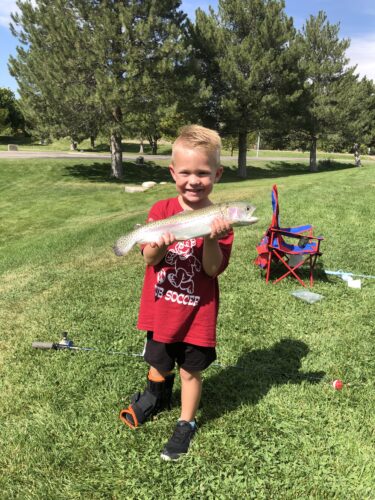
With this year’s record low snowpack, low water levels are top of mind for many Utahns. Drought impacts many things, including fish and wildlife species
SALT LAKE CITY — With Utah facing record low snowpack levels this year, state wildlife officials are warning anglers that drought conditions could significantly impact fishing across the state during the coming months.
The Utah Division of Wildlife Resources said low water levels and warmer temperatures are already creating challenges for fish populations in many lakes, reservoirs and streams, especially in southern Utah.
According to DWR Sportfish Coordinator Trina Hedrick, shrinking water supplies can quickly lead to stressful conditions for fish species, particularly trout.
“This smaller amount of water heats more quickly and warms to higher temperatures than when there is more water available,” Hedrick said in a statement. “Warm water also holds less oxygen than colder water. The combination of high temperatures and low oxygen can stress many coldwater fish species — like trout — which causes poor growth and disease.”
Wildlife officials said trout living in mid-elevation lakes and reservoirs in southern Utah are expected to be among the species most affected by drought conditions this year.
Boaters urged to check conditions early
The DWR is encouraging anglers who enjoy boating to visit reservoirs earlier in the season before declining water levels begin affecting boat ramp access.
Some lakes and reservoirs could drop to levels later this summer where ramps may no longer function. Officials recommend checking current conditions before traveling.
The state also noted that water releases from Flaming Gorge Reservoir to Lake Powell are continuing through April 2027 in an effort to prevent critically low elevations at Lake Powell.
Those planning trips to Flaming Gorge or the Green River are advised to monitor current release schedules and boat ramp conditions through federal agencies before heading out.
“Fishing may not be the same this year in some areas,” Hedrick said. “Fish may be found in different locations throughout a waterbody than usual, and especially later in the season.”
Fish stocking plans changing
The DWR said it is also adjusting fish stocking efforts statewide in response to the drought.
Some waterbodies expected to suffer severe drought impacts may receive fewer fish, while other locations could receive additional stocking. Officials are also shifting toward more warmwater species that can better tolerate higher temperatures and lower oxygen levels.
Fish species including channel catfish, walleye and wipers are expected to play a larger role in future stocking plans as Utah adapts to increasingly warm and dry conditions.
“As part of our 30-year plan for the future of fishing in Utah, we are also working to adapt our management strategies to ensure the long-term health and viability of our aquatic resources,” Hedrick said.
Tips for anglers during hot weather
Wildlife officials said anglers can help reduce stress on fish populations by adjusting fishing practices during the hotter months.
The DWR recommends fishing during cooler morning or evening hours and avoiding shallow coves with stagnant warm water. Anglers practicing catch-and-release are encouraged to release fish in deeper, cooler water whenever possible.
The agency also shared several recommendations for properly handling fish to improve survival rates:
- Use single hooks and flatten barbs for easier release.
- Limit the amount of time spent fighting or handling fish.
- Use rubber or coated nylon nets to protect scales and slime layers.
- Keep hands wet when handling fish.
- Minimize exposing fish to the air.
- Allow fish time to recover before release.
Officials said anglers who catch fish from deep water and notice signs of pressure-related injury should consider keeping the fish if it is within legal limits or use a descender device to help the fish return safely to deeper water.
More information about drought impacts on fish and wildlife is available through the Utah Division of Wildlife Resources website. Additional water conservation tips can also be found at Slow the Flow.
News
Gunnison Valley Hospital expands governing board to include more community representation
GUNNISON — Gunnison Valley Hospital is expanding its Governing Board to give more communities in the hospital's ...
Manti-La Sal National Forest lifts Stage 1 fire restrictions
Manti-La Sal National Forest lifts Stage 1 fire restrictions PRICE — Visitors to the Manti-La Sal ...