Perfect time of year for flying kites
With the ups and downs in the weather this time of year, blustery days are a common occurrence as storms blow in and out.
So what better way to capitalize on this part of Mother Nature than with a kite?
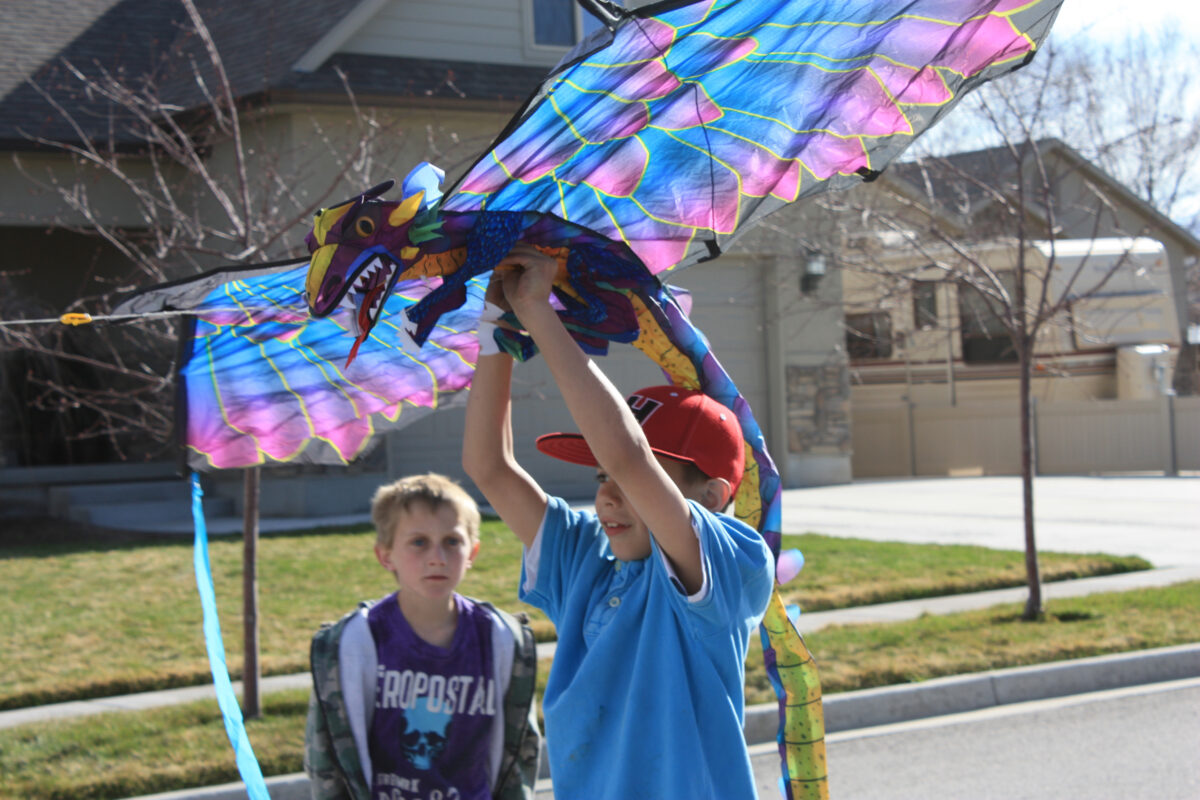
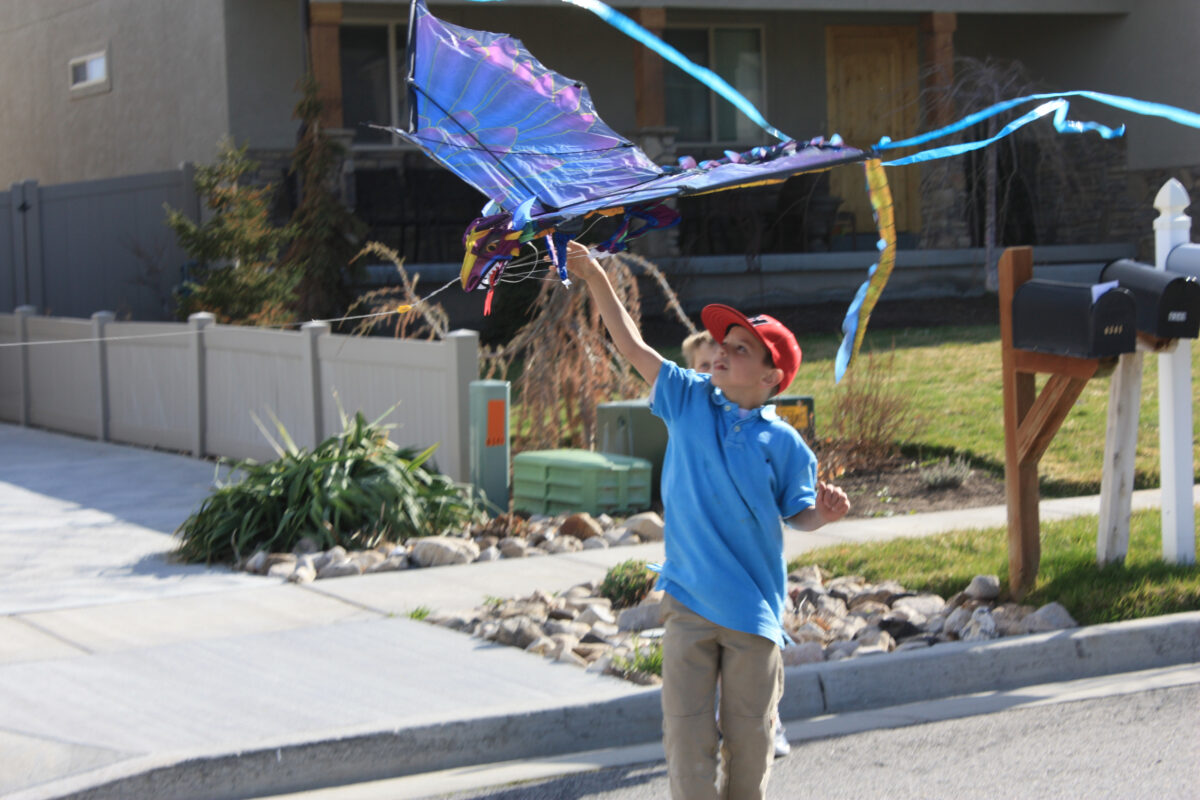
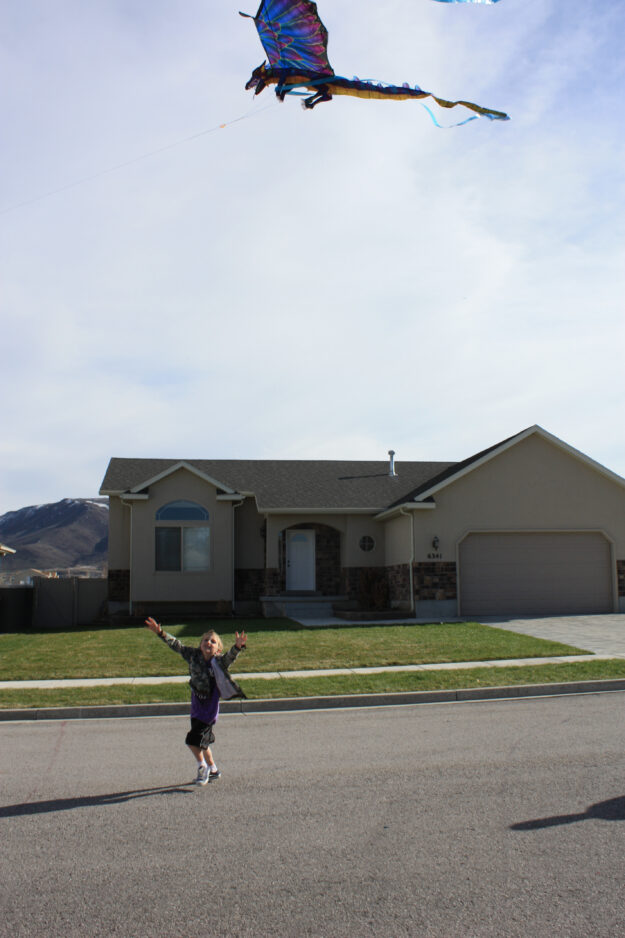
With our house situated on a cul-de-sac, we simply had to walk out the front door — but a park or sports field are both ideal places to fly your kite. We inspired the neighbors to join us with their kites, and it was almost like a scene from “Mary Poppins.”
If you’ve got small kids, they’ll have more fun “chasing” the kites than standing there holding on to the line. While I flew the kite, or handed it off to the 7-year-old neighbor, my 5- and 3-year-olds mimicked the movements of the kite and helped catch the kite when it did a nosedive toward the pavement.
On the day we flew kites, the wind was spotty — there were frequent intervals of gusts and calm, so keeping our gecko kite in the sky was a challenge. And when the gusts became fewer and fewer, we packed up the kite for the next windy day. I’m sure we won’t have to wait too long.
While kite flying might seem like an easy kids’ activity, getting your kite off the ground can be quite a challenge if you don’t know where to begin.
Where to fly
Safety first. Avoid overhead power lines, roads, buildings and trees. Be careful not to fly two kites too close together as they could get tangled.
Taking flight
You don’t need a lot of running room, or any for that matter. Have one person hold the kite downwind. Hold the line in your hands, and give it a tug when the other person releases the kite into the wind. After it climbs, release more line. To launch it on your own, stand with your back to the wind and lift your kite up. Once it catches the wind, release it. Slowly let out more of the line so it can continue to climb.
Watch the wind
Your kite’s material, size and design will determine how much wind is needed to fly. The original packaging may have wind recommendations. If your kite starts diving and looping uncontrollably, there is probably too much wind. If you can’t get the kite up in the air, there’s probably not enough wind. And while storms often have a good amount of wind, don’t fly in wet or stormy weather.
Staying airborne
Keep the string at a comfortable tightness. If it feels too slack, reel in some string. If it is pulling, let out more string.
Touching down
Simply reel it in slowly, or walk toward the kite as you reel it in to help control the speed. If you’re flying in high winds, the line could dig into your hands so you should wear a pair of gloves.