Garden Help Desk: Three tough, beautiful perennials for the water-wise garden
-
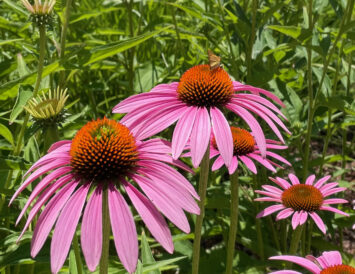
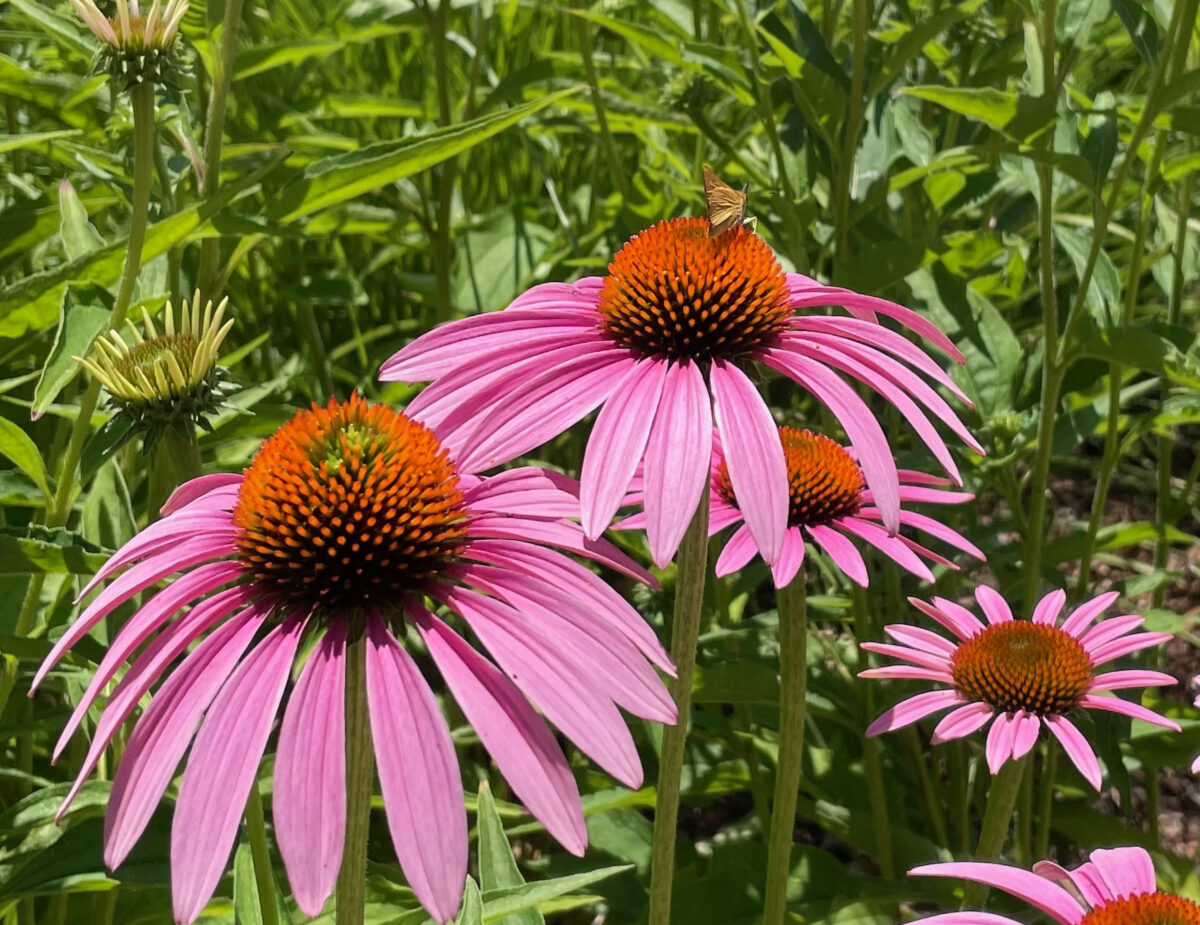
- Echinacea is popular with a variety of pollinators, attracting bees and butterflies. (Photo by Meredith Seaver)
-
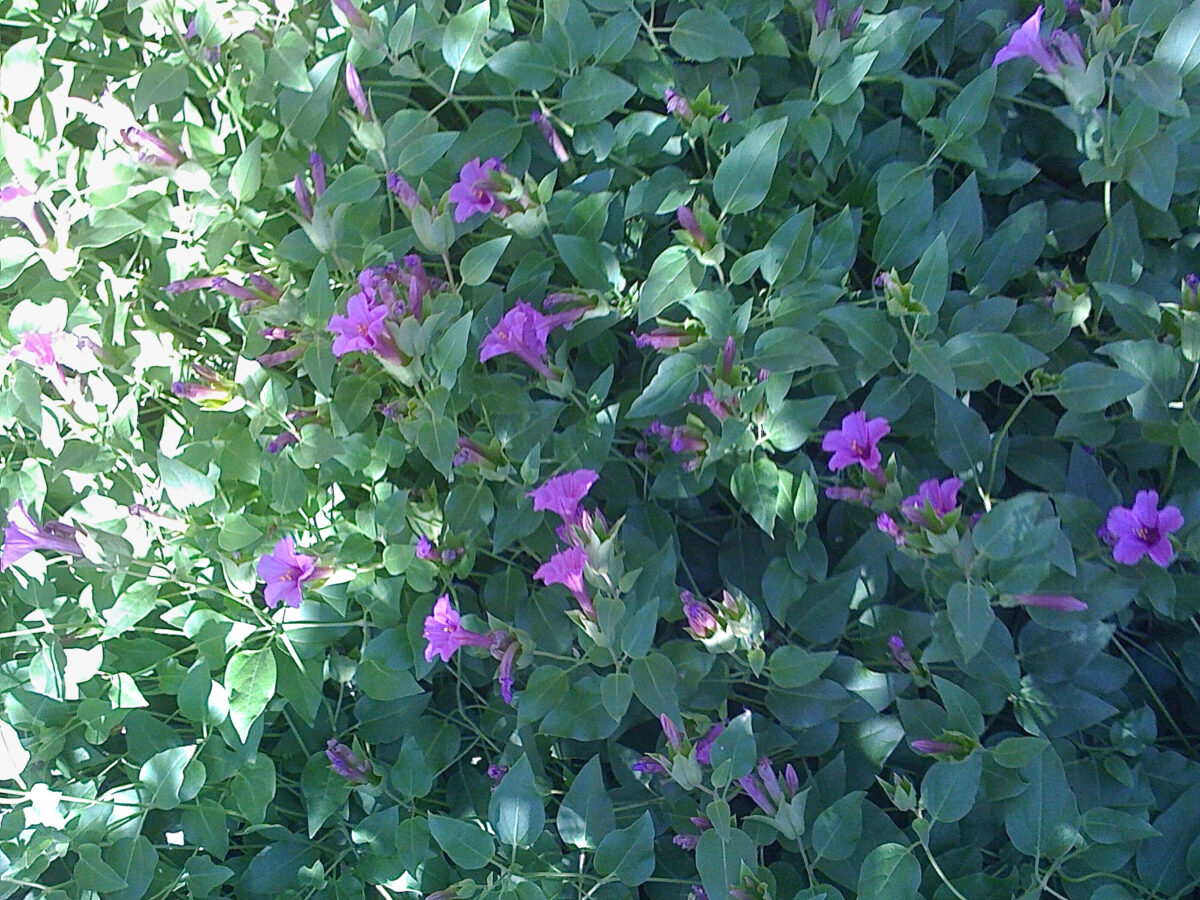
- Desert 4 O’clock can fill space and add season-long lavender-pink color in large perennial beds. (Photo by Meredith Seaver)
-
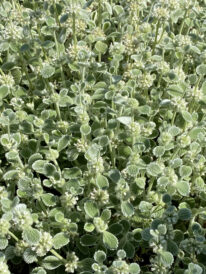
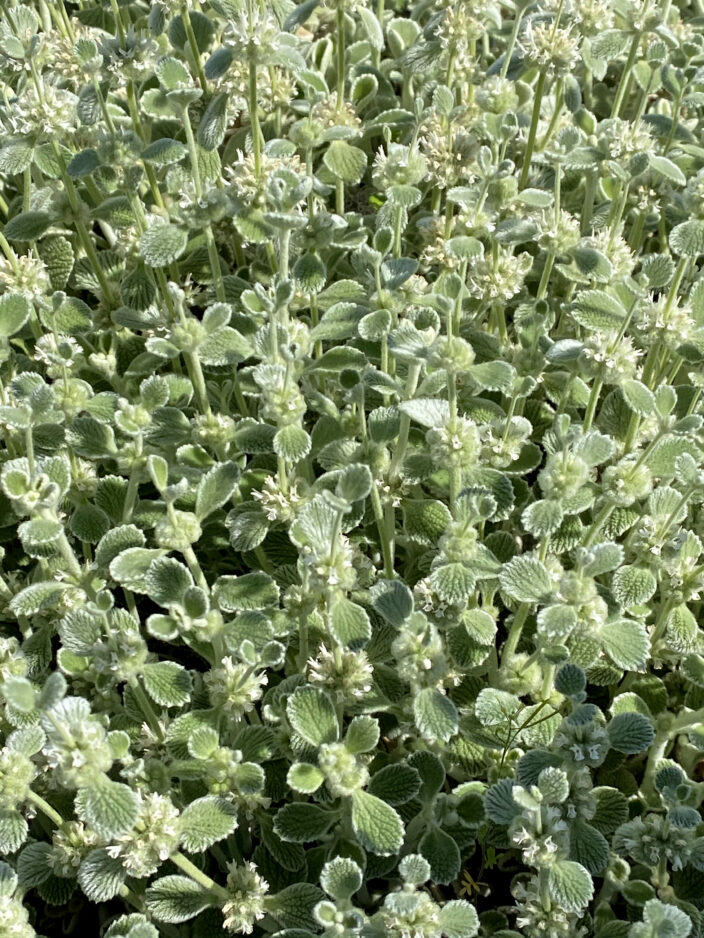
- The white edging on the textured grey-green leaves of drought-tolerant silver edged horehound add striking interest to perennial beds. (Photo by Elizabeth Binks)
Water-wise gardening doesn’t mean sacrificing beauty or interest in the landscape. In fact, many of the toughest perennials are also among the most eye-catching. Once established, the right plants can thrive in Utah’s hot, dry summers, providing colorful blooms, attracting pollinators and proving that a stunning landscape can flourish with less water. I have grown and enjoyed the following three drought-tolerant perennials and can attest that they each deserve a place in your garden as well.
Desert 4 O’clock – Mirabilis multiflora
The Desert 4 O’clock is an exceptional native perennial that is both long-lived and remarkably drought tolerant. Its green foliage is covered with vibrant magenta, trumpet-shaped blooms that open each evening to the surprise and delight of this gardener. They continue flowering nightly from June until frost. Once established, this unique plant can thrive without supplemental irrigation, making it an excellent choice for water-wise landscapes.
At maturity, it forms an impressive mound at 5 to 10 feet wide and about 2 feet tall, making it a perfect filler for large garden beds. After the first hard frost, the plant dies back to the ground. I simply cut the stems to ground level, remove the spent top growth and let it emerge again the following spring.
With months of colorful blooms, minimal irrigation requirements and effortless seasonal cleanup, Desert 4 O’clock is one of those rare perennials that offers tremendous garden impact with very little maintenance.
Silver-Edged Horehound – Marrubium rotundifolium
I have a garden bed in my backyard that does not have automatic sprinklers, so I’ve filled it with perennials that can tolerate the kind of sporadic watering I tend to provide — which, if they’re lucky, happens every seven to 10 days. Silver-Edged Horehound is one of the true champions of this bed, thriving happily despite my neglect.
More of a groundcover than a traditional perennial, it forms a graceful mound about 2.5 feet wide and 10 inches tall. Its silver leaves edged in white stack neatly along the plant’s stems, creating wonderful texture in the garden. Its understated whorls of white blooms at the leaf nodes add interest and charm. After flowering, it can be trimmed back and tidied up.
With its unique fuzzy texture and silvery coloring, Silver-Edged Horehound is a standout plant that brings beauty with very little effort.
Echinacea (coneflower) – Echinacea purpurea and Echinacea pallida
Echinacea are cheerful beauties that begin blooming in my garden in late June and July, just as the spring perennials are winding down and before many summer annuals have reached their peak. Echinacea purpurea is the more commonly grown species, with larger blooms available in a remarkable range of colors. Echinacea pallida, however, feels more at home in a prairie garden, with narrow, reflexed petals curving gracefully downward from the central cone like a delicate skirt. I almost want to call these ethereal. Both species are beautiful and become more impressive each year as they settle in and establish stronger roots.
While E. purpurea has inspired countless cultivars, E. pallida stays closer to its prairie heritage, typically appearing in shades of pale purple or white. The white-flowered selection “Hula Dancer” is especially charming and has earned a spot on my wish list — if I can ever find one! I have found that some of the more heavily hybridized E. purpurea cultivars are not always as long-lived in my garden, possibly due to my winter drainage conditions. The species types, however, have proven to be reliable and resilient perennials.
Even after the petals fade, the seed cones continue to provide garden interest. I often cut them for flower arrangements, where they add unique texture and a bit of whimsy. Just as often, I leave them standing through winter to provide structure in the garden and food for birds. With excellent winter hardiness, drought tolerance once established and the ability to thrive in sunny, well-drained locations, these coneflowers are beautiful and dependable choices for the low-water garden.
Elizabeth Binks is a horticulture assistant at the USU/Utah County Extension Service.