Garden Help Desk: Timely tips for July gardens
-
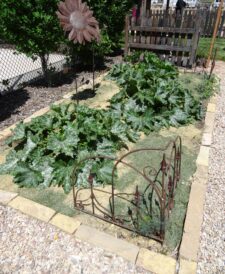
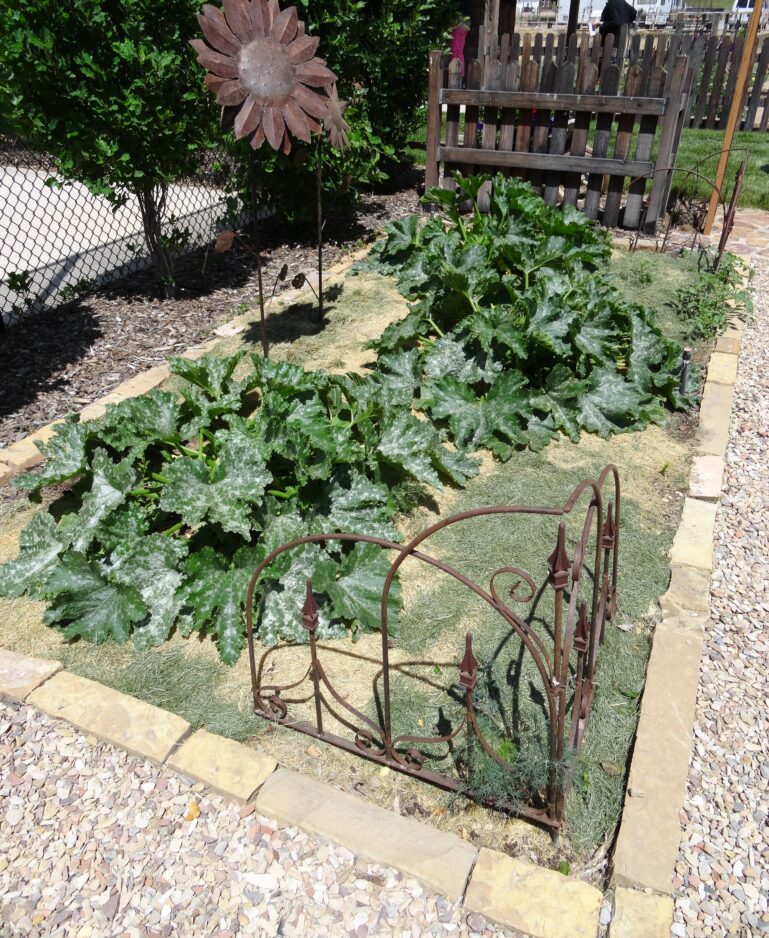
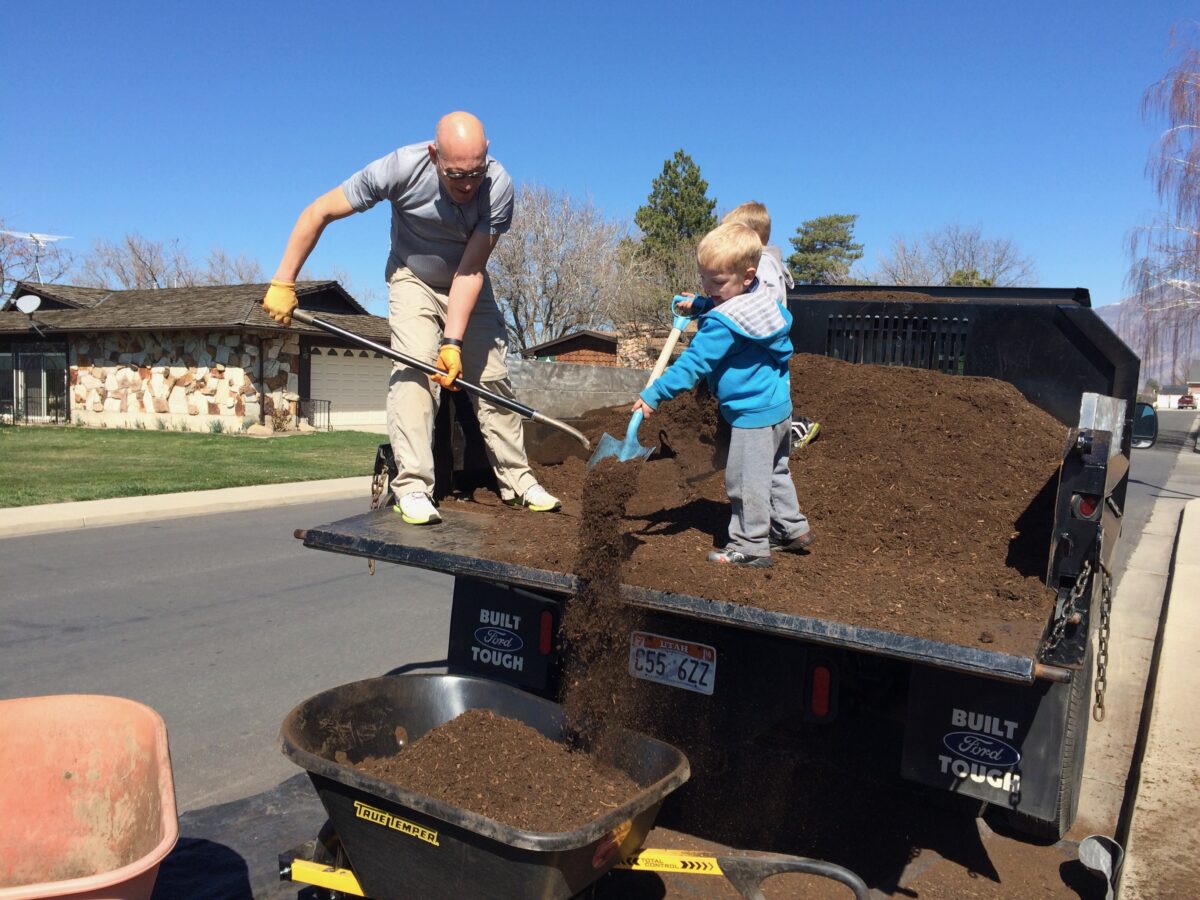
- Grass clippings can be great mulch for conserving soil moisture, but the clippings should be applied in thin layers and allowed to dry before another layer is added. If you use any lawn weed killers on your lawn, you’ll need to discard the first two mowing after the application before using the clippings in a garden or flower bed.
-
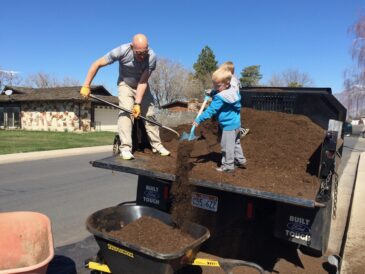
- Compost isn’t just for amending the soil. It also makes great mulch in vegetable gardens and annual flower beds because it doesn’t need to be removed. It can be turned under or simply left in place at the end of the season.
-
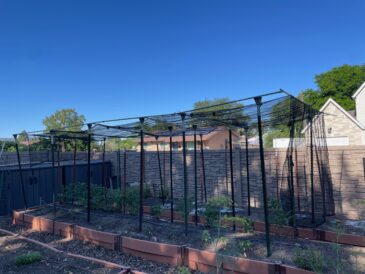
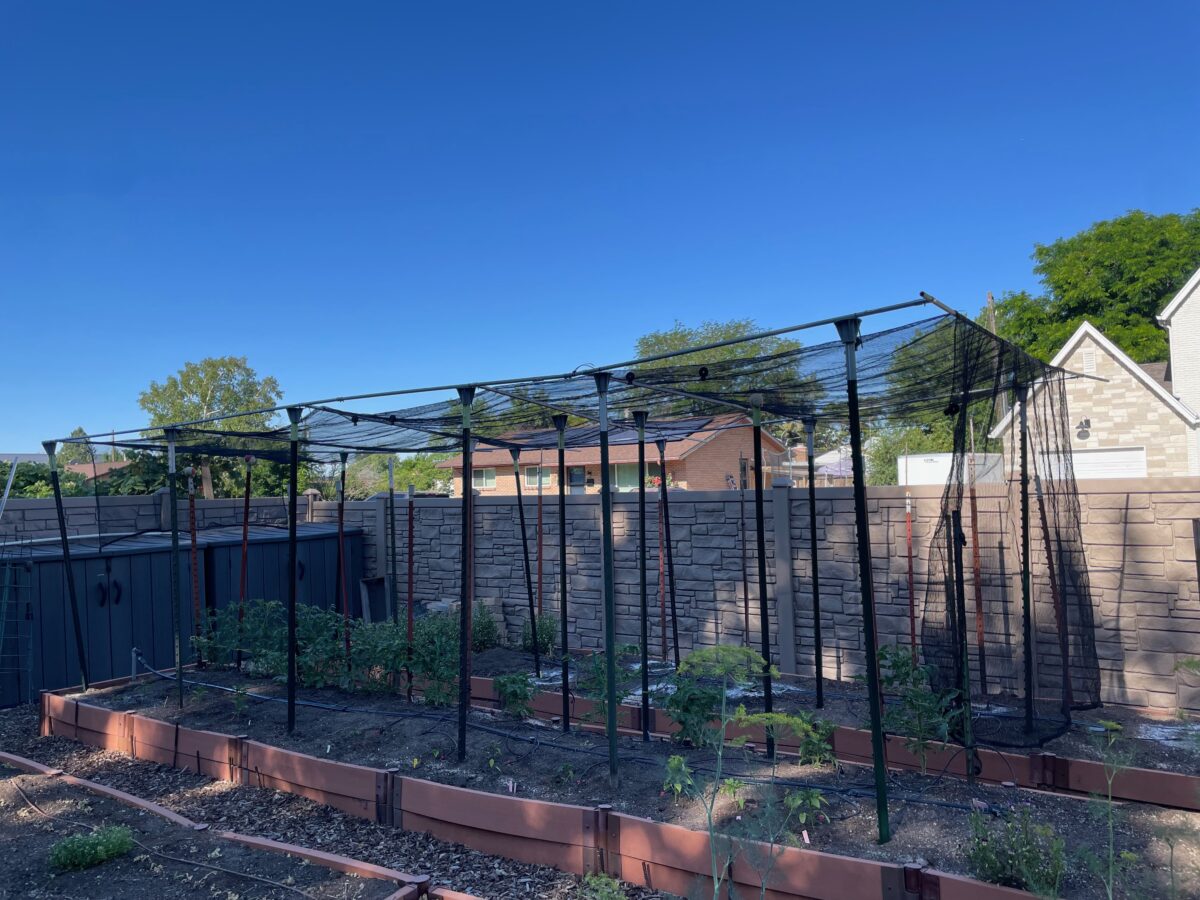
- Shade cloth should be held at least a foot or two above plants so that good air circulation can prevent heat buildup under the cloth. In this garden the shade cloth may look too high, but before the end of season the indeterminate tomato plants will nearly reach the cloth.
-
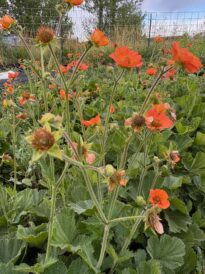
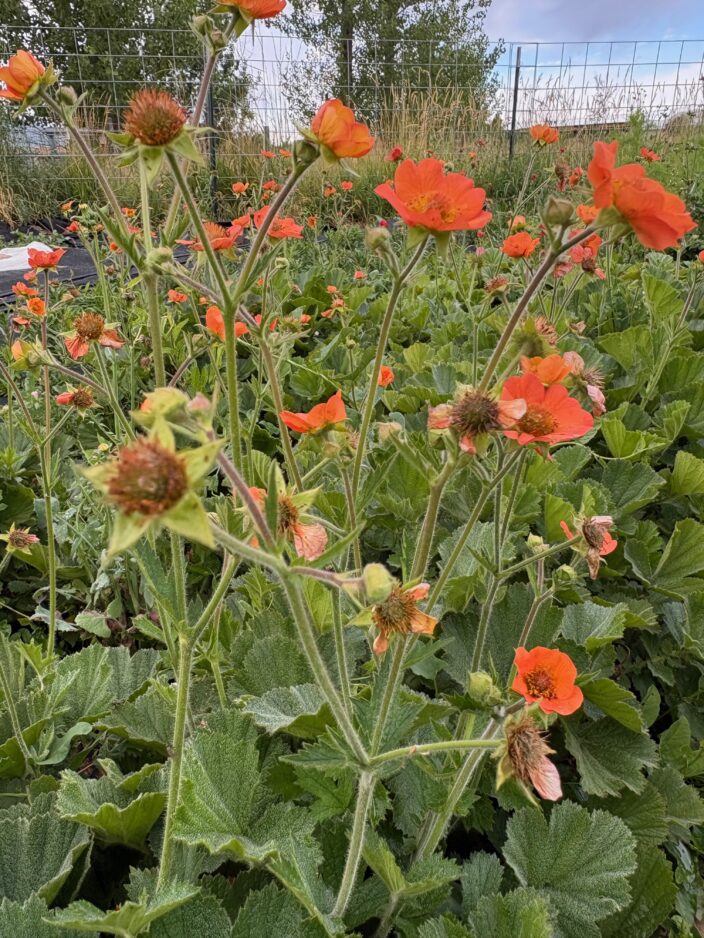
- Flowering perennials like this Geum will benefit from deadheading (removing faded blooms). It keeps them looking good and encourages more blooms.
-
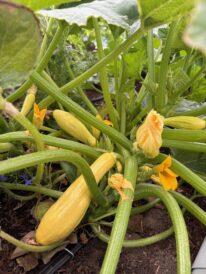
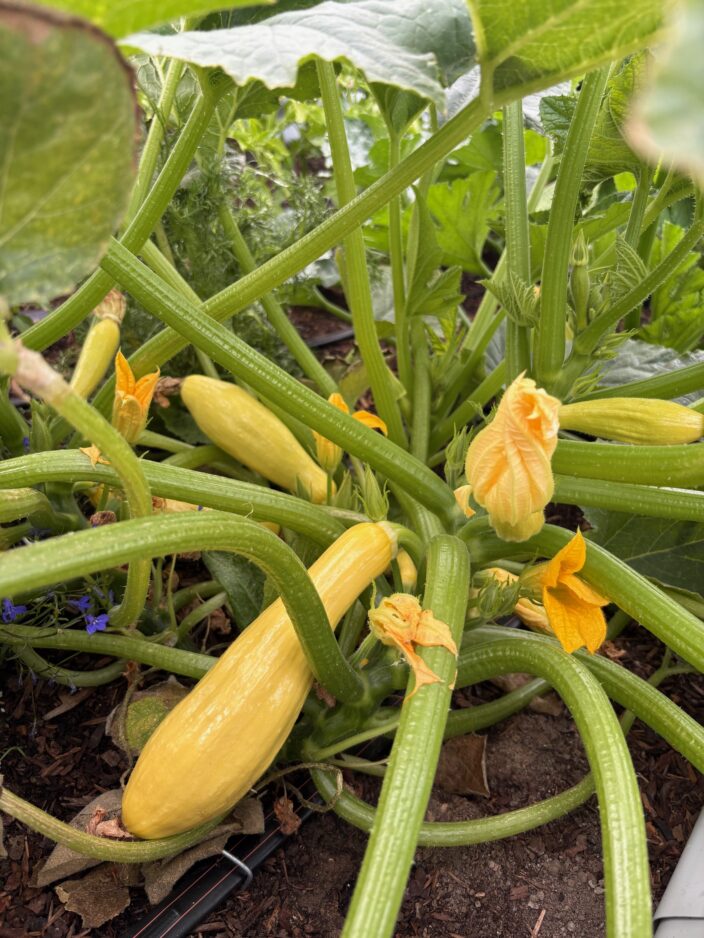
- Pick your summer squash frequently while it is young and tender. Once summer squash starts producing, it will continue to set fruits as long as the young squash are harvested. If you leave squash on the plants to get too large it can discourage new flowering and fruit set.
-
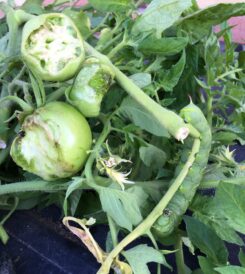
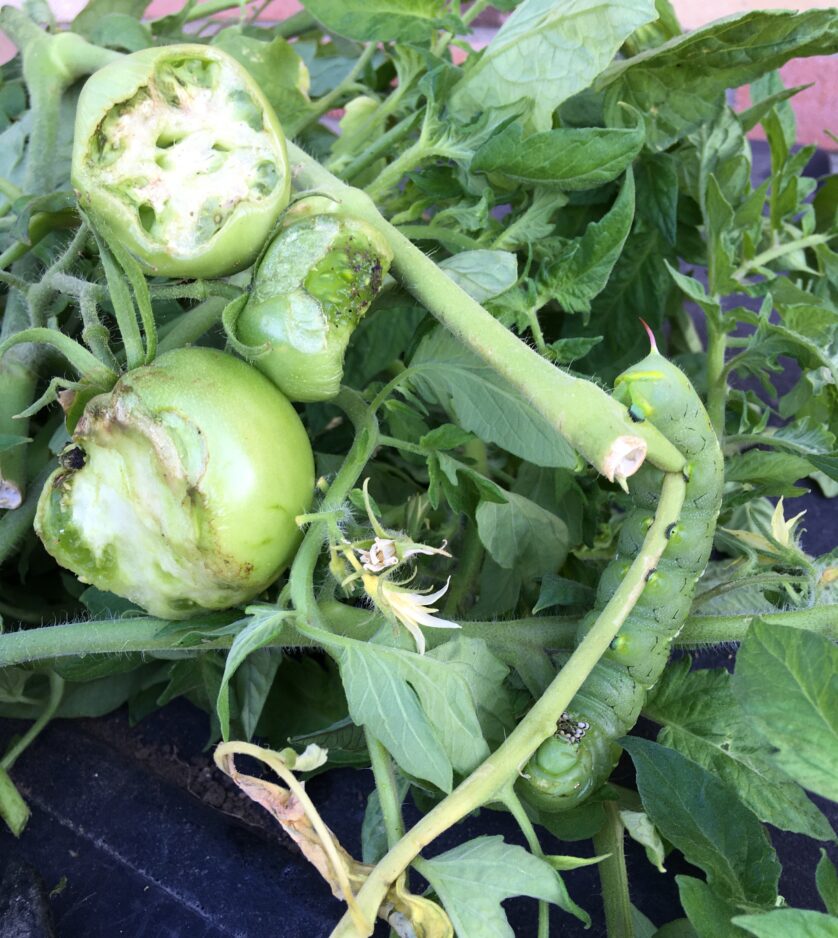
- Tomato and tobacco hornworms are the larvae of sphinx moths. They can get quite large before the end of the season and their feeding can be very damaging to tomatoes and peppers.
The temperature swings and drought are not making it easy to garden this year. But there are always a few things we can control, including our optimism and our willingness to “show our shadow” in our garden every day.
Here is a list of garden tasks to consider for the month of July:
Mulch those beds!
With water restrictions in place in several areas along the Wasatch Front, mulching garden beds can help conserve soil moisture and reduce water usage. And it can help us get the most out of the water we do have. Use 2-3″ of organic mulch such as lawn clippings, wood chips, or compost on all garden and landscape beds. Organic mulch will break down over time and improve the structure of your soil.
Follow the lawn and yard watering recommendations found at www.conservewater.utah.gov.
Remember that established plants do better when watered deeply and infrequently. Light, frequent waterings encourage roots to stay close to the surface of the soil. Deeper root systems make healthier plants, more able to withstand drought and disease and insect pressure.
Succession sow bush beans, summer squash and cucumbers through mid-July.
Get started on your fall garden by sowing transplants of broccoli, kale and other cruciferous veggies. Direct sow root vegetables such as beets, radishes and carrots. They will sweeten as the temperatures cool. Remember to keep the soil moist for germination. Cover soil with burlap or cardboard to maintain the moisture needed for germination.
Deadhead faded blooms to keep your annuals and perennials producing new flowers all season long.
Fertilize annual pots. You may want to move some of your full-sun pots to areas that get afternoon shade during the hottest part of the summer.
Remember that nature abhors a vacuum.
If any garden beds are vacant from an early harvest or crop failure, you could always plant a heat-loving cover crop to deter weeds and build your soil. Always destroy the cover crop before it flowers to avoid spreading more seed. Allow the vegetative matter to decompose in your bed. Buckwheat is a fast-growing, easy cover crop to grow. Others include cowpeas, millet and amaranth.
Scout for pests such as the tomato hornworm.
This large caterpillar can defoliate tomato plants quickly. They are easy to locate and remove and this may be the most effective way to control them. There are several low-risk pesticide options that are also effective, such as Bt, insecticidal soap and spinosad. Remember to time any application of spinosad for early or late in the day so that the spray will dry before bees are active.
Consider shading tomatoes, peppers and other heat-loving crops with a 30 percent shade cloth during the hottest weeks of the year.
This can increase fruit set, and can help your plants thrive in the heat. It can also prevent sunscald on your peppers and tomatoes Make sure the shade cloth is suspended at least a foot above your plants to allow good air circulation so that heat doesn’t build up under the shade cloth.
Elizabeth Binks is a horticulture assistant at the USU/Utah County Extension Service.