Garden Help Desk: Mint family plants a great choice for Utah landscapes
-
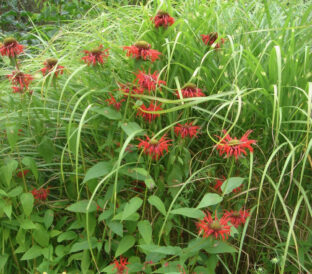
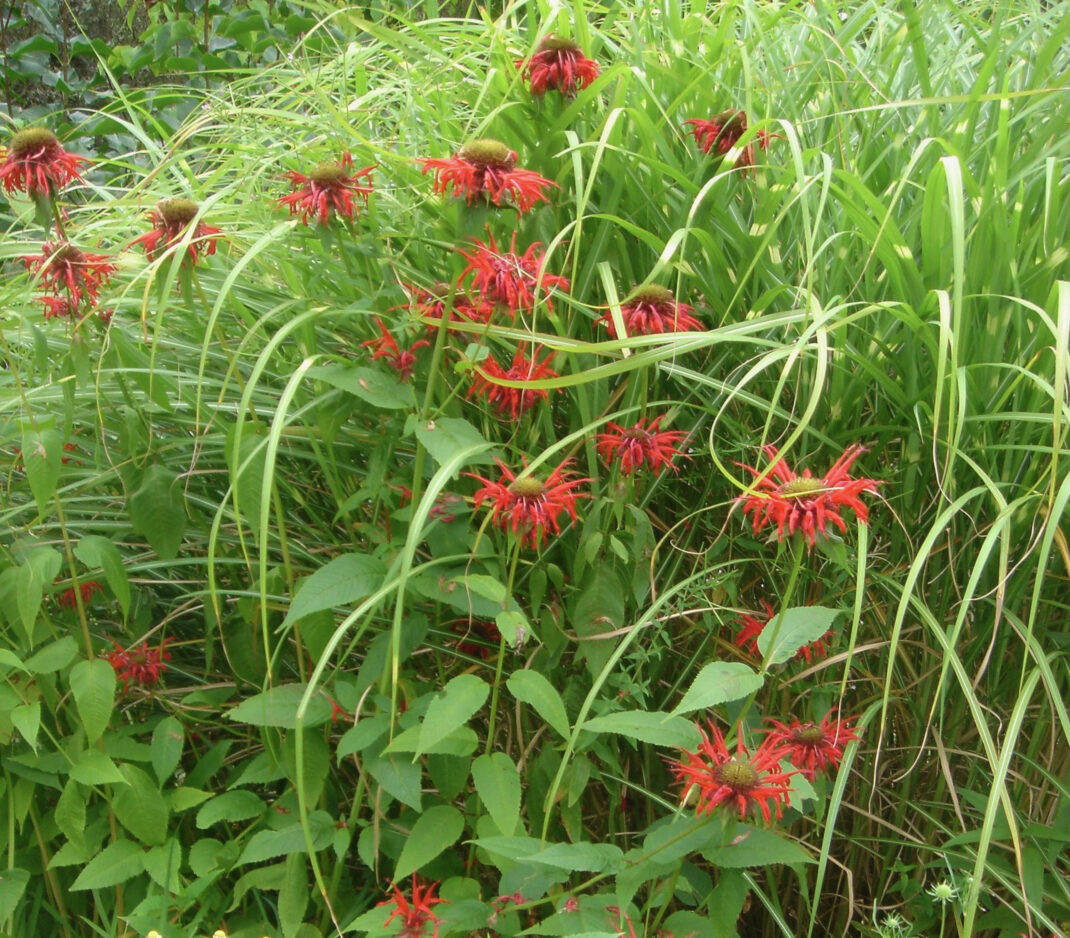
- This Monarda, also called bee balm, has bold flowers that add pops of color to the ornamental grass in the perennial bed.
-
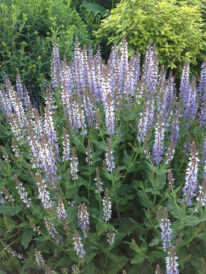
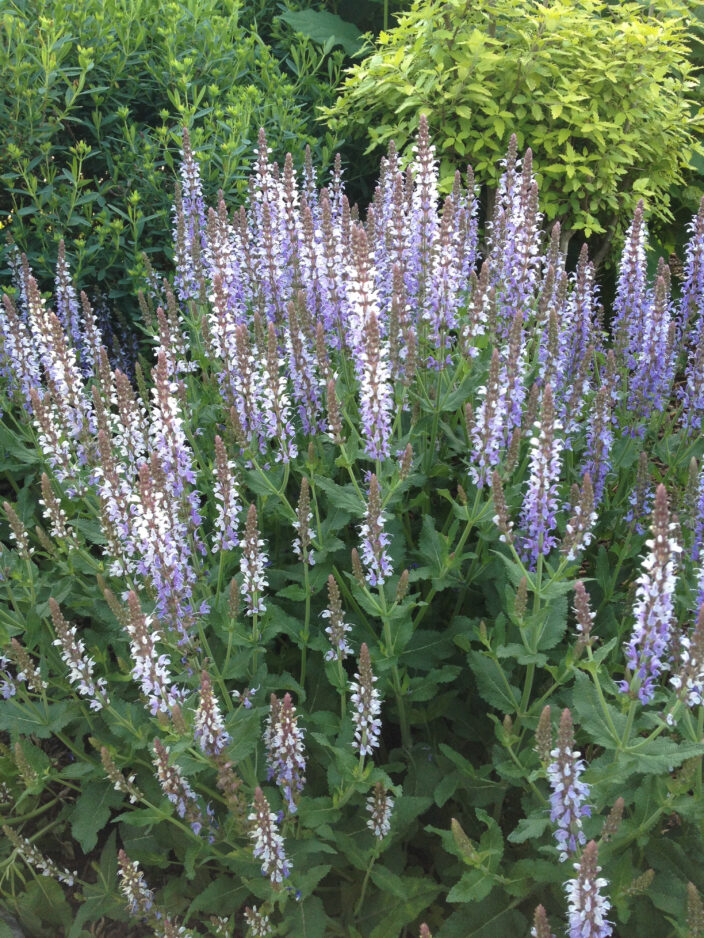
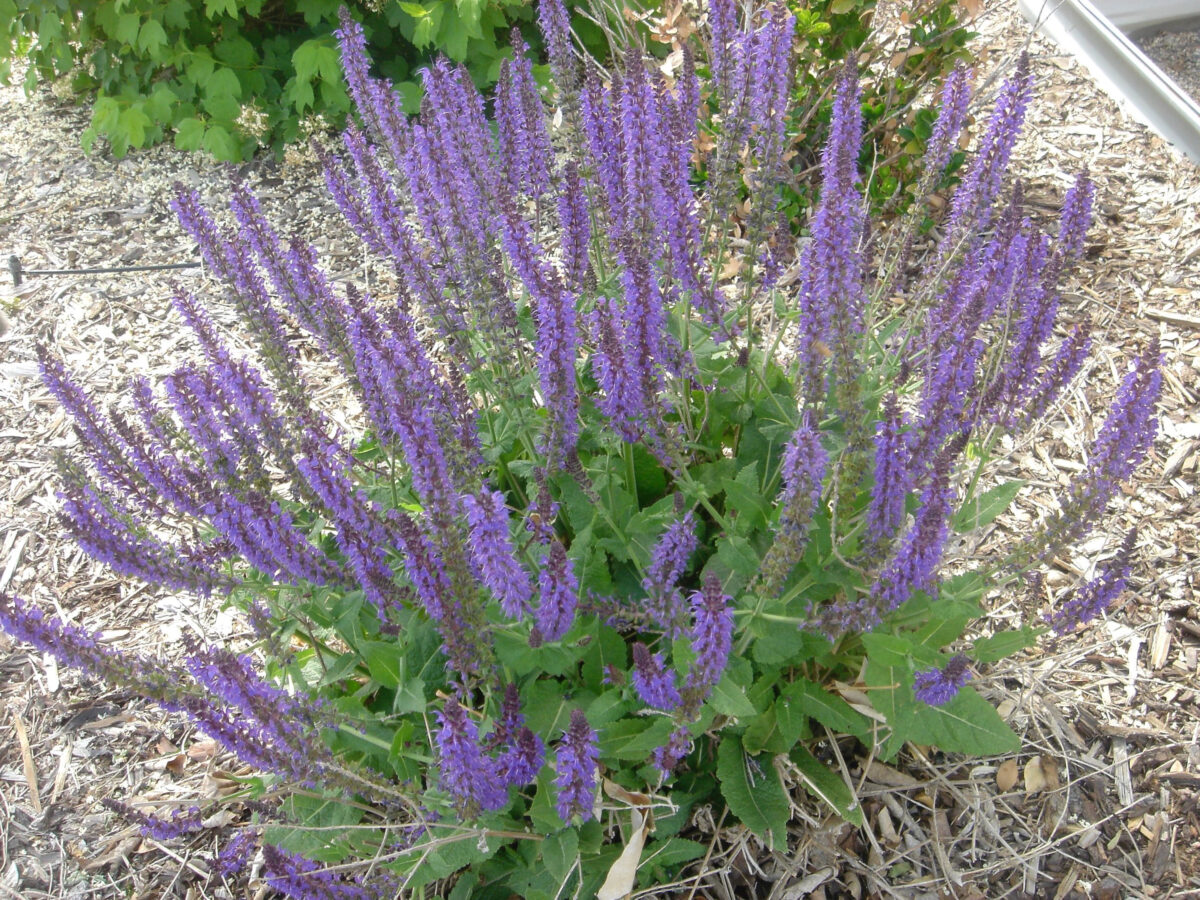
- Salvias can be found in shades from deep blue/purple to light lavender.
-
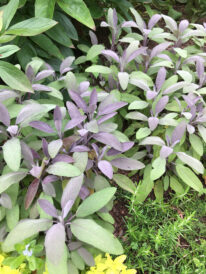
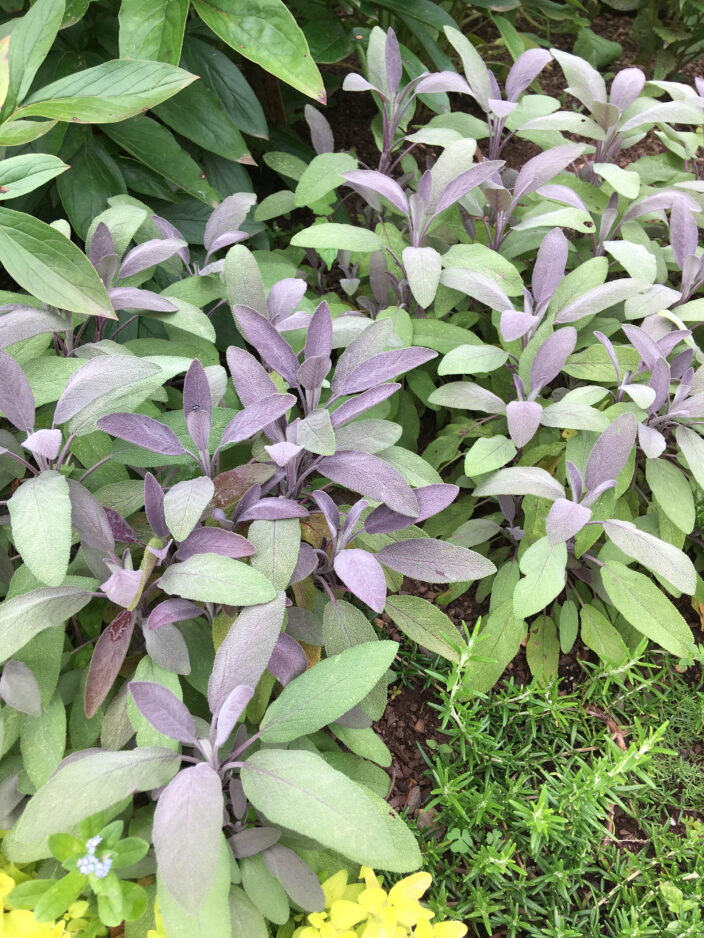
- Sage is one member of the mint family that can add color to a landscape without even flowering. Look for Golden sage, purple sage or tricolor sage if you want to give sage a try.
-
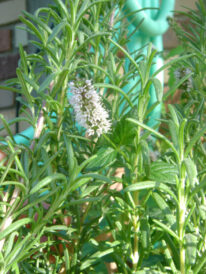
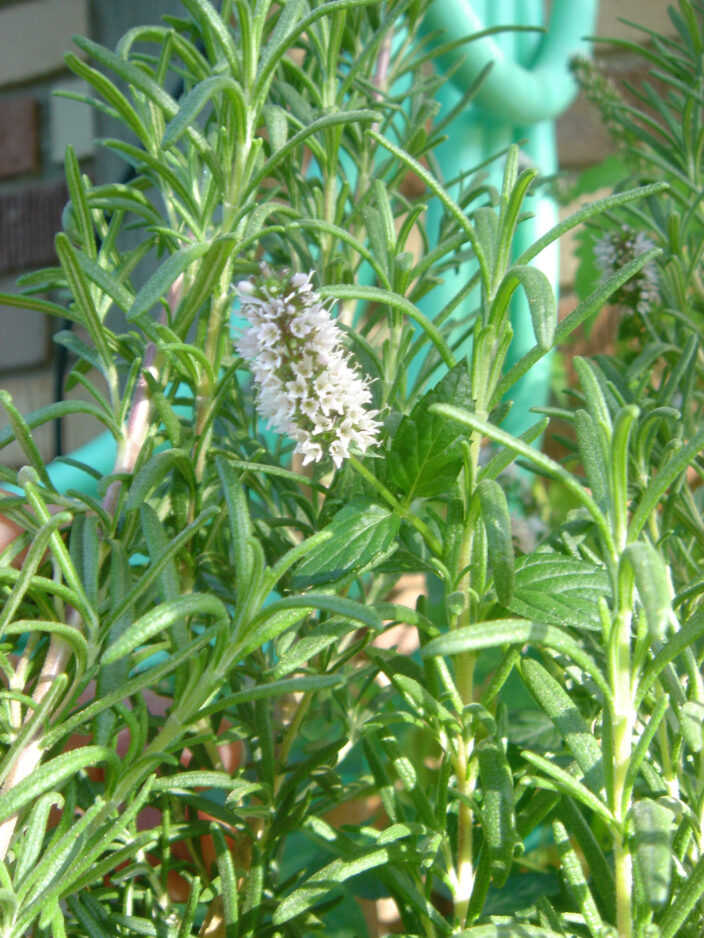
- Just like most other members of the mint family, the individual flowers on rosemary are small and delicate.
-
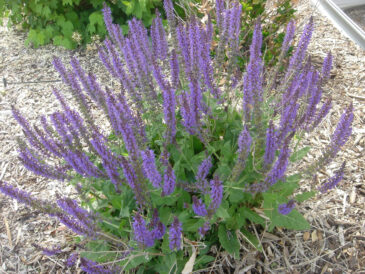
- Salvias can be found in shades from deep blue/purple to light lavender.
-
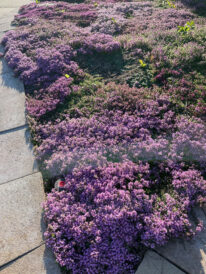
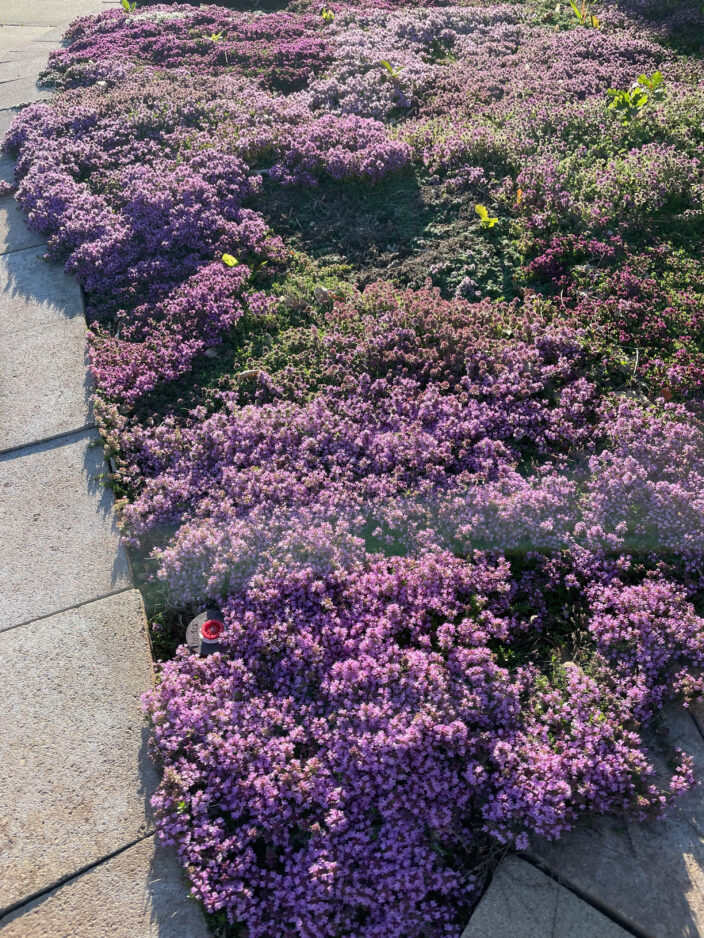
- Creeping thyme is a low-growing, water-wise ground cover that can fill an area with a carpet of flowers from white to rose and shades of lavender.
-
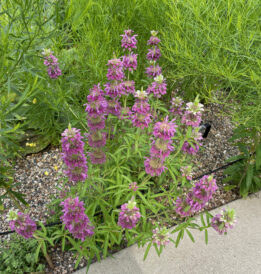
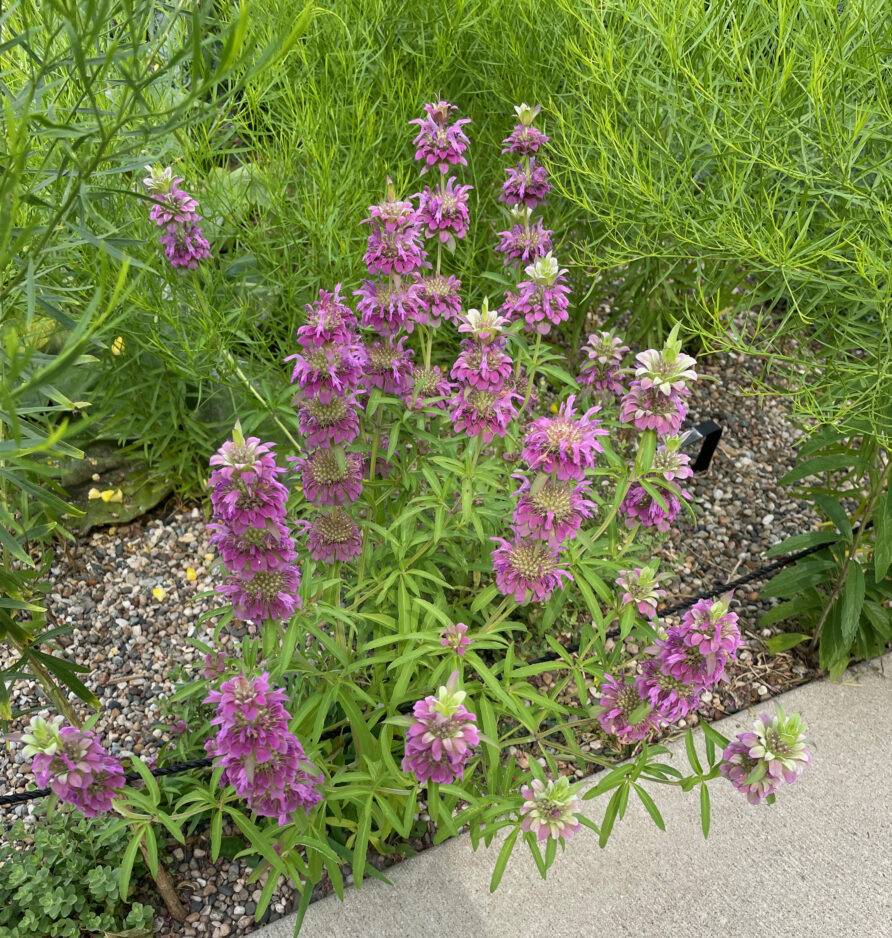
- This Lemon bee balm is another monarda that has larger, more prominent flowers.
One of my favorite groups of perennials is the mint family. Many species offer wonderful fragrances and beautiful flowers and attract beneficial insects, including pollinators. Even better, most are quite waterwise, making them excellent choices for Utah landscapes.
Among the many mint family plants that thrive in Utah, several stand out for their long bloom periods, beauty and drought tolerance. One of my favorites is hummingbird mint, also known as Agastache or anise hyssop. These plants are native to the United States and Mexico. While some species grow in moist areas, many are extremely drought tolerant once established. Flower colors range from white and pink to shades of orange, purple, red and yellow. Most varieties grow about 2 feet tall and wide and bloom from late June well into October.
Another favorite is catmint, sometimes called Nepeta or catnip. Older varieties can become quite large, but newer selections stay compact, often under 18 inches tall. Walker’s Low is a popular choice, while Cat’s Pajamas, Cat’s Meow, Persian Blue and Little Trudy offer even more compact growth. Many catmints bloom from late spring through October, providing months of color and attracting pollinators throughout the season.
Lavender is another excellent waterwise perennial. It is evergreen and blooms in late spring to early summer with light purple flowers. It typically lives for 5 to 10 years and thrives in hot locations, such as the south or west side of a building in full sun. Do not prune lavender to the ground in the fall; doing so will likely kill it. Instead, trim it back by up to half after it finishes blooming. Avoid planting French lavender, as it is not as cold hardy as most varieties of English lavender. Depending on the variety, lavender grows to around 24 inches high and wide.
Hardy rosemary is a plant that was not traditionally considered cold-hardy along the Wasatch Front. However, with the warmer winters of recent years, many plants grown outdoors have thrived in protected locations, such as against south- and west-facing walls. Look for the varieties Arp or Madeline Hill. Both are among the hardiest rosemary selections and can survive temperatures near 0 F in protected locations.
Perennial salvia is another popular member of the mint family, producing pink to purple flowers in late spring and early summer. It grows to about 18 inches tall and will often rebloom if deadheaded immediately after flowering. It also lives for 5 to 10 years and is quite drought tolerant. However, it performs best when watered about once every 7 days during the growing season.
For gardeners looking for lower-growing options, thyme groundcovers are a closely related group of plants that make excellent waterwise groundcovers. They can often survive with irrigation every few weeks and come in a variety of heights, textures and colors. Look for creeping thyme, woolly thyme, elfin thyme, mother of thyme and lemon thyme, which has a pleasant lemon scent. Be careful not to overwater these plants, as excessive moisture can cause problems.
Other excellent mint family perennials include bee balm, lemon balm, herb sage, oregano and, in containers, peppermint and spearmint.
Whether you’re looking for long-lasting color, pollinator attraction, fragrance or waterwise performance, members of the mint family offer something for nearly every Utah landscape.
New Extension Office location
You may have noticed that our office in northeast Orem has been closed lately. There’s a good reason for that: we’ve moved!
You’ll find the USU/Utah County Extension Office in our new location at 1875 S. State Street, Suite 3100/3200, Orem, Utah 84097. The office is open Monday through Friday from 8 a.m. to 4:30 p.m.
We may still be doing some unpacking and organizing, but our office will re-open in our new location on July 13.
While our location has changed, our phone number hasn’t. You can still reach the Utah County Extension Office at 385-268-6530.
Taun Beddes is director and extension associate professor at USU/Utah County Extension.