Garden Help Desk: Preparing trees for winter in 2026
-
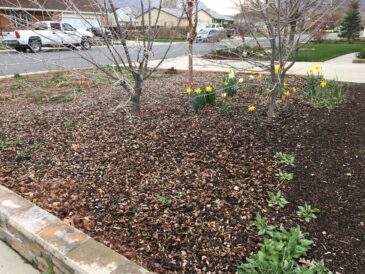
- A thick layer of bark nugget mulch and leaves can carry trees into the spring in good condition.
-
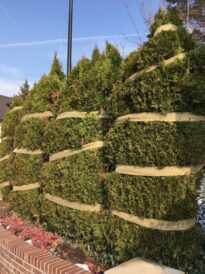
- Wrapping burlap strips around soft, upright evergreens like this arborvitae can prevent branch damage from accumulated snow.
-
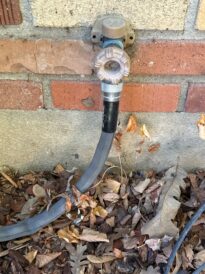
- Leaving a hose attached to an outdoor faucet during the late fall and winter can result in freezing damage when water in the hose and faucet expand during freezing weather. This may crack the hose and once the ice thaws, there can be water damage inside the home.
-
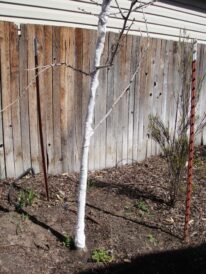
- Protecting tree trunks with tree wrap from November to March is a simple way to prevent serious bark injury during the winter.
-
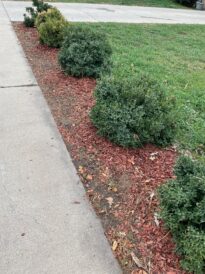
- Be generous when you mulch. Apply mulch over the soil in the entire bed in a layer at least 3 inches deep.
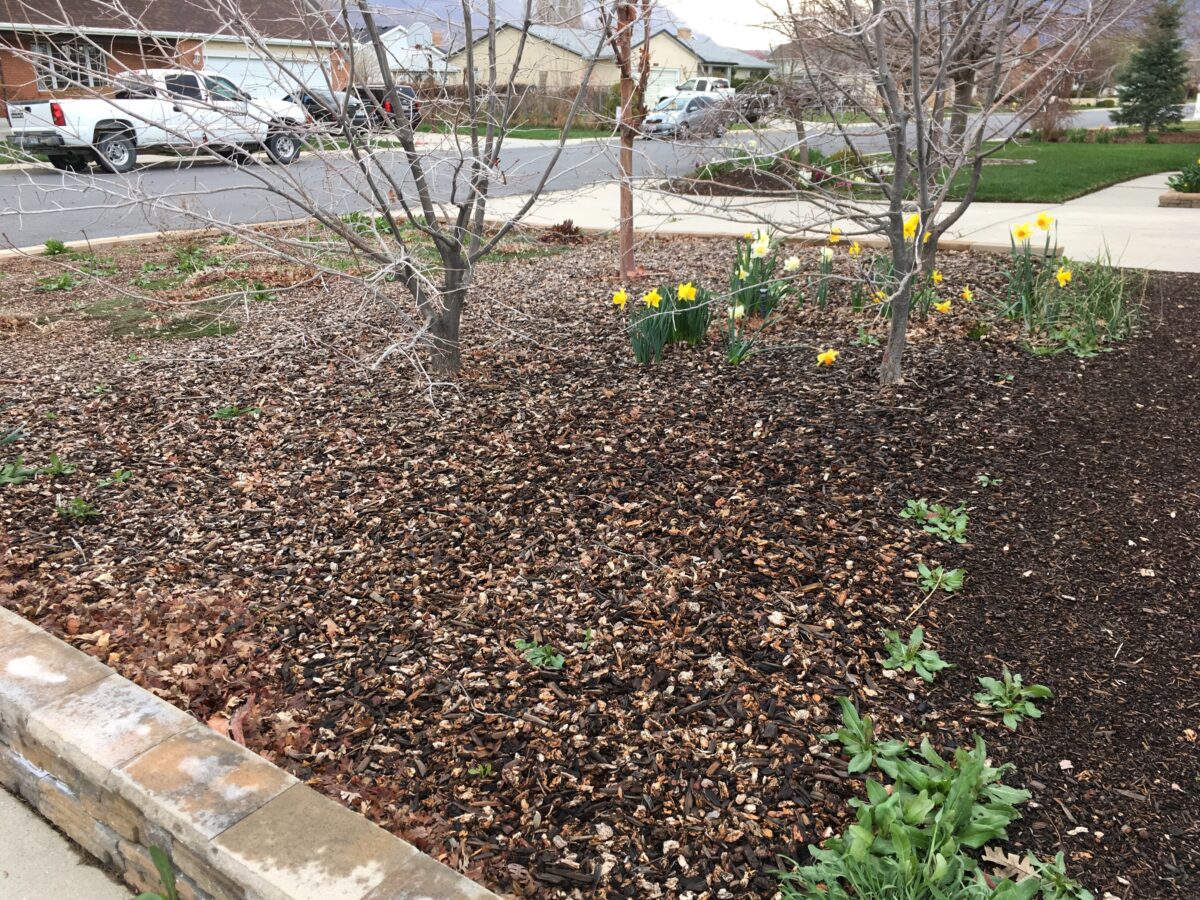
Photo by Meredith Seaver
A thick layer of bark nugget mulch and leaves can carry trees into the spring in good condition.
Here are some Do-s, Don’ts, and Depends to keep in mind while you are preparing your trees and shrubs for the winter season.
Don’t
Don’t prune. Save your routine pruning for spring and early summer. Pruning once midsummer has passed can stimulate new growth that won’t be winter hardy. The exception to this pruning rule is the removal of dead or diseased branches or branches that have become a clearance problem. These branches should be cut back to the branch their growing from or back to a branch that is growing from them.
Don’t fertilize. Fertilizer stimulates new growth, and you want your tree to rest over the winter.
Don’t spray systemic herbicides near the tree. October is a common month for spraying perennial weeds, but your tree may take up some of these chemicals if you apply them too close to your tree.
Do
Do use tree wrap on the trunks of your trees. It should be white or light-colored and breathable. This is especially important for any tree that is young or has thin or dark colored barked. This will help protect your tree from Southwest winter injury, the bark damage on the south or west side of the trunk that happens when direct winter sun warms the bark enough for cells to break dormancy during the day. Freezing overnight temperature can then killing these now-active cells. Over time this causes dead, peeling, and cracked bark. Southwest winter injury provides an opening for insects and diseases that can weaken trees. Put your tree wrap on at the beginning of November and remove it at the start of March. Tree wrap shouldn’t be left on year-round.
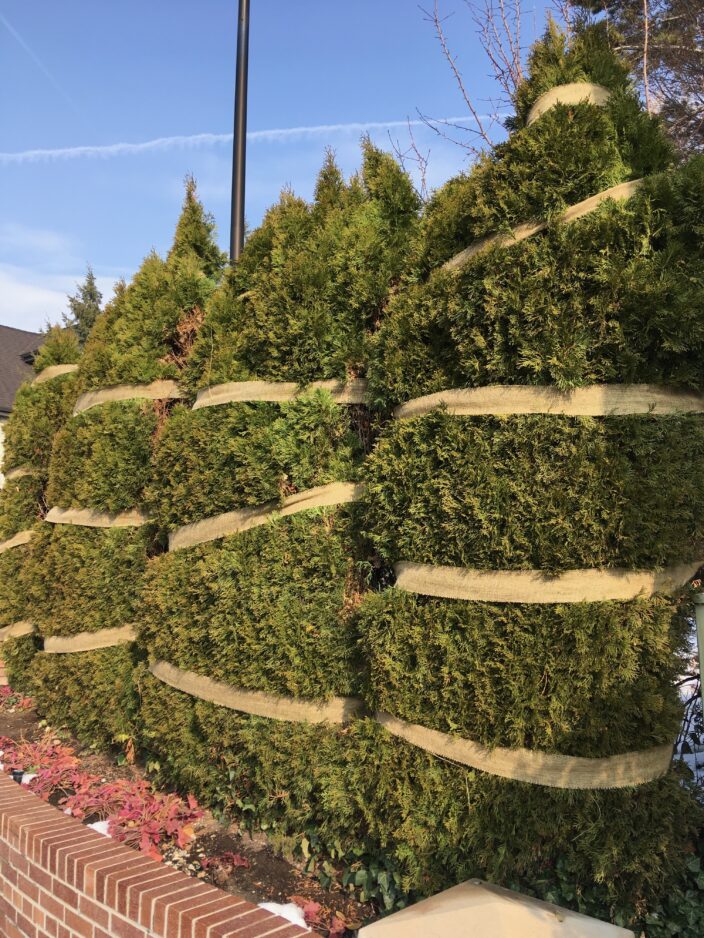
Photo by Meredith Seaver
Wrapping burlap strips around soft, upright evergreens like this arborvitae can prevent branch damage from accumulated snow.
If appearance isn’t important, your tree can also be protected with a coat of 50-50 mix of white latex paint and water instead of with tree wrap. Do not use an oil-based paint!
Do give a last deep soak to all your evergreen trees and shrubs in late November. This will help the trees and soil enter the winter well-hydrated and reduce the chances of winter damage on leaves and needles. Don’t forget to disconnect your hose from your house spigot when you’re done!
Do apply a 3-inch layer of mulch over the exposed soil in shrub beds, beneath, and around your trees to insulate the soil. Not only does this conserve moisture by reducing evaporation, but it also delays the freezing of the soil, making soil moisture available to the roots farther into the winter.
Do protect the trunks of young trees from rabbit and rodent damage. Use cylinders of fine mesh hardware cloth, plastic trunk protectors, or similar materials to prevent gnawing and bark stripping at the base of trunks by rabbits, mice, and voles.
Depends
Clean up the fallen leaves or leave them under the trees and shrubs? It depends. If the tree is in the lawn, the leaves should be cleaned up either by raking or by mowing with a bagging or mulching mower. If the leaves are collecting on bare ground under your trees, and there weren’t any leaf diseases this year, you can leave them as biodegradable mulch and habitat for micro and macro-organisms in and on the soil.
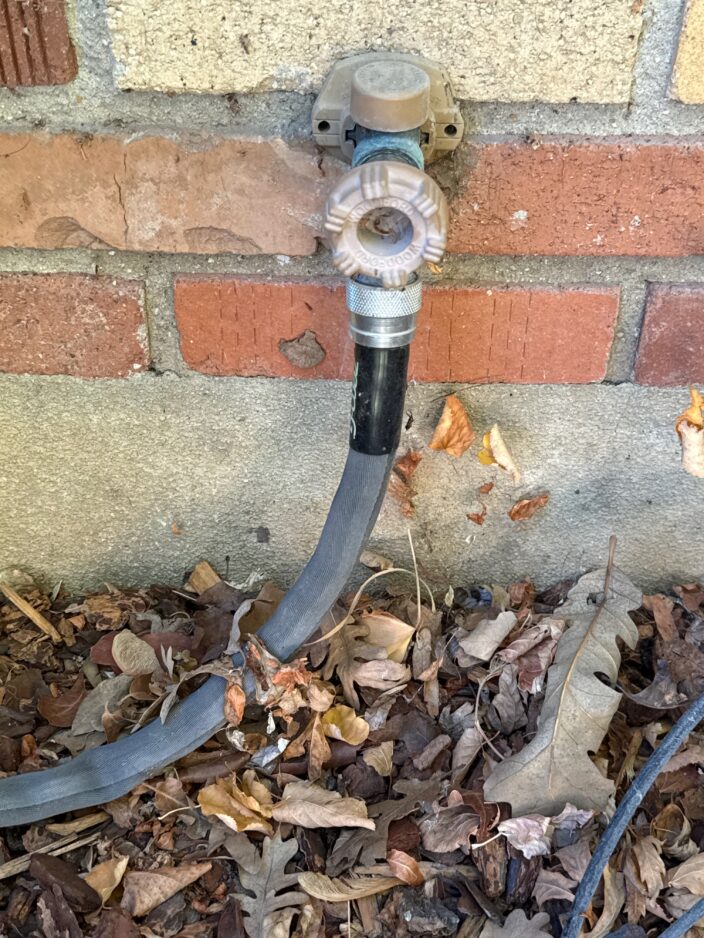
Photo by Meredith Seaver
Leaving a hose attached to an outdoor faucet during the late fall and winter can result in freezing damage when water in the hose and faucet expand during freezing weather. This may crack the hose and once the ice thaws, there can be water damage inside the home.
Wrap evergreens to prevent snow damage? It depends. Some evergreens like upright yews, arborvitae, boxwoods, and similar plants collect snow on their branches because of their persistent leaves. Branches can bend or ever break under the weight of the snow. A soft wrapping material like strips of burlap and prevent this. This is especially important for evergreens growing underneath the eves of houses, where snow can slide off roofs and land on the plants.
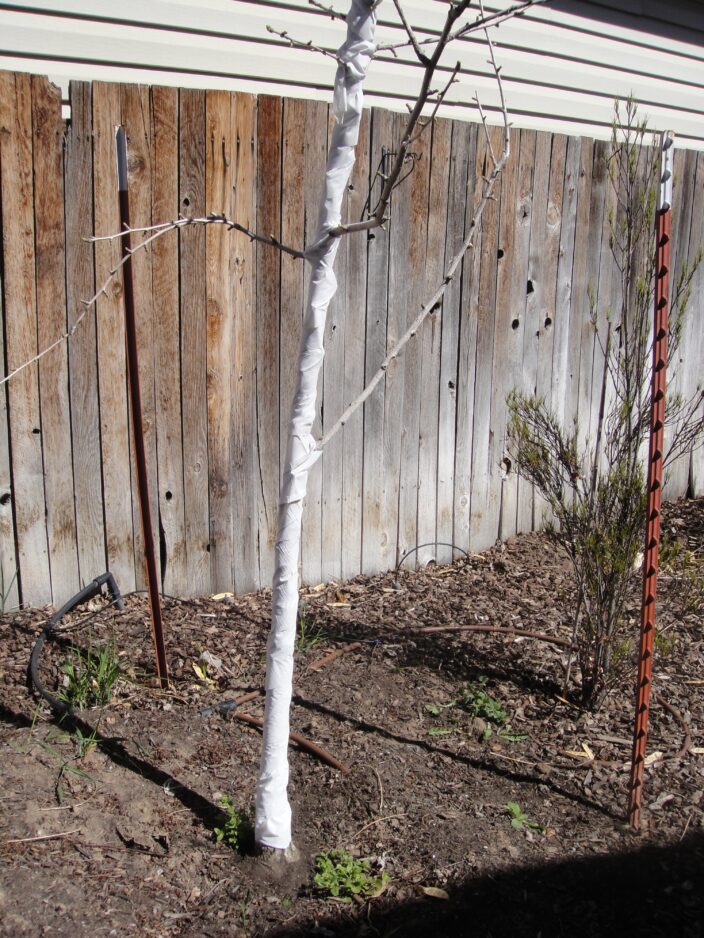
Protecting tree trunks with tree wrap from November to March is a simple way to prevent serious bark injury during the winter.
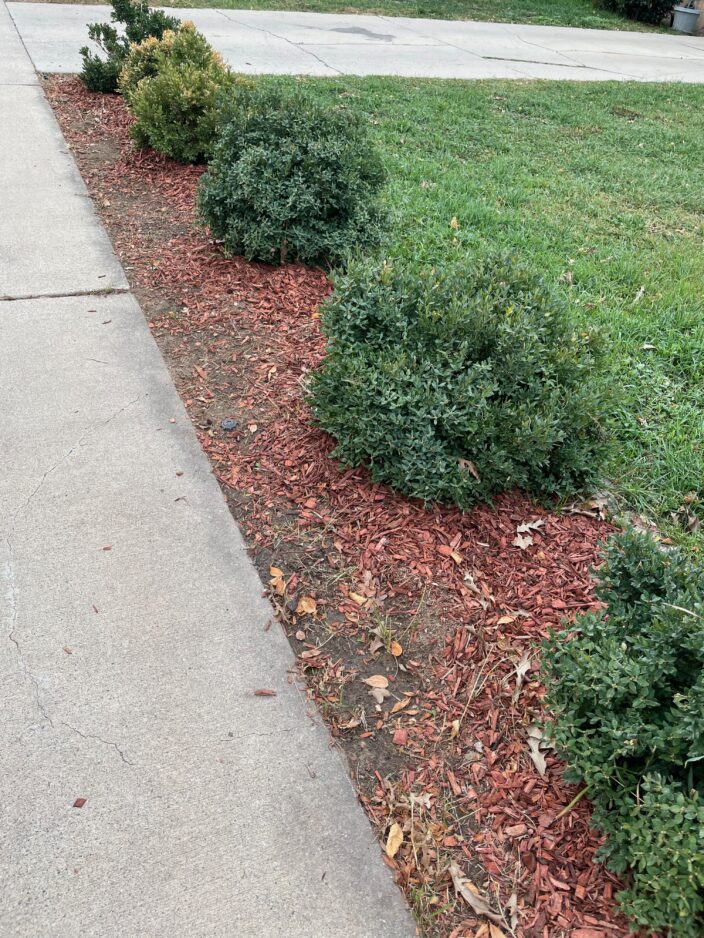
Be generous when you mulch. Apply mulch over the soil in the entire bed in a layer at least 3 inches deep.