Garden Help Desk: Preventing oozing tree bark and stink bug damage
-
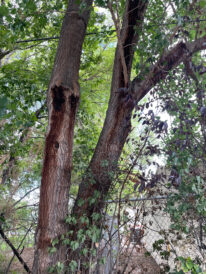
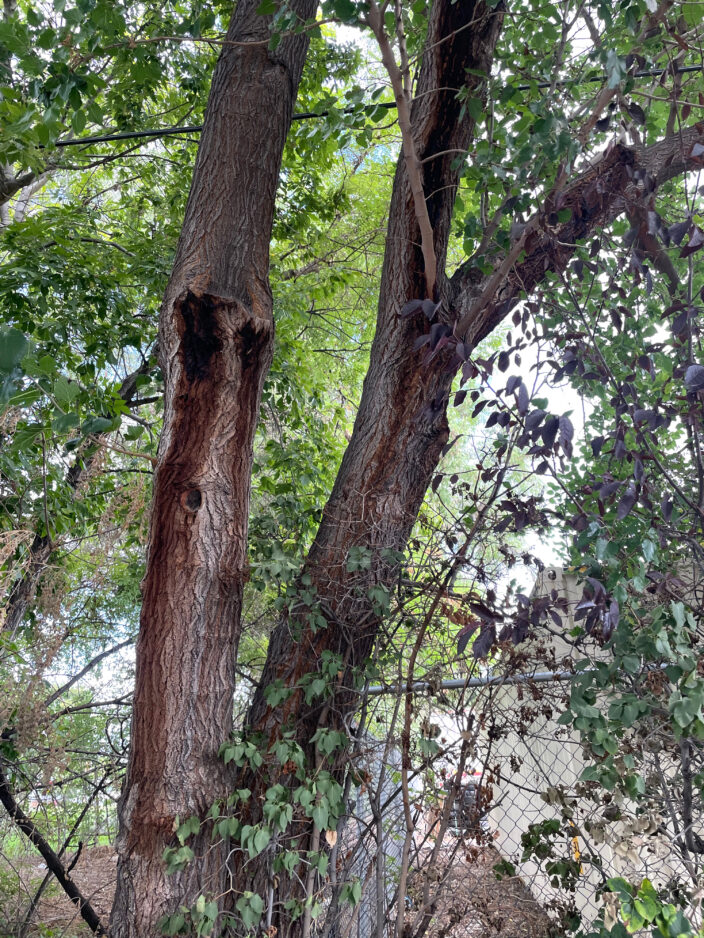
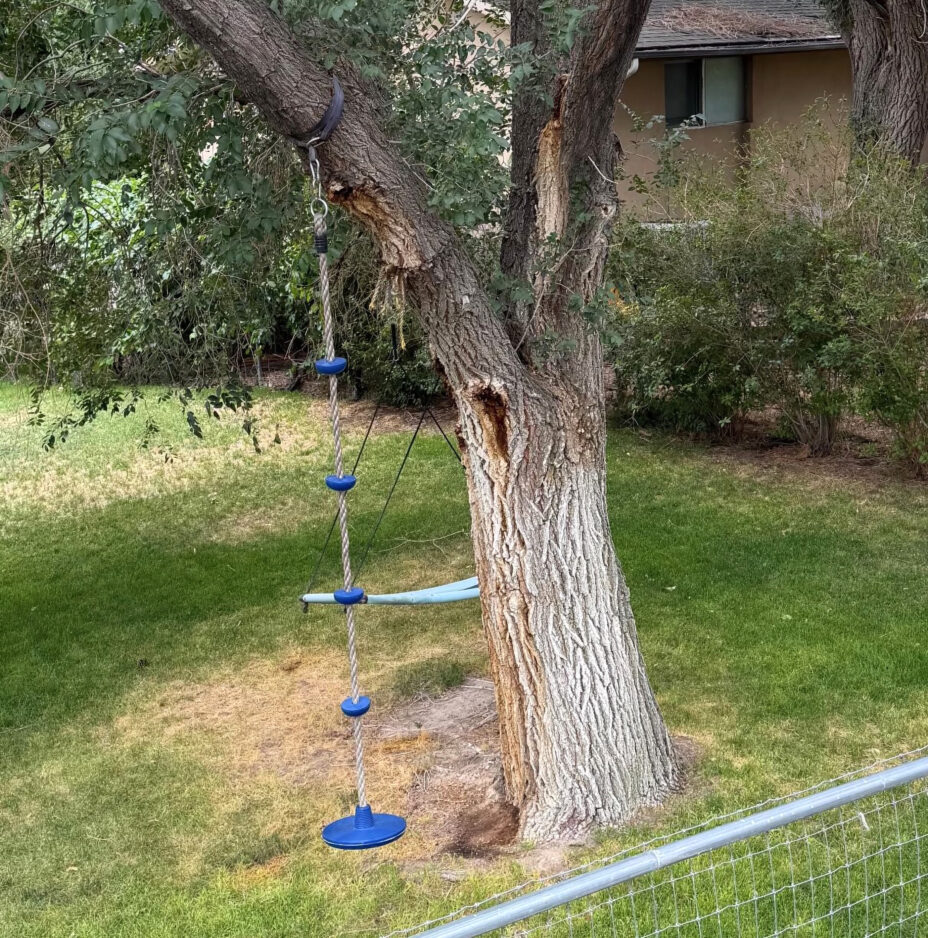
- The oozing fluid pushed out by the high pressure of bacterial fermentation can leave light-colored or dark stains on bark.
-
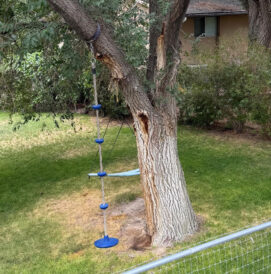
- When oozing fermented liquid drips onto vegetation beneath the tree, it can kill the plants.
-
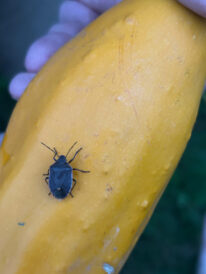
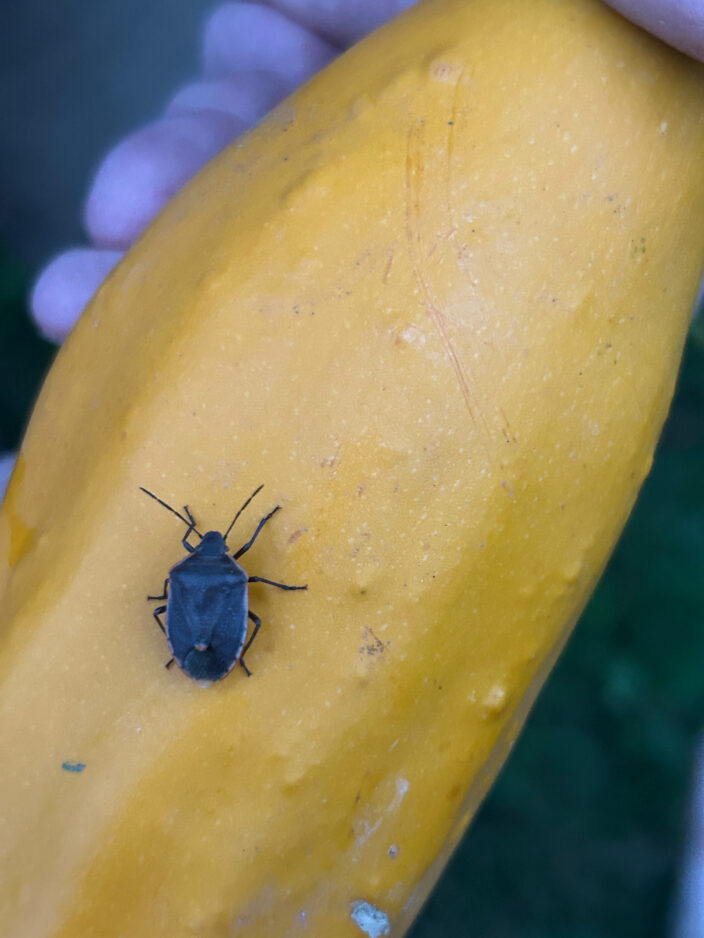
- Stink bugs are a common summer pest in gardens and orchards.
-
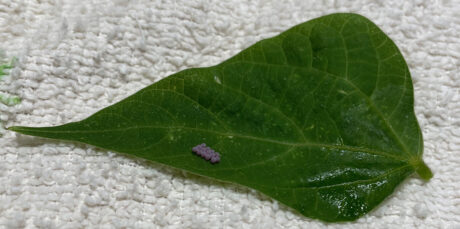
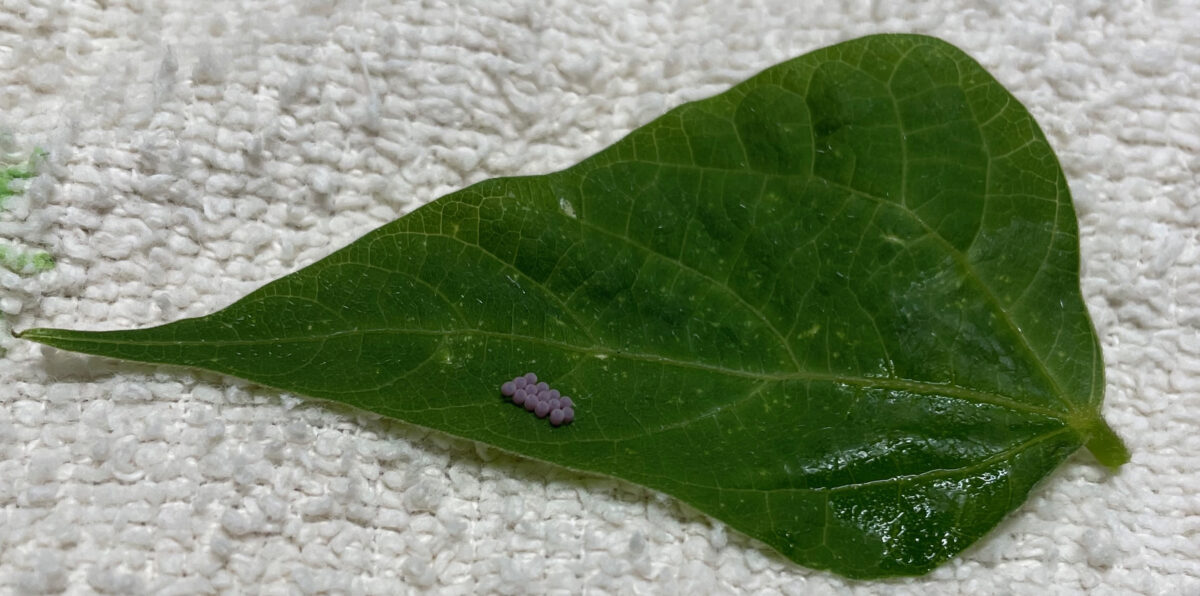
- Stink bugs will lay groups of small round or barrel-shaped eggs on stems and leaves. Light green, yellow, cream or white are common egg colors, but the color can change as the eggs mature.
-
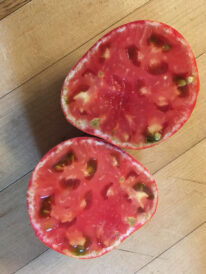
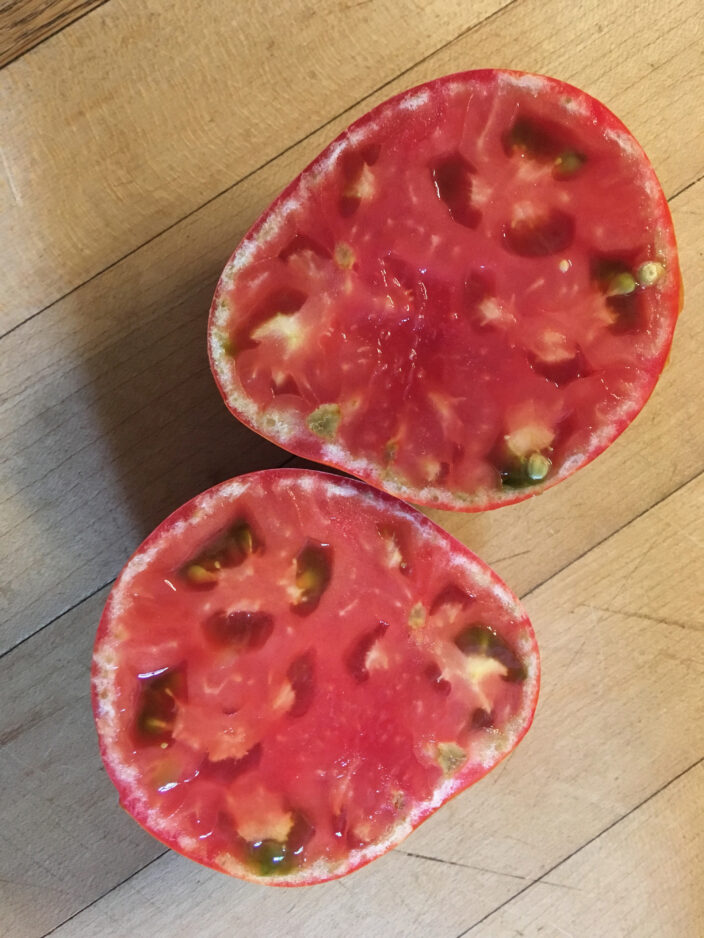
- Stink bugs feeding on this tomato caused a tough layer underneath the skin.
-
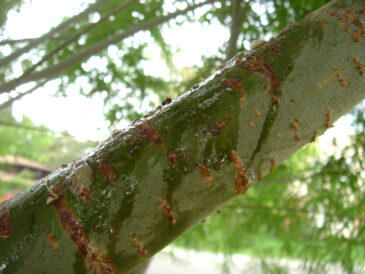
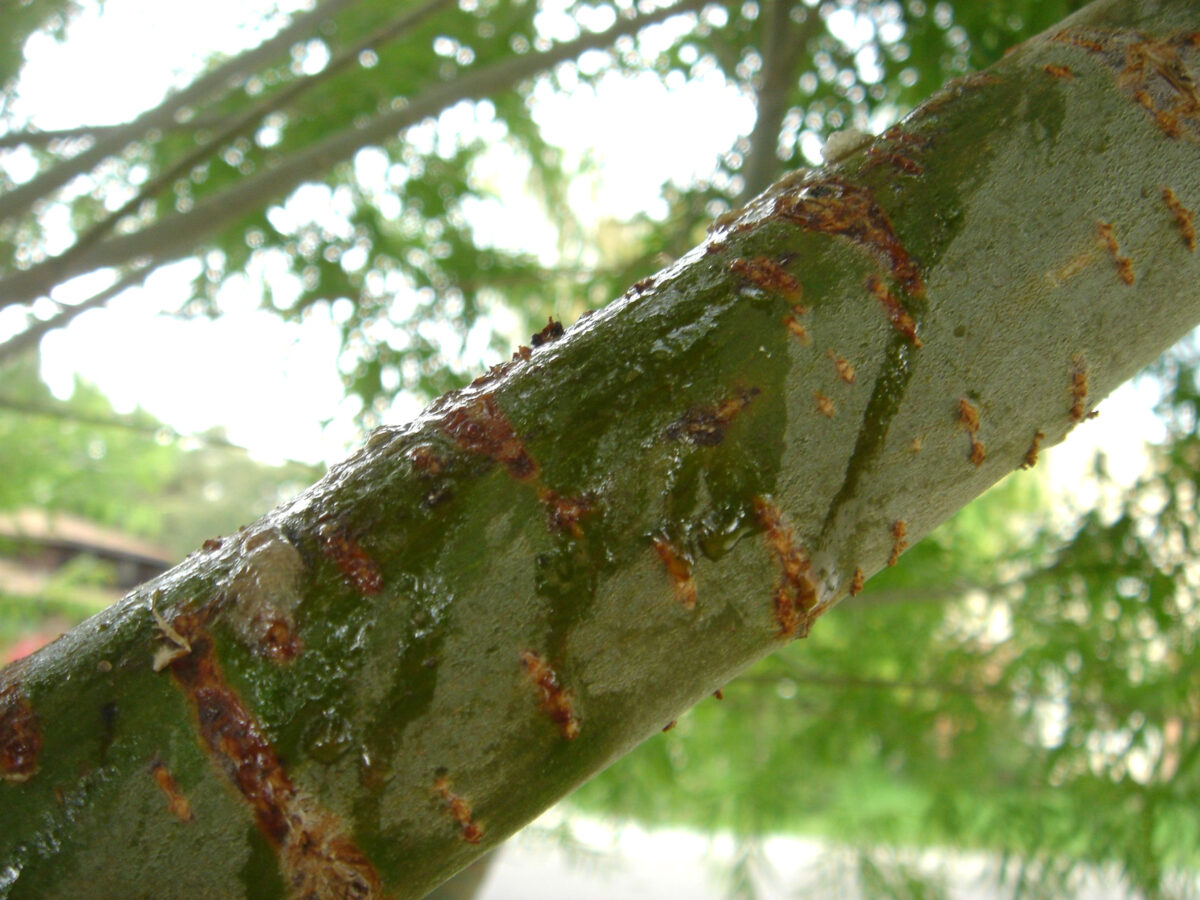
- The bacteria that caused the wet, foamy flux on this willow branch entered the cambial layer where there was feeding damage from aphids.
I received a couple of questions recently about shade trees that are leaking or dripping from their trunks or have wet stains on their bark. Let’s look at one common thing that causes this and what can be done to fix the problem.
One common cause of oozing and bark staining in shade trees is bacterial wetwood, also called slime flux. It’s common on elms, cottonwoods and willows, but it also affects many other tree species. The bacteria that cause this disorder enter trees through small cracks or wounds in the roots, trunk or branches. Insect activity and mechanical damage from pruning, mowers and string trimmers are common culprits.
This disorder shows up in two different ways in trees. Heartwood infections, as the name implies, are active in the heartwood of the tree. The bacteria cause fermentation of sap, creating pressure that causes oozing through small cracks or other injuries in the wood. There can also be cambial or bark infections in the outer layer of the trunk or branch. Cambial infections cause the foamy or slimy leaking that gives slime flux its name.
Most of the time, bacterial wetwood or slime flux doesn’t affect the health of the tree, but the staining or frothy leakage is unattractive, and the dripping ooze can kill plants below. Pruning can be a cure for some infections in branches, but otherwise there is no spray, fertilizer or other treatment that will “cure” trees once they are infected, so prevention is important. Take these steps to help prevent bacterial wetwood.
- Keep a wide grass-free area around the trunks of your trees to prevent mower and trimmer injury.
- Prune properly. Shade trees and conifers need little, if any, pruning except to direct proper growth when young or to correct or remove a problem. Sanitize your pruning tools between cuts if you suspect there may be slime flux in the tree or nearby trees.
- Give the tree good care by watering deeply but not more than once a week during the summer and less often in the spring and fall. If your tree gets watered along with the lawn, water deeply but as infrequently as the lawn will tolerate (ideally not more than twice a week).
- Inspect trees frequently and provide appropriate pest management to prevent insect damage.
I’ve got these on my tomatoes and raspberries. They’re not the Japanese beetle, are they?
Not a beetle of any kind. This is a true bug in the stink bug family.
Stink bugs have mouth parts that work like straws. They pierce the skin of fruits and suck up juices that their saliva has dissolved. Their feeding activity can cause noticeable damage in home orchards, vegetable gardens and berry patches.
Since you prefer to avoid using chemicals if you can, I recommend scouting your garden and berry patch frequently with a bucket of soapy water in hand and then grabbing and dropping or knocking any stink bugs you find into the water. This will reduce plant damage for the rest of the garden season and the number of adults that will overwinter.
Next year, scout (look/search) for stink bug eggs. They are small, round or barrel-shaped and laid in groups. Look on leaves and stems for the eggs and remove them if you find them.
The stink bugs will want to overwinter in crevices, sheds, plant debris and anything similar that provides a bit of shelter. A thorough cleanup to reduce sheltering sites – no dead plants, weeds, clutter or debris left in the garden – will be helpful in reducing next year’s population.
Meredith Seaver is a USU Extension horticulture assistant.