How an ‘insufferable’ Provo filmmaker recruited Jack Black for a low-budget movie
Provo independent filmmaker Stephen Groo is the subject of a new documentary premiering at the Sheffield International Documentary Festival 2018 in England.
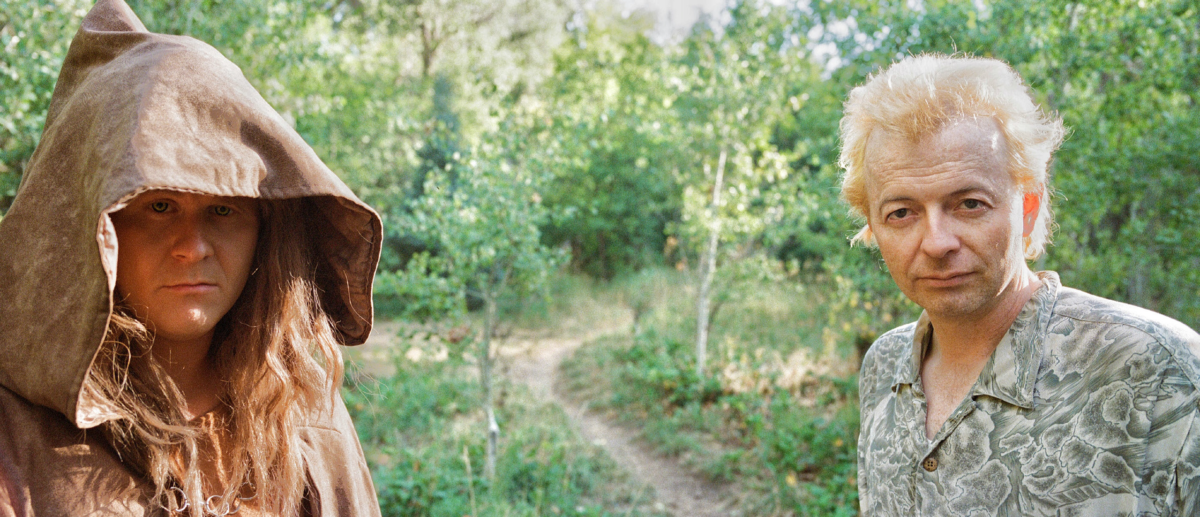
Clint Pulver, left, in costume as Lythorin and Provo independent filmmaker Stephen Groo on the set of "The Unexpected Race."
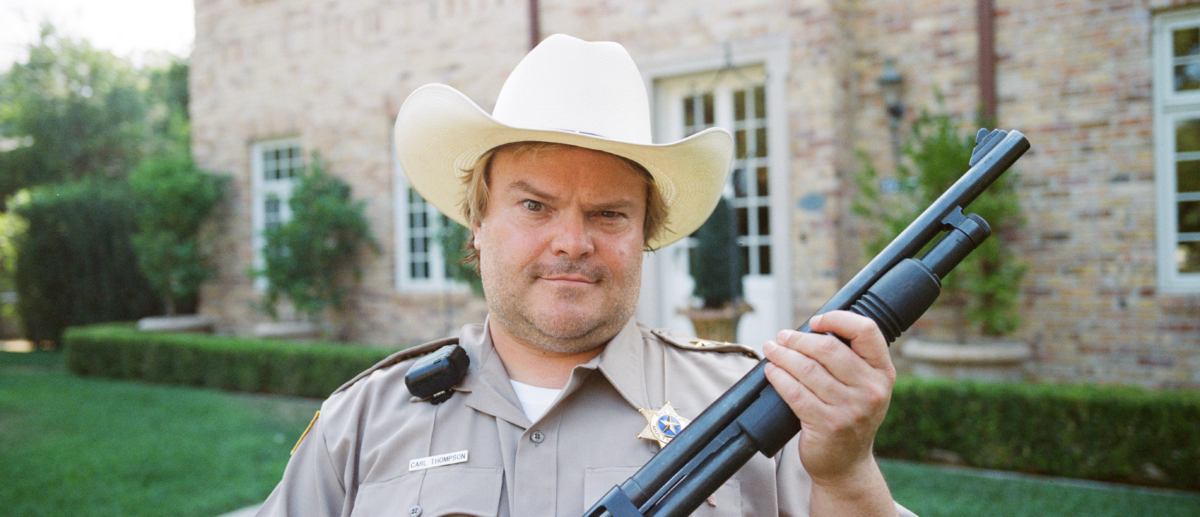
Jack Black plays the sheriff in Provo independent filmmaker Stephen Groo's "The Unexpected Race."
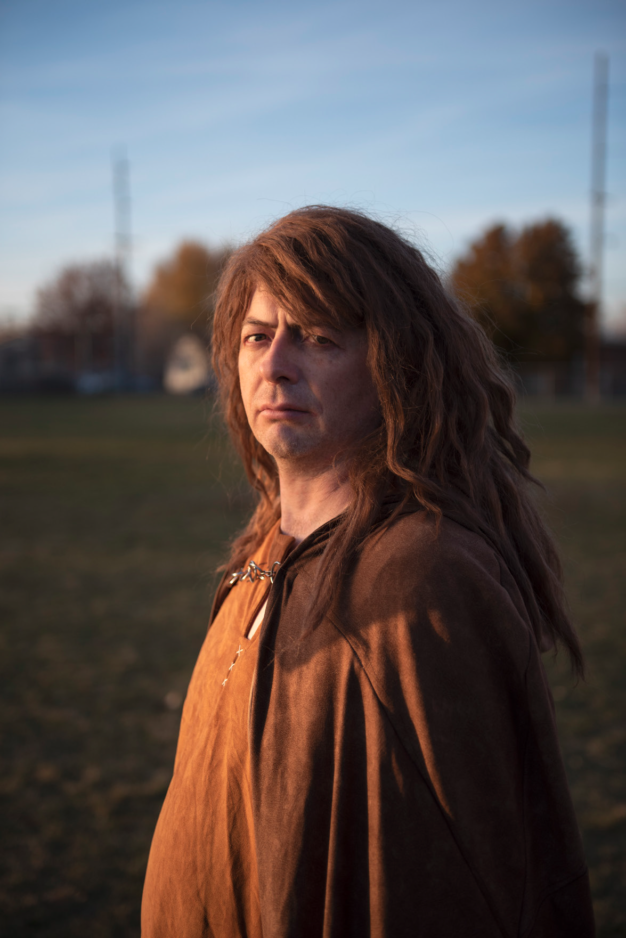
Provo independent filmmaker Stephen Groo is the subject of a new documentary premiering at the Sheffield International Documentary Festival 2018 in England.

Provo independent filmmaker Stephen Groo is the subject of a new documentary premiering at the Sheffield International Documentary Festival 2018 in England.

Provo independent filmmaker Stephen Groo is the subject of a new documentary premiering at the Sheffield International Documentary Festival 2018 in England.

Provo independent filmmaker Stephen Groo is the subject of a new documentary premiering at the Sheffield International Documentary Festival 2018 in England.
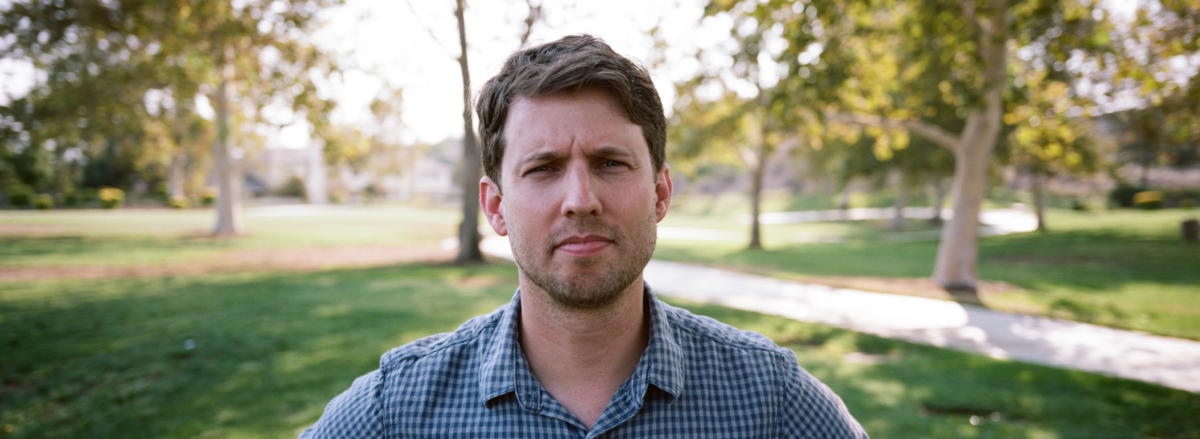
Jon Heder stars in Stephen Groo's "The Unexpected Race."
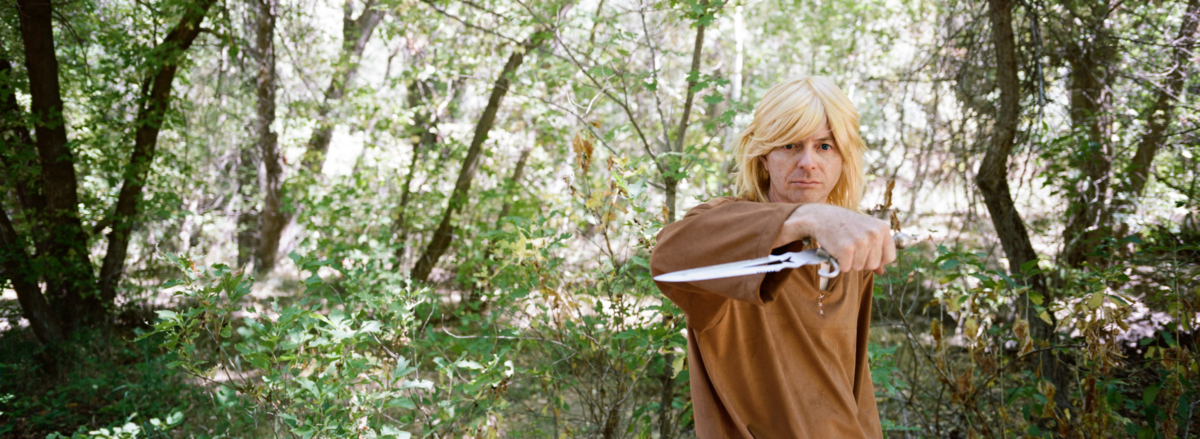
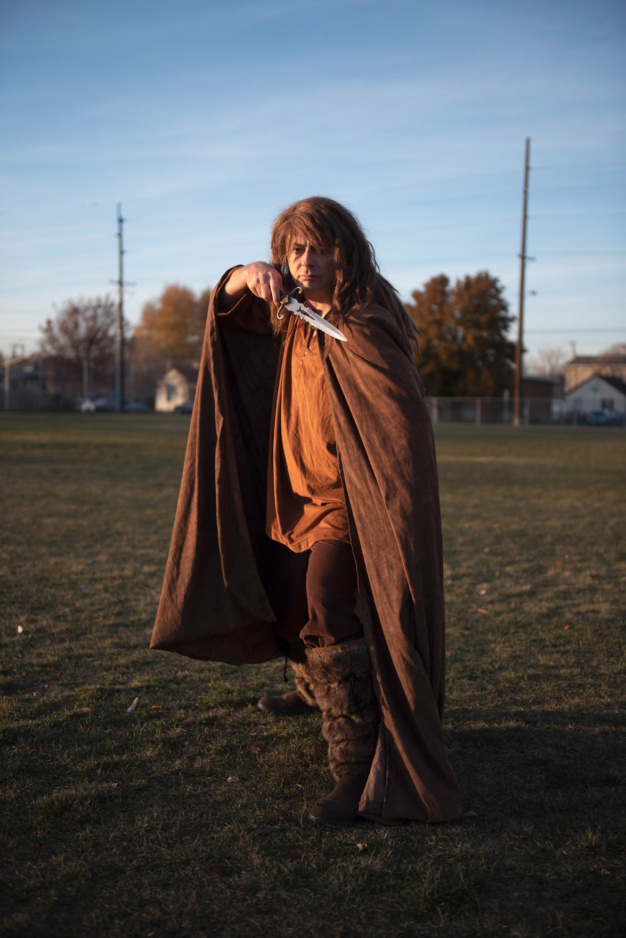
Provo independent filmmaker Stephen Groo plays Zanthar in his film "The Unexpected Race."
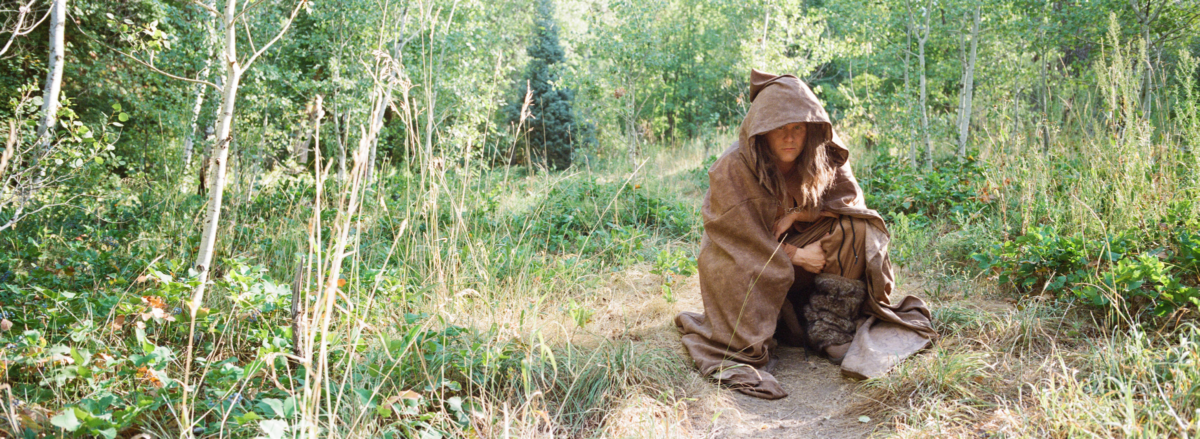
Clint Pulver stars as the elf Lythorin in Provo independent filmmaker Stephen Groo's "The Unexpected Race."
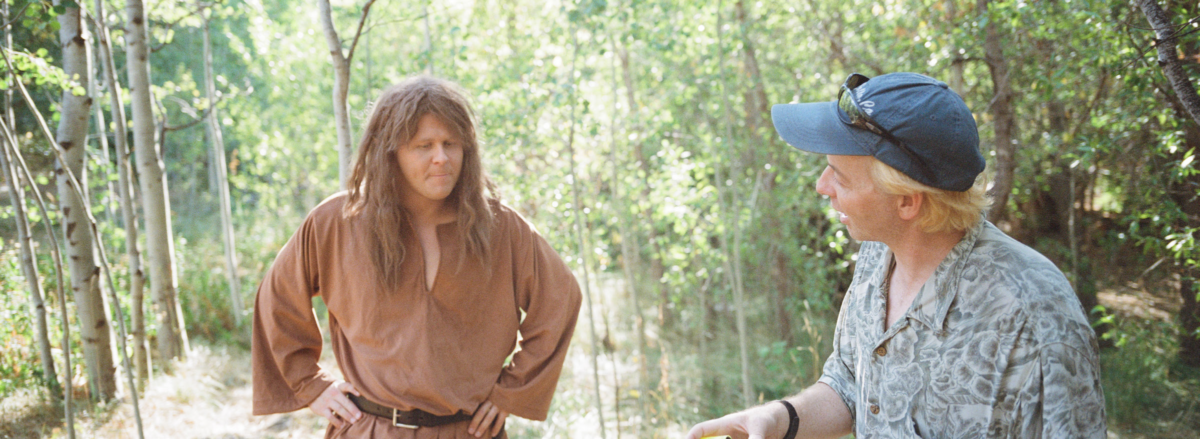
Clint Pulver, left, in costume as Lythorin and Provo independent filmmaker Stephen Groo on the set of "The Unexpected Race."
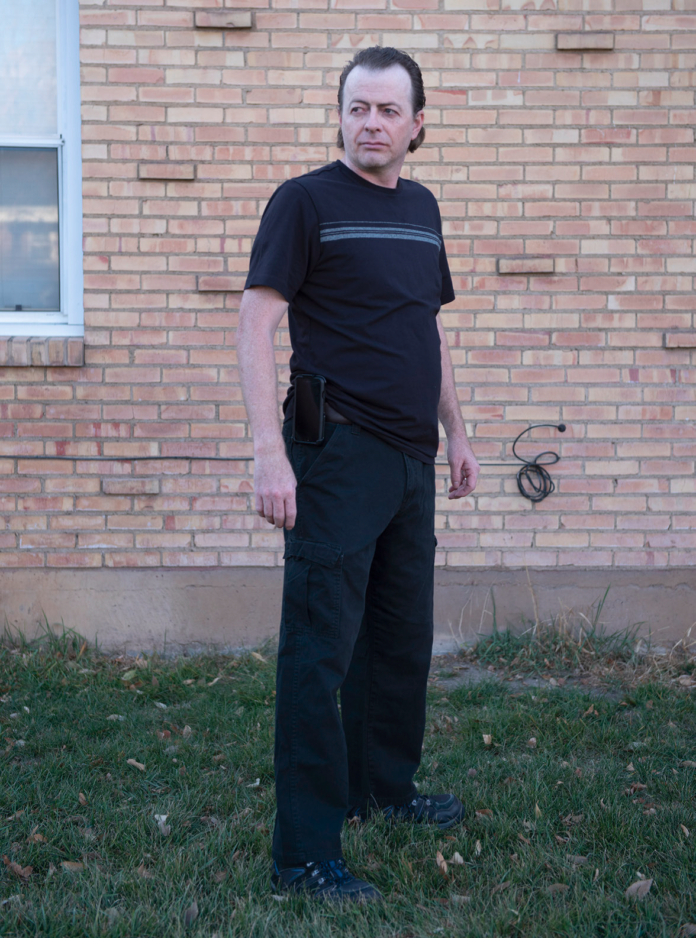
Provo independent filmmaker Stephen Groo is the subject of a new documentary premiering at the Sheffield International Documentary Festival 2018 in England.
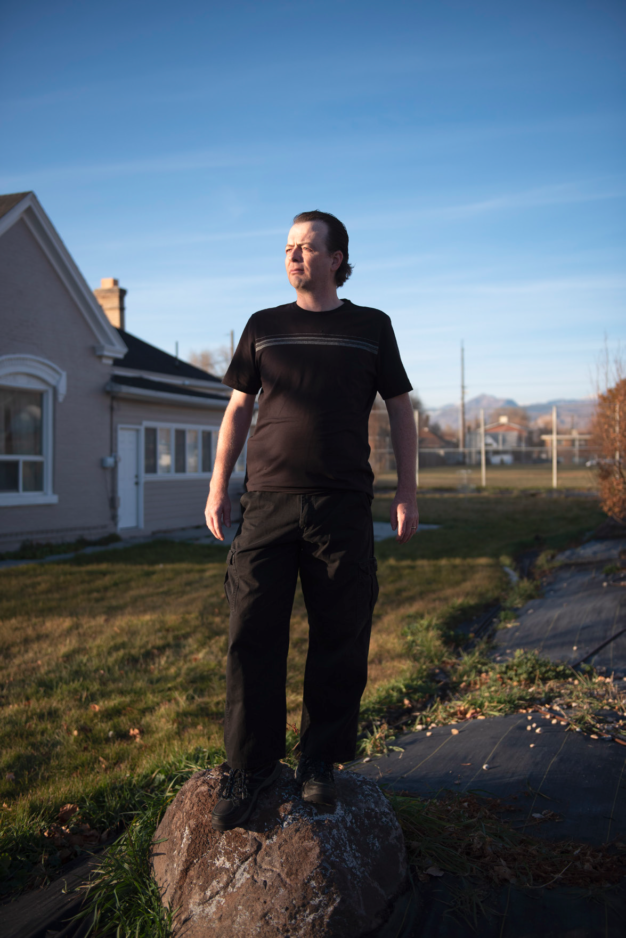
Provo independent filmmaker Stephen Groo is the subject of a new documentary premiering at the Sheffield International Documentary Festival 2018 in England.
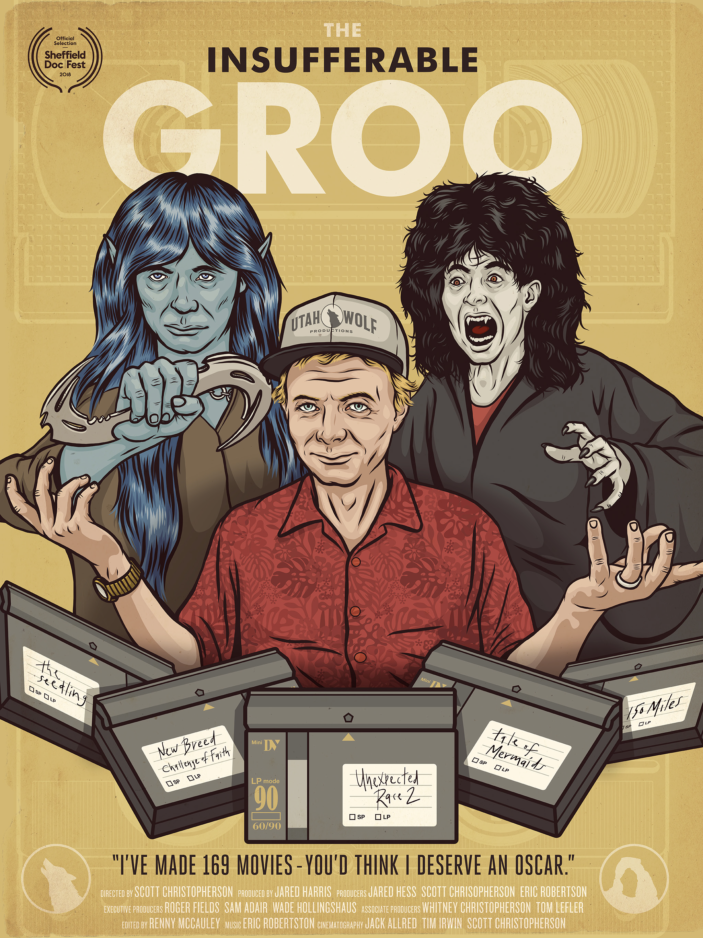
Provo independent filmmaker Stephen Groo is the subject of a new documentary premiering at the Sheffield International Documentary Festival 2018 in England.
A new documentary by Brigham Young University film professor Scott Christopherson will premiere at the prestigious Sheffield International Documentary Festival in England this week.
The subject: Stephen Groo, an independent filmmaker from Provo whose passion for the craft is unmatched, according to Christopherson.
“I’ve never met anyone that loves movies as much as he does,” Christopherson told the Daily Herald. “He grew up just loving watching movies, loving everything about them, grew up trying to make movies, and it’s like his whole life has been movies.”
Groo, best known for his 2005 “Tribute to Utah” music video, has made 200 low-budget movies in 20 years ranging in genre from sci-fi to romance under his personal studio name, Wolf Productions.
Though he has never made a profit on his films, Groo has developed a loyal Hollywood fan base including Jack Black, Jared Hess, Mike White and Jemaine Clement.
In fact, before starring in “Jumanji: Welcome to the Jungle,” Black played the sheriff in Groo’s 2016 elf-human love story film, “The Unexpected Race,” which also stars Jon Heder and Clint Pulver.
“Having Jack in ‘The Unexpected Race’ was probably one of the best things that’s actually ever happened to me,” Groo told the Daily Herald. “Going down to have two and a half hours with Jack was just a director’s dream.”
Hess, one of the new documentary’s producers, known for writing and directing “Napoleon Dynamite” and “Nacho Libre,” is responsible for introducing Black and most other actors he has worked with to Groo’s movies, as he gives them to his cast and crew as wrap gifts following his projects.
Christopherson said he senses Groo’s fans love his films for their honesty and because they are being made for the “simplicity of making movies.”
“I asked Jack this. He said something to the effect of, ‘It looks like everyone’s having so much fun on set. They’re just having a blast,’ ” Christopherson said. “It’s not for money, it’s not for fame; it’s for kind of the raw joy of telling a story and telling it in your own way.”
The new documentary, titled “The Insufferable Groo,” which will screen locally sometime this year, follows the process of filming “The Unexpected Race” and recruiting Black to play the sheriff, as well as the Groo family’s personal life over the course of three years. The documentary’s title was inspired by Groo’s directing style, which Christopherson said can be “pretty demanding.”
“He’s always rushing, and I think part of that is because he wears so many hats,” Christopherson said. “He doesn’t have a lot of money or time, and so … he’s doing everything aside from cinematographer. … He’s stressed out on set, and that leads to chaos I think at times.”
Groo, his wife and his four children live on his wife’s $1,000 per month income. Christopherson, who had heard about Groo — a BYU film school legend — through a friend who had acted in one of his movies, said he was drawn to Groo’s story because of his intense passion for film.
“There’s something to be said about someone who is constantly creating,” Christopherson said. “He has a really difficult life. He really struggles financially and it’s not easy for him and his family, but he still does what he loves.”
Groo’s family is very involved in his work, as his wife makes most of the costumes and props for the films, his 13-year-old son has learned to run the camera and his kids have been in several of Groo’s movies.
“They’re always having a good time when we’re in a ‘Star Wars’ mood to jump into their jawa outfits and go to the desert and shoot a Tatooine scene,” Groo said. “That’s kind of what some people don’t see behind the scenes is that movie … was a big family experience for me.”
He said what keeps him going despite facing a lack of profit and attention for his films is his passion for entertainment.
“My goal is to make one person smile or to feel entertained,” Groo said. “I feel that I have accomplished something when I can get one person to enjoy my movie.”
Groo’s main goals for the future are to sell “The Unexpected Race” and get the word out about his films. Christopherson said he hopes the documentary will help with this and earn enough funding through its Kickstarter to share with more of the world a relatable story about “following the dream.”
“What price should you pay to follow your dream?” Christopherson said. “We all have dreams we’ve either given up on or dreams that we continue to pursue but that costs us and our families a lot, and I think at the heart of our documentary, that’s what this is all about.”