Talkin’ transportation: How MAG plans the future of travel in Utah County
-
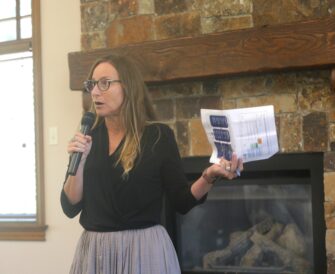
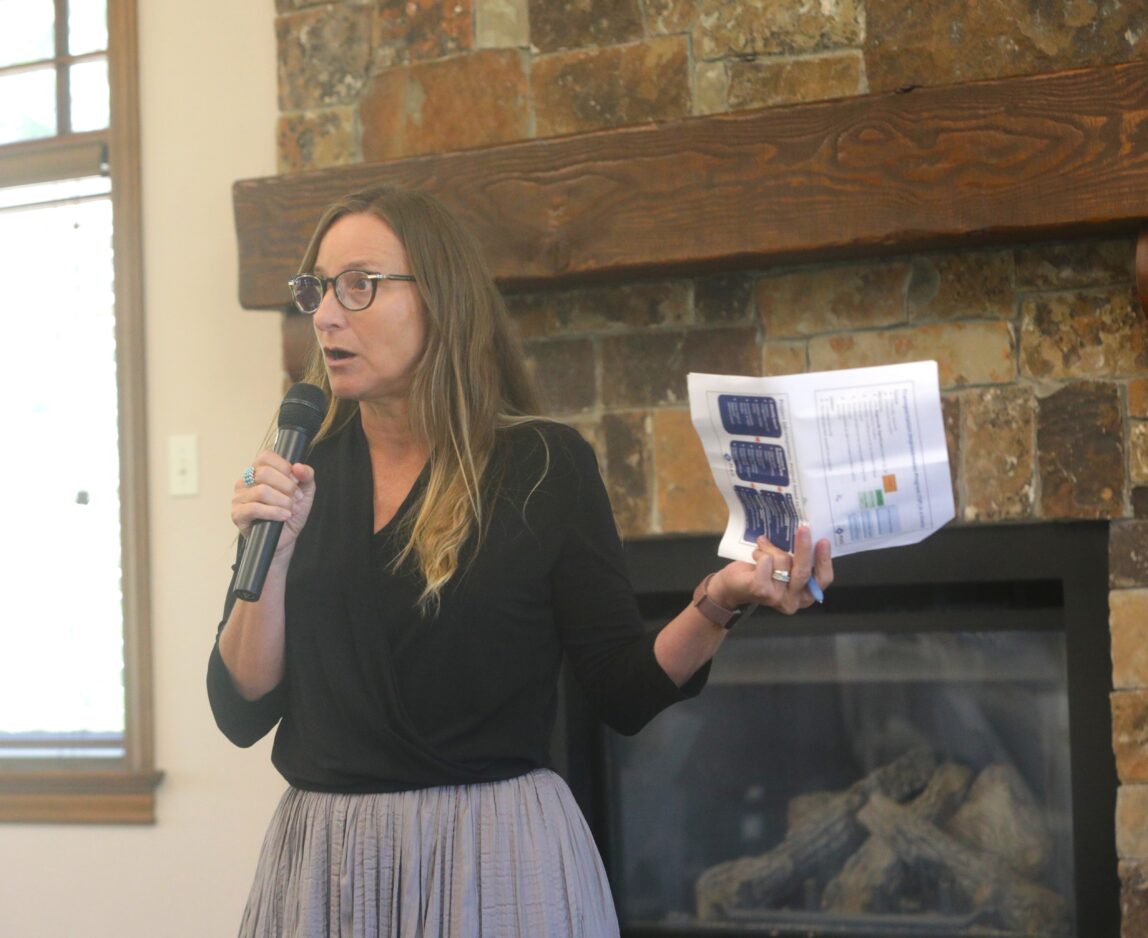
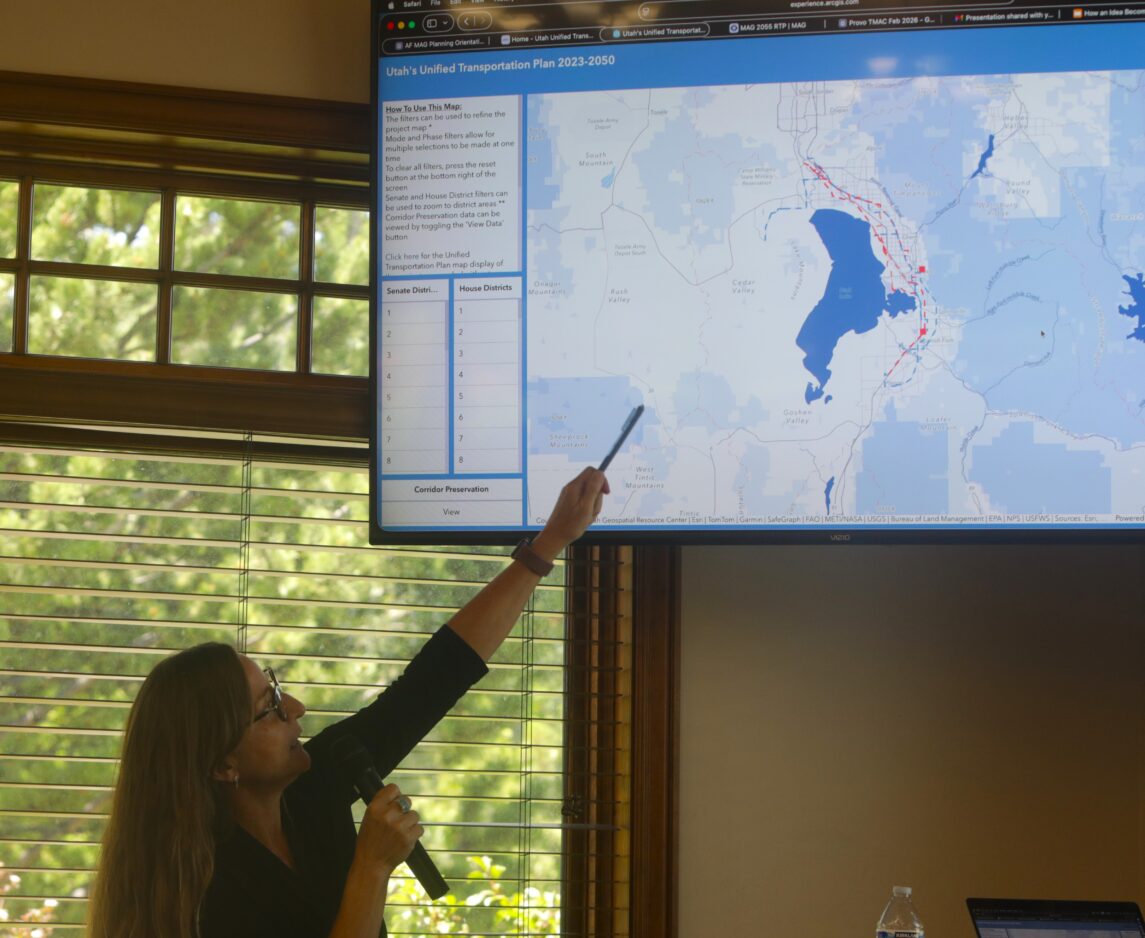
- Mountainland Association of Governments Metropolitan Planning Organization Director LaNiece Davenport speaks at an American Fork Chamber of Commerce meeting Wednesday June 3, 2026. at Fox Hollow Golf Course.
-
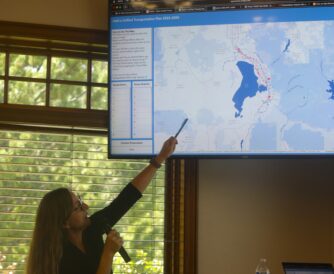
- Mountainland Association of Governments Metropolitan Planning Organization Director LaNiece Davenport speaks at an American Fork Chamber of Commerce meeting Wednesday June 3, 2026. at Fox Hollow Golf Course.
-
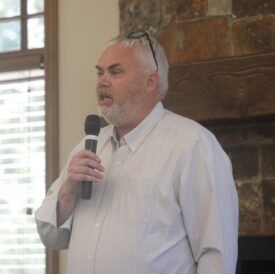
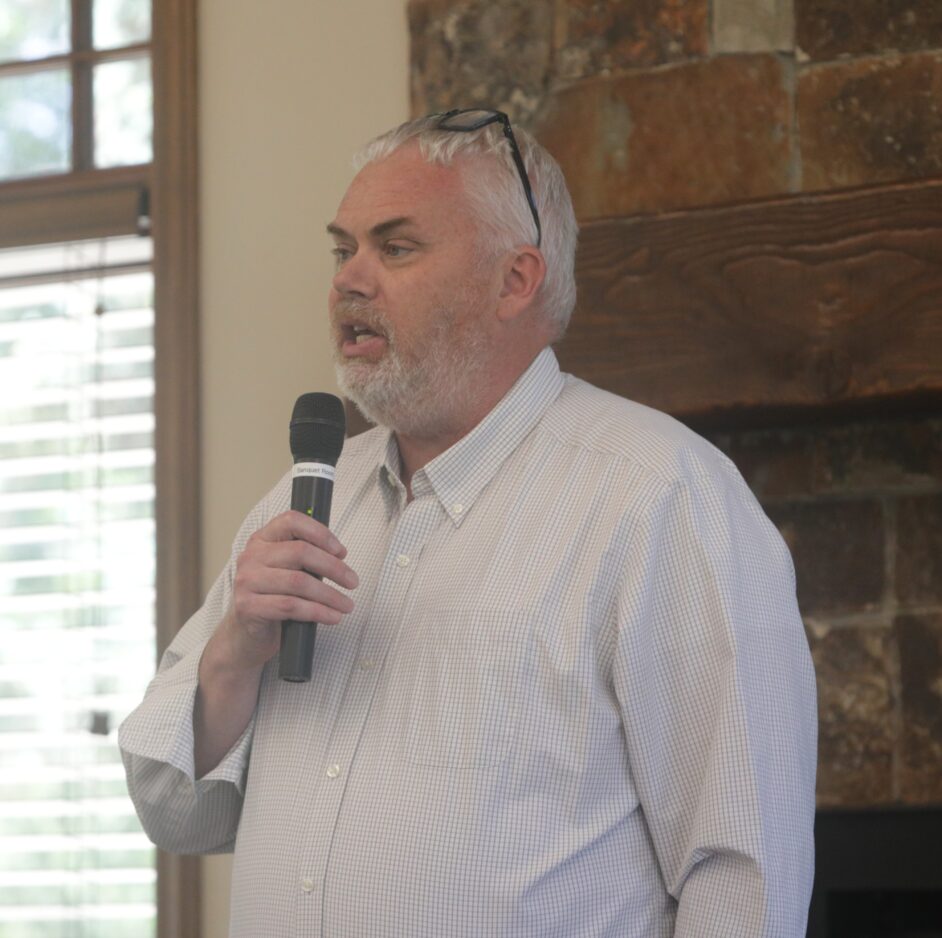
- Mountainland Association of Governments Transportation Program Manager Bob Allen speaks at an American Fork Chamber of Commerce meeting Wednesday June 3, 2026. at Fox Hollow Golf Course.
With existing traffic challenges and a projection that Utah County’s population will double in the next 40 years, transportation planning is paramount to the sustainability of the community.
A key shaper of that vision is Mountainland Association of Governments, or MAG, a regional governmental entity governed by elected officials in Utah, Wasatch and Summit counties.
MAG Metropolitan Planning Organization Director LaNiece Davenport and Transportation Program Manager Bob Allen met with the American Fork Chamber of Commerce Wednesday to explain how its master planning operates to chart Utah County’s future. The Daily Herald attended the meeting.
One of MAG’s roles is to serve as Utah County’s Metropolitan Planning Organization, or MPO, which is a federally designated body that is required to create a long-range regional transportation plan, according to Davenport.
Through the MPO, MAG builds a regional transportation plan, or RTP, that plans transportation projects between the present day and 2050. Allen said MAG will identify traffic, growth or safety concerns in a certain area, and work with municipalities and UDOT to identify a solution and place it on the RTP.
“If it’s a regionally significant transportation facility or higher, that project has to be in our RTP in order to get completed,” Davenport said. “So it’s important that we plan the projects, then work with those implementers, UDOT and UTA, to implement the project.”
Building a new highway project, for example, does not necessarily mean money is set aside for construction. This is where MAG’s Transportation Improvement Program, or TIP, comes in. Through its TIP, MAG works with UDOT, UTA and local governments to assign money to projects up to five years out.
“All of our transportation entities in the state look and say ‘This is our revenue, and that is what we’re going to build over the next five year period,” Allen said.
When a project reaches the TIP phase, Allen says it will fall into one of two funding avenues, the first being the state prioritization process.
He said the “big ticket” projects such as freeways and interchanges will be identified and funded by state funds. In 2024, for example, the state legislature approved nearly $1.4 billion for large construction projects in northwest Utah County, which include converting 2100 North in Lehi into a freeway, extending Mountain View Corridor and adding flex lanes at Pioneer Crossing.
The second avenue is regionally-selected funding, which MAG oversees through the TIP. Allen said MAG allocates approximately $115 million of regional transportation money every two years, which is funded through local municipal sales tax, federal funds and other sources.
Current MAG projects include the Utah Lake Parkway Trail, the American Fork Art Dye Trail and Phase No. 2 of building 1200 West in Springville.
“This is typically smaller projects, intersections, short connections of maybe new roads that don’t exist, and active transportation projects,” Allen said.
American Fork Mayor Brad Frost, who is also the vice chair of MAG’s MPO board, said at the meeting that TIP is a way for different municipalities to work together to get projects done that are in their shared interest.
He said Lehi, Saratoga Springs and American Fork have submitted a joint application to the MAG board for a $25 million appropriation to help build a planned corridor south of Pioneer Crossing that will help commuters from each city get to their destination.
“We want to be good neighbors, we want to help people, we’re all in this together. … Financially one city cannot support (that project),” he said.
Davenport said deciding what projects are funded involves input from the mayors that make up the MAG governing board and isn’t a cherry-picked process, but relies on data-backed information.
“People say, what’s important to you? Reducing congestion, improving air quality, increasing safety,” she said. “We identify what our outcomes and what our priorities are, and then we say, OK, how do we get there? What are the mechanisms that we can use in order to allow us to fund the right kinds of projects?”