‘HABs Happen:’ What the ULA wants you to know about harmful algal blooms in Utah Lake
-
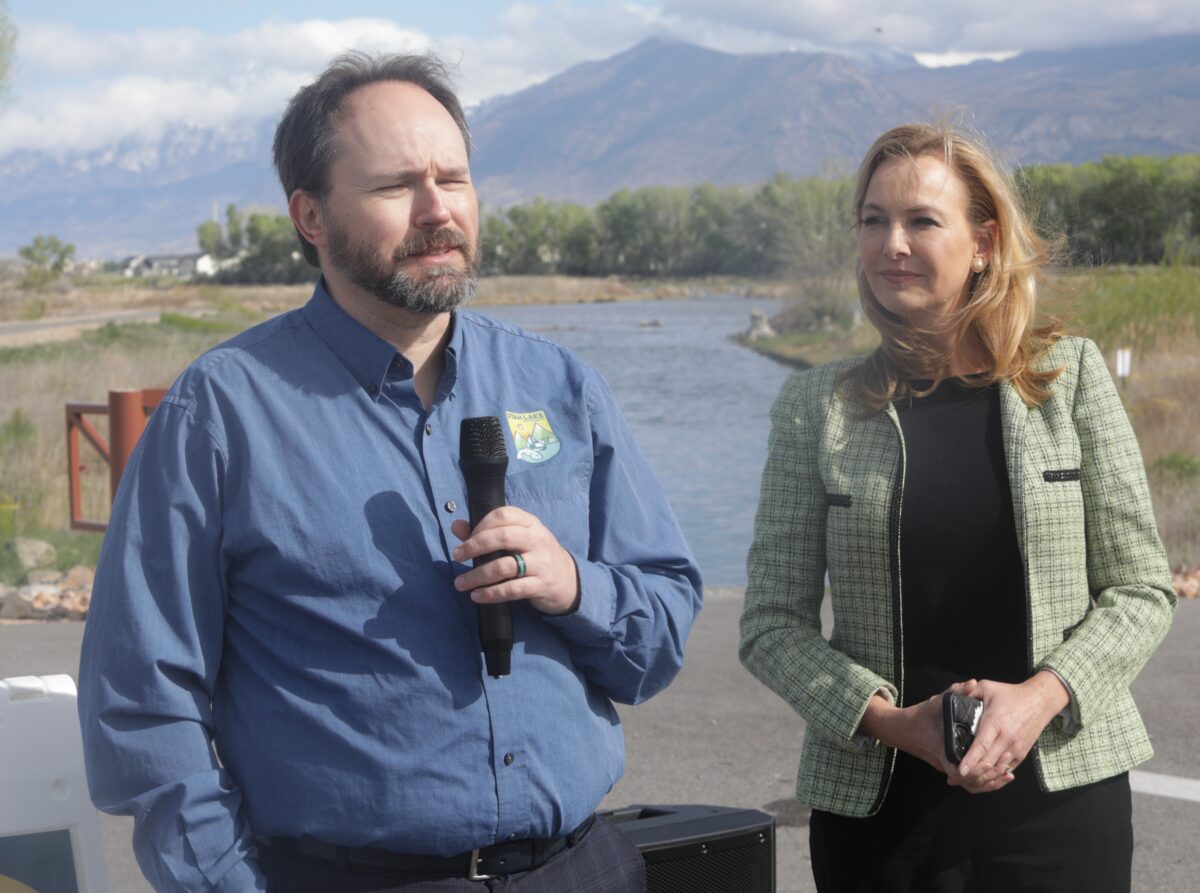
- Utah Lake Authority Director Executive Director Luke Peterson, left, and board chair Carolyn Lundberg speak about harmful algal blooms Tuesday, April 14, 2026, at the Provo River Delta.
-
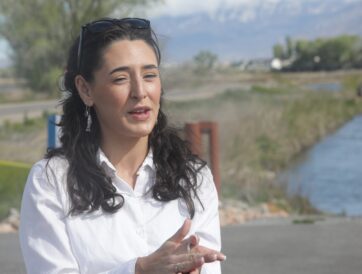
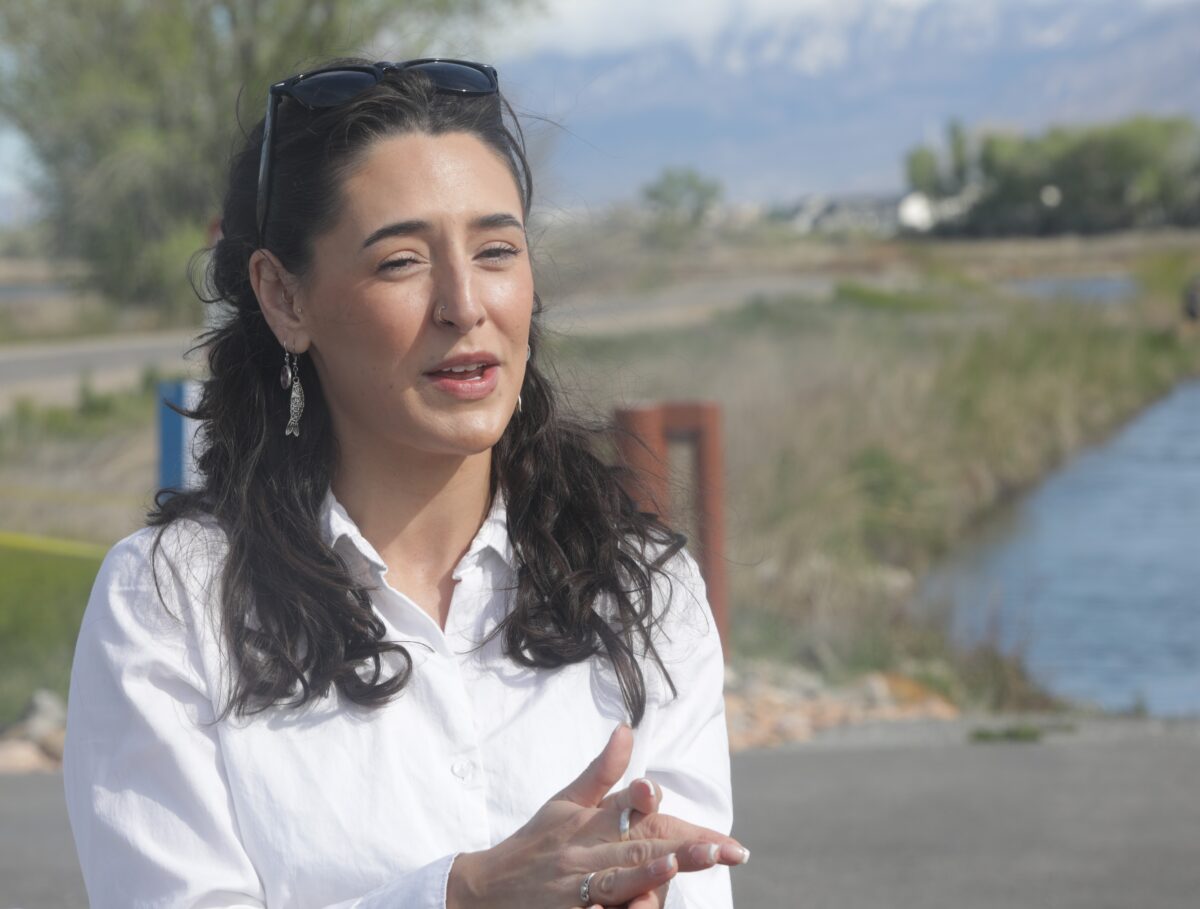
- ULA conservation education programs manager Addie Valdez speaks on harmful algal blooms Tuesday, April 14, 2026, at the Provo River Delta.
The Utah Lake Authority wants to change the narrative around an annual occurrence that steers many locals away from Utah Lake: harmful algal blooms, or HABs.
The state agency launched an initiative Tuesday called “HABs Happen” with a goal of educating people about them.
HABs are a health concern, but the panic surrounding them is “dramatically out of proportion” with their actual risk, said ULA Director Luke Peterson. While HABs can be deadly to dogs, they are mildly dangerous to people, and it is safe to recreate at Utah Lake with the right information, the lake authority said.
“It’s time for us to stop talking about them as an emergency,” Peterson said Tuesday morning at the Provo River Delta in Provo. “We had Harmful Algal Blooms last year. We’ll have harmful algal blooms this year and next year and so on in the future. So instead, we need to treat them like seasonal challenges, like wildfires and flash floods and avalanches. Those are all things that you just need to know before you go.”
What HABS are
Harmful algal blooms are not actually algae, but are cyanobacteria, which are photosynthetic bacteria, according to ULA conservation education programs manager Addy Valdez.
A way to tell the difference between algae and cyanobacteria is to place a stick in the water, Valdez said.
“If it all sticks to the stick, it’s not going to make you sick,” she said. “And if it kind of disintegrates and spreads out, that means it’s cyanobacteria, and you don’t really want to get into that.”
These bacteria are found in bodies of water throughout the world, and the issue is perpetuated by humans because of the extra nutrients we add to water and a changing climate, according to Valdez.
Predicting when cyanobacteria will appear works similar to tracking the weather. Biologists have data and tools to track and determine outcomes but can only make predictions, not projections.
“June, July, August, September — that’s when you can start to look out for them,” Valdez said. “And especially when it’s going to be this hot, you definitely want to keep your eyes out.”
Because HABs are predictable, though, recreators can prepare for them, said ULA board chair and Lindon Mayor Carolyn Lundberg.
“If you’re going to go hiking in the slot canyon, you’re going to see if it’s a rainy day or check the thunder clouds. And this 28-mile lake might have one little localized spot that pops up an algal bloom. Well, there are enormous other areas you can go and still recreate and enjoy the lake,” she said.
ULA communications director Kelly Cannon-O’Day said the best way to check the HABs forecast is to go to the Division of Water Quality’s website at habs.utah.gov.
“It’ll tell you exactly where harmful algal blooms have been reported and at what level they are,” she said.
Utahlake.gov also has information on what HABs look like, and how to spot and avoid them, Cannon-O’Day added.
Containment efforts
While HABs are a natural occurrence, measures are being taken to contain the bacteria by attacking other species that can increase HABs.
The largest reduction of Phragmites and the largest planting of native plants in the lake’s history occurred last year, according to Skyler Beltran, Utah County commission chair and vice chair of ULA
Valdez said the Phragmites removal program has had enough success in the last five years that several shoreline areas have cleared up, and the effort has become more about maintenance.
The state has also taken measures over the last decade-plus to reduce the carp population. More than 35 million pounds of carp have been removed since 2009 with the estimated current population of carp sitting between 50% and 75% of the original figure, according to ULA.
“It’s not all, ‘Oh well, Habs happens,’ because they do, but we are doing so much good work to mitigate that and improve the lake so that it can be used every single day by so many people,” Beltran said.