Flight management: How BYU students help prevent bird strikes at Provo Airport
-
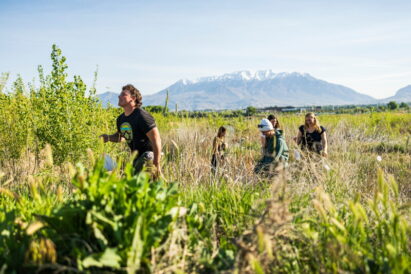
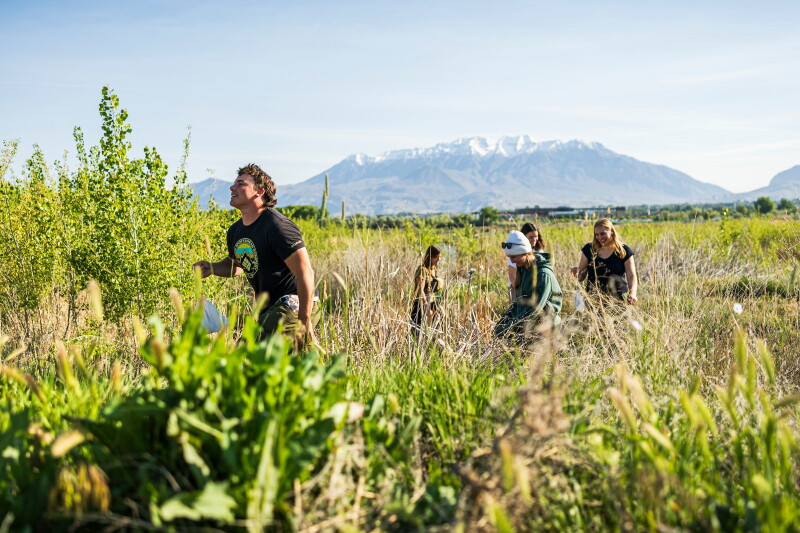
- Students conduct a bird survey at the Provo River Delta.
-
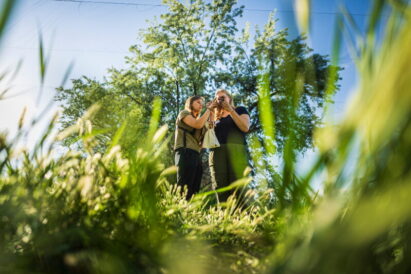
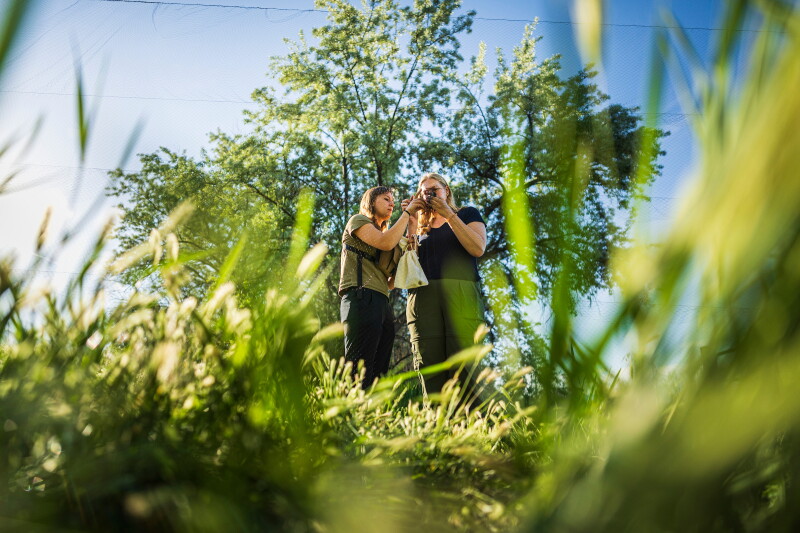
- Students conduct a bird survey at the Provo River Delta.
-
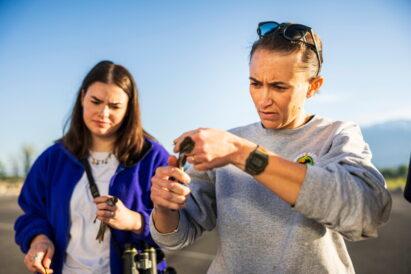
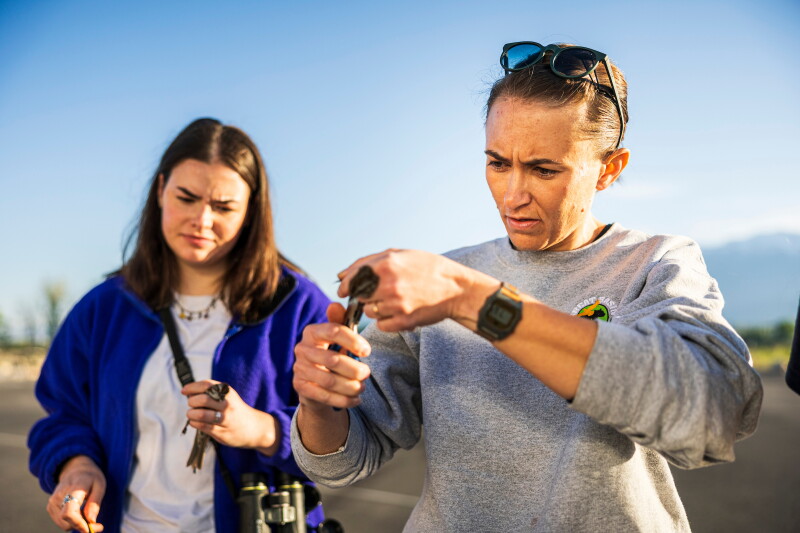
- Students conduct a bird survey at the Provo River Delta.
-
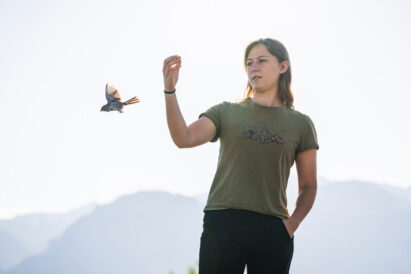
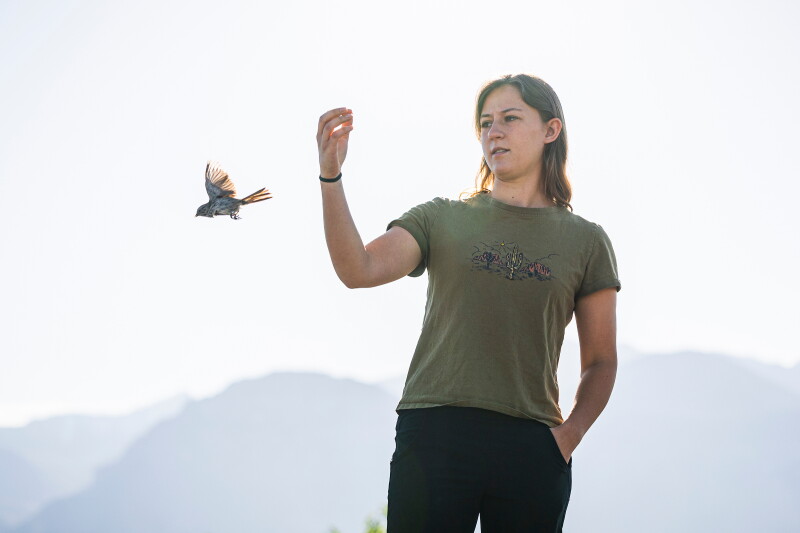
- Students conduct a bird survey at the Provo River Delta.
-
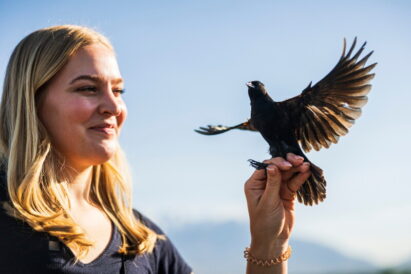
- Students conduct a bird survey at the Provo River Delta.
From birds inhabiting the restored Provo River Delta to planes taking off at the growing Provo Airport, flying objects continue to take up the skies along the Utah Lake shoreline.
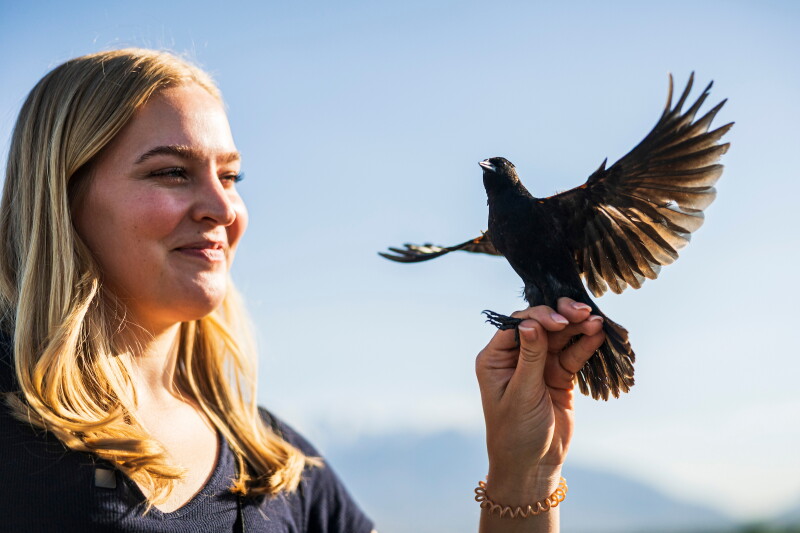
Helping to manage this airspace and reduce collision risks for aircraft passengers and birds alike are students in a Brigham Young University ornithology class.
Three times a week, these students go to the delta to conduct point count surveys, where they position themselves in a specific spot and record all the birds they see and hear and track what they’re doing: perching, foraging, flying or sitting on the water.
What they find goes into a large data set built by Wildlife and Wildland Conservation graduate student Leslie Clark, who shares her findings with the Provo Airport.
“It’s a huge data set that the airport can use to look at bird populations and the habitat that they’re using,” Clark said. “That can help with certain management decisions that the airport is making for birds there and also birds in the surrounding areas.”
BYU students have been tracking bird activity at the mouth of the Provo River and near the airport since 2017. However, the completion of the Provo River Delta restoration project in 2024, which transformed 240 acres of agricultural land north of the original Provo River channel into a wetland, changed the habitat.
Clark said the delta has seen a huge increase in the bird population, from waterfowl to shorebirds and blackbirds.
On the other hand, the data shows a decrease in bird density at the airport — precisely what the researchers are hoping to see. There are a few reasons behind it, Clark hypothesized.
“Probably a combination of the delta being a good habitat and a productive ecosystem, and then also the biologists at the airport do a lot of good work with mitigation,” she said.
Typical mitigation work to reduce bird strikes at the airport involves removing habitat that would be attractive to birds such as trees and tall grass, according to Clark.
“Lots of cement and super cut short grass,” she said.
Some airports will also remove and relocate larger birds, or fire blanks and make loud noises to get them to fly away, Clark added.
Measures taken at the airport and the delta ensure safe flying for all — while giving students some meaningful experience in the field.
“Our lab does a lot of really awesome projects, but a lot of them have pretty summer-heavy field seasons, and mine is one that goes on year-round,” Clark said. “So it’s a good thing for students to get out in the winter and get to go out and do some field work when a lot of the other projects aren’t doing very much heavy field work.”
Local News

How Utah County’s school districts did on the ACT compared to the state in 2026
A century of Lehi Power: Municipal power provider values independence as it navigates growth, rising costs