Mosquitoes mitigation: How the Utah County Mosquito Abatement District combats the blood-sucking insects
-
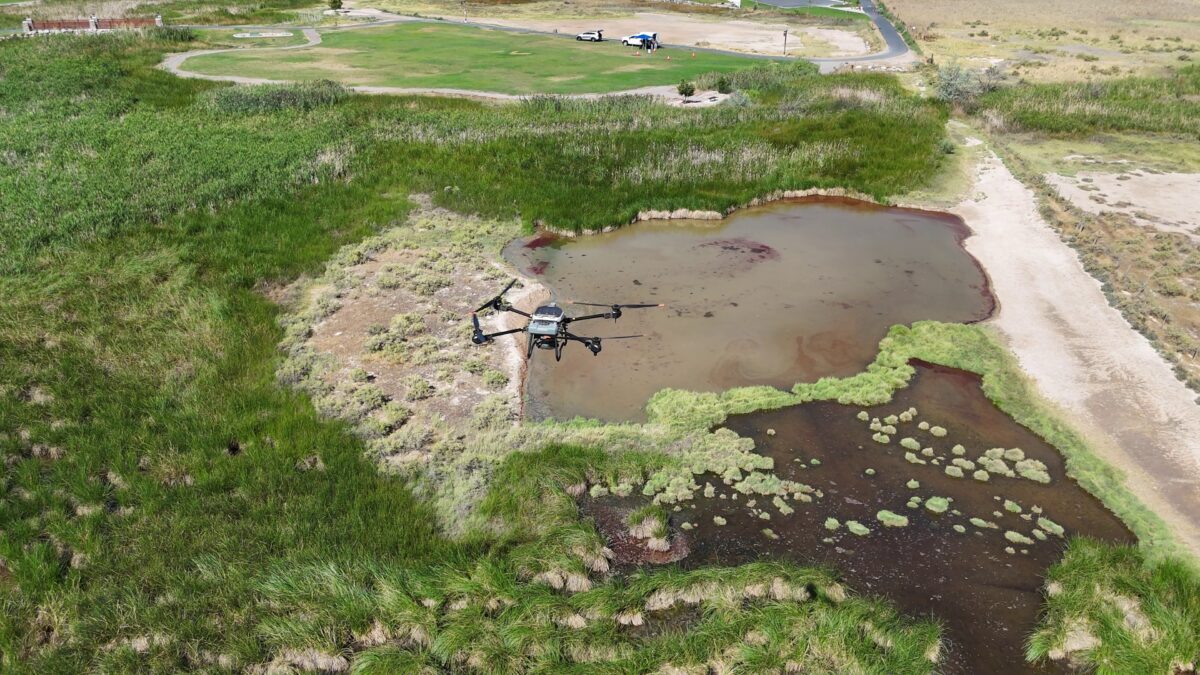
- A mosquito abatement drone is pictured in Utah County.
-
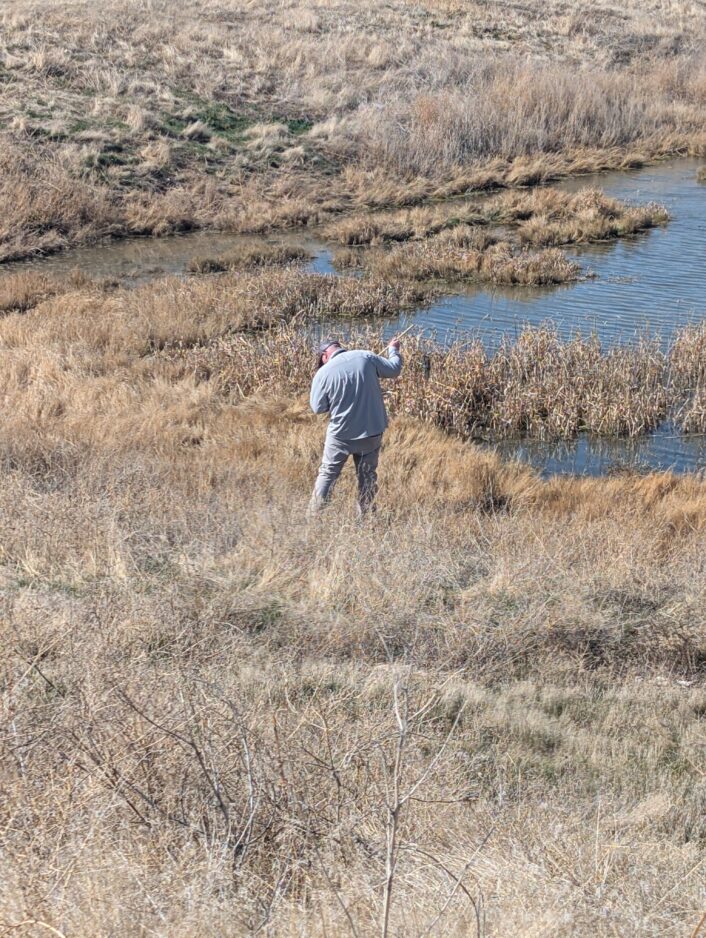
- Jason Bird conducts larval samples.
June’s arrival signifies the start of backyard barbecues, pool parties and outdoor recreation, but it also means mosquito season is back in full force.
Dedicated to combatting the pesky, blood-sucking insects is the Utah County Health Department’s Mosquito Abatement District, which announced Monday the official start of the 2026 mosquito control season.
Some are familiar with the department’s trucks, which will start driving around every night Monday through Thursday spraying mosquitoes. However, the effort to mitigate the insect and the risk of West Nile virus in the county goes beyond blasting adulticide out of the back of a pickup.
“Mosquito control starts long before spraying ever occurs,” said Mosquito Abatement Director Jason Bird. “Our crews are out every morning, every day, monitoring all these mosquito populations and mosquito breeding sites, inspecting water, collecting mosquitoes in traps and testing for West Nile virus.
“The surveillance helps us understand where mosquito activity is occurring, so we can then make informed decisions throughout the season. Prevention is always our first line of defense, and our goal is to protect public health while helping the residents enjoy their summer.”
The Utah County Health Department has the only public mosquito abatement program in the county. Its two main avenues of prevention are inspecting and trapping.
The department also has 36 traps set throughout the county that are baited with CO2 to attract the mosquitoes. The data pulled from them drives the surveillance and shows the team where it needs to put forth its efforts, Bird said.
There are also over 3,000 mosquito breeding sites throughout Utah County, all mapped on GIS software and updated via drone, according to Bird. The abatement team inspects those breeding sites and tracks larval activity.
Bird said technicians will perform larval samples at sites with high mosquito activity. If the issue is large enough, the department will send a drone to drop larvicide in the water. It is consumed by the mosquito larvae, disrupting their digestive systems and killing them.
“We’re trying to do more of the larvicide and less of the adulticide because you can kill far more mosquitoes in the water with the larvicide than you can with the adulticide,” Bird said.
A top priority for the department with these efforts is limiting the spread of West Nile virus, the leading cause of mosquito-borne disease in the United States, according to the CDC.
The disease was present in Utah County last year, with 16 recorded human cases and five horse cases, Bird said. Early surveillance remains key in preventing it, he said.
“We have a strong monitoring program in place, and we’re already actively treating and tracking mosquito activity this season,” Bird said. “Our goal here is to identify trends early by doing the trapping and the inspections, so we can take those proactive steps to help reduce risk before the problem becomes bigger.”
More water directly leads to more mosquitoes, and Bird does not expect this summer to be a bad mosquito season. However, the prevalence of West Nile virus is not connected to water levels, he said.
After a heavy water year in 2023, Bird said the county had a lot more mosquitoes but less West Nile virus. Instead, the virus’s prevalence is based on the migratory pattern of corvid birds, which mosquitoes feed on and can contract the virus from if the birds are infected.
“Mosquitoes are going to feed on those birds, and if the bird is sick, and the mosquito is infected, they can make the human sick,” Bird said.
While the abatement team conducts its various mosquito mitigation methods, steps can be taken by residents to prevent mosquitoes on their own properties. Bird said the most effective measure is to eliminate standing water on their property.
“Common places where water can collect are horse troughs, neglected containers, old tires and clogged drains,” he said. “These are areas our technicians don’t know about because they’re in people’s backyards, and you can imagine, with the 700,000 residents we have in Utah County, there’s a lot of homes and a lot of backyards.”