‘You can’t tell’: UVU study examines the effectiveness of deepfake videos

-

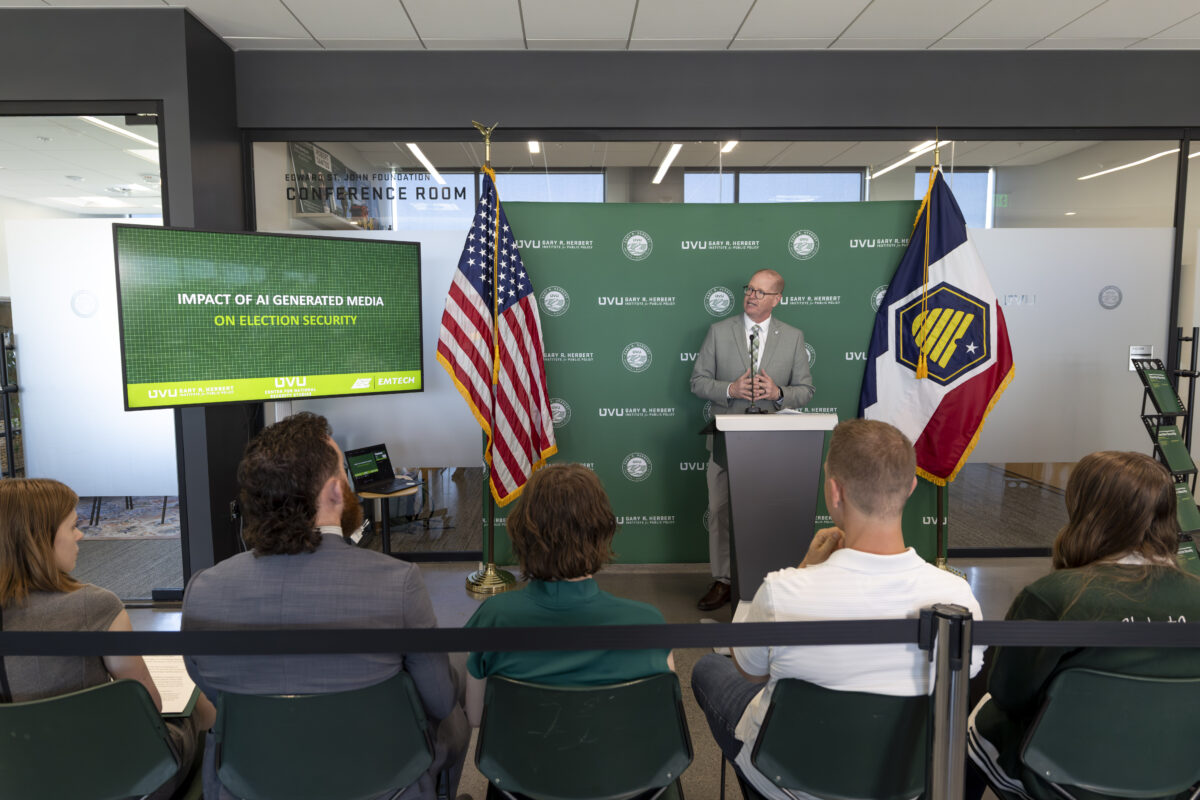
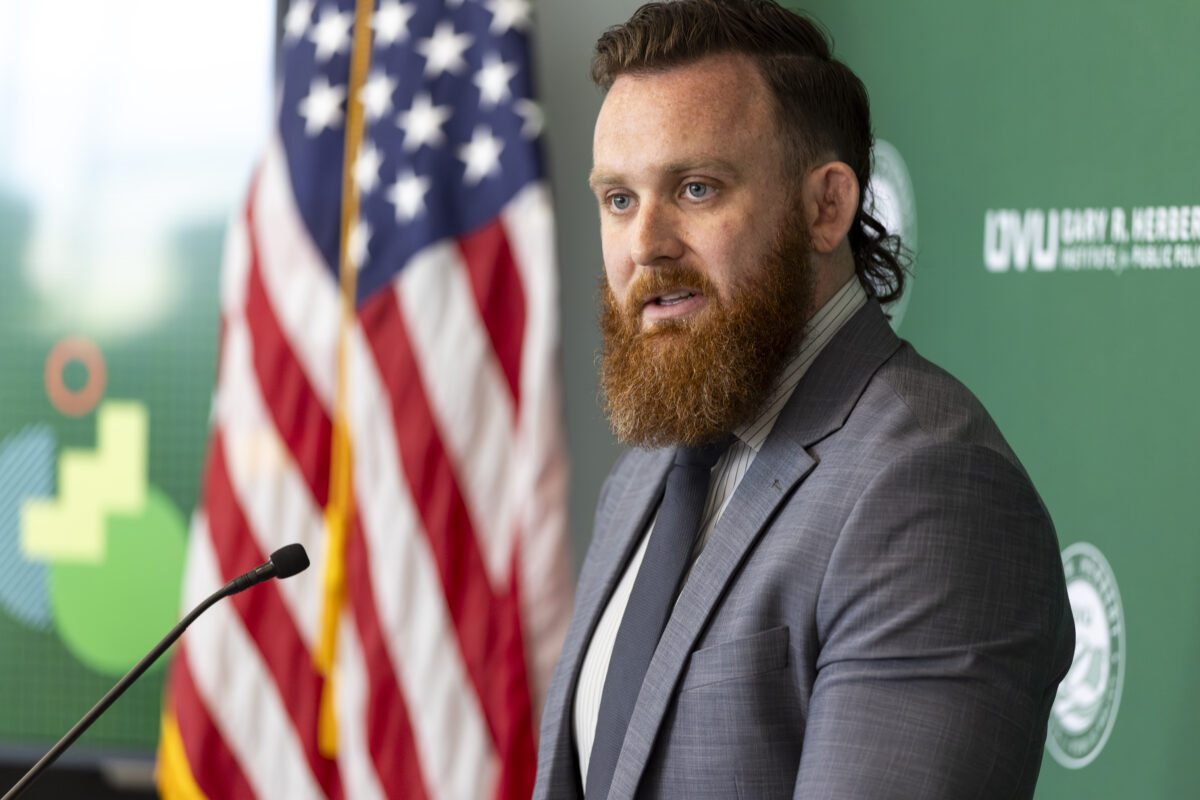
- Herbert Institute Executive Director Justin Jones speaks during a press conference Thursday, June 18, 2026, at Utah Valley University in Orem.
-

- Members of a Utah Valley University study researching deepfake videos meet Thursday, June 18, 2026, on UVU’s campus in Orem.
-
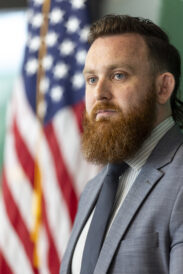
- Emerging Tech Policy Lab Director Brandon Amacher speaks during a press conference Thursday, June 18, 2026, at Utah Valley University in Orem.
-
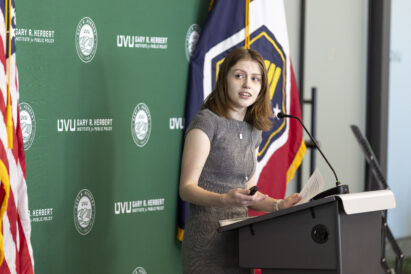
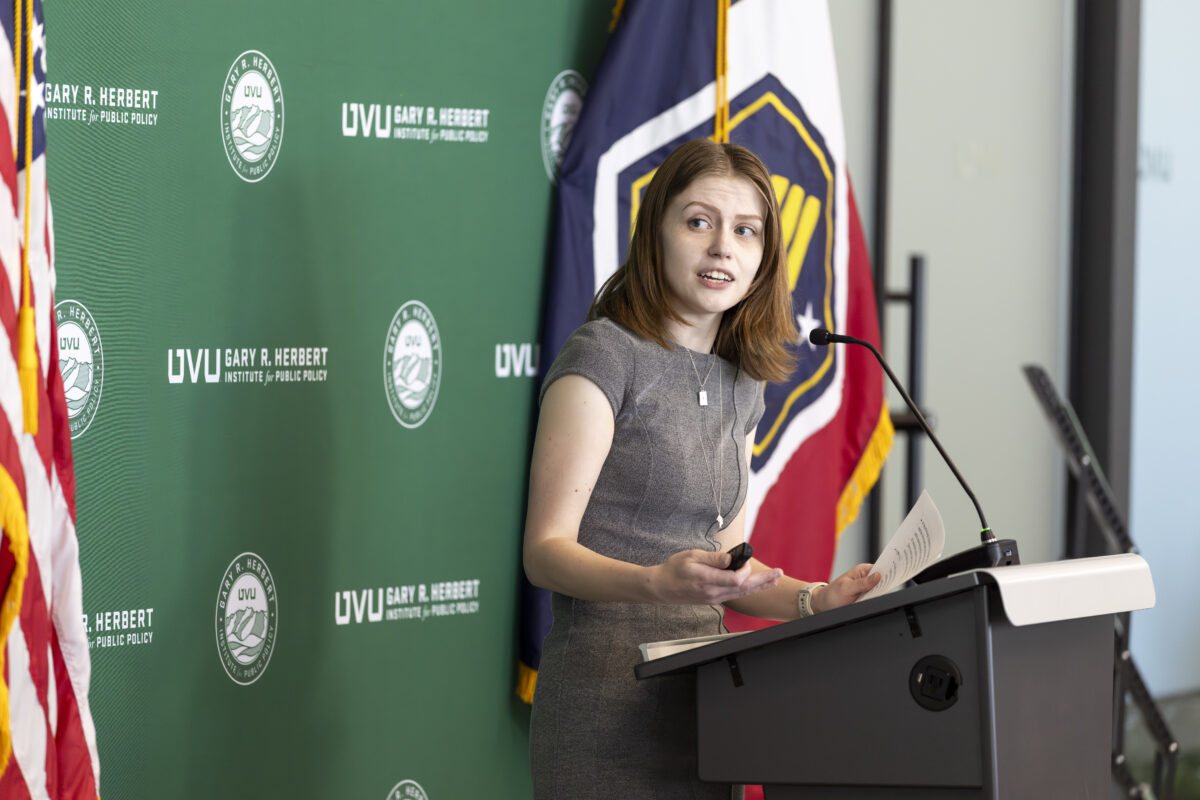
- Strategic Research Team Lead Hope Fager speaks during a press conference Thursday, June 18, 2026, at Utah Valley University in Orem.
-
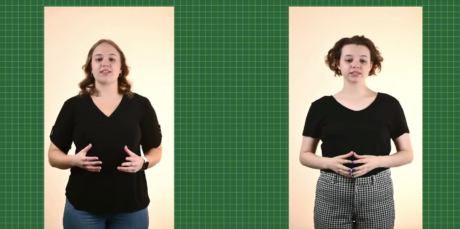
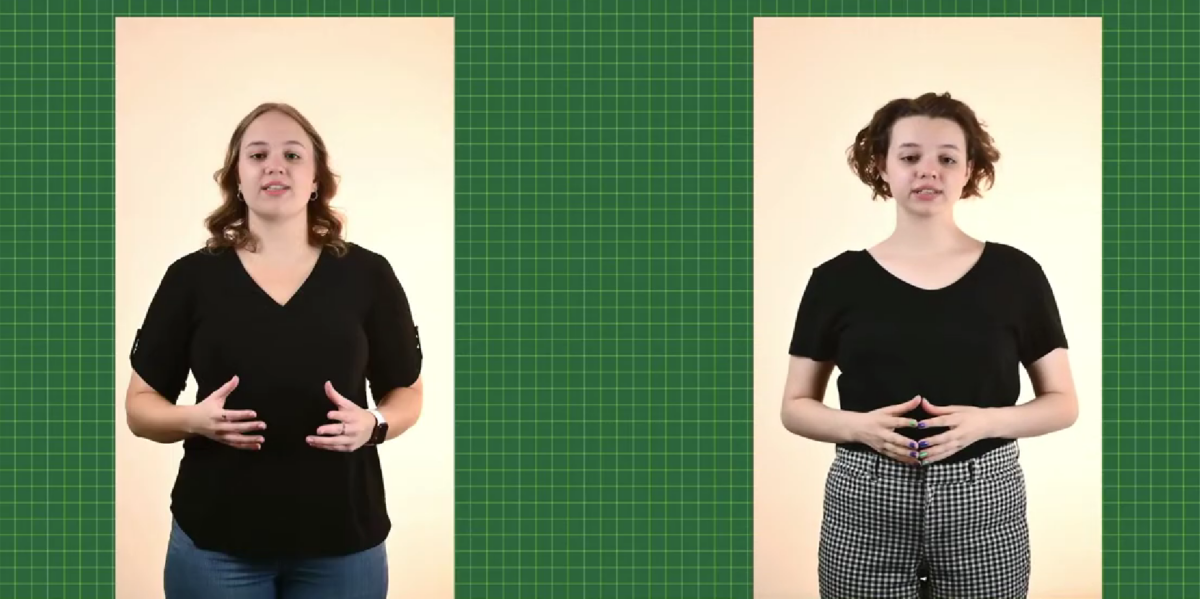
- The video on the left depicts a deepfake produced by the Utah Valley University research team; the video on the right is authentic.
-
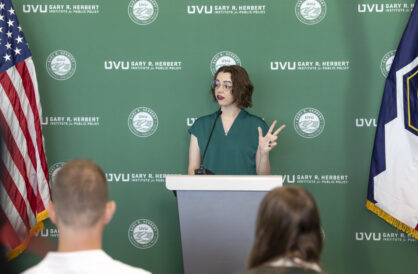
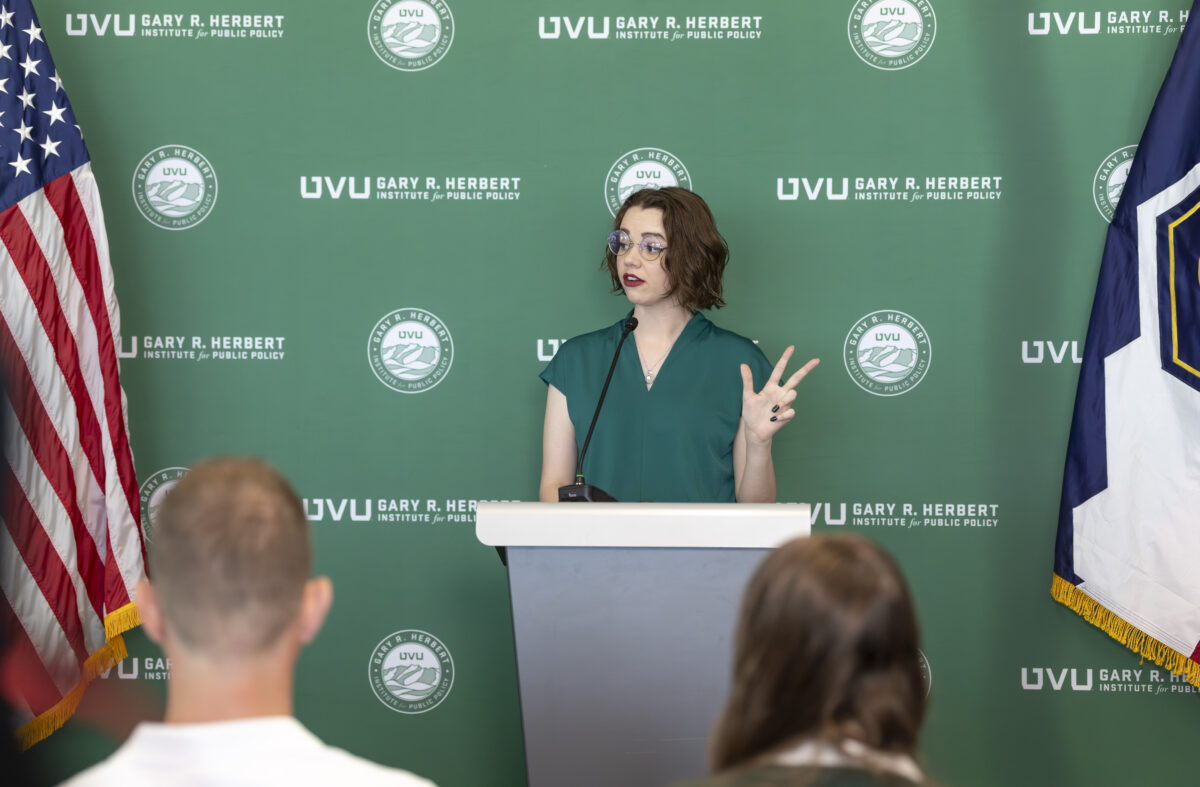
- Senior Analyst Kaye Banner speaks during a press conference Thursday, June 18, 2026, at Utah Valley University in Orem.
-
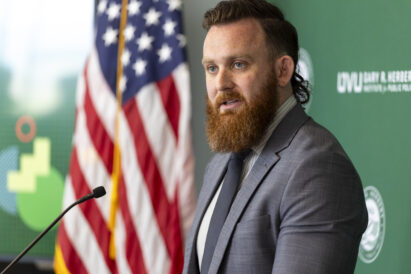
- Emerging Tech Policy Lab Director Brandon Amacher speaks during a press conference Thursday, June 18, 2026, at Utah Valley University in Orem.
A Utah Valley University study found alarming data about deepfake videos and how they can influence voter opinion during political elections.
The findings, presented on campus Thursday morning by UVU’s Emerging Tech Policy Lab and Herbert Institute for Public Policy, determined that deepfake videos have become increasingly difficult to identify and can change opinion just as effectively as real media.
Researchers also said they found no correlation between an individual’s familiarity with deepfakes and their ability to identify them.
It marked UVU’s second study done on the topic in a two-year span.
“We saw a significant improvement — I mean undetectable — between real and fake from 2022 to 2024 in our first study versus now,” Justin Jones, executive director at the Herbert Institute, told the Daily Herald. “It has just continued to improve. And that’s really the warning for today. It is to say, you can’t tell.”
The study
UVU’s Strategic Research team for the Emerging Tech Policy Lab and the Herbert Institute launched the study in October 2024.
Using publicly available technology, the students made two artificial videos, one that spoke in favor of a fictional housing assistance initiative and one that was against it. They also made two real videos following the same script.
One of the four videos was randomly assigned to 632 participants across the United States via an online survey platform. Before watching the video, participants were asked their stance on the issue.
After watching the video, Strategic Research Team Lead Hope Fager said participants were asked again how they would vote on the initiative. They were also asked about the trustworthiness and persuasiveness of the speaker, as well as the overall video quality.
The findings? Approximately 50% of viewers who watched a real speaker changed their opinion, while approximately 55% of viewers who watched the synthetic video changed theirs.
“We found no statistically significant difference in the opinion changes of people who saw a real versus a synthetic video,” Senior Analyst Kay Banner said. “This shows just how successful deepfake disinformation operations could be.”
The results showed that 58.7% of participants misidentified the deepfake video as real, and only 16.4% correctly identified it as fake — figures Banner said were significantly worse than two years ago.
They found political affiliation and age were not correlated with an ability to detect synthetic content, and that those most confident in their ability to detect it were more likely to be incorrect.
In fact, they said those who were very or extremely confident they could detect a difference were three times more likely to be incorrect.
“If you think you’re too smart to be deceived, you are the perfect target for these deepfakes,” Banner said.
One person who viewed an artificial video said the following: “I am familiar with common signs of deepfakes, such as unnatural facial movements, inconsistencies in audio, and distorted visual formatting. Knowing what to look for helped me more confidently assess the video and determine that it appeared authentic.”
Implications
Banner told the Daily Herald it was “scary” how quickly the team was able to make a convincing deepfake on student-owned laptops in a matter of days. She said with advanced technology, one can’t solely rely on audio or visual distortions to identify a video’s legitimacy.
Instead, she said people should be skeptical of what they come across and do additional research if they see something very emotionally or politically charged.
“Don’t immediately believe it and let it change your mind,” she said.
Jones said citizens need to do their due diligence when gathering information on who to vote for. He suggested treating local elections like job interviews, talking to the candidates in person, or going to a trusted source.
“We need to verify our sources and understand exactly what it is we are wanting to learn about candidates running for office,” he said.
Emerging Tech Policy Lab Director Brandon Amacher added that a multilayered response needs to be taken to combat deepfakes by platforms that host and distribute these videos and the policymakers that regulate them.
“Provenance labeling, watermarking, digital identity, faster detection, and takedown for disinformation campaigns, and legal frameworks that directly address the deliberate use of synthetic media to sway voter opinion,” he said.
Amacher further emphasized, though, that the final layer of defense is the individual.
“Be skeptical, be humble about the fact that you can be deceived, and be willing to put in the mental work necessary to seek the truth,” he said.