Electric safety: How the state’s new e-bike laws will impact Utah Valley families
-
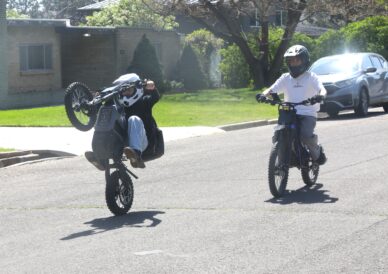
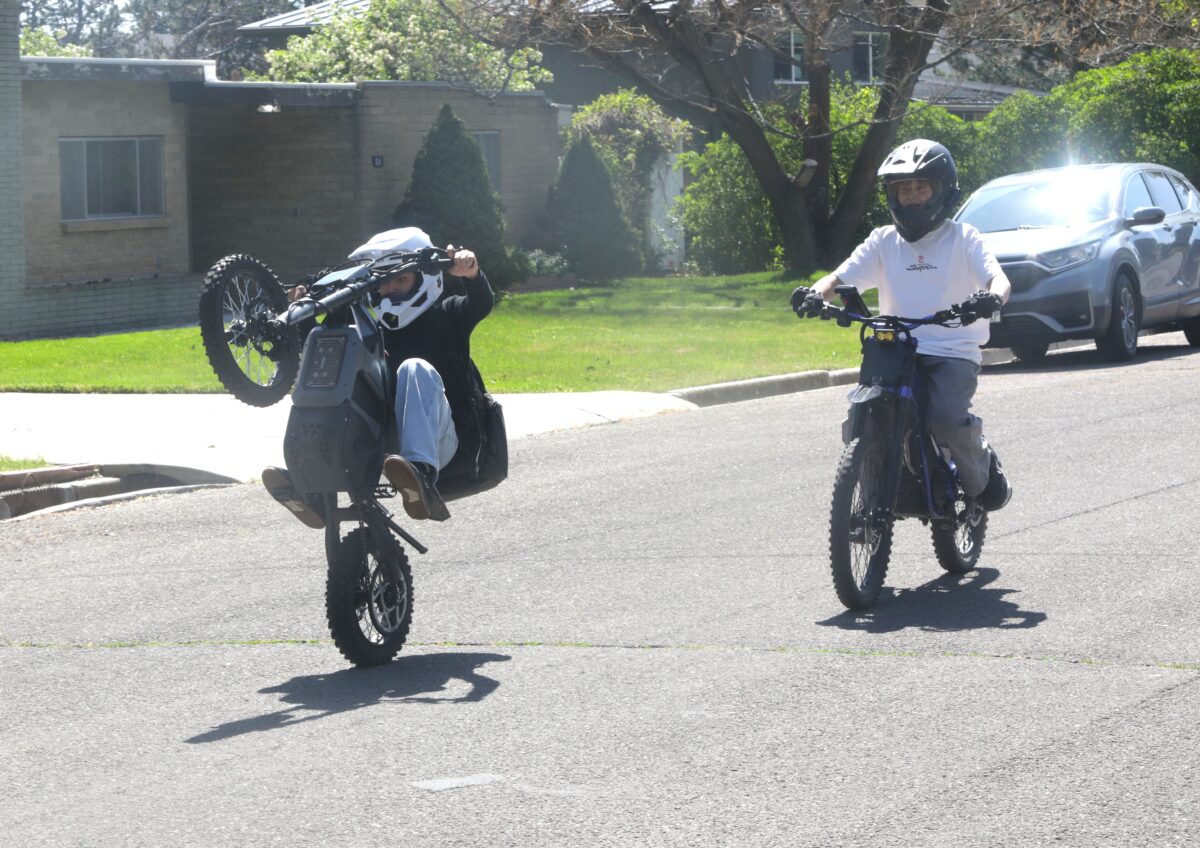
- Teenage boys ride e-motorcycles on Friday, May 8, 2026, in Provo.
-
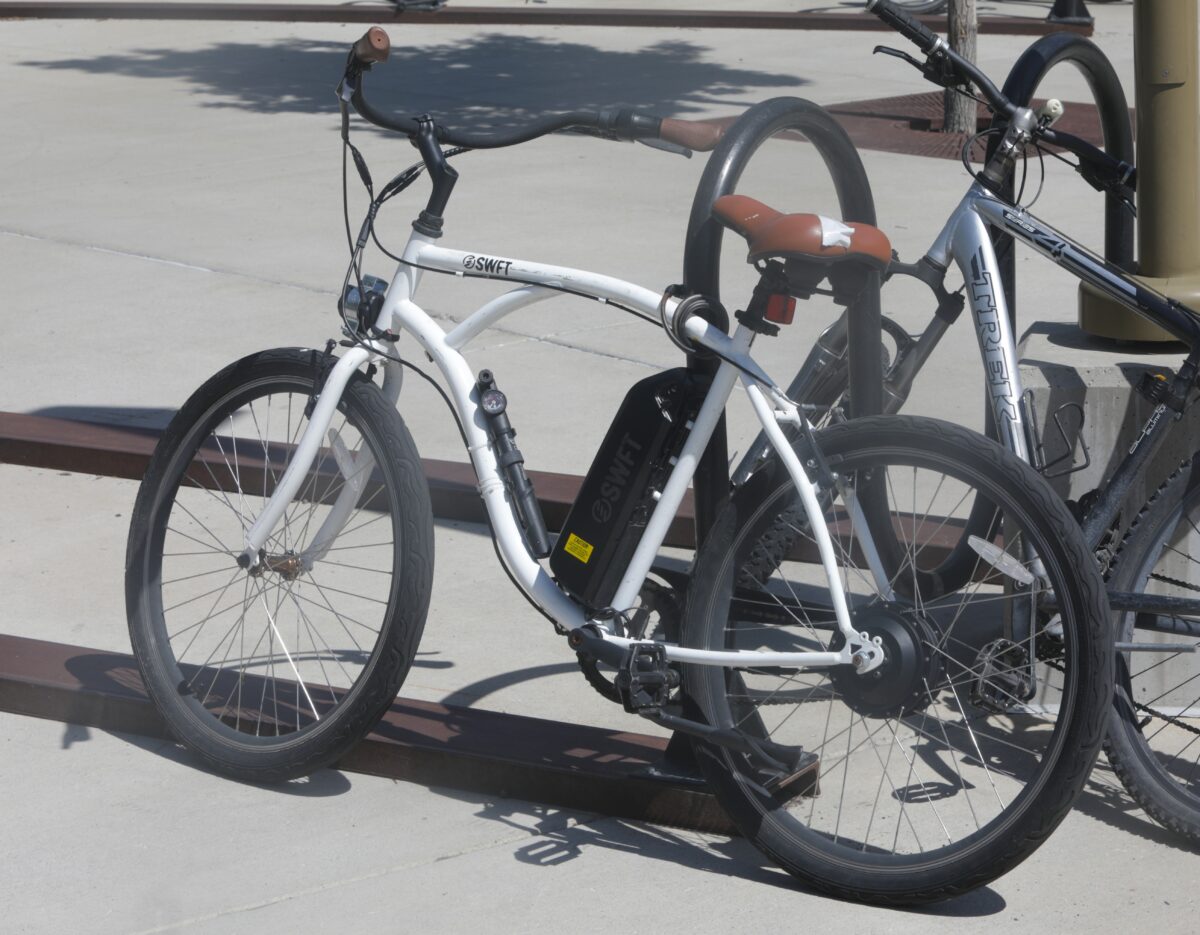
- An e-bike is pictured Friday, May 8, 2026, at Brigham Young University in Provo.
-
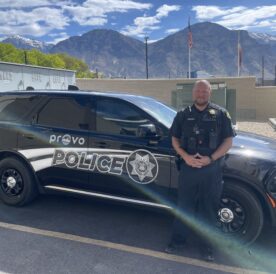
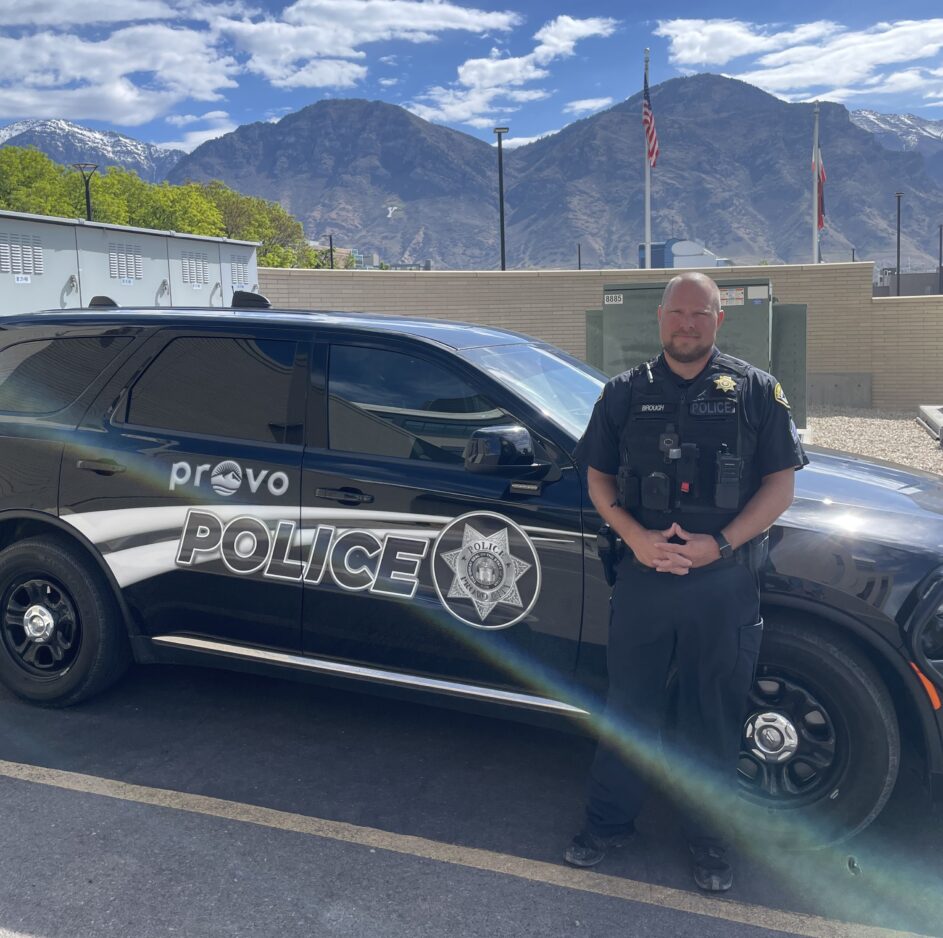
- Provo Police Sgt. Steven Brough stands in front of his squad car Friday, May 8, 2026, in Provo.
-
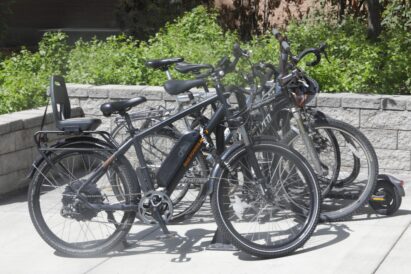
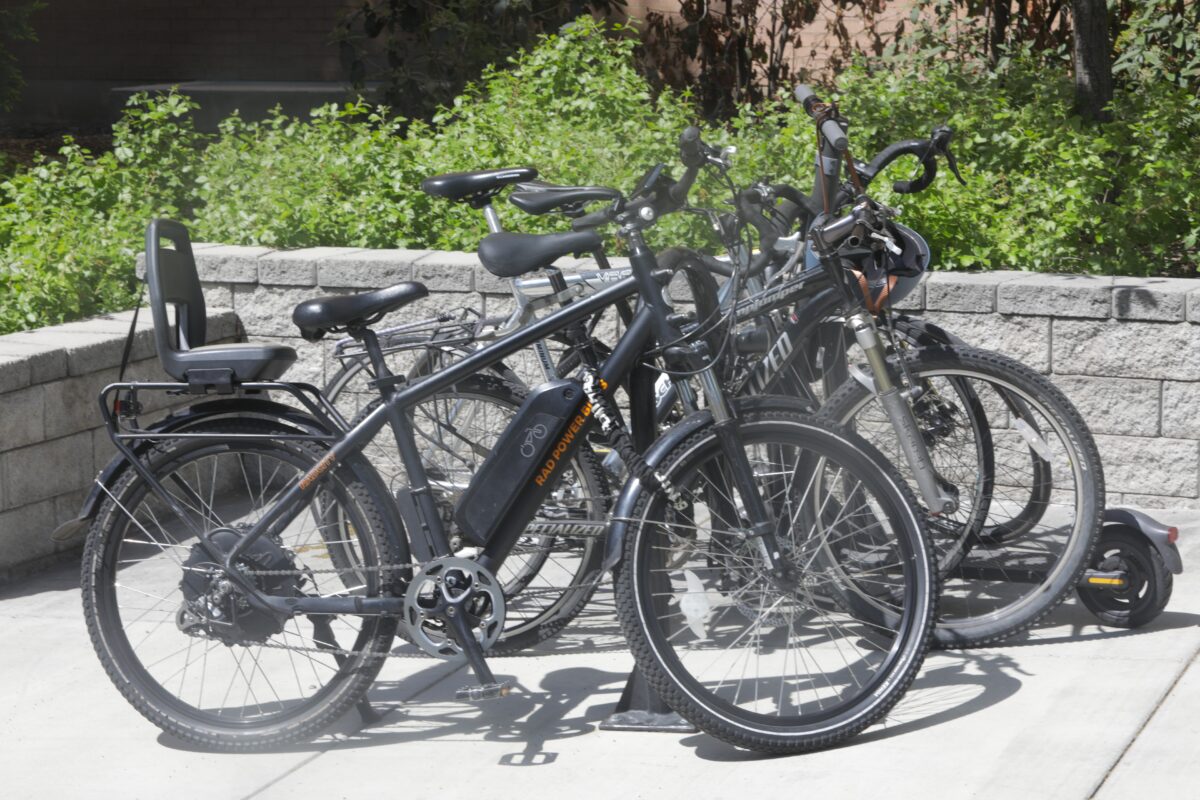
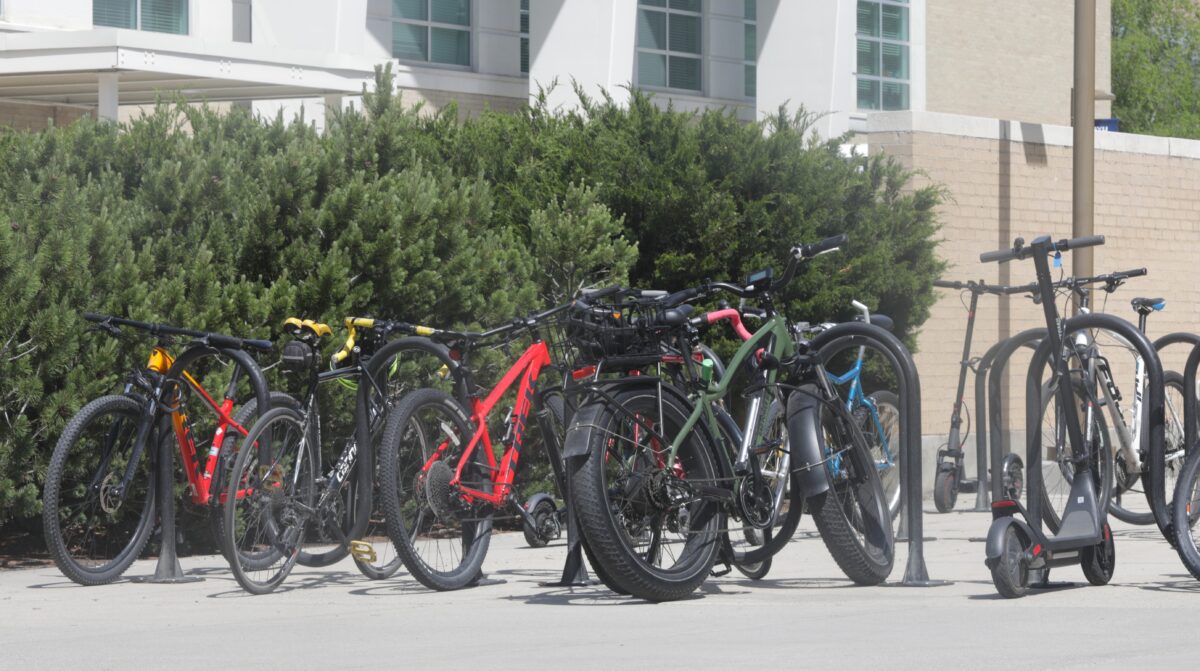
- An e-bike is pictured Friday, May 8, 2026, at Brigham Young University in Provo.
-
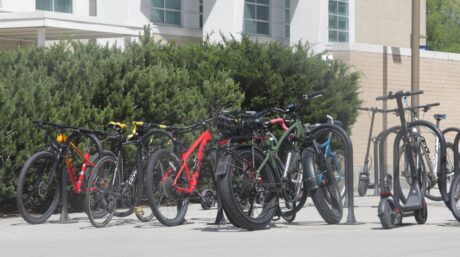
- An e-bike is pictured Friday, May 8, 2026, at Brigham Young University in Provo.
Utah’s new e-bicycle law, HB 381, went into effect Wednesday and has direct implications for children and young adults who ride electric vehicles.
Aimed at enhancing safety, the law stipulates that all e-bike, e-scooter and e-motorcycle riders under 21 must wear a helmet on Utah’s public roads.
It also outlines the difference between an e-bike and an e-motorcycle — an important distinction because electric motorcycles require licensing and registration.
An e-bike must have operable pedals, be capable of operating without the use of the motor and not exceed a power output of 750 watts. It must also fall into one of the following three classifications:
- Class 1 bikes are pedal assist only and the motor stops assisting at 20 miles per hour.
- Class 2 bikes can be propelled by pedaling or throttle, but the motor must stop assisting at 20 miles per hour.
- Class 3 bikes are pedal assist only, but the motor stops assisting at 28 miles per hour. Riders under 16 may not operate a Class 3 bike.
The law classifies the vehicle as an e-motorcycle if it is powered by more than 750 watts or can exceed 20 miles per hour on use of electric motor alone.
In addition, beginning in 2027, e-bike riders ages 8 to 15 must complete a new Personal Electric Vehicle Safety Certificate to ride without adult supervision on a public road.
The changes are a welcome development for law enforcement in Utah. Provo Police Sgt. Steven Brough, who oversees the department’s traffic team, told the Daily Herald that e-bikes, e-scooters and e-motorcycles became “wildly popular” within the last three to four years since becoming cheaper and more accessible, with e-motorcycles being the biggest issue.
He said the new laws removed confusing language about the difference between an e-bike and e-motorcycle and that the rules were needed to keep up with the evolving technology.
“I’m glad that we’re starting to figure out,” Brough said. “These electric bikes, they are dangerous. They go a lot faster than I used to go on my pedal bike. You got a kid going 10 to 18 miles an hour on a category 2 electric bike now.”
Brough said he’s seen the dangers firsthand, responding to accidents related to e-bikes and e-scooters. He said not wearing a helmet can cause serious concussions or other brain injuries.
Statewide data shows accidents are becoming more prevalent. The Utah Department of Public Safety said Intermountain Health emergency rooms saw a 66.7% increase in e-bike injuries among children and teens in 2025, treating 536 e-bike and e-scooter injuries. Just 40% of those patients were wearing a helmet, DPS said.
These dangers are not lost on Brandi McMillen, a Lehi resident who has teenage boys who ride a family-owned e-bike and e-scooter around their neighborhood.
She said it is fun for her kids to have some independence, to ride to the gas station or grocery store on an e-bike, but she tells them it also comes with responsibility, such as wearing a helmet.
That doesn’t mean they always listen to her — “Because they’re teenage boys,” she said. McMillen hopes the new law will reinforce her own rules.
“These things are dangerous, right? And so I think it’s not rocket science to me to want your kids to wear helmets while riding these,” McMillen said. “I think it’s just sometimes we say, ‘Wear a helmet,’ but when we enforce it, I feel like it’s almost easier as parents to say, ‘Well, it’s the law. And you have to do it.'”
The next step for authorities is implementation. Brough said his team is not going to be pulling kids over and handing out tickets for not wearing a helmet. Instead, the focus will be on educating families.
“We’ve never had helmet laws in Utah, other than for actual motorcycles,” Brough said. “This is going to take a lot of education.”
When the law went into effect Wednesday, several police departments across Utah Valley published social media updates explaining the new rules. Brough said they will engage with the community to spread the word.
Ultimately though, he said teaching the kids the rules will be the parents’ responsibility. McMillen agrees.
“I always think that everything starts in your home,” she said. “We obey traffic laws, we respect police and what they do for our community and for us. And this only promotes safety for our kids.”