
‘The consequences of service:’ Ruth Brasher reflects on 33 years of making teddy bears for children in crisis
-
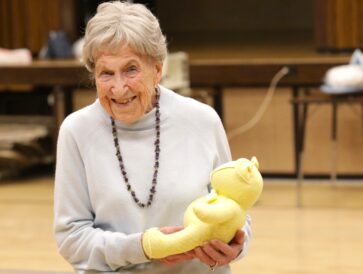
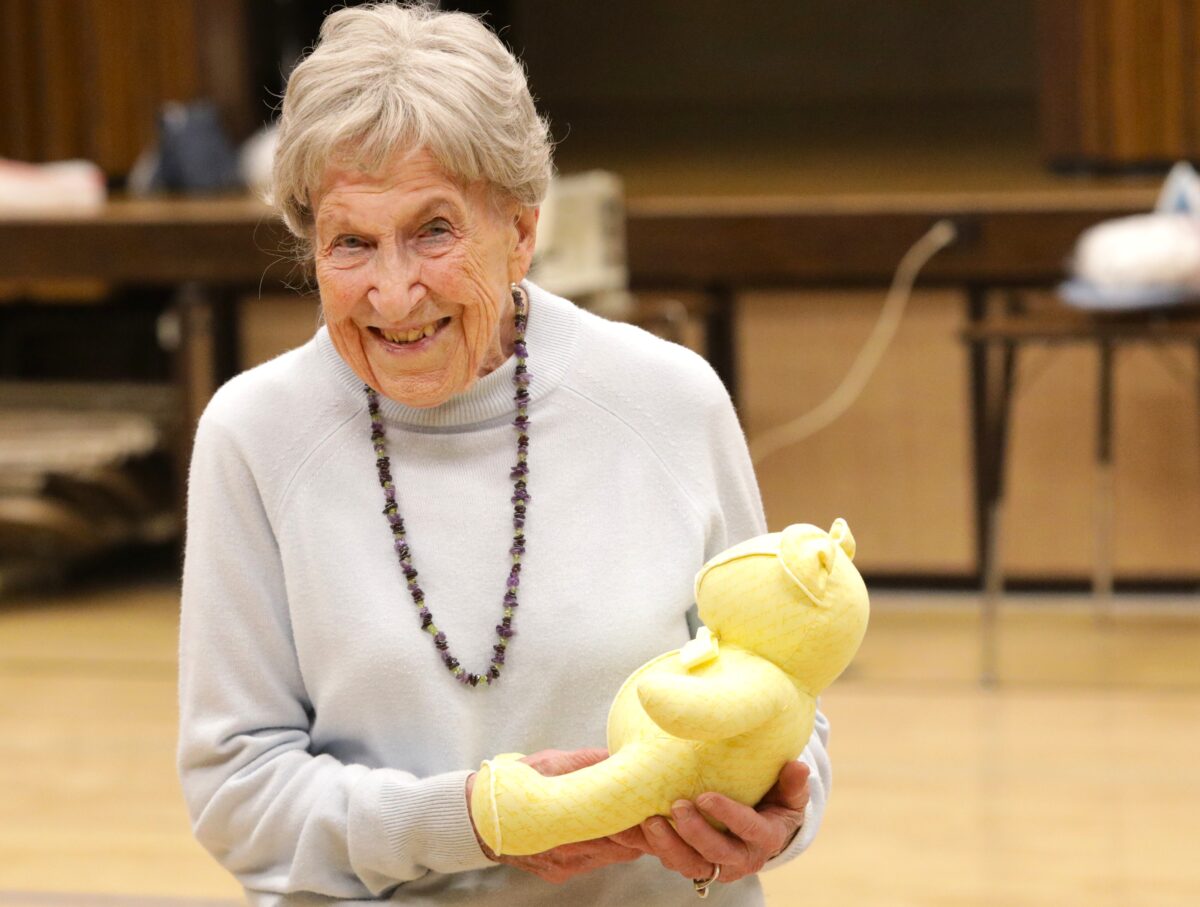
- Ruth Brasher poses with a teddy bear Thursday, Nov. 5, 2026, in Provo.
-
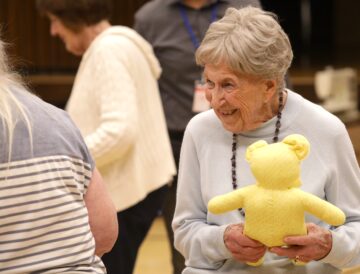
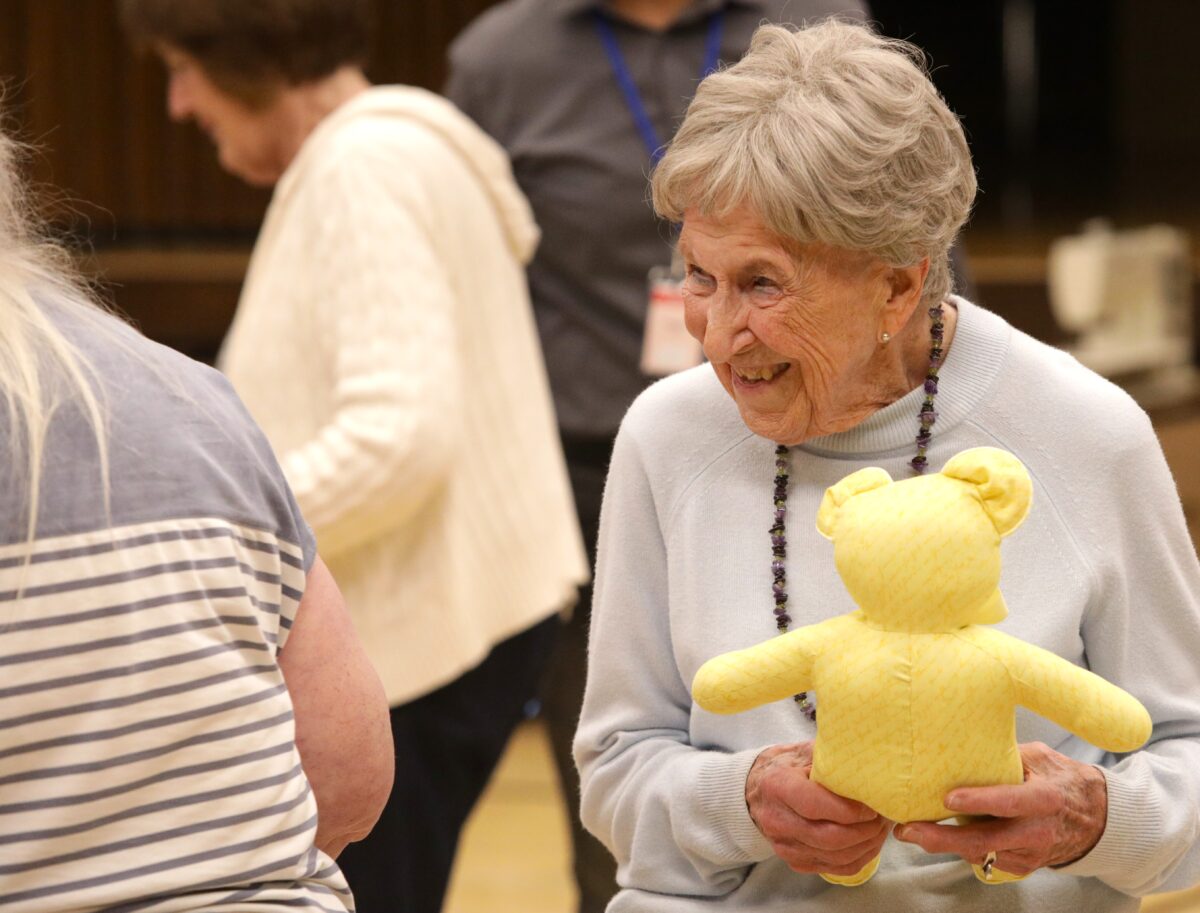
- Ruth Brasher particaptes in a teddy bear assembly service project Thursday, Nov. 5, 2026, in Provo.
-
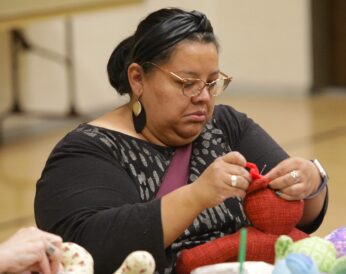
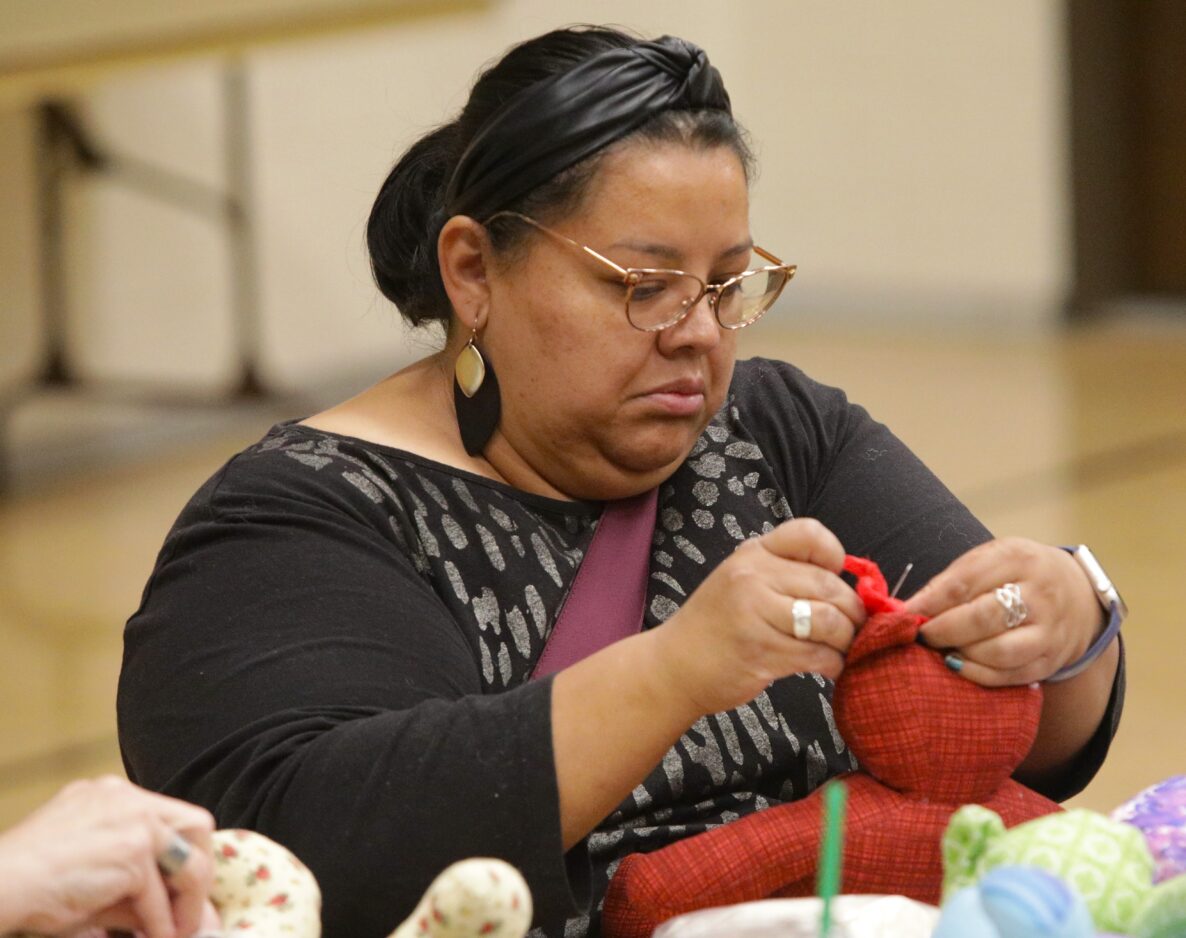
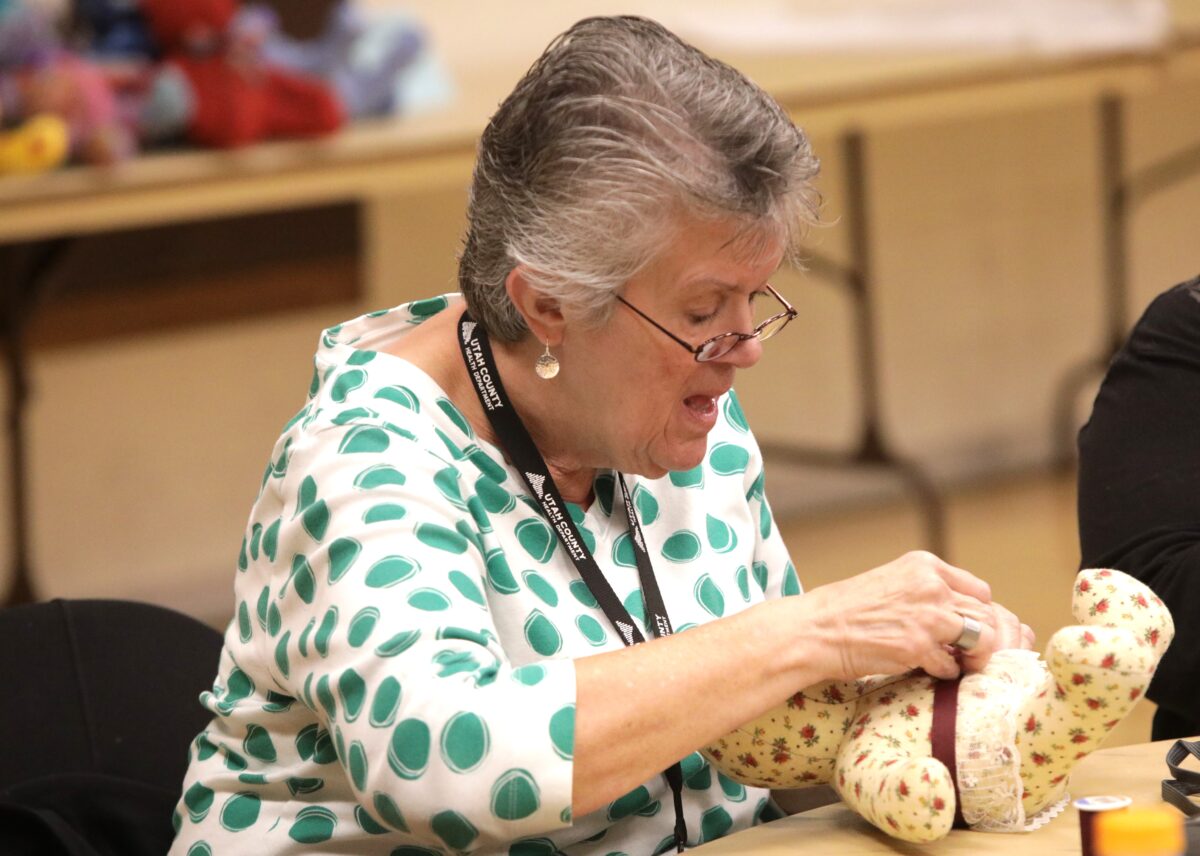
- A woman participates in a teddy bear assembly service project Thursday, Nov. 5, 2026, in Provo.
-
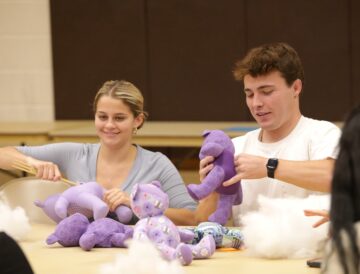
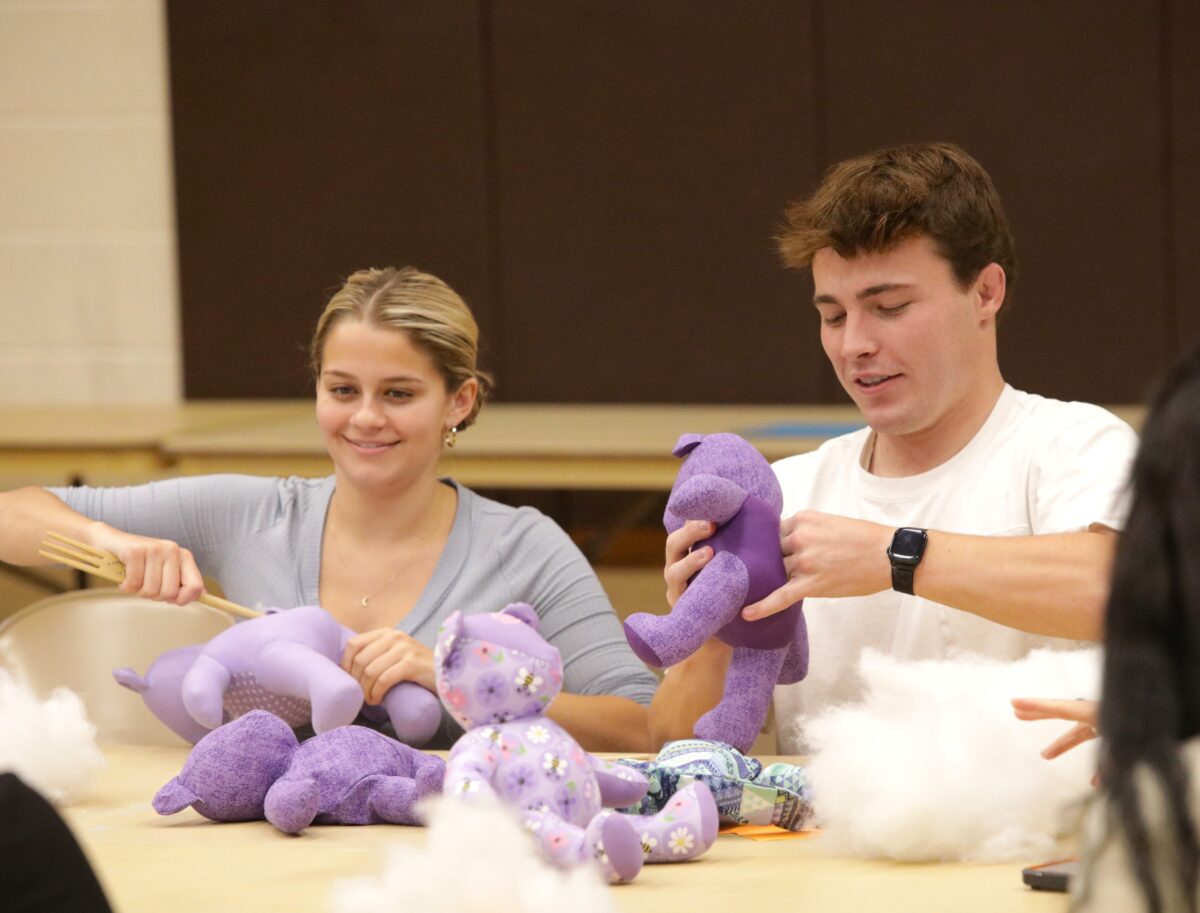
- A man and woman participate in a teddy bear assembly service project Thursday, Nov. 5, 2026, in Provo.
-
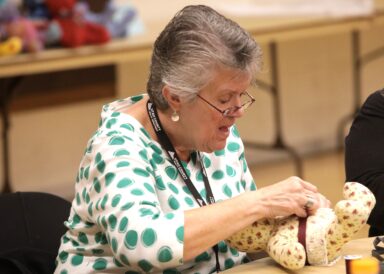
- A woman participates in a teddy bear assembly service project Thursday, Nov. 5, 2026, in Provo.
-
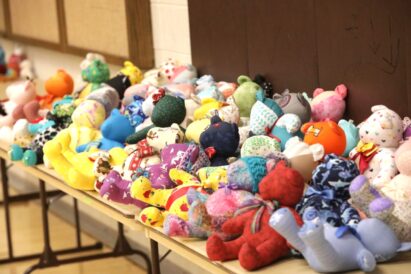
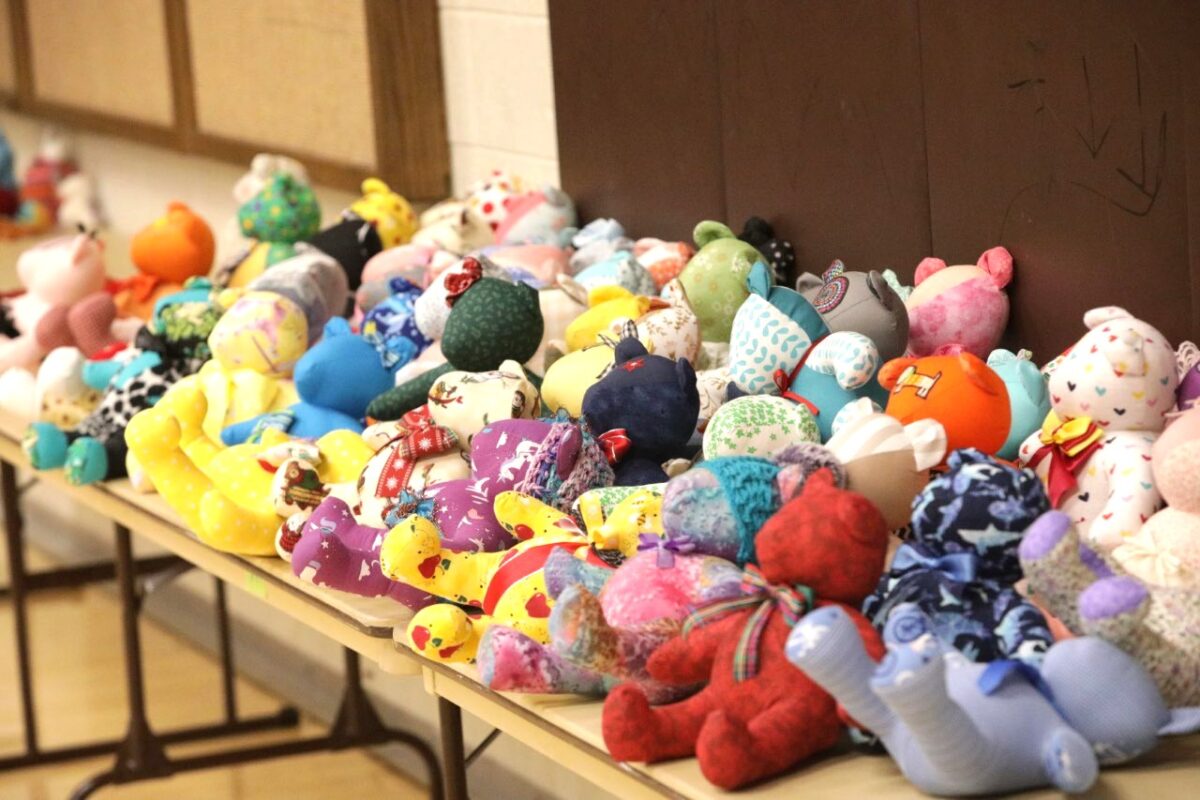
- Teddy bears sent to children in crisis are pictured Thursday, Nov. 6, 2026, in Provo.
For 33 years, Ruth Brasher and her volunteers have stuffed and sewed together more than 23,000 teddy bears for the Utah County Children’s Justice Center to give to children in crisis.
Brasher’s efforts, which have been well-documented over the years, have made a profound impact on those she’s served and motivated her to continue her work well into her 90s.
The 96-year-old teddy bear project leader reflected on that impact during the latest teddy bear-assembly service project Thursday evening at a Church of Jesus Christ of Latter-day Saints meetinghouse in Provo.
“I get to see the consequences of service from two perspectives, both what happens to the child and their family, and what happens to the person who makes the bears,” Brasher said. “I think that’s one of the things that’s kept us going.”
It all started in 1992 when Brasher and a group of women were invited by the General Relief Society to take on a service project, and they made 200 teddy bears to give to EMTs to hand out to children.
When the EMTs came back and said they wouldn’t be able to give away all the bears, Brasher said Donna Crawley, a coordinator at the Children’s Justice Center and a member of the stake Relief Society presidency, asked if they could send the extras to children at the center who were victims of child abuse.
They found it to be the perfect destination.
“A lot of people know about the police, and they help them, but we provide a service that many people don’t know exists,” Brasher said.
She has come to learn about the deep psychological impact supplying a teddy bear can have on a child who has suffered abuse or trauma. Brasher said the bear can help the child recognize that they are OK, that what happened to them was not their fault, and that they can still become great individuals.
She once spoke to a woman who as a girl had been a victim of sexual abuse and had received a teddy bear made by Brasher. When she first got it, she would throw it out of anger. Eventually, though, having ownership of the bear helped the girl work through her anger and begin to heal.
“She said, ‘I never throw that bear anymore,'” Brasher recalled. “She said ‘It just sits on my bureau, and I recognize that it blessed not only my life, but the life of my husband and my son.”
Another woman told Brasher she received her teddy bear while she was in the foster care system, and every time she moved to a new home, she made sure the teddy bear came with her. That woman is now a mentor for children who suffer abuse, and still owns her teddy bear.
Brasher thinks the true impact lies not in the teddy bear itself, but in what it means to the person who receives it.
“It represents for them that they got help, somebody listened, somebody cared,” Brasher said.
And it also means a great deal to those who do the caring.
Brasher said she was friends with an elderly woman who was in poor health, but helped sew teddy bears whenever she was feeling able to. Near the end of her life, the woman was admitted to the hospital, and Brasher went to visit her. One thing on the woman’s mind was the teddy bears she had sewn and hadn’t given to the justice center yet.
“She said, ‘Just in case I don’t make it out of here, be sure you give them the teddy bears I’ve got,'” Brasher said.
Dozens of community members joined Brasher in the service efforts Thursday, smiling and conversing with each other as they crafted the bears and placed them in a large, colorful pile at the edge of the cultural hall.
To Brasher, it’s all about the “inner relationship” of turning your heart outward.

