‘Helping through tragedy’: UVU architecture students effort project to help California wildfire victims rebuild homes

-

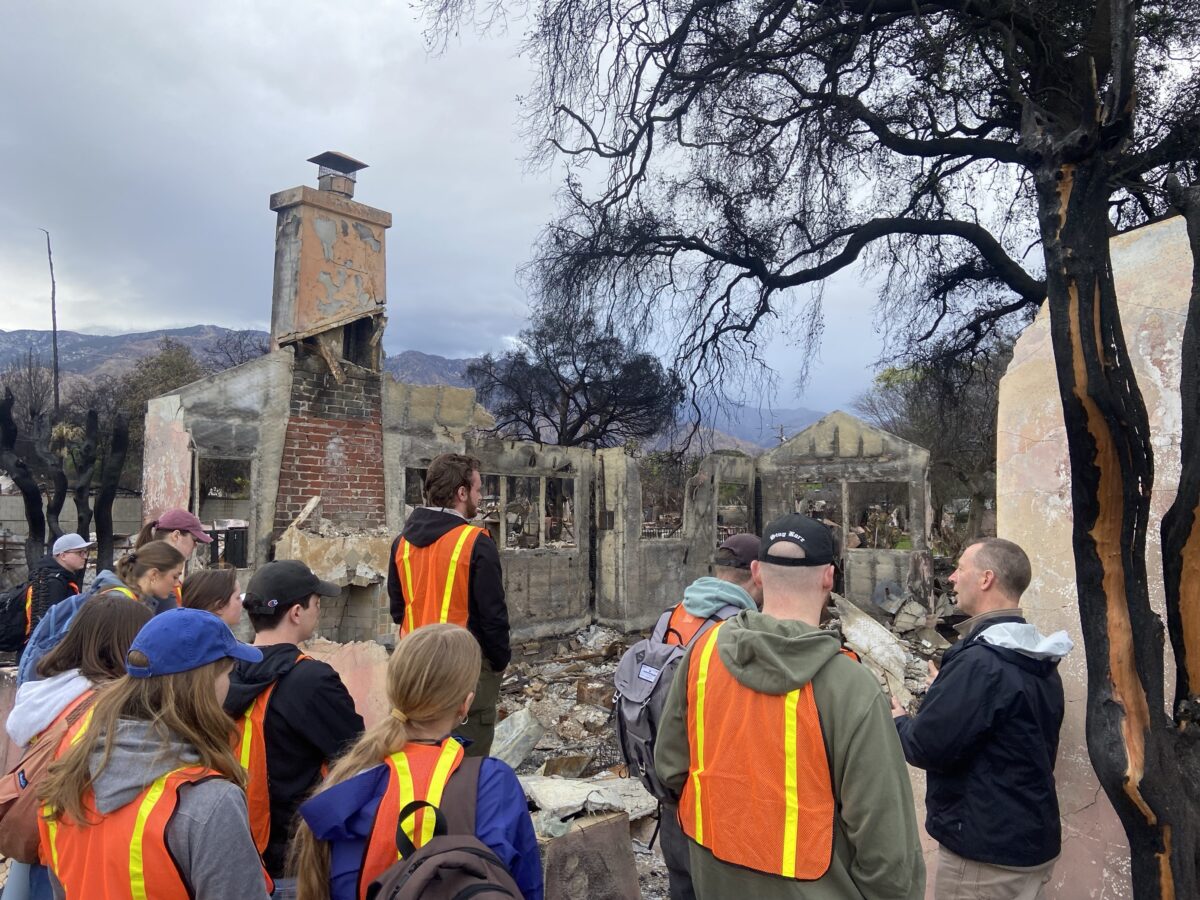
- Students from Utah Valley University record measurements of a home in Altadena, California, destroyed by recent wildfires. Students traveled to the site last month and helped with architectural plans for those looking to rebuild.
-
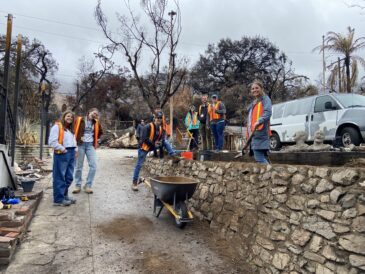
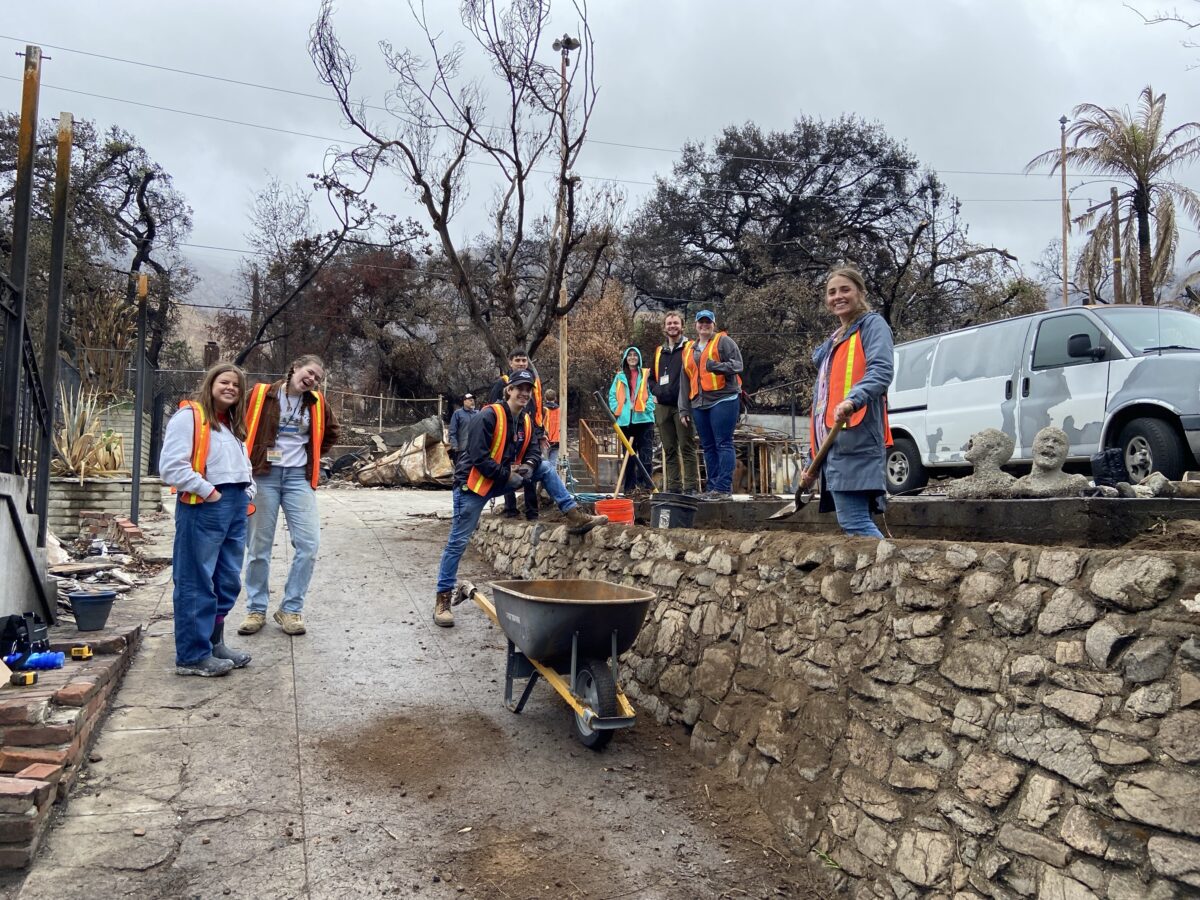
- Students from Utah Valley University visited Altadena, California, last month to tour and assess damage caused by recent wildfires and help with architectural plans for those looking to rebuild.
-
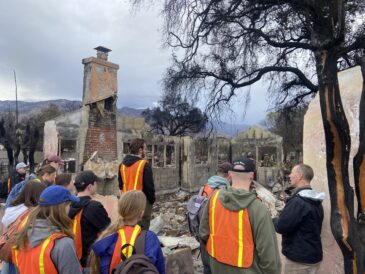
- Students from Utah Valley University visited Altadena, California, last month to tour and assess damage caused by recent wildfires and help with architectural plans for those looking to rebuild.
While most college students may scoff at the idea of doing a school-themed project during spring break, students from Utah Valley University spent a week in Southern California putting what they’ve learned in the classroom to the test in a real-life scenario.
In the wake of the recent Los Angeles wildfires that claimed over a dozen lives and damaged more than 9,000 structures earlier this year, a group of architecture students from UVU traveled to Altadena, California, for wildfire relief efforts, including drafting blueprints for 33 homes lost to wildfires.
“It was kind of a grassroots thing,” said Gordon MacKay, assistant professor of UVU’s architecture and engineering program. “It grew out of the project we were doing in the studio, but the students were just really behind it and super enthused about trying to help.”
UVU professors and students in the program identified a need to help families still reeling from devastation caused by the Eaton Fire. With aspirations to help preserve the area’s architectural heritage and rebuild the community, they created the California Bungalow Recovery Project.
The students toured the sites where homes were destroyed, surveying what was left of them. They then worked together to measure, document, video, and photograph the remains, foundations, and the property.
Ellie Howard, a third-year architecture student in the UVU program, said she was moved by the personal connection to California and the opportunity to take part in such an effort.
Howard described the perspective of watching images of how the fire was impacting people in California via news coverage from hundreds of miles away, compared to the reality of seeing the aftermath in person.
“I definitely got emotional, just because it was real,” Howard told the Daily Herald. “Like, it wasn’t as real until I actually got there and experienced it.”
She said channeling those emotions and witnessing the views of what people in Altadena continue to deal with helped her feel even more connected to the service-learning opportunity.
Before the trip, the students were briefed on how to interact with each family and individuals who are experiencing immeasurable losses — ensuring they project a sense of compassion and kindness during assessments and interviews with families.
MacKay said he was delighted by how students treated each homeowner and person with care, and how students responded to the various conditions they endured on the journey.
“It was a challenge, and I was just so impressed with the students and how they handled it,” he said.
In total, about 24 students made the 10-hour trip in early March to the rubble-ridden area in Southern California.
This hands-on experience allowed students to apply their architectural knowledge to a real-life challenge. Their efforts focused on designing sustainable and personalized housing solutions while meeting the needs of affected families.
“We kind of form what we would think the interior looks like, just using our sketchbooks paper and just kind of making a general footprint with the measurements of the foundation,” Howard said.
From there, students would interview the homeowners to review the sketches and learn more about different historical highlights and details about the structures, and work to figure out the best way to restore what was lost.
Lily Haidari, a second-year architecture student, also said she felt personally drawn to the project.
“I knew I wanted to go right away because I know what it’s like to lose everything in a day,” Haidari said in a UVU-issued press release. “A home isn’t just bricks put together — it’s memories, it’s emotional support. Talking to homeowners while helping them rebuild was a powerful experience.”
The students only spent one week at the sites, but their work has continued.
They are currently working to draft digital plans to be sent to homeowners in the coming days that could be used in helping them start the rebuilding process.
“Everybody (the families) should receive a preliminary set of plans, and it’ll show floor plans, elevations and also, kind of a perspective sketch that’s done,” MacKay told the Daily Herald.
Paul Monson, UVU architecture program coordinator and professor, noted the initiative aligned perfectly with the students’ coursework.
“In their second year, students study historic residential architecture and design their own Arts and Crafts-style bungalow,” Monson said in the press release. “When we heard about the devastation from these fires, we felt like we could use our classroom knowledge to do good, serve, and help people through tragedy.”
For Howard, the project helped solidify her passion and desire to pursue a future in residential architecture.
“I love the personal experience of being with families and individuals that are looking for a place to live,” she said. “As people, we are not just building shelters, it’s more of a home, so I love that aspect of residential architecture is helping them build a home.”
The project was initially funded through an engaged learning or GEL grant and private donations. However, additional resources are needed to finish the project.
Those interested in helping can make a donation to the UVU Architecture Foundation, which will help fund continued student involvement in rebuilding homes and communities affected by natural disasters.
More information can be found at https://www.uvu.edu/aed/donate/.