Kristin Meyer prioritizes infrastructure, data center pause, water, schools in campaign for House District 50
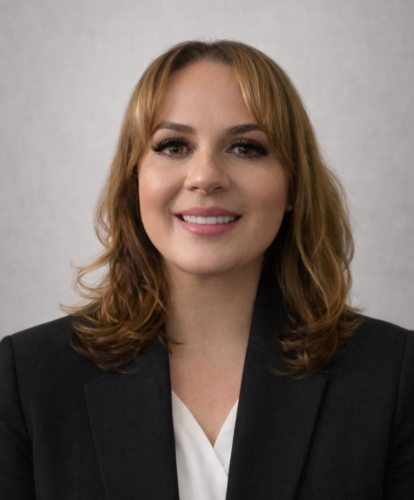
Kristin Meyer
Kristin Meyer is a Democratic Party candidate for the House District 50 seat. Below are her responses to a six-question survey sent to her by the Daily Herald. This interview may have been edited for brevity and clarity.
1. Why is the position you are running for important?
The Utah House helps decide how our tax dollars are spent, what services receive funding, and what protections families can count on. Those decisions affect our schools, roads, water, and everyday costs.
To me, being a representative means listening to everyone in your district, regardless of party, and making sure their concerns shape what happens at the Capitol. People deserve to understand what their government is doing and feel that someone is listening. It would be an honor to help solve real problems for the people of Eagle Mountain, Cedar Fort, Fairfield, and Genola
2. What unique qualities, attributes, skills and experiences do you possess that make you the best candidate in this race?
I studied political science at BYU and interned for Congressman Tom Lantos, a Holocaust survivor whose commitment to human rights helped shape my understanding of public service.
After college, I worked in government relations for a Medicaid managed care company in Washington, D.C. I tracked federal and state legislation, analyzed proposals, and explained their potential impact in language people could understand.
For the past 20 years, I have worked in digital marketing, using data, technology, and communication to solve problems. Working with platforms like Google and Meta gives me a practical perspective on technology policy and the questions lawmakers should ask as AI expands.
I bring experience studying legislation, explaining complex issues, and adapting to change. Just as importantly, I know when to ask questions and seek expertise. Integrity means being willing to learn and change your mind when the evidence warrants it.
3. Please explain your priorities if elected, as well as why you believe you are uniquely capable of achieving those priorities.
Infrastructure is my first priority. I have lived in Eagle Mountain since 2013 and experienced how longer commutes take time away from family. We keep approving rooftops before roads. I would pursue a growth-with-infrastructure law that ties growth planning to funded infrastructure improvements.
I also support a pause on new data center approvals while we establish stronger safeguards. That means meaningful public input, transparent information about water and energy demands, and requirements that developers cover the costs their projects create. Residents deserve answers before decisions are made.
Protecting our water supply and adequately funding public schools are also essential, especially as our community prepares for the new Lake Mountain School District. I am proud to be recommended by UEA-PAC.
My legislative background, analytical skills, and experience communicating complex issues would help me build practical proposals and the relationships needed to move them forward.
4. Please describe how you view the importance of compromise in politics and provide an example from your own experiences that highlights your perspective.
Compromise requires listening, finding shared goals, and being flexible about how to achieve them while holding onto your principles.
As an intern, I helped organize a Congressional Human Rights Caucus briefing on Zimbabwe. I reached out to Republican Congressman Jeff Flake to co-chair because of his experience in Africa. He agreed, and Assistant Secretary of State Lorne Craner participated.
That experience taught me that cooperation begins with identifying what people care about and inviting them to help. In Utah, advancing my priorities will require working with Republicans. I am ready to do that work.
5. How will you balance the views of the vocal public, your political party, and your own understanding and knowledge as an elected representative?
My responsibility would be to the people I represent. My party helps voters understand my values, but it would never replace my judgment or my obligation to listen.
I would seek input beyond the loudest voices, including residents who cannot attend public meetings. Surveys, regular updates, and direct conversations can make participation easier.
On issues like data centers, water, taxes, and redistricting, I would listen to residents, consult experts, examine the evidence, and explain my decisions. Representation does not mean promising everyone the answer they want. It means taking their concerns seriously and being accountable for your choices.
6. What is the best way for readers to contact you and/or get more information about your platform?
Visit meyerforhd50.com to learn more about my priorities and find my email address and phone number. Readers are welcome to email or text me. I make every effort to respond the same day, and I welcome questions and conversations.
Local News
Kristin Meyer prioritizes infrastructure, data center pause, water, schools in campaign for House District 50
Julie Smith focuses on history background, listening to people in campaign for House District 63