Experience the wonder of hummingbirds at unique DWR event
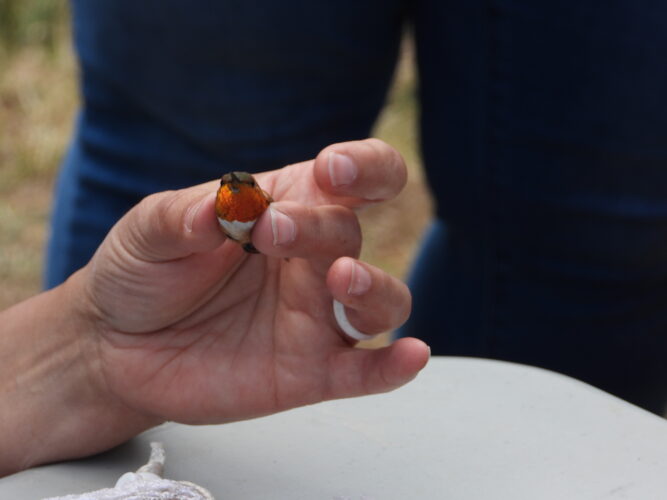
There are roughly 330 hummingbird species that can be found in the Western Hemisphere. However, people typically only see five different species of hummingbirds in Utah: black-chinned, broad-tailed, calliope, rufous and Costa’s.
VERNAL — As hummingbirds make their annual migration through Utah this summer, you may have caught a glimpse of these remarkable birds as they sip nectar from feeders or flowers. But if you want an up-close encounter with these incredible creatures, mark your calendar for an upcoming event hosted by the Utah Division of Wildlife Resources (DWR) in northeastern Utah.
Utah is home to approximately 330 hummingbird species, but residents typically encounter five different species: black-chinned, broad-tailed, calliope, rufous, and Costa’s hummingbirds.
While broad-tailed and black-chinned hummingbirds are the most commonly seen species in Utah, lucky observers may also spot the calliope hummingbird. Weighing as much as a penny, this bird is the smallest native bird in North America and an impressive long-distance migrant, covering up to 5,600 miles in a single year.
On Saturday, July 29, from 7 to 11 a.m., the DWR, in collaboration with retired Bureau of Land Management biologist Terry Tolbert and U.S. Forest Service biologist Lisa Young, will host a hummingbird banding demonstration. The event, which is free and open to the public, will take place at the Red Canyon Lodge located at 2450 Red Canyon Road in Dutch John.
During the demonstration, researchers will capture hummingbirds and apply a small band to one leg of each bird. These bands, made of thick aluminum foil, are stamped with a unique number to identify each bird throughout its lifetime. The data collected through banding efforts helps biologists study migration patterns and gather crucial information about these remarkable birds.
“This event offers a rare and unique opportunity to observe Utah’s smallest pollinators up close while biologists gather baseline data to inform strategies for conserving their habitat and planning future research,” said Tonya Kieffer-Selby, DWR Northeastern Region outreach manager. “The population status of many hummingbird species remains unknown. Banding efforts not only educate our local community but also provide invaluable information for future management decisions.”
DWR biologists and staff will be available to explain the banding process and answer questions about hummingbirds during the event. Participants are encouraged to bring a camera to capture photos of these enchanting birds. Additionally, visitors may want to explore the nearby Red Canyon visitor center, where various bird species can be observed, and there’s a good chance of spotting the bighorn sheep herd near the Red Canyon overlook.
“At this location, we hope to encounter and band rufous hummingbirds, which usually migrate through Utah in July as they travel from Canada and Alaska,” Kieffer-Selby explained. “Rufous hummingbirds can be easily identified by their bright copper/orange color and their aggressive nature when competing for nectar resources like Indian paintbrush and local flowers. We may also capture some broad-tailed and black-chinned hummingbirds during the event.”
Over the past two years, biologists have successfully banded more than 150 hummingbirds, representing four different species, at this event.
While the event is free, space is limited, so interested participants are encouraged to sign up in advance on Eventbrite.
Attracting and feeding hummingbirds is a delightful activity for all ages and provides additional nourishment for these energetic travelers with high metabolisms. Hummingbirds are exceptional pollinators, primarily feeding on flower nectar. To attract them to your yard, consider planting native plants such as penstemon and bergamot. The agastache plant, also known as hummingbird mint, available at local nurseries, is a popular choice for attracting pollinators.
“Hummingbirds also consume small insects and spiders for protein, so it’s essential to be mindful of the chemicals used around nectar sources,” advised Kieffer-Selby. “While some stores sell premade ‘red-dye’ feed, it may not be the healthiest option for these birds. A simple 1-to-4 sugar and water solution in a traditional red-colored feeder is a cost-effective and safe way to feed them and is better for the birds overall.”
For more information about the upcoming event, please contact the DWR’s Northeastern Region office at 435-781-9453.