Garden Help Desk: Ensuring the flowers on your tomato plant don’t fall off
-
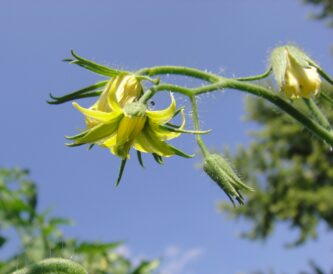
- High temperatures will damage tomato blossoms and they’ll drop instead of setting fruit.
-
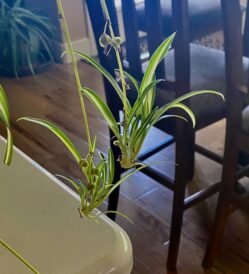
- Plantlets can be removed from the mother plant and rooted for more indoor plants, but seed capsules from pollinated flowers must remain on the stem until the are very dark in color and dry before the seeds can be collected and planted.

Courtesy photo
High temperatures will damage tomato blossoms and they'll drop instead of setting fruit.
Until a few days ago the flowers on my tomato plants kept falling off instead of setting fruit. I have a few tomatoes that are ripening, but I haven’t seen any new tomatoes for a while. What can I do so that doesn’t happen again.
This is one problem you can blame on our hot weather. Tomato blossoms are sensitive to high temperatures. When our daytime high temperatures rise into the 90s, it can damage the pollen in the flowers. The flowers will drop if they don’t set fruit.
The weather has been cooler the past few days, so you may see new little tomatoes soon. Keep giving your garden good care with deep but not frequent watering.
Next year you can select early maturing varieties or varieties that are heat tolerant. You may also want to try a light shade cloth over the tomato plants to give them some light mid-day shade.
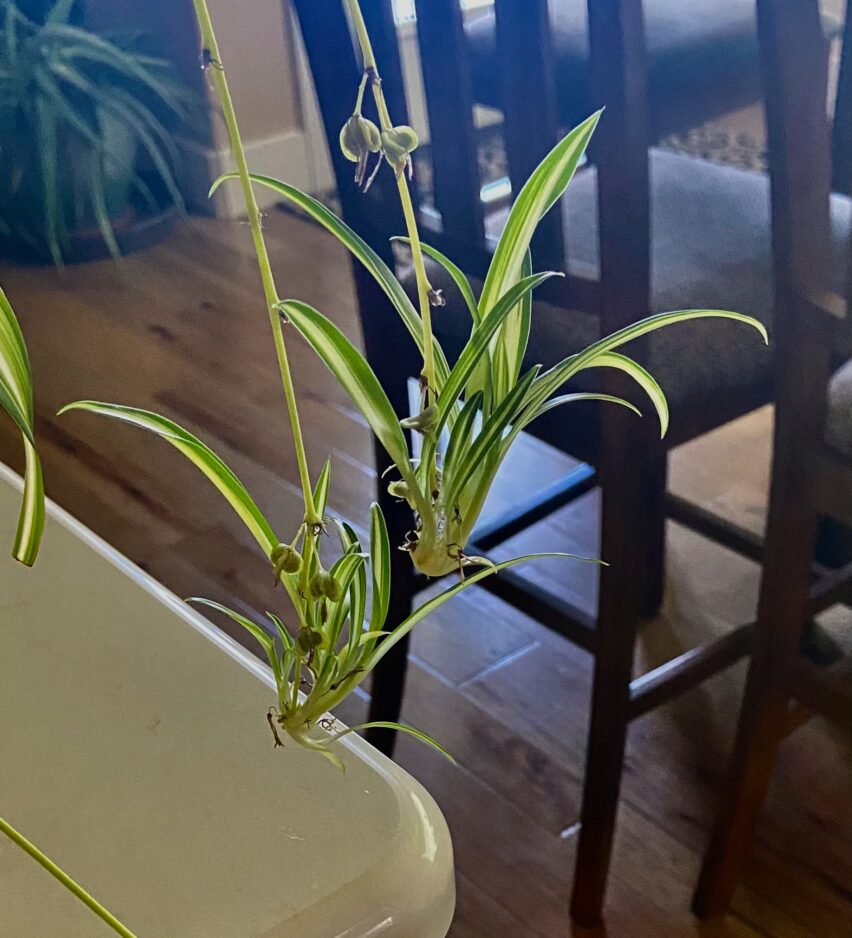
Can I somehow cut off these baby spider plants from their stems and get them to root out as new plants?
Courtesy photo
Plantlets can be removed from the mother plant and rooted for more indoor plants, but seed capsules from pollinated flowers must remain on the stem until the are very dark in color and dry before the seeds can be collected and planted.
Yes, you can! For some plant lovers, rooting the little spider plantlets is the best part of having a spider plant.
I can already see little root initials at the base of the plantlets in your photo, so they should root pretty easily. There’s no rush, though. If you’re busy and want to wait, they’ll just keep growing until you’re ready.
Cut the stems close to the baby plants and set them in a small container of water with the base of the plants touching the water and the leaves above the water. You should see roots in about 10-14 days. For me, that has been the easiest way because you can see the roots developing. If it works better for you, you can also root them in a pot of moist perlite or potting mix, secured in place with bent paperclips, but you must make sure the rooting media doesn’t dry out or doesn’t stay wet, either.
You may not have realized this, but some of your flowers were fertilized and there are little seed capsules on the stems. I can see seeds developing in the capsules.
If you’d like to have a little houseplant “adventure,” you can carefully remove the little plantlets for rooting, but leave the rest of the long stem and the capsules intact so that the seeds can continue to mature. Once the capsules are dark brown and dry, the seeds are mature, and you can remove them. The dry capsules can break open as you handle them.
You can pull a small bag over the capsules before you cut them loose or hold a small container under the capsules while you collect them so that you don’t lose any of the seeds. Sometimes the dry seed capsules will break open before you can collect them. You can set a tray or light-colored cloth under your plant to catch any early seeds that drop. The seeds will be black and resemble the pepper seeds you see inside a bell pepper.
You can plant your seeds right away or store your seeds for a several months. The seeds won’t be viable for much longer than that. Plant the seeds in shallow containers of moist germination mix. Most of your seeds will germinate in 2-4 weeks. Bottom heat at about 70 degrees can help. Keep the potting mix evenly moist- not wet or dry. The seedlings will look like small, single spider plant leaves at first. Each seedling will be genetically unique, and you may get seedlings that look different than their mother plant and different than each other.
Spider plant seedlings don’t need the same bright light we give our tomato or pepper seedlings. Bright window light or bright indoor light should do. If you already have a grow light, you can also use that. Water after germination whenever the soil surface feels dry. Fertilize the seedlings with half-strength plant food for every few waterings once they have a few leaves.
Spider plant seedlings are fragile at first. Wait until they are sturdy, with several leaves, before transplanting them into pots.