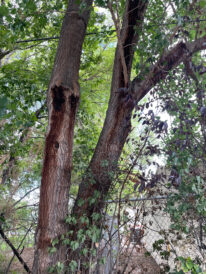
Garden Help Desk: Keep fruit off soil to ward off munching millipedes
-
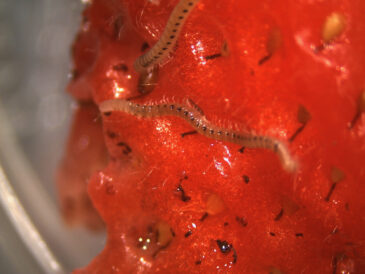
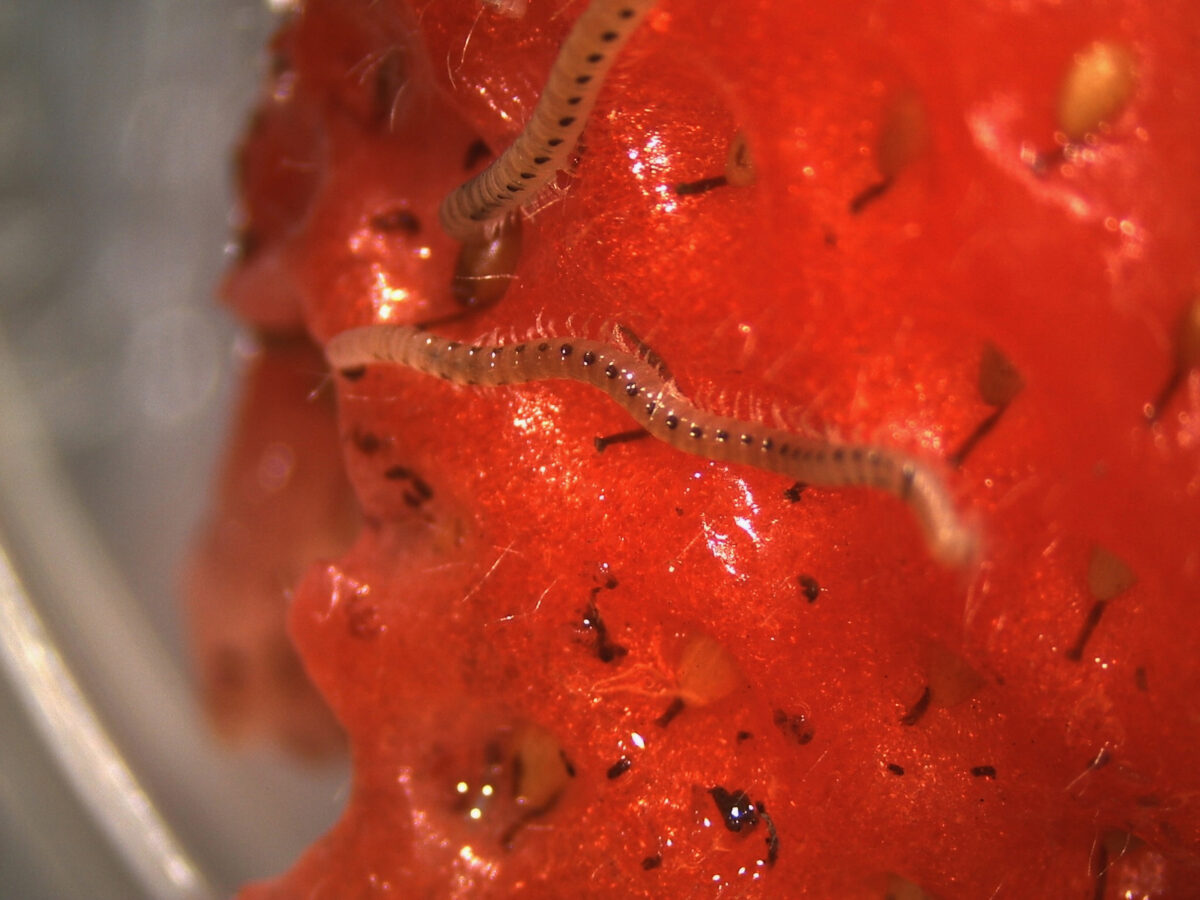
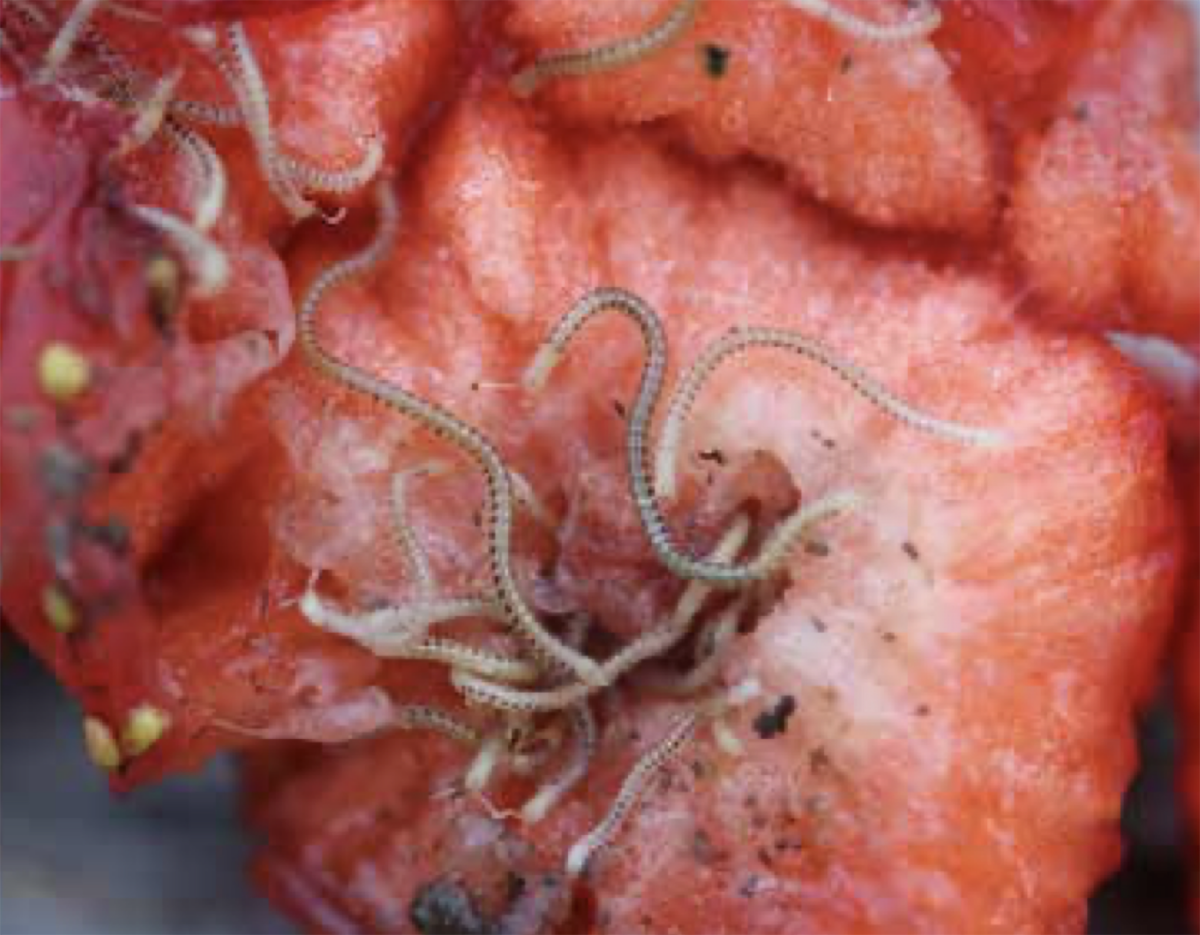
- Spotted snake millipedes are small, thin and long with spots along their sides. They are important decomposers, so it’s best to modify the garden environment instead of trying to control the millipedes with chemical controls.
-
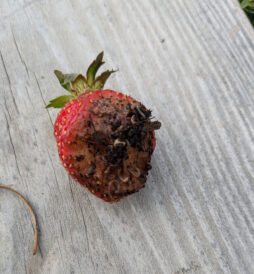
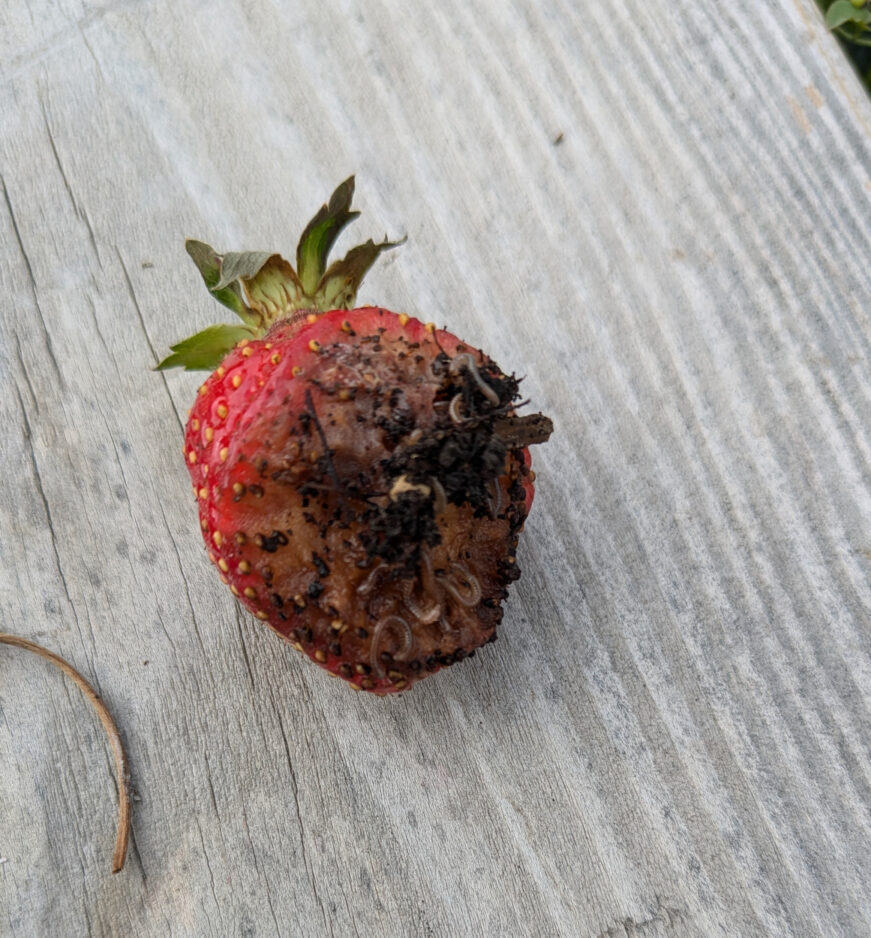
- The soft surface of strawberries makes it easy for spotted snake millipedes to feed the berries when they are touching the soil.
-
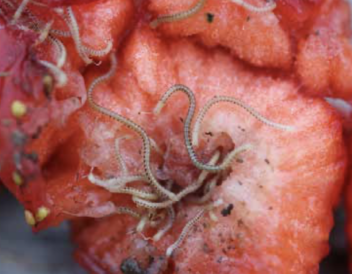
- Strawberries are a common food source for spotted snake millipedes, but they will also infest other fruits and vegetables that touch the soil, like beets, squash, potatoes and carrots, if there are small blemishes or splits that give them access.
-
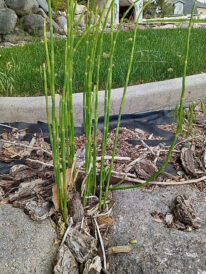
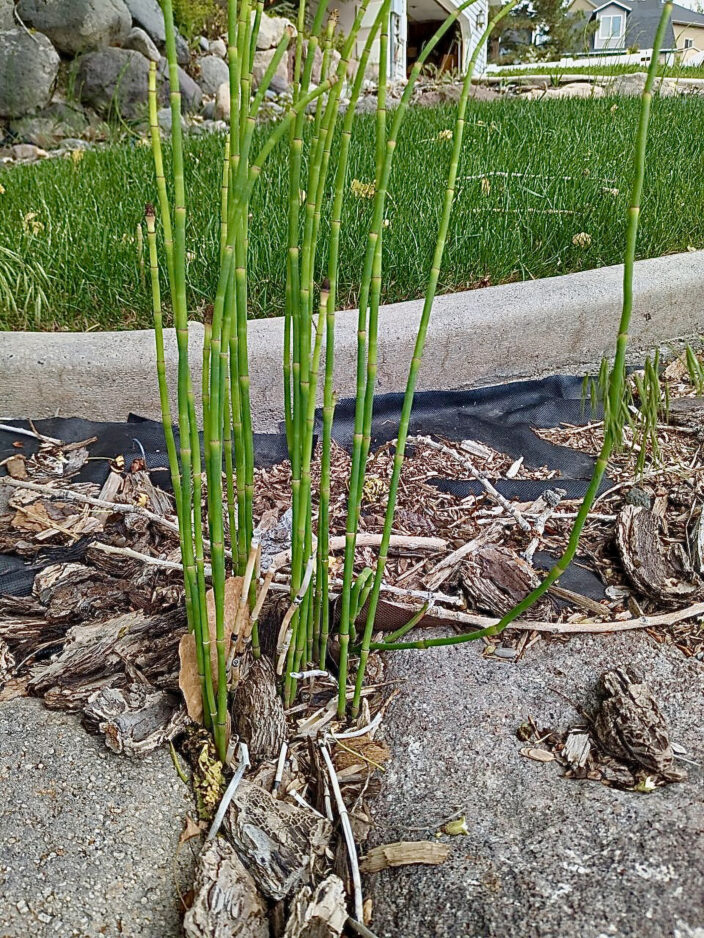
- Equisetum is a tough weed with very distinctive features – jointed hollow stems and a very rough surface. The rough surface and deep root system make it difficult to eradicate.
I have a planter box of strawberries. Last year it seems they became infested with some kind of worm that devours any of the berries that touched the soil. What are they and what can I do to get rid of them?
These look like spotted snake millipedes. They are important decomposers and typically feed on decaying organic matter. Unfortunately, they will also feed on ripe or ripening fruits like strawberries or other fruits that touch the soil.
Spotted snake millipedes need moist conditions, so moisture management will help with control this year.
If you’re watering from overhead with a hose-end watering wand, it will help if you can set up a drip line in the raised bed, even if you have to hook a hose to the drip line and set a timer when you water. This will reduce surface moisture and humidity within the foliage. Water deeply but only once every four to five days or so in the summer and less often in the spring and fall. The size and depth of your planter box and the kind of soil you’re using will determine how long you can wait between waterings, but it is important to let the upper few inches of the soil dry between waterings.
Spotted snake millipedes prefer shaded conditions and will actively avoid sunny exposure. You can use this to your advantage by doing a quick cleanup of any dead and damaged leaves every week.
You can also use a dry mulch like clean straw to keep the berries up off the soil. Any drip line should be under the mulch, not on top, so the mulch stays dry.
What is this devil plant? So far it can’t be killed. It loves to spread in the rocks by the concrete edging.
This is Equisetum, also called horsetails, snake grass or scouring rush, and it’s a tough weed to control.
It can thrive in wet soils and chronically moist sites and doesn’t do as well in dry soils, so you may get some natural control by removing the rocks, mulch and weed mat around the equisetum in that bed so that the area where it is growing can dry out faster.
Also, take a look at your watering. Was this area watered more than once every four to five days? Could there be any kind of sprinkler line leak, faulty valve, dripping faucet or other slow, constant water source in the area? Can you reduce any overspray from the lawn? Is this a low area where water collects and keeps things moist? If so, can you improve the drainage?
Consistently digging out the equisetum can reduce its vigor. You must remove and dispose of whatever your dig out instead of leaving it on the soil.
This weed is hard to kill with herbicides because of its tough, waxy outer layer, which is quite high in silica. Homeowners can try repeated applications of lawn weed control products with multiple active ingredients or glyphosate. The sprays can be effective over time if you are persistent and vigilant. All of these weed killers will kill any other plants that they contact. If you are mixing your own spray from a concentrate, choose the higher recommended rate.
Some gardeners feel spraying is more effective if they walk around on the weeds first to bruise them and break the surface of the stems. This will let the chemical into the plant tissues more easily. Alternatively, mow the horsetail several inches tall and immediately spray directly over the cut weeds. I haven’t found any researched-based information that confirms this, though.
It will take more than one year to get some control. You’ll also need to be watchful and repeat the bruising and sprays at the first sign of the weed in the future.
Here are a couple of things to keep in mind.
Don’t move soil from this area to any other part of your yard as the rhizomes for this weed can extend very deeply into the soil and you risk basically transplanting the weed if you move the soil.
And, equisetum is toxic to pets and may cause gastrointestinal distress, weakness or vomiting.
Meredith Seaver is a horticulture assistant at the USU/Utah County Extension Service.