Garden Help Desk: Conserving water and relocating house plants outside
-
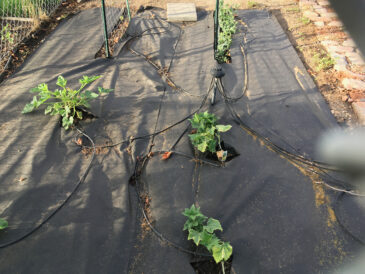
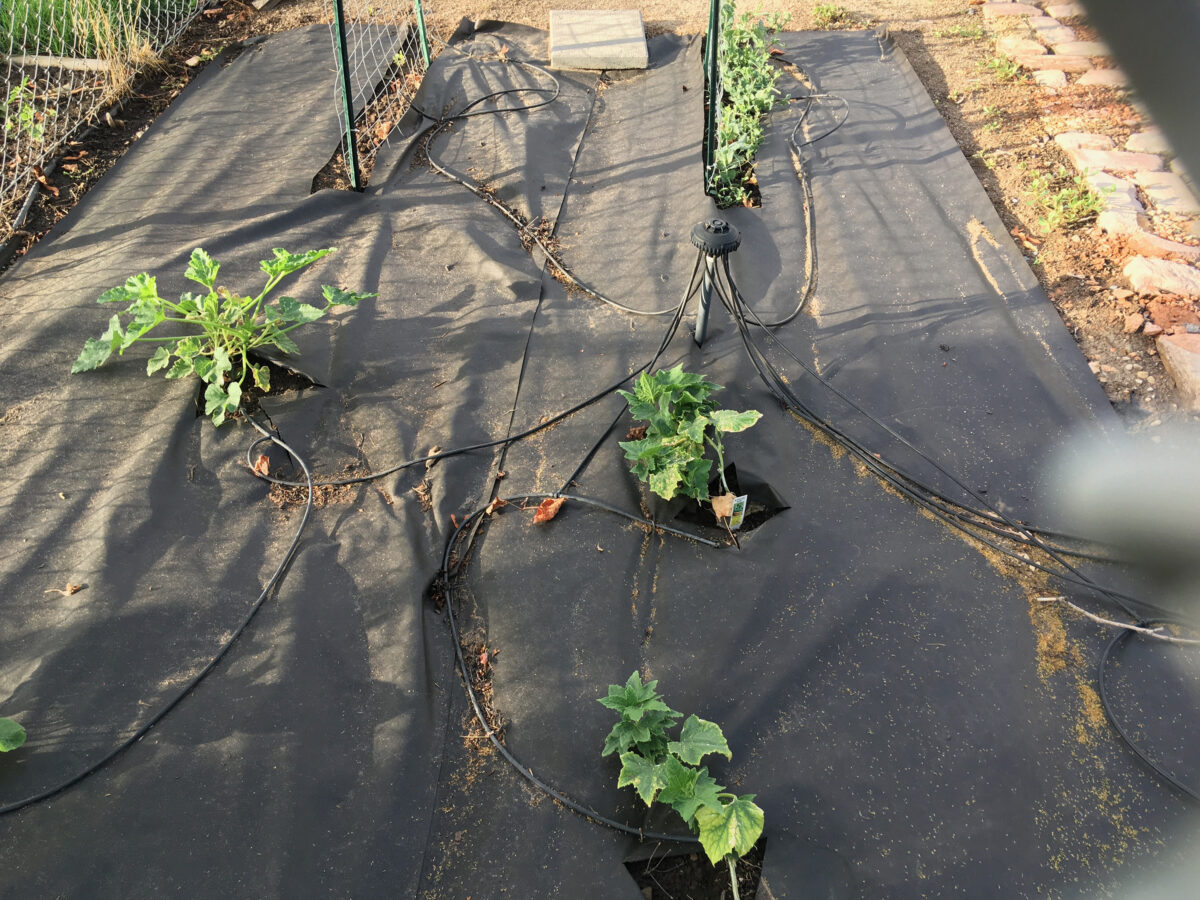
- Black plastic or fabric “mulch” can be used to conserve water and control weeds, but it must be removed at the end of the season and often requires disposal.
-
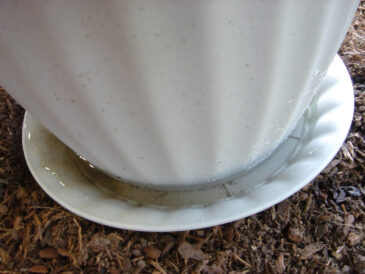
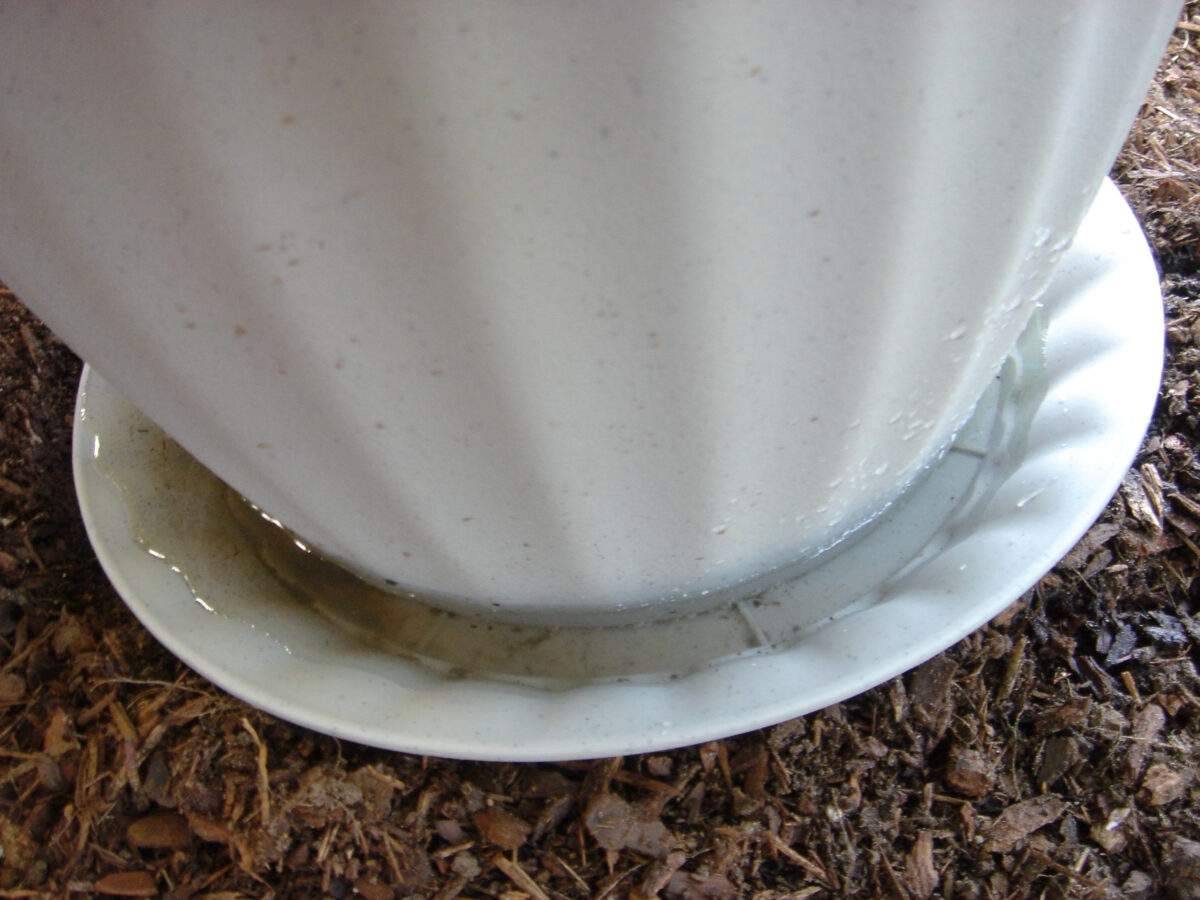
- It’s important to remove any standing water from saucers or decorative cache pots after watering.
-
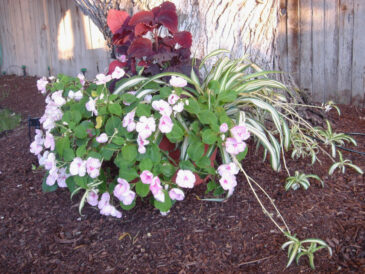
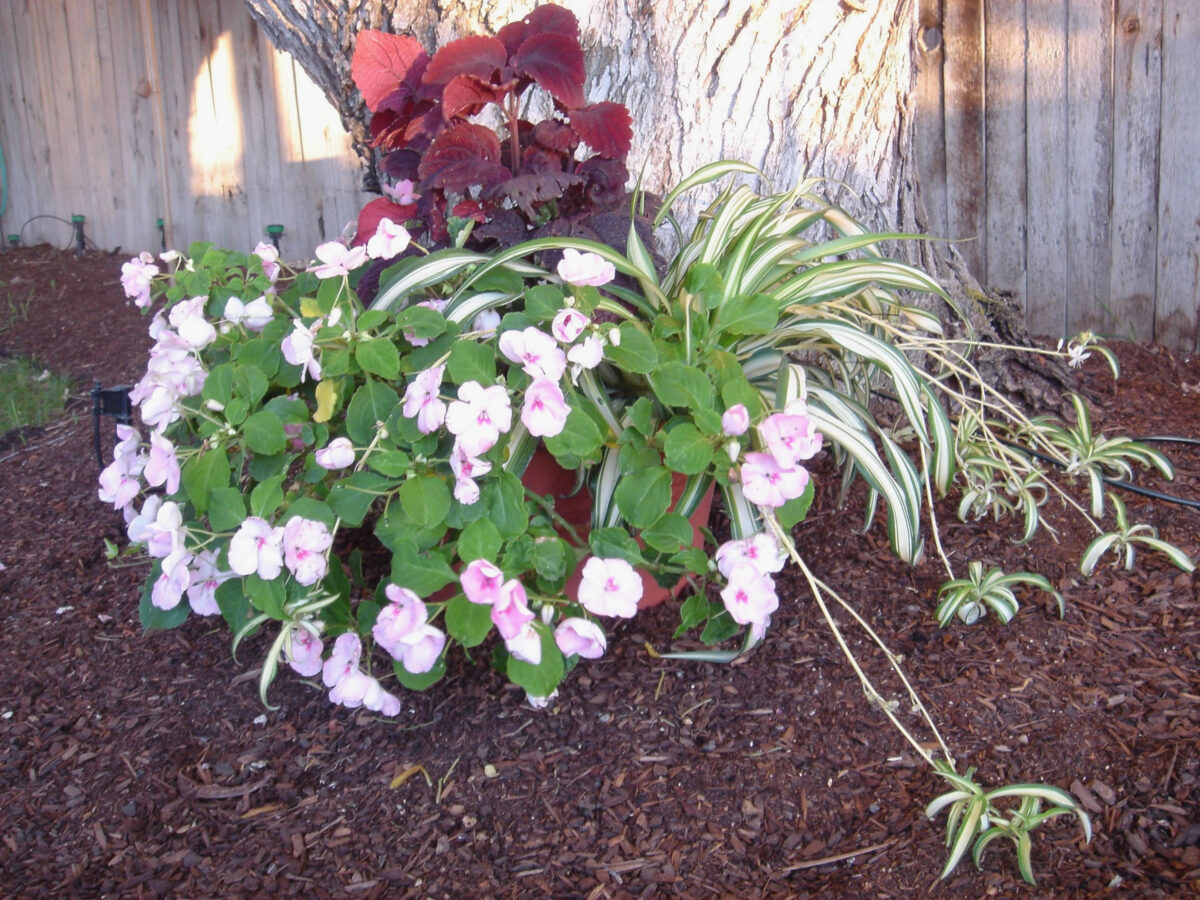
- Indoor plants can also be included in shade container gardens and then carefully removed and repotted to return indoors at the end of the season.
-
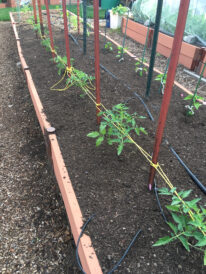
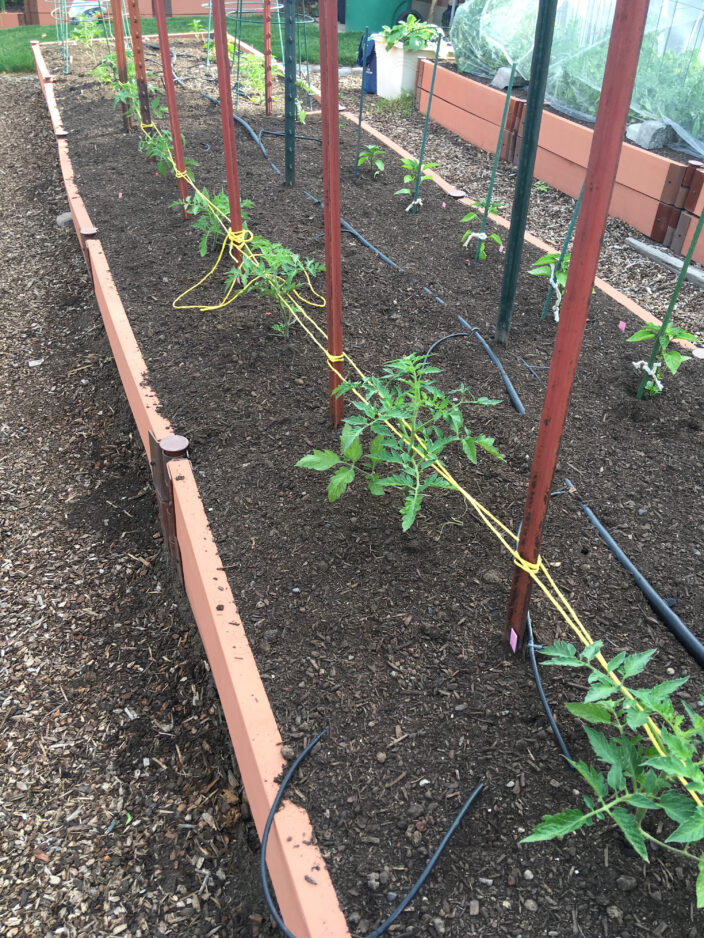
- A layer of compost, grass clippings, shredded leaves, etc. can all be used as mulch to conserve water and suppress weeds. As an added bonus, none of these mulches need to be removed at the end of the season.
We’ve received so many questions about watering and conservation that we’re repeating these tips for conserving water in your vegetable garden.
Keep a good level of organic matter in your soil. Incorporating leaves, grass clippings and other organic material into the soil in the fall and adding compost to the soil in the spring will increase the moisture-holding capacity of your soil while also improving drainage. This gives your plants the moisture they need and makes it easier for air to move into the soil, bringing roots the oxygen they need.
Cover the soil with mulch to reduce evaporation. Black plastic can help conserve moisture and reduce weeds, but an organic mulch can do all that and improve the soil, plus there’s no need to remove and dispose of mulch in the fall. A 1-inch layer of compost or bark fines, layers of newspaper, thin layers of grass clippings added week after week, and paper grocery bags are all options. Some of them might not be very pretty, but they will all do the trick.
Water deeply, but less frequently. Deeper, less frequent watering encourages deeper rooting. Be consistent, though — no big swings from wet to very dry.
Use drip irrigation. One zone in a sprinkler system can be converted to drip for large gardens. For smaller gardens, a simple drip system is easy to assemble and can connect to a garden hose once or twice a week for watering. Even an inexpensive soaker hose can give a slow, deep watering. Drip irrigation can also bring an extra bonus to a garden or flower bed: fewer weeds because you aren’t watering every weed seed in the garden. When you’re installing drip irrigation every season, remember that emitters and soaker lines go under mulch, so set up the drip first and add the mulch afterwards.
Use a controller or timer for your watering so you don’t leave a drip line or sprinkler running for hours because you got distracted and forgot you were watering. Using the timer on your smart phone or watch is a great way to keep track of your watering.
Learn what timing works best for your soil and your watering method. Run your drip line, sprinkler or other method for 15 to 20 minutes, wait a few hours and then dig down to see how far the water has moved through your soil. With that information, plus a little math, you’ll determine how long you need to water. Large plants like mature squash, pumpkins and tomatoes can root as deep as 15 inches into the soil if given the soil depth. Lettuce, basil, onions and other smaller vegetables may only root eight to 10 inches deep.
Be consistent with weed control. Weeds use water too, and you want to keep that water in the soil for your vegetables. Being thorough with your weeding in the spring while weeds are small will reduce your weeding time for the rest of the garden season.
How long should I wait before taking my pothos and spider plants outside for the summer? How can I get them ready?
I take my own houseplants outside for the summer every year, and they do well with attention to a few details on my own part.
My indoor plants stay indoors until overnight low temperatures are consistently 50 degrees or warmer. I may set them out in the shade on mild days, but they don’t stay out overnight until conditions are right.
All my plants are in containers with good drainage holes. If any of your plants are in containers without drainage, make sure you keep them in a covered location to prevent sprinkler or rainwater from collecting in the containers.
Introduce your plants to their summer location gradually. Just like flower and vegetable transplants, indoor pants need a few days to harden off and adjust to breezes and brighter light.
Put your houseplants where they will be out of direct sun and away from strong winds.
Don’t forget to water. Check daily!
When bringing your plants back indoors at the end of the summer, acclimate them to the lower light levels indoors by moving them to the deepest outdoor shade for a few days.