Garden Help Desk: A guide to getting started growing peppers
-
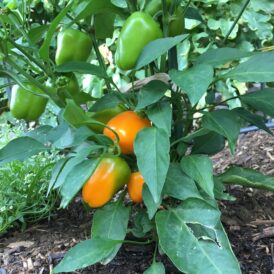
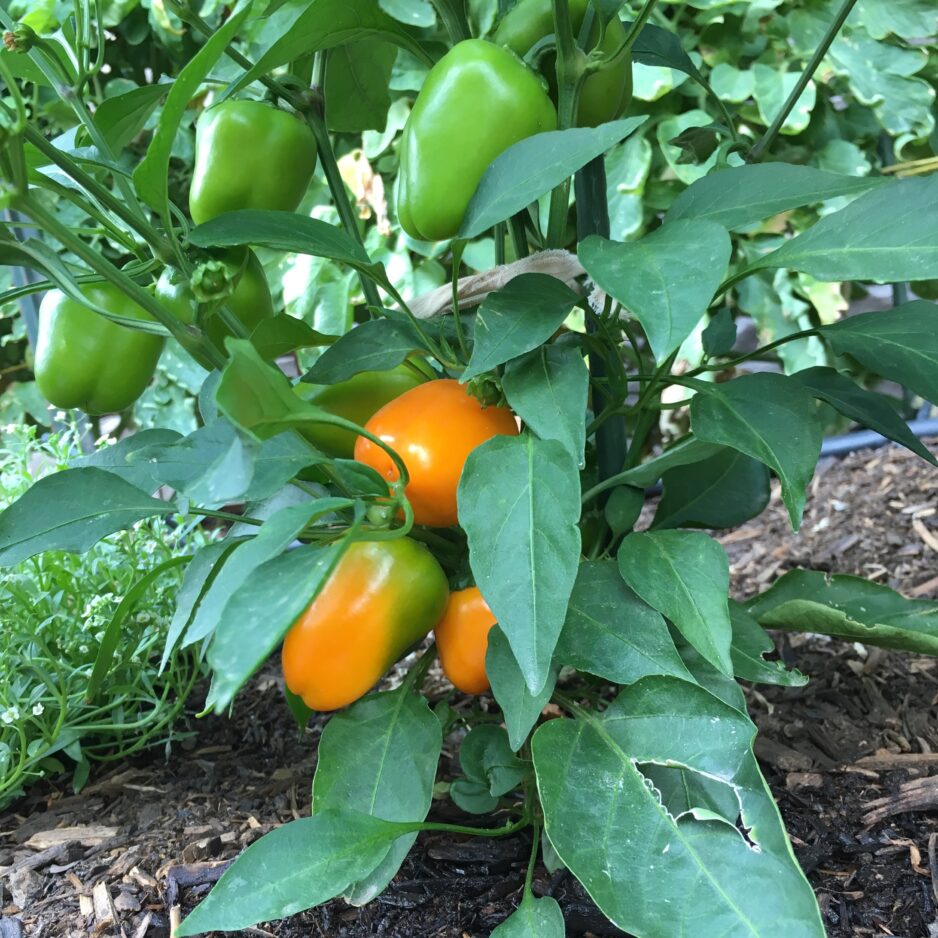
- Good care early in the growing season will produce the leafy growth that fuels good fruit growth and a nice harvest later in the season.
-
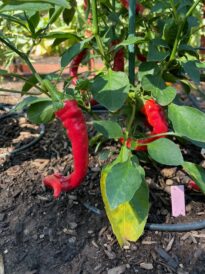
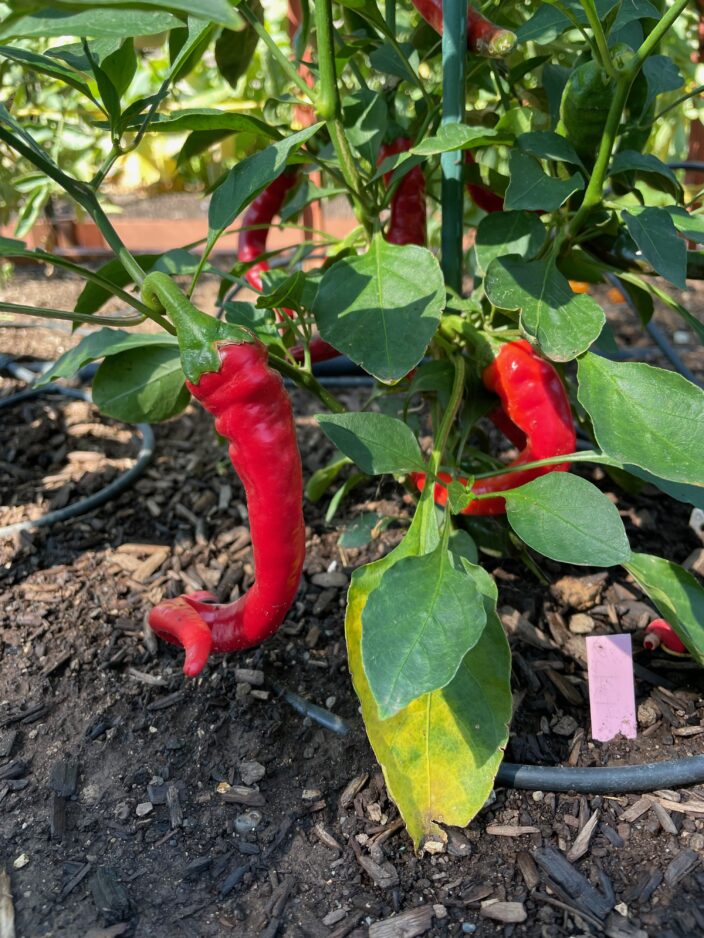
- There are hundreds of pepper varieties to choose from, and most of them, like these cayenne peppers, will do well in Utah Valley.
-
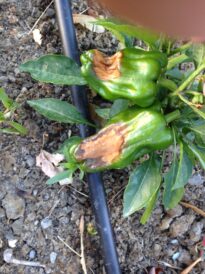
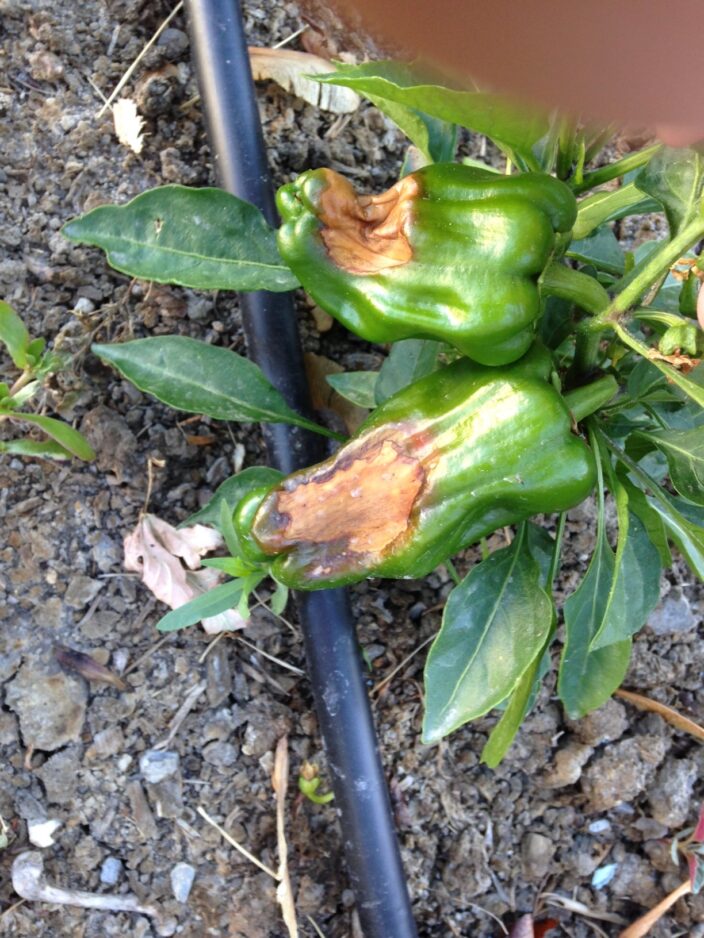
- Peppers plants without good leafy growth won’t be able to provide the sun protection that the pepper fruits need. Light shading or individual wrapping could have prevented the sunscald damage on these bell peppers.
-
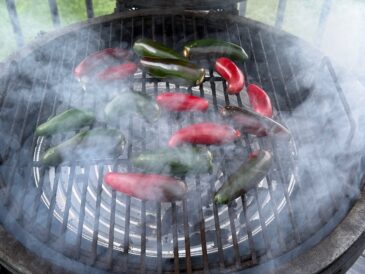
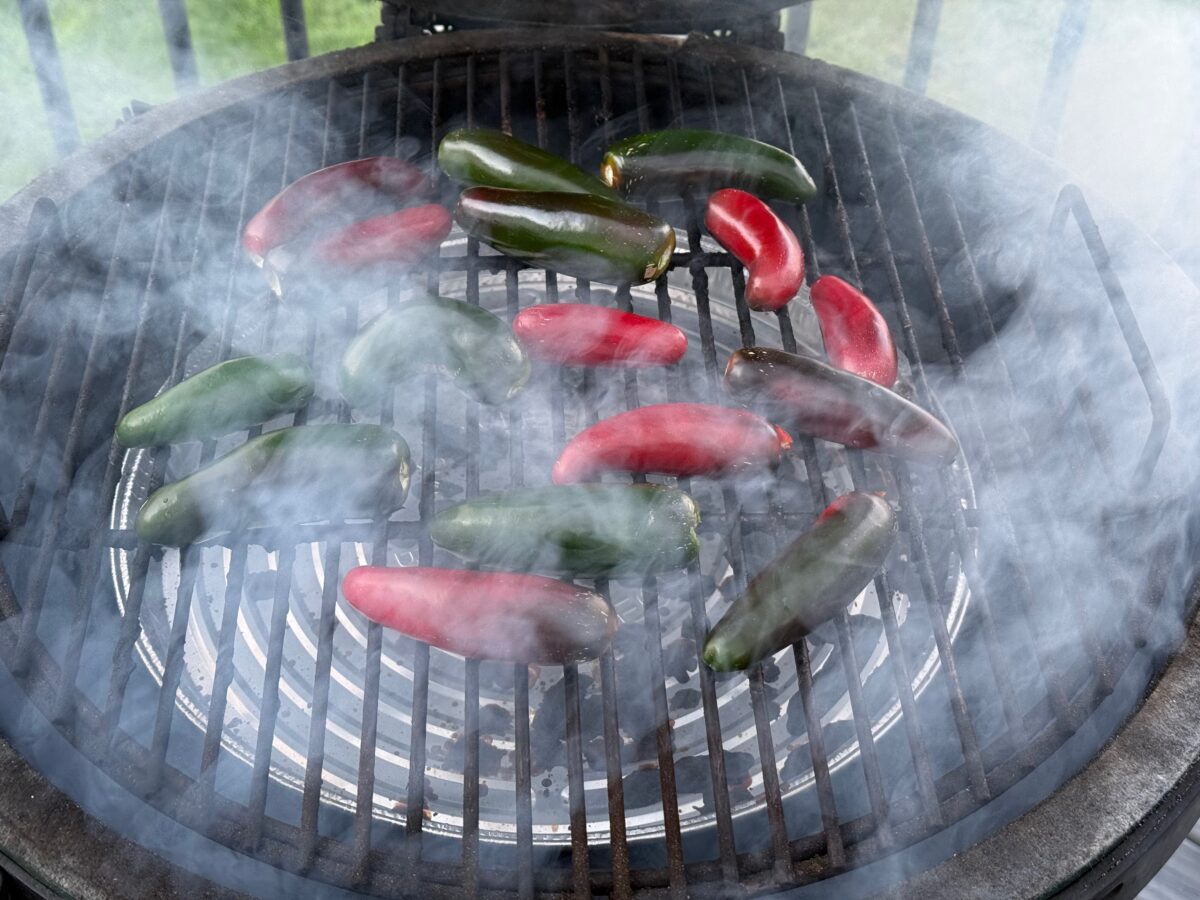
- Tossing jalapeños into the smoker is just one of the many different ways peppers can be prepared.
Peppers are one of our most tender, chill-sensitive garden vegetables, but the weather forecast says us that warm-season vegetables planting time is finally here! For home gardeners who start their own transplants, their pepper seeds were started in mid-March and they have pepper plants that are ready to be moved out into the garden. Our spells of cool weather during this year’s mild spring have delayed that, because overnight temperatures were sometimes low enough to cause chilling injury to tomato and pepper plants.
Will you be purchasing your pepper plants from a nursery or garden center? Look for stocky, dark green plants with few or no flowers or fruits. If your only options are plants that do have flowers and fruits, pinch those off to help your plants establish more quickly and produce a better yield later in the season.
Ideally, we wait until our soils have warmed to 60° before getting our peppers into the garden, but sometimes your transplants just can’t wait any longer. Maybe they’re outgrowing their 4-packs, or perhaps your busy schedule is telling you that you’d better get them planted while you can. If you need to plant your peppers while the weather is just barely warming up, be prepared to provide some protection against chilly overnight temperatures with row covers, hot caps, cloches or other insulating material whenever overnight temperatures drop below the mid-40s.
To give you pepper plants a good start, harden them off for several days before planting, then plant them in a sunny, well-drained part of the garden. Space them about 18″ apart so that they have room to grow. Unlike tomatoes, which can be planted much deeper than they were growing in their nursery containers, peppers should be transplanted at the same depth as their containers, or not more than about one inch deeper if the transplants are leggy. A good guide is the point where the cotyledons (seed leaves) were attached.
You can reduce the risk of transplant shock by doing your transplanting in the evening or on a cloudy day. No matter when you do your transplanting, fill each planting hole with water first, then plant after the water has soaked in. Always water again deeply once you’ve finished transplanting. Continue deep, infrequent watering throughout the summer and early fall.
Mulch helps conserve moisture, reduces weeds, and reduces plant stress. Layers of straw, compost, or grass clippings are all good options once the soil is warm. If you’re using drip irrigation, make sure your drip lines or emitters are under the mulch, not on top.
Most pepper plants benefit from some supplemental nitrogen beyond your usual soil preparation. A ¼ tablespoon of ammonium sulfate (that’s about one scant teaspoon) at 4 weeks and 8 weeks after transplant will do the job. Scratch the fertilizer into the soil about 6″ to the side of each plant and water it in. This will encourage strong, leafy growth. Fertilizing later than that in the growing season can reduce fruit set.
The fruits on pepper plants are susceptible to sunscald and can develop brown, leathery patches if they are exposed to too much hot, direct sunlight. This is less of a problem on plants that have enough leafy growth before the fruits develop but if the leafy coverage on your plants is thin, you can protect the fruits by covering them individually or by using shade cloth over the plants.
Shade cloth can be helpful for both tomatoes and peppers that are grown in hot, sunny locations. It’s is available in different densities that describe the percentage of sunlight the cloth will block. 30% shade probably won’t feel very shady to you, but it will provide enough protection for your peppers while also letting through enough light for good plant growth. Position the shade cloth to provide shade for a few hours from mid-day to late afternoon and support the cloth high enough above your peppers to permit good air circulation. You can easily improvise hoops and other supports with materials you probably have on hand.
Meredith Seaver is a horticulture assistant at the USU/Utah County Extension Service.