Garden Help Desk: Attracting – and discouraging – garden pollinators
-
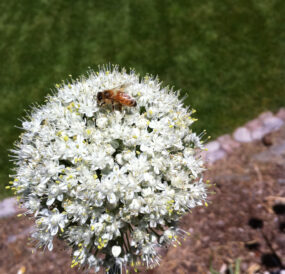
- Bees (and important parasitic wasps) need short, open flowers like the flowers on this onion inflorescence for easy access to nectar.
-
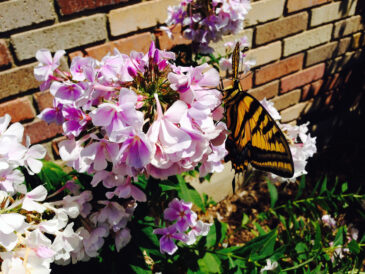
- The flowers on garden phlox provide a landing spot where butterflies can rest while they sip nectar.
-
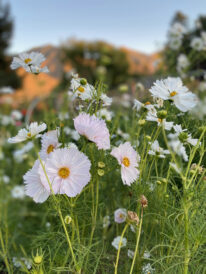
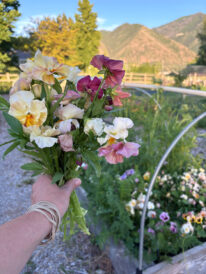
- Cosmos are wonderful flowers that bring color to a landscape and nectar for pollinators. These flowers are also good for cut flower bouquets.
-
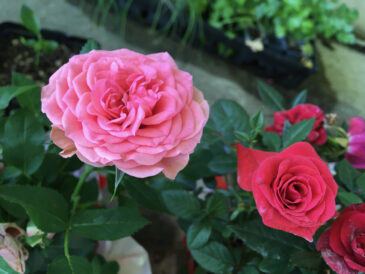
- Roses are a good choice for landscapes where bees need to be avoided because the tight rows of petals make it hard for bees to forage.
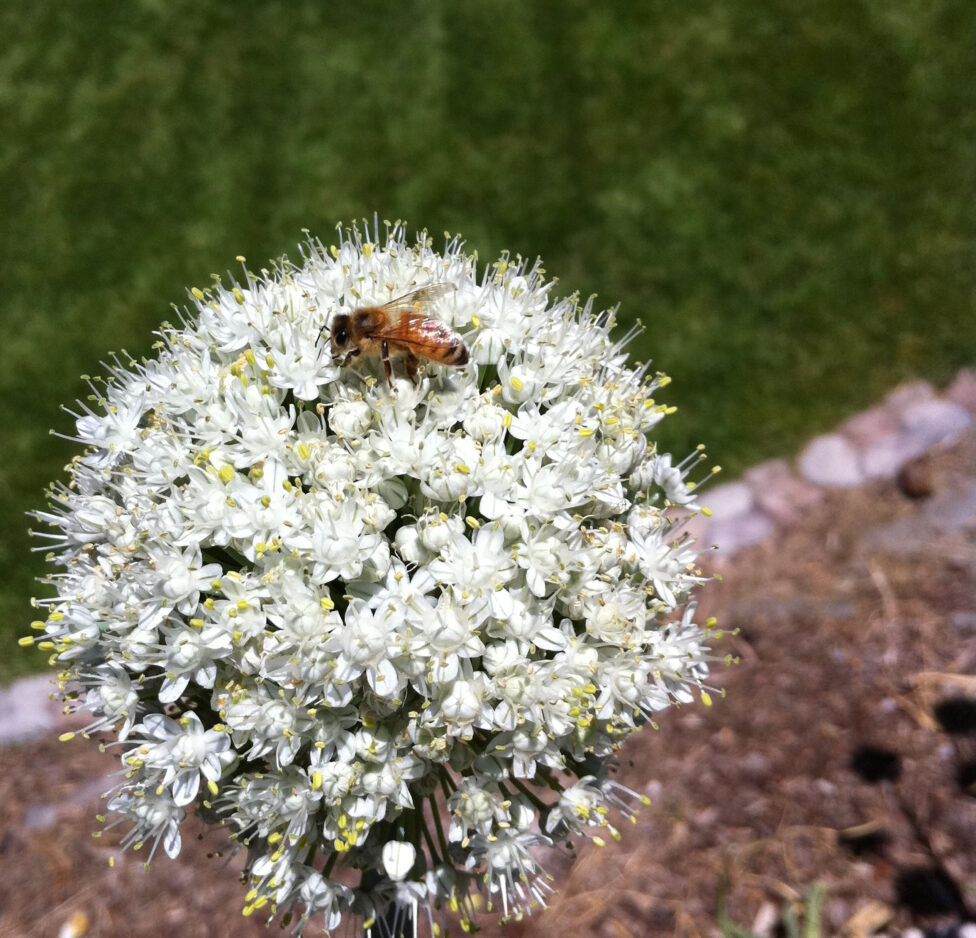
Photo by Meredith Seaver
Bees (and important parasitic wasps) need short, open flowers like the flowers on this onion inflorescence for easy access to nectar.
I want to have more good insects in my yard. Can you suggest some plants that will benefit pollinators and other good guys?
When most people think of pollinators they think of bees, but there are many other pollinators, like butterflies, hummingbirds and moths, that will visit your landscape with the right motivation. There are other garden visitors, too, like predatory insects that help to control the unwanted insects in your yard, toads and small snakes, and bats.
The most important thing you can do to increase beneficial insects and other beneficials in your landscape is to limit your use of insecticides, especially any broad-spectrum insecticides. This is especially important for increasing the number of insect predators and parasitoids that help to control insect pests. When you apply a broad-spectrum insecticide, you affect the good guys along with the bad guys.
In addition to limiting pesticide use, there are many flowering plants you can include to attract pollinators.
You can welcome butterflies by including flowers with wide, flat petals or clusters of flat, open flowers. Phlox, milkweed, asters, zinnias and coneflowers are good examples of flowers that provide nectar plus a landing place to rest while they sip.
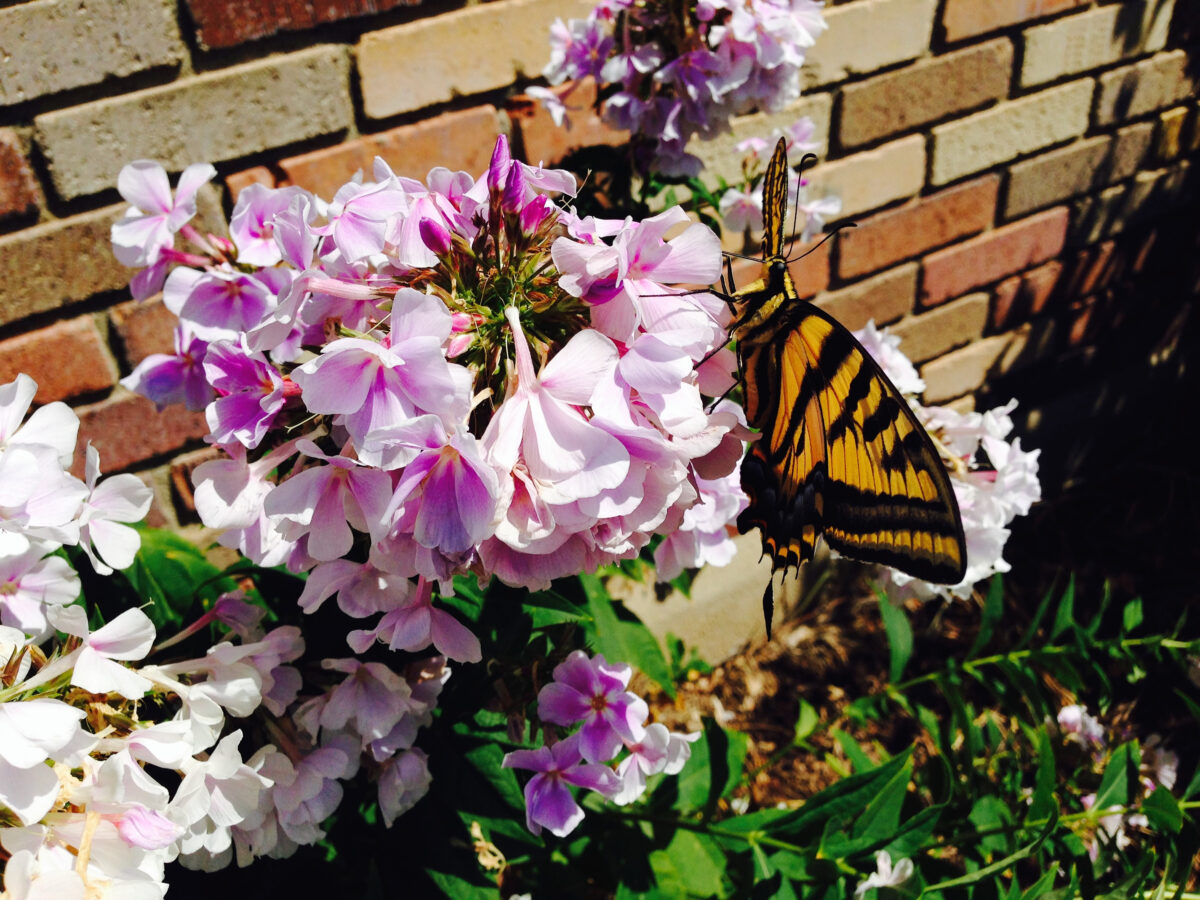
Photo by Meredith Seaver
The flowers on garden phlox provide a landing spot where butterflies can rest while they sip nectar.
Bees favor bright white, yellow, purple or blue flowers with a short-tubed or flat shape. Bee balm, caryopteris (bluebeard), alliums, cosmos, sweet alyssum (also good for parasitic wasps) and flowering herbs are just a few possibilities.
Hummingbirds look for deeper tube-shaped flowers in rich reds, purples and yellows. Find places to include columbines, honeysuckles, penstemons, hummingbird mint and salvia in your home landscape.
When selecting plants for your beneficials garden, plan to provide continuous bloom sources from spring to fall. This will support the widest variety of pollinators.
Not every gardener is comfortable with toads or snakes in their garden, but if you want to invite them to eat your slugs, large caterpillars and beetles, you’ll need to provide them with shelter like pots tipped on their sides or tall grasses and other foliage around the garden. They’ll also appreciate a small, shallow water source.
Would you like to have bats in your garden to work the night shift? These quiet creatures can eat up to one-half their body weight in a single night. With a wooden bat house secured up high on a sunny wall or post and a shallow, open water source, you may find you don’t need to do anything more to enjoy bat benefits.
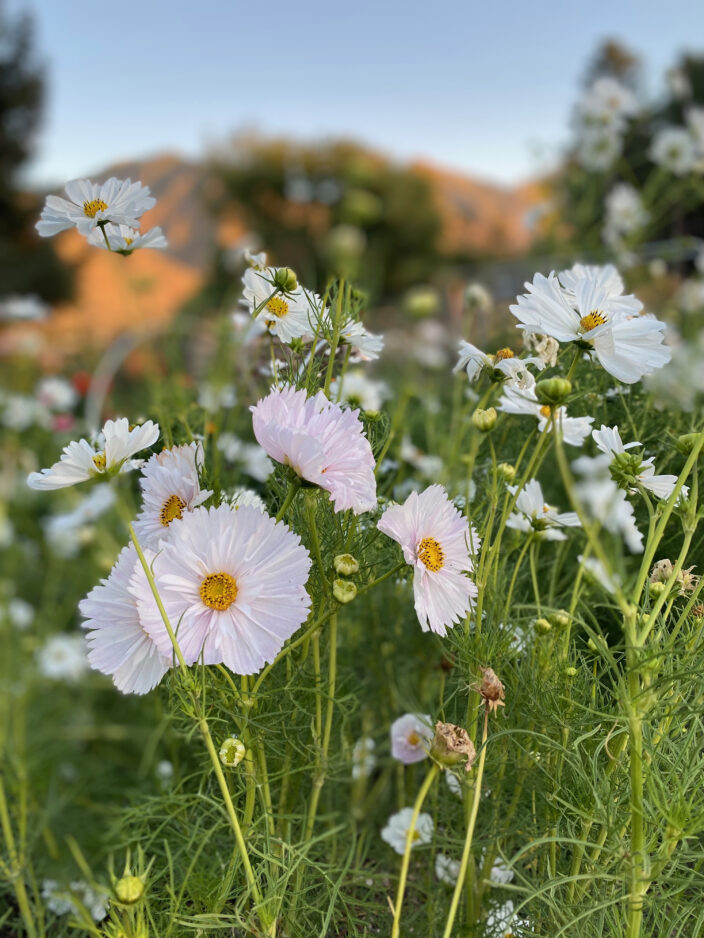
Photo by Elizabeth Binks
Cosmos are wonderful flowers that bring color to a landscape and nectar for pollinators. These flowers are also good for cut flower bouquets.
I want to add more color to my yard but my kids are absolutely terrified of bees. Any ideas?
You are not alone in your query. There are many others who are concerned about bee stings such as those with allergies as well as people who are afraid of them. There is good news as not all flowers are dependent on bees for pollination. Moths, hummingbirds and other insects are at work, even during the night.
Bees search out flowers that are fragrant in colors of white, yellow, blue or purple. They do not like red flowers as they appear grey to them. Heavily layered plants, like zinnias or chrysanthemums, and long tubular flowers are too difficult for bees to navigate in search of nectar, and they move on to more colorful pastures.
Here are just a few flowers that are of little interest to bees:
- Strawflower
- Zinnia
- Foxglove
- Mums
- Rose
- Red dianthus
- Geraniums (annual or perennial)
- Feverfew
- Marigolds
With so many readily available options, it will be easy to create a colorful yard where your kids won’t be afraid to play.
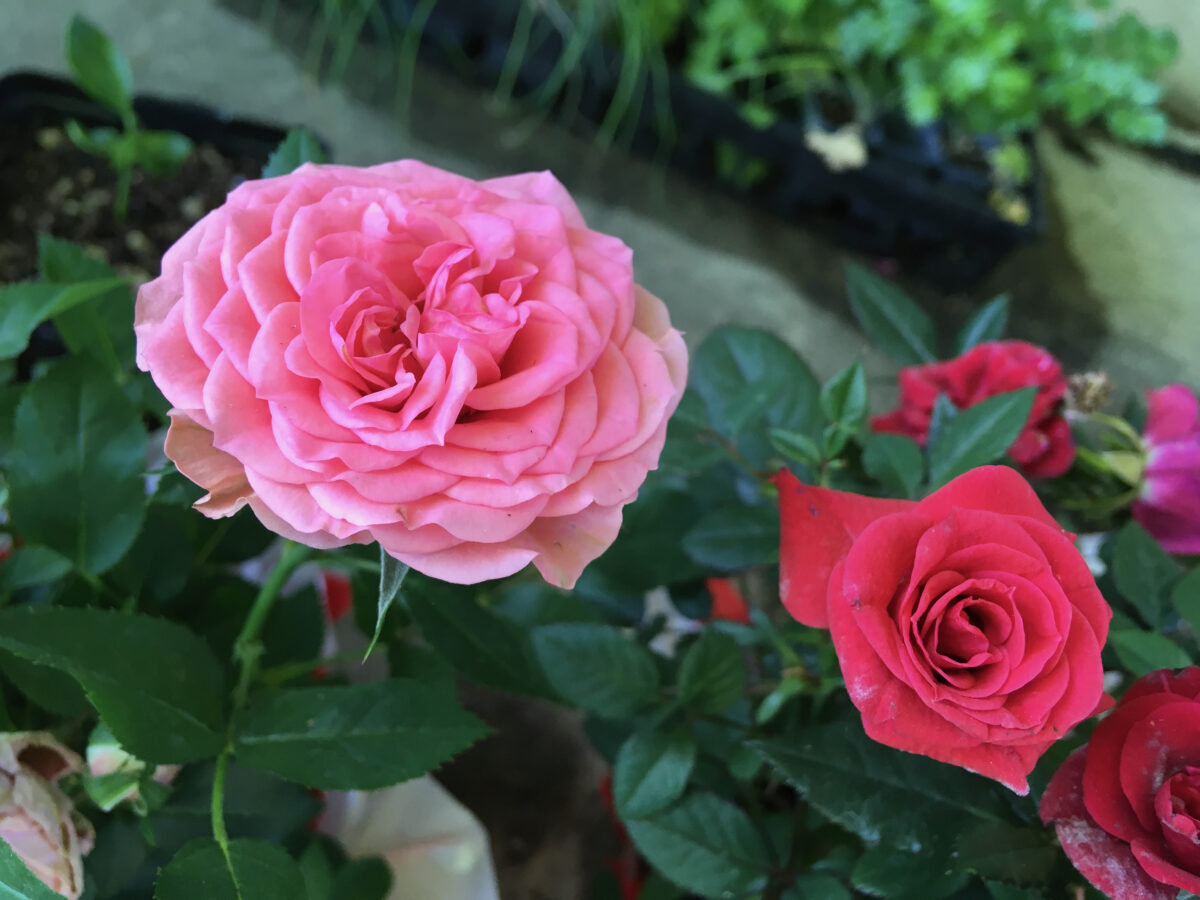
Photo by Meredith Seaver
Roses are a good choice for landscapes where bees need to be avoided because the tight rows of petals make it hard for bees to forage.
Sandy Vernon is a former horticulture assistant and Meredith Seaver is a current horticulture assistant at the USU/Utah County Extension Service.