American Red Cross of Utah shares low-cost, no-cost ways to prepare for disasters
-

- Emergencies can happen at any time, often with little or no warning. Being prepared helps mitigate risks, minimizes the impact of a disaster and helps speed up recovery.
-

- Wildfires, earthquakes, floods and blizzards are all possible in this part of the country. If a disaster such as this should happen, will you be prepared?
-
-

Stock photo
Emergencies can happen at any time, often with little or no warning. Being prepared helps mitigate risks, minimizes the impact of a disaster and helps speed up recovery.
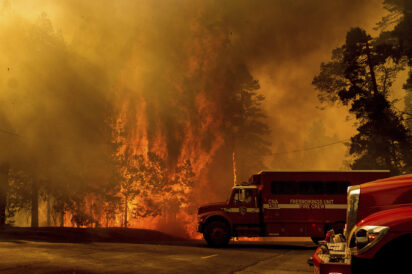
A fire truck moves to a safer position as the French Fire jumps Highway 155 near Alta Sierra in Sequoia National Forest, Calif., on Wednesday, Aug. 25, 2021.
-
-
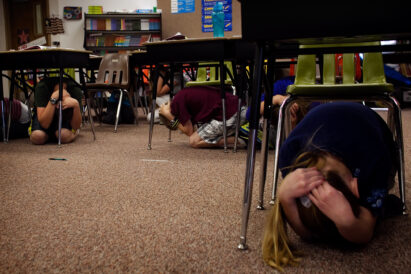
Students at Art City Elementary participate in the Great Utah ShakeOut earthquake drill Wednesday, April 17, 2013. MARK JOHNSTON/Daily Herald
National Preparedness Month tips show how items already at home, supplies from discount and secondhand stores and a few purchases over time can help families get ready for emergencies.
Emergency preparedness can start with a backpack from a closet, a flashlight already in a drawer and a few extra supplies added during regular shopping trips. During National Preparedness Month, the American Red Cross of Utah is showing families how to prepare for disasters without buying an expensive, prepackaged emergency kit.
“Getting prepared doesn’t mean buying everything at once,” said Heidi Ruster, Chief Executive Officer of the American Red Cross Utah/Nevada Region. “Start with what you already have, make a plan and add a few useful items as your budget allows. A simple emergency kit you have ready when you need it is far more useful than an expensive one you never build.”
Wildfires, earthquakes, floods and blizzards are all possible in this part of the country. If a disaster such as this should happen, will you be prepared?
Utah families can face wildfires, earthquakes, floods, severe winter storms, power outages and home fires. In 2025 alone, Red Cross of Utah disaster workers responded to 154 home fires across the state and helped 728 people. So far this year, volunteers have responded to 108 home fires and helped 527 people.
Start With What You Already Have
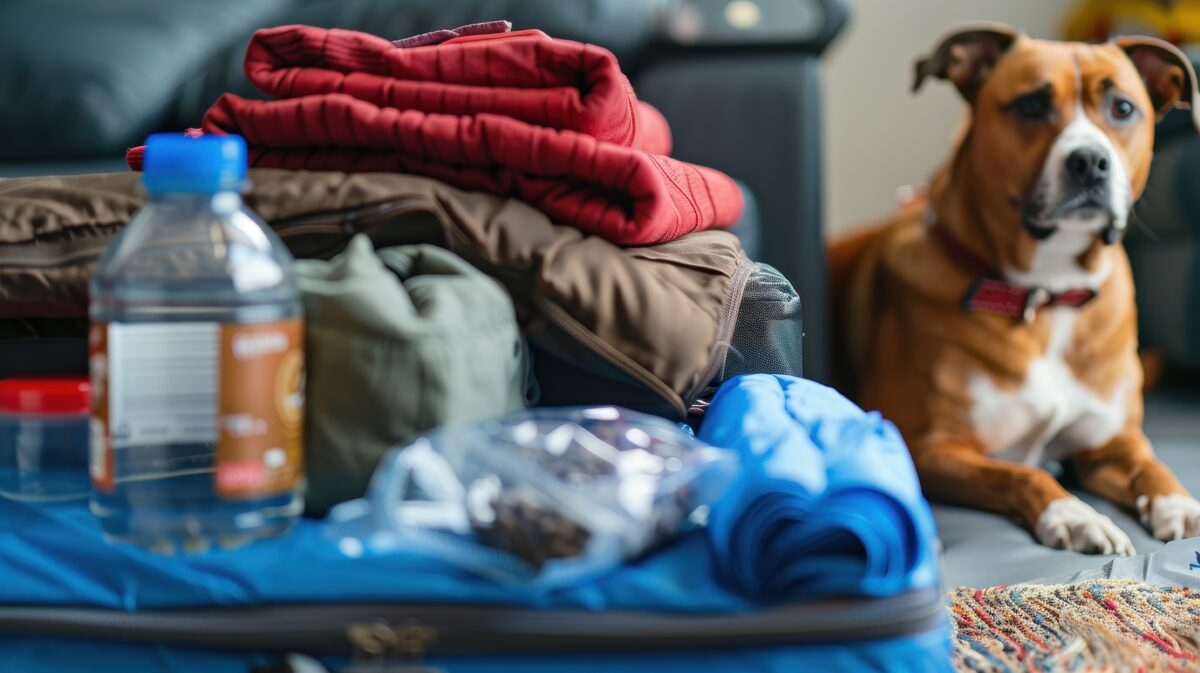
A basic emergency kit does not need to come together in one shopping trip. Before buying anything, look around your home for supplies you already own. A backpack, duffel bag or plastic container can hold emergency supplies. Flashlights, blankets, extra charging cables, reusable water bottles, a manual can opener, basic tools and hygiene items may already be around the house.
Check closets and drawers for extra clothing, sturdy shoes, towels, work gloves and other useful items. Make copies of important documents and write down emergency phone numbers so you have them if your phone cannot connect to the internet.
Build Your Kit a Little at a Time
Noah Berger
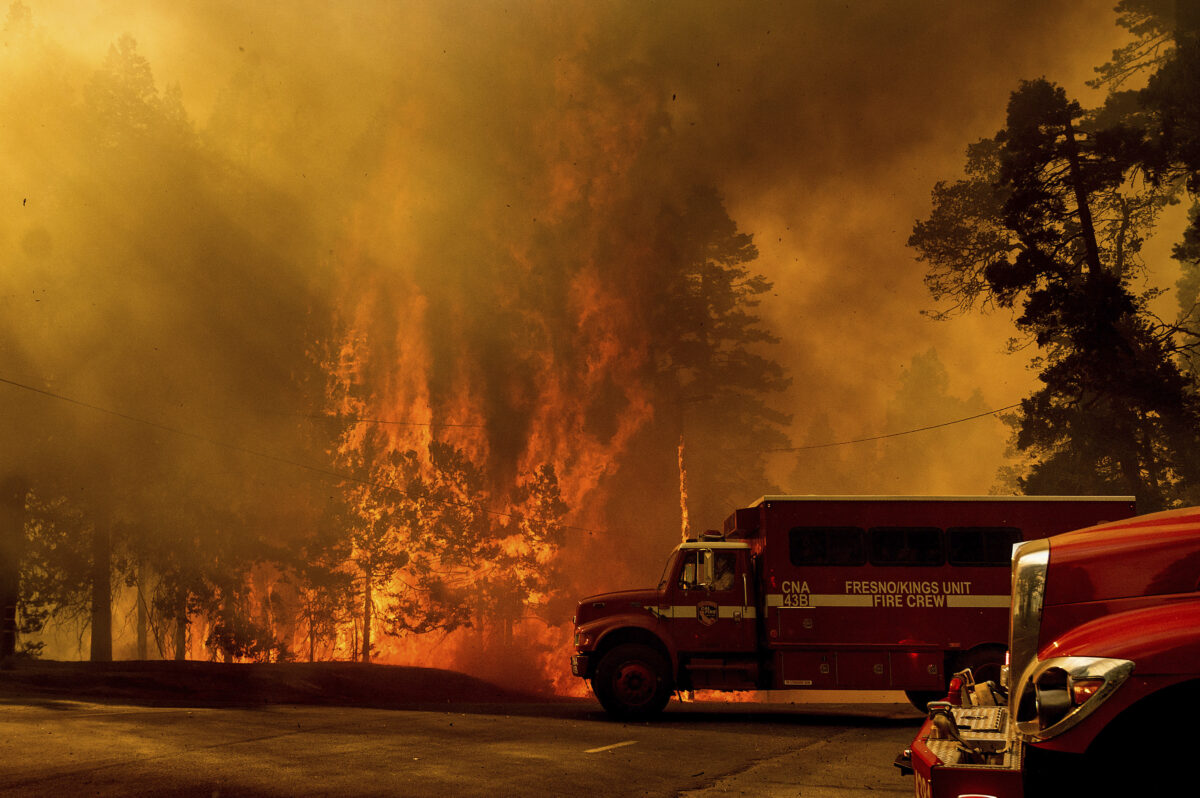
A fire truck moves to a safer position as the French Fire jumps Highway 155 near Alta Sierra in Sequoia National Forest, Calif., on Wednesday, Aug. 25, 2021.
There is no need to buy an emergency kit all at once. Add one or two items as your budget allows during regular shopping trips. Discount stores, clearance sections and sales can help lower the cost of bottled water, shelf-stable food, hygiene products, batteries, first aid supplies and other basics.
Secondhand stores can also be a good place to find sturdy backpacks, blankets, rain gear, extra clothing and some household items for less. Check anything you buy carefully to make sure it is clean and in good working condition, and avoid relying on used safety equipment, medications or other items that may be expired, damaged or unreliable.
Build Two Types of Emergency Kits
The Red Cross recommends having a go-kit with at least three days of supplies that can be taken quickly during an evacuation. A stay-at-home kit should include two weeks of food and water and, if possible, a one-month supply of medications.
Emergency supplies should include water, nonperishable food, a flashlight, first aid supplies, a battery-powered or hand-crank radio, batteries, phone chargers, hygiene supplies, copies of important documents and emergency contact information. Other useful items may include N95 masks, work gloves, extra keys and a multipurpose tool.
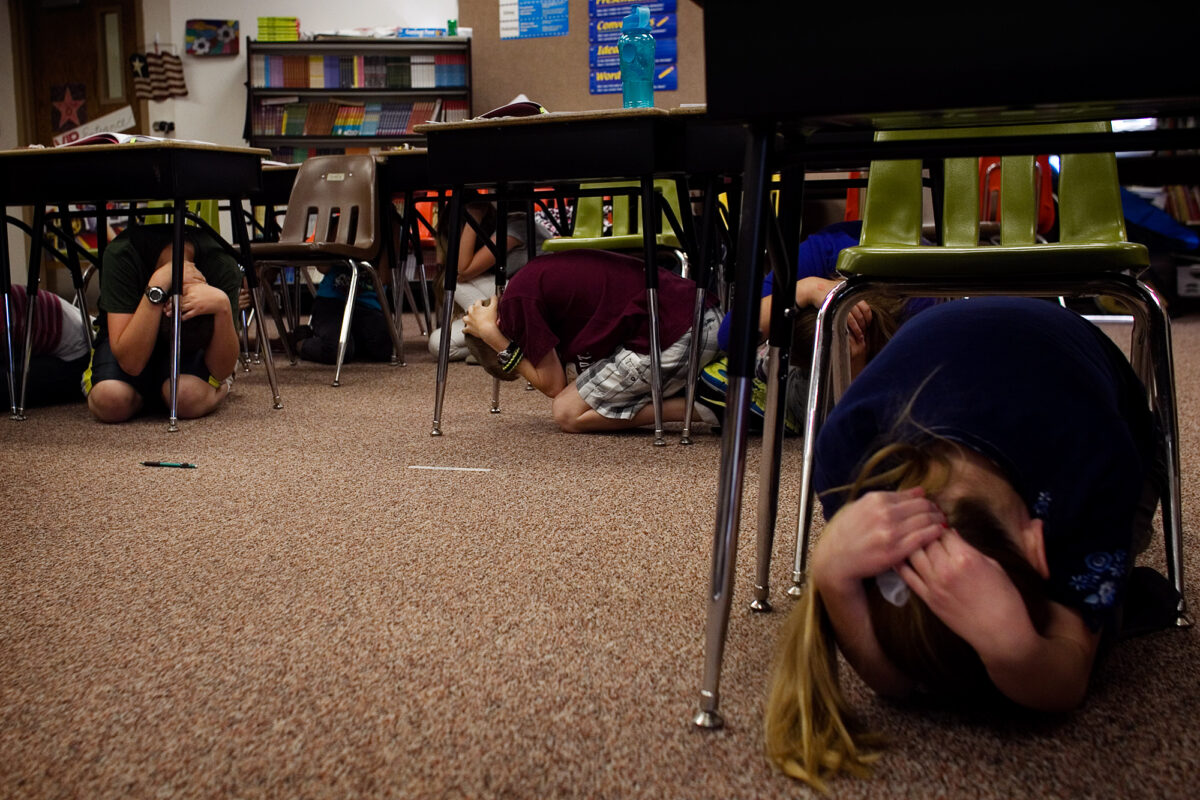
Mark Johnston
Students at Art City Elementary participate in the Great Utah ShakeOut earthquake drill Wednesday, April 17, 2013. MARK JOHNSTON/Daily Herald
Think about what your household would need if stores were closed, electricity was unavailable or you had to leave home with little notice. Families with young children may need diapers and formula. Pet owners should include food, medications, leashes, carriers and bowls. People who rely on medical equipment should plan for backup power or batteries when possible.
Some of the Most Important Steps Cost Nothing
Preparedness is about more than supplies. Families can take several important steps without spending any money:
- Make an emergency plan. Choose two meeting places, one near your home and another outside your neighborhood. Talk about where you would go if you had to evacuate and how everyone would get there.
- Write down important contacts. Keep phone numbers for family members, schools, medical providers and other important contacts somewhere besides your phone in case internet or cellular service is unavailable.
- Plan for pets. Know where pets can go during an evacuation and keep contact information for pet-friendly hotels, shelters or other places that can accommodate them.
- Sign up for local emergency alerts. Know how local authorities will send evacuation orders, severe weather alerts and other emergency information.
- Download the free Red Cross Emergency app. The app provides weather alerts, live weather maps, preparedness information and locations of open Red Cross shelters. Search “American Red Cross” in your app store or visit redcross.org/apps.
Free Smoke Alarms Available in Utah
A working smoke alarm is another important part of emergency preparedness. The Red Cross of Utah provides free smoke alarm installations and home fire safety information for eligible households through its Home Fire Campaign. Utah residents can request an appointment at SoundTheAlarm.org/Utah.
For more emergency preparedness information and checklists, visit redcross.org/prepare.
About the American Red Cross
The American Red Cross shelters, feeds and provides comfort to victims of disasters; supplies about 40% of the nation’s blood; teaches skills that save lives; distributes international humanitarian aid; and supports veterans, military members, and their families. The Red Cross is a nonprofit organization that depends on volunteers and the generosity of the American public to deliver its mission. For more information, please visit redcross.org or CruzRojaAmericana.org, or follow us on social media.