
Guest opinion: It’s time for Congress to act on rural housing
-
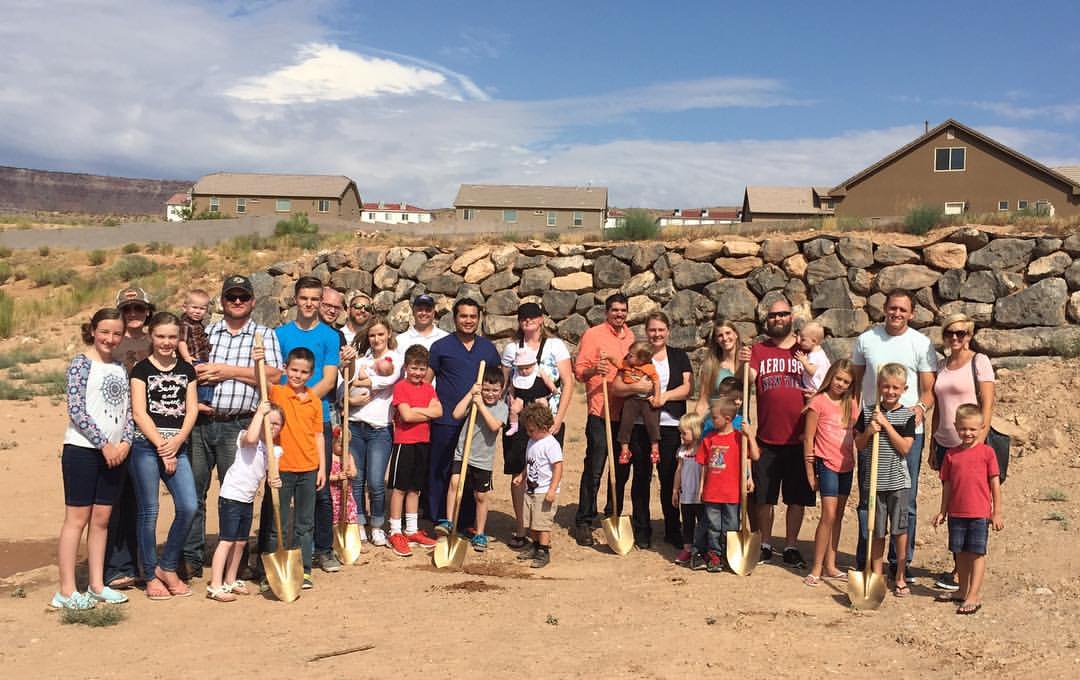
- Participants in the Self-Help Housing program in Utah County.
-
- Participants in the Self-Help Housing program in Washington County.
There is a housing crisis in rural America, including in our community, and the federal response needs to be up to the task.
Of the 25 million units in rural and small communities, more than 5%, or 1.5 million, of these homes are considered either moderately or severely substandard; more than 30% of the nation’s housing units lacking hot and cold piped water are in rural and small-town communities; and on some Native American lands, the incidence of homes lacking basic plumbing is more than 10 times the national level.
In our communities, vacancy rates have hovered at historic lows of 4.5% for many consecutive years. While there are undoubtedly many factors that contribute to the lack of housing inventory, the effects on the rental housing market are clear, with rents increasing rapidly over the past few years. The households most impacted by these rent increases are those of hard-working families with low incomes.
We are, however, making progress. One of our important partners is the U.S. Department of Agriculture’s rural housing programs, which provide loans, grants and other assistance that increase the supply of affordable housing in rural America. Over its history, federal rural housing programs have financed more than 2 million units of single-family housing and some 500,000 units of rental housing in rural communities. In many rural communities, USDA housing programs are the most available and accessible source of financing.
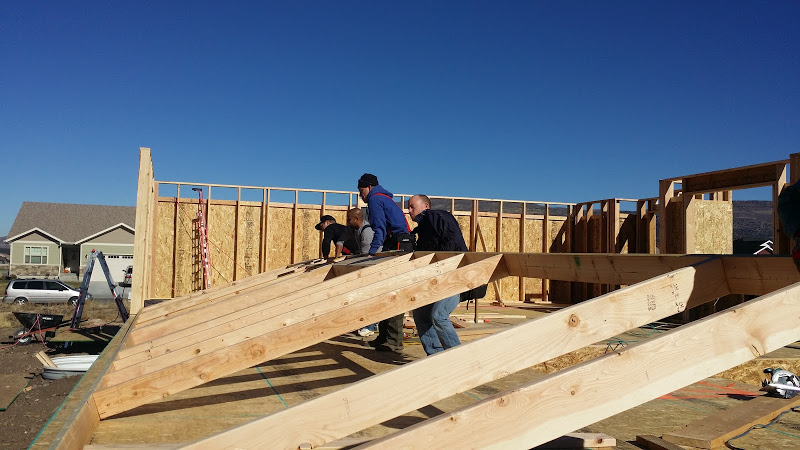
For example, using the USDA Section 502 Direct Loan Program, Self-Help Homes (SHH) is a nonprofit organization offering locally based affordable housing solutions to communities in Utah, Wasatch, Washington and more recently Juab counties. We have helped more than 600 families become homeowners through USDA’s Section 523 Mutual Self-Help Housing Program where families learn how to build their own homes in groups of 10, through a barn-raising effort and a lot of sweat equity.
Across the state of Utah, there are a total of nine Self-Help Housing organizations building homes in its rural cities and towns. This accounts for more than 10% of the nation’s organizations running the “Self-Help Housing” program. In 2023, it is expected that more than 2,100 homes will have been built in Utah with an average of 124 homes built every year over the last four years.
Congress is now beginning the budget debate for the coming fiscal year. We hope that members of Congress will recognize that the affordable housing crisis extends to rural America and that they’ll support increases in rural housing programs, such as the ones we’ve used throughout rural Utah.
A good place to start is the recommendations made by the National Rural Housing Coalition.
Brad Bishop is executive director of Self-Help Homes located in Provo.


