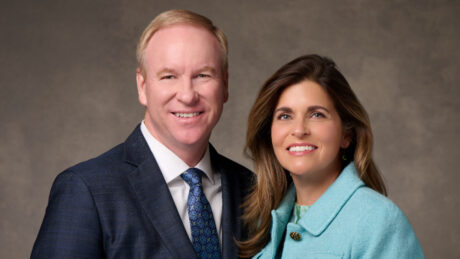
SCO CEO Darl McBride fired as part of Ch. 11 restructuring

Font Size:
Default font size
Larger font size

Related Links

Darl McBride was fired from his position as chief executive and president of the bankrupt SCO Group last Friday, as the Lindon company seeks to cut costs, bolster working capital to fund its long-standing battle with IBM and Novell, and emerge from its Chapter 11 bankruptcy reorganization.

But the longtime SCO executive isn't going quietly into the night.

The elimination of McBride's position is part of a restructuring plan being prepared by SCO's Chapter 11 bankruptcy trustee Edward Cahn and his advisers and the current management team, which comprises Jeff Hunsaker, chief operating officer; Ken Nielsen, chief financial officer; and Ryan Tibbitts, general counsel.

"They told me about the firing last week, but we went back and forth on it. They didn't officially notify me. I read about it on an SEC filing this morning. There was no severance, nothing. They just gave me the boot and said, 'See ya,' " McBride said Monday.

McBride has been SCO's CEO and president since 2003, and said he was paid an annual base salary of $265,000 for the 2009 fiscal year ending Nov. 1.

"It's ironic that at a time we're trying to save money, the trustee is racking up significant costs far greater than what they're paying me," he said. "The trustee's advisers are billing at least $500 an hour and they're working around the clock, and his lawyers are billing even higher rates than that. There are at least seven to eight people now working on the bankruptcy."

He also claims that he was instrumental in getting investors such as Cerberus Capital Management LP, which has a diversified investment portfolio that consists of companies such as GMAC Financial Services, to provide a $25 million credit line to SCO, which he said would have allowed the company to exit bankruptcy, pay off its creditors and get the case to jury trial.

"What's disturbing also is when we got a positive ruling in August, the trustee told me to go out there and get financing deals for the company. But when I got Cerberus, the trustee told me to hand over the information to them, and just sat on it," he said.

Bankruptcy trustee Cahn, an attorney with Blank Rome LLP in Philadelphia, did not return calls for comment.

"Now, they're just trying to put the Unix business in wind-down mode and settle with IBM in the tens of millions of dollars, which is just pennies on the dollar for what the lawsuit is worth," he said.

McBride said he has spoken to several of SCO's major shareholders and is planning to put together an "alternative plan" for SCO to go to jury trial.

"I'm still a shareholder and will use shareholder rights to try to rally up interest to put a plan in place to make sure SCO has its day in court," he said. "But we're still dealing with a lot of unknowns. We don't know what plan the trustee is coming up with."

When asked if he thought it was worthwhile to continue pursuing the legal battle against IBM and Novell, McBride said he was "committed to see this fight through."

"The bottom line is I know what IBM has done to this company," McBride said. "When Kimball ruled in 2007 that SCO doesn't own the Unix copyright, I knew I had an uphill battle to fight, but I knew it was worth it when the appeals court ruled that SCO can have its day in court in August. As for this battle, I can only answer the question in hindsight."

To help the company reach cash flow break-even within the next few months, Cahn plans to implement a series of restructuring moves that include "non-workforce related changes" and a modest reduction in SCO's current 60-plus work force, according to the news release. Cahn and SCO's managers are expected to make those decisions over the next few weeks, as well as implement the restructuring plan, move the intellectual property litigation forward and help the company emerge from Chapter 11 bankruptcy.

"These actions, while difficult, are essential to SCO becoming a more agile and efficient company, not just for this year, but for years to come," Hunsaker said in Monday's news release. "This restructuring plan reinforces SCO's ability to continue to sell and support its products while servicing the needs of our customers and partners on a worldwide basis through the stabilization of our financial situation."

For SCO, the priority now is to raise additional funding and sell its non-core assets to boost working capital, the release said. It also will sell its Unix business, which includes OpenServer, Unixware, as well as the SCO mobile server platform, along with a majority of the company's 60-plus employees, so it can pursue litigation against IBM and Novell among others.

SCO has been operating in Chapter 11 bankruptcy for nearly two years while locked in court battles with Novell and others involving the Unix computer operating system.

Novell claims it retained the copyright when it sold Unix licensing and development rights to SCO in 1995. The two have differing stories on whether that sale included ownership of the copyright to the code.

SCO sought more than $1 billion from IBM in 2003 alleging it used SCO-copyrighted Unix code in its Linux-based systems, which SCO blamed for declining sales of its Unix system. SCO then filed a slander-of-title lawsuit against Novell in 2004, claiming the company hurt SCO's business by publicly denying it sold the Unix copyrights when SCO took over the business of servicing Unix technology in 1995.

SCO's legal campaign, along with its threats to file lawsuits against thousands of Linux corporate users and licensees, aroused the ire of advocates of the freely distributed Linux operating system.

In August 2007, U.S. District Judge Dale Kimball dealt a crushing blow to SCO's legal battle with Novell, IBM and other advocates of the freely-distributed Linux operating system when he ruled that Novell, not SCO, owned the Unix copyright. Kimball's ruling forced the company into bankruptcy a month later.

Two months ago, SCO got a reprieve after a federal appeals court ruled that the company has a right to a jury trial to determine ownership of the copyrights to the Unix operating system.

A three-judge panel of the 10th Circuit Court of Appeals said Kimball was premature in dismissing SCO's claims before they could go to trial.

Related

Print Email

/business/local
39° F
Sponsored by:

Special Sections

Lowest Gas Price in Utah