Utah Valley Hospital’s new structures named after philanthropists
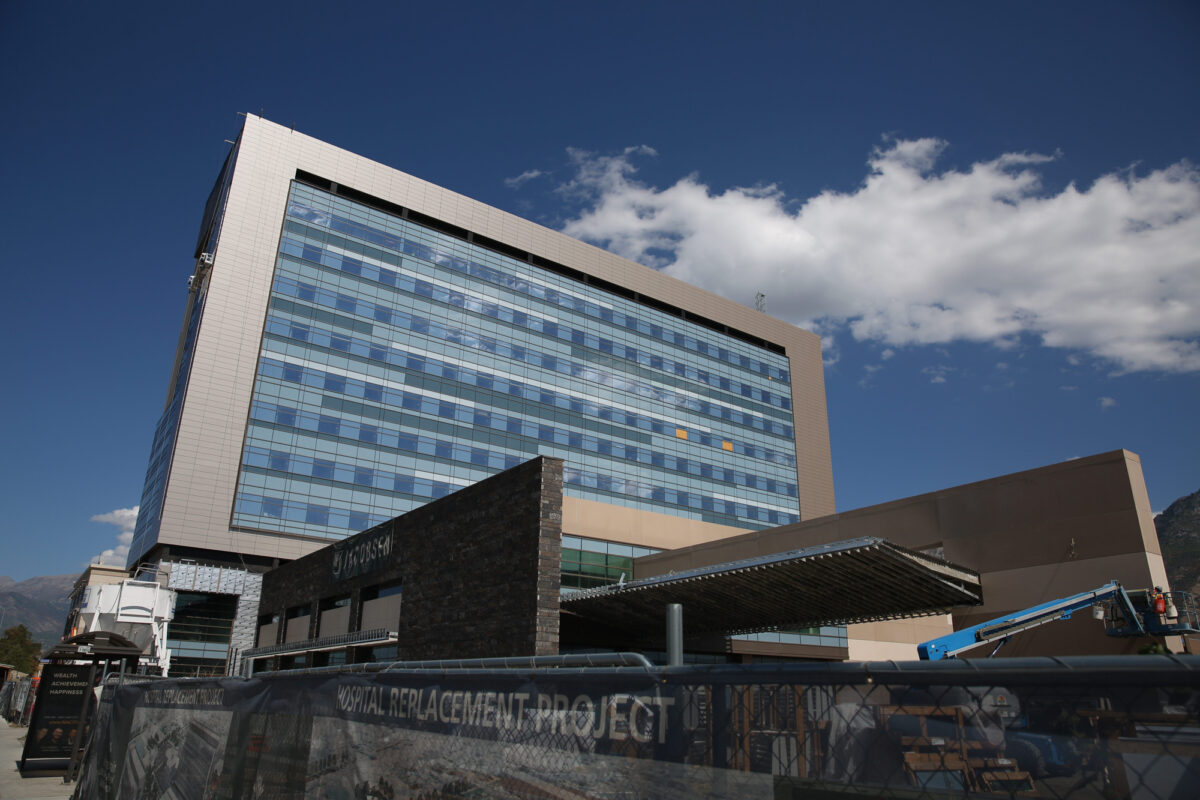
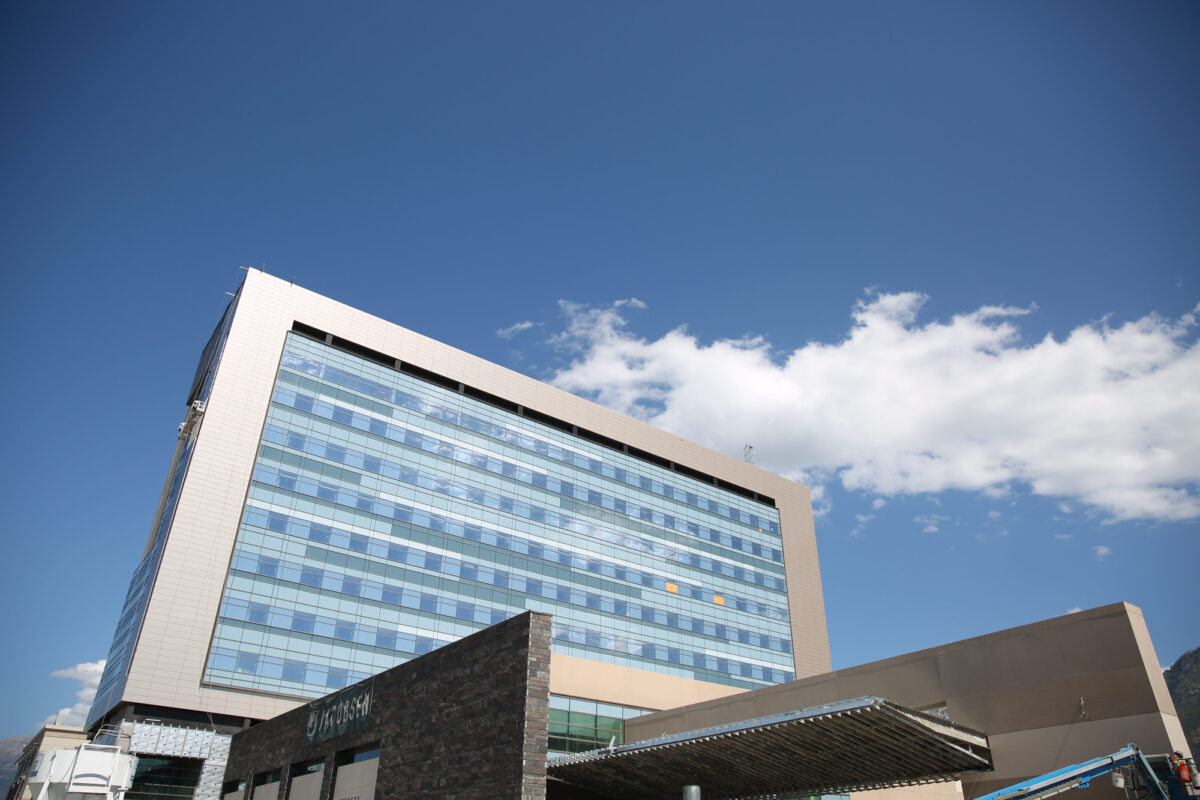
Construction continues on the new patient tower and outpatient building for Utah Valley Hospital on Monday, Sept. 18, 2017. Sammy Jo Hester, Daily Herald
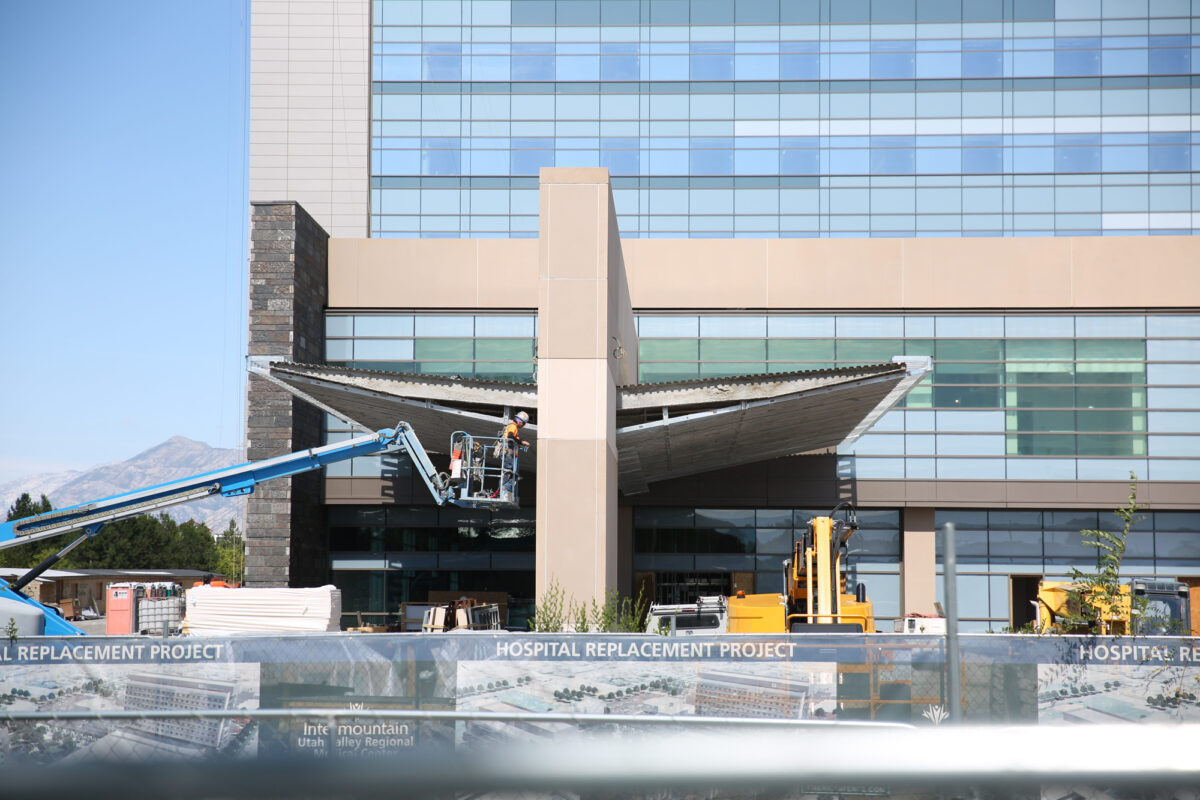
Construction continues on the new patient tower and outpatient building for Utah Valley Hospital on Monday, Sept. 18, 2017. Sammy Jo Hester, Daily Herald
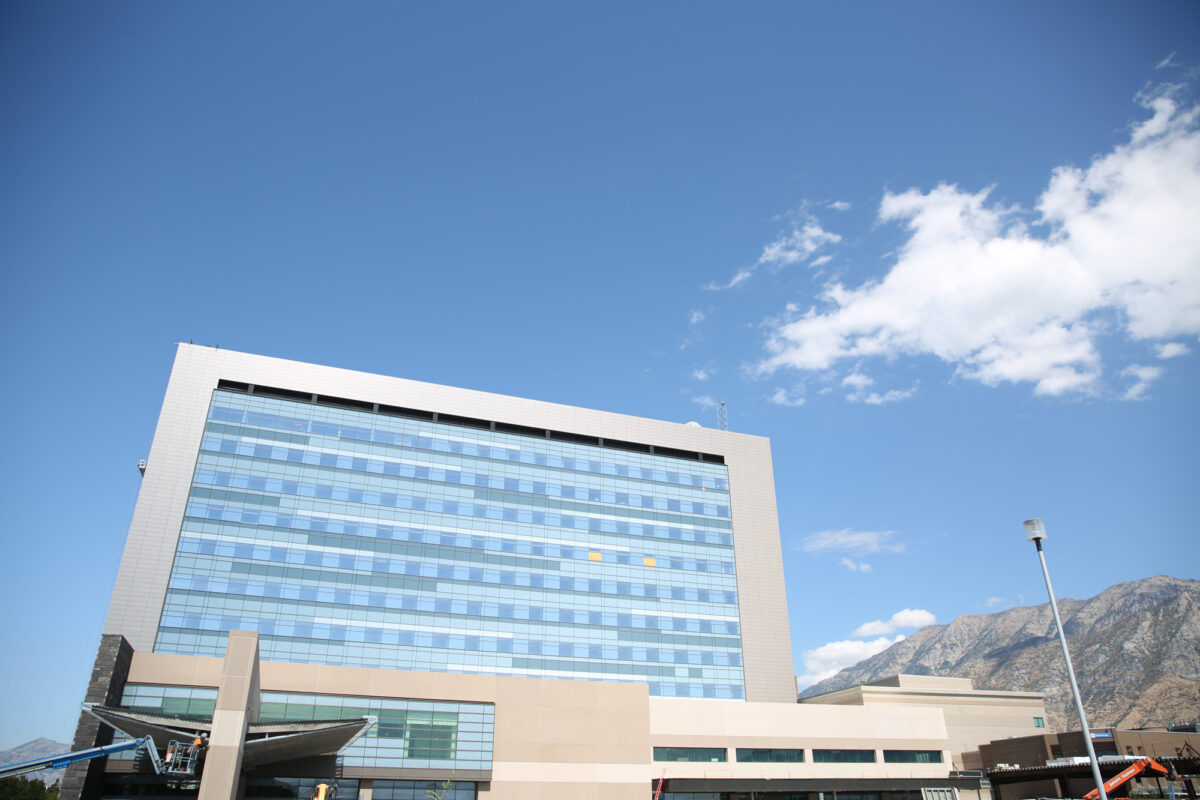
Construction continues on the new patient tower and outpatient building for Utah Valley Hospital on Monday, Sept. 18, 2017. Sammy Jo Hester, Daily Herald
Construction continues on the new patient tower and outpatient building for Utah Valley Hospital on Monday, Sept. 18, 2017. Sammy Jo Hester, Daily Herald
Utah Valley Hospital’s new patient tower and outpatient building have names that might ring a bell with Utah County residents.
The 12-story patient tower, which will contain features such as the emergency department, operating rooms and larger patient rooms, has been named the Todd and Andie Pedersen Patient Tower. The nine-story outpatient building has been named the Sorenson Legacy Tower.
Todd Pedersen is the founder and CEO of Vivint SmartHome. The Sorenson Legacy Foundation, which is based out of Salt Lake City, was founded by the late James LeVoy Sorenson and his wife, Beverley Taylor Sorenson. James LeVoy Sorenson invented medical products, while Beverley Taylor Sorenson was an educational philanthropist.
The two towering buildings are the most externally visible parts of the Provo hospital’s replacement project, which has been in the works for about two years and will conclude in 2019.
Joey Hansen, the regional chief development officer for Intermountain Healthcare, said Todd Pedersen was first shown renderings for the patient tower two years ago.
“His comment was that his own family members and his own employees will benefit greatly from having world-class healthcare in Utah County and that was a big motivator for him,” Hansen said.
Naming opportunities for the buildings mean at least a seven-figure donation, and naming opportunities for other parts of the buildings, like a cancer center, are still multimillion-dollar gifts.
Some donors have chosen not to have places in the hospitals bear names, while other spaces, like surgical suites, will be named after surgeons.
There will be an open house for the Sorenson Legacy Tower from 10 a.m. to 2 p.m. on Dec. 2; the building will open by the end of 2017. The Todd and Andie Pedersen Patient Tower will be finished fall 2018 and is estimated to start seeing patients by the end of 2018.
The projects continue to be on schedule and the turnover date from the contractors to the hospital for the Sorenson Legacy Tower will be at the beginning of November with staff moving in December, according to Josh Rohatinsky, the project manager for the hospital replacement project.
“It’s an exciting time because week by week you see a lot more progress than you have ever have before,” Rohatinsky said.
Inside the patient tower, interior construction is being done from the bottom up, with places that already have floors finished, tiling placed and paint.
As the buildings are finished, services and offices will be moved from the current main hospital into new or temporary locations.
The most visible change in the upcoming months will be in January when the Northwest Plaza building will be demolished and made into a parking lot by next summer.
One of the most anticipated parts of the construction, a pedestrian bridge crossing 500 West, won’t be completed for another two years, after other construction phases are completed.
The pedestrian bridge will include an elevator and a staircase leading up to a covered bridge on the west side of the road. The bridge will connect to the hospital on the east side. Due to a lack of space and plans to extend the sidewalk on the east side of the road, pedestrians will need to enter the hospital to get to the bridge on the east side.
The pedestrian bridge will be available to the public, though will be primarily used by medical staff, according to Rohatinsky. A staircase and wheelchair lift inside will go down to the lobby of the hospital.
“Everyone has been waiting to see this for a while because of how dangerous that strip is,” Rohatinsky said.
Hospital employees commonly cross the street in the stretch between stop lights instead of walking a longer stretch to cross. Rohatinsky said hospital employees and visitors have been hit by vehicles while they were crossing the street.
Hansen said no donations are going toward construction of the walkway.